
Tag

Transcriptome

All articles tagged with #transcriptome

science-and-technology2 years ago

Scientists Successfully Extract RNA from Extinct Species, Paving the Way for Species Resurrection

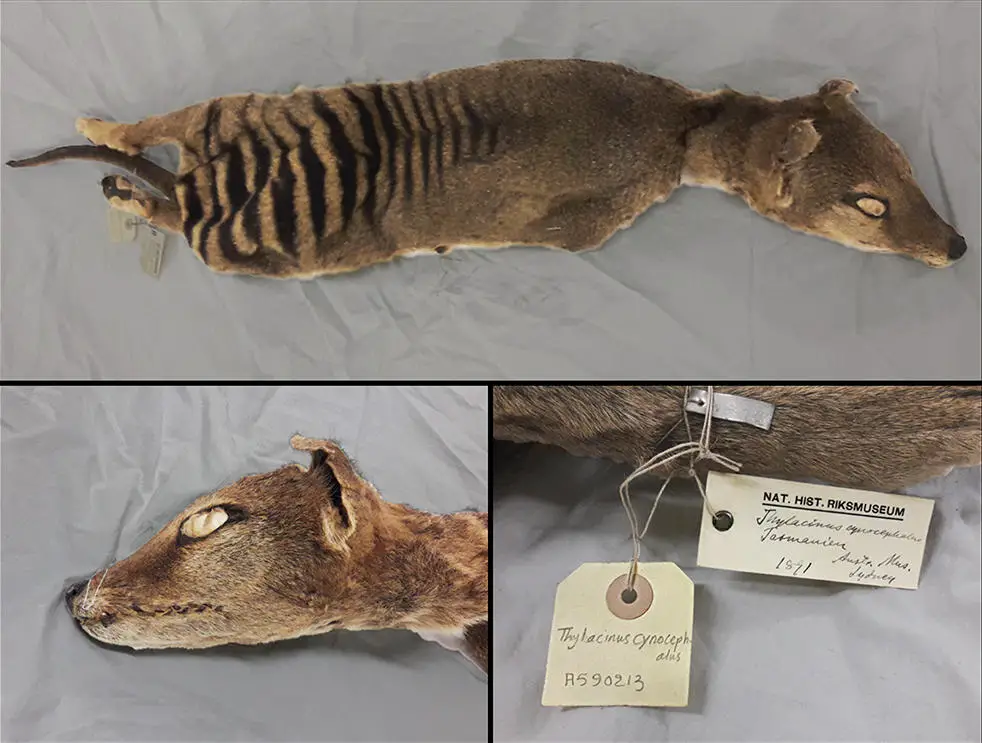
Scientists have successfully isolated and sequenced century-old RNA molecules from a preserved Tasmanian tiger specimen, marking the first-ever reconstruction of skin and skeletal muscle transcriptomes from an extinct species. This breakthrough has implications for reviving extinct species and studying pandemic RNA viruses. The research provides valuable insights into the genome and transcriptome regulation of the Tasmanian tiger, aiding efforts in de-extinction. The study also highlights the potential for uncovering and sequencing RNA molecules from other extinct animals and even RNA virus genomes in museum collections.
science-and-technology2 years ago

Unveiling Hidden Cell Types and Gene Expression through Enhanced Sequencing Data Analysis

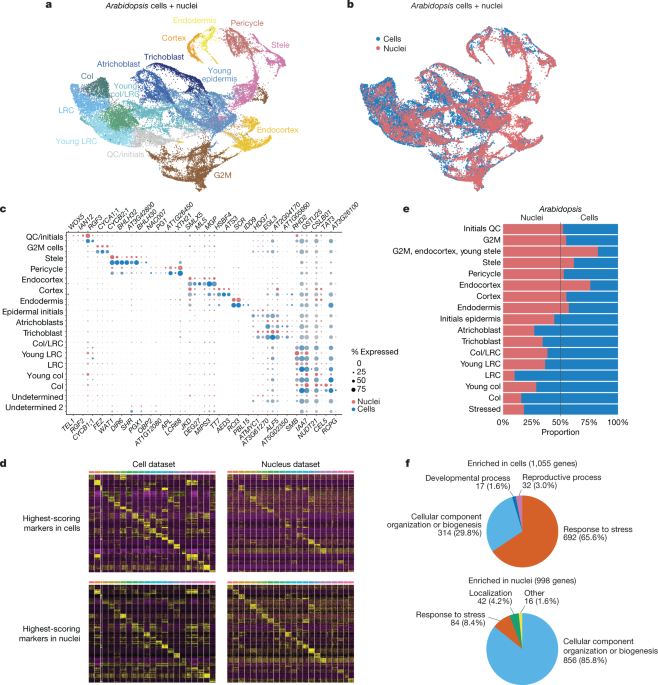
Researchers at Caltech and the University of Texas Southwestern Medical Center have developed a method to optimize single-cell RNA sequencing (scRNA-seq) analysis, allowing for the recovery of missing cell types and gene expression data. By optimizing the reference transcriptome, which maps DNA sequences and their corresponding genes, the researchers were able to prevent the loss of gene expression information. This improvement in scRNA-seq analysis is crucial for understanding the complexity of biological processes and identifying distinct cell types involved in various diseases.

neuroscience2 years ago

Improved Brain Disease Classification through Gene Activity Analysis.

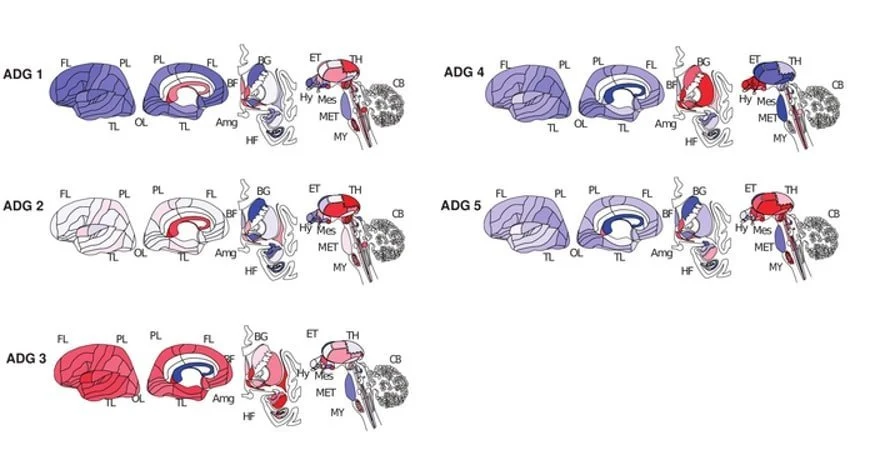
Analyzing the gene activity map or transcriptome of different brain diseases can help identify underlying mechanisms and comorbidity. The method could also uncover new relationships among diseases and improve treatment options. Researchers at McGill University have found that comparing the transcriptomes related to different brain diseases can help understand the mechanisms underlying the diseases and classify them into five primary groups based on where disease-risk genes were active in the brain and in which cell types. This method could be used for more accurate early diagnoses and potentially identify novel disease relationships.