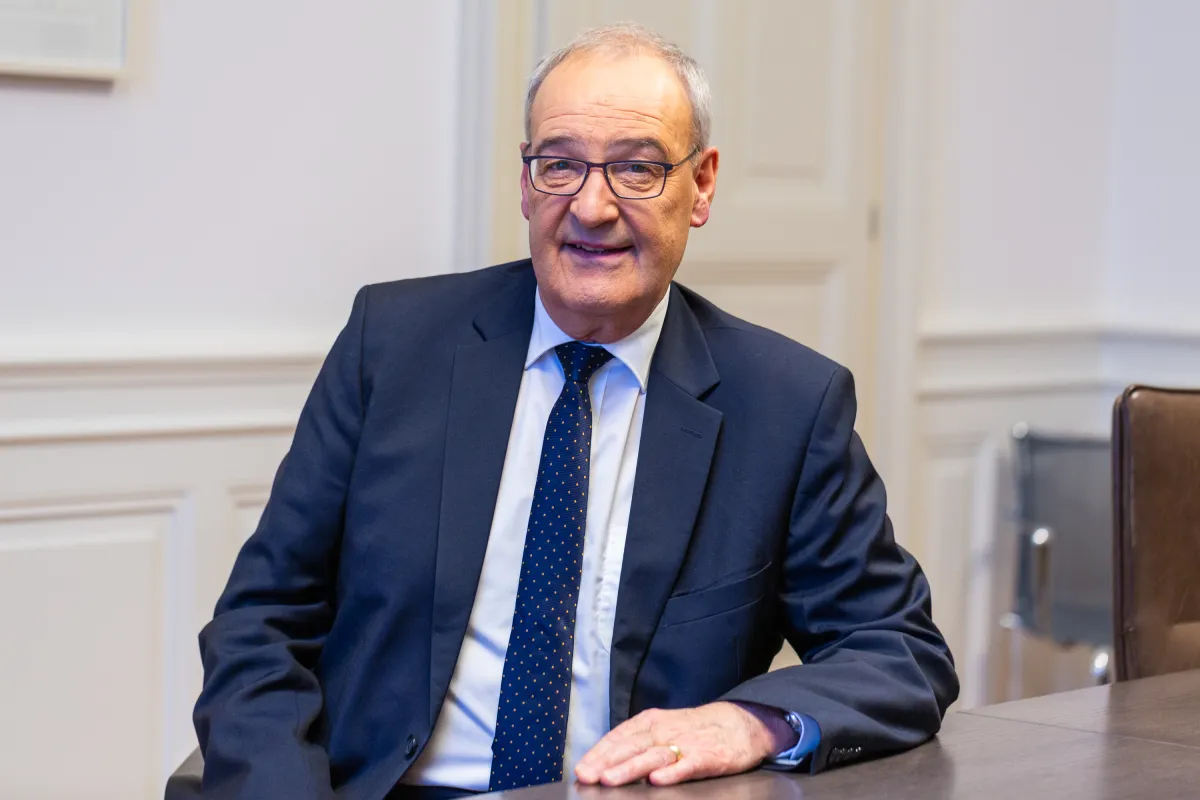
Guy Parmelin begins his second term as Swiss president, emphasizing Switzerland's need for new international partnerships while acknowledging the US's indispensable role, and discussing ongoing negotiations with the US and EU, economic challenges, and domestic political issues.
Canadian steel industry leaders, including billionaire Barry Zekelman, are calling for aggressive protectionist measures and the termination of trade agreements to shield against US tariffs and Chinese steel dumping, warning that without such actions, Canada's steel sector could be devastated by US policies and global overcapacity.
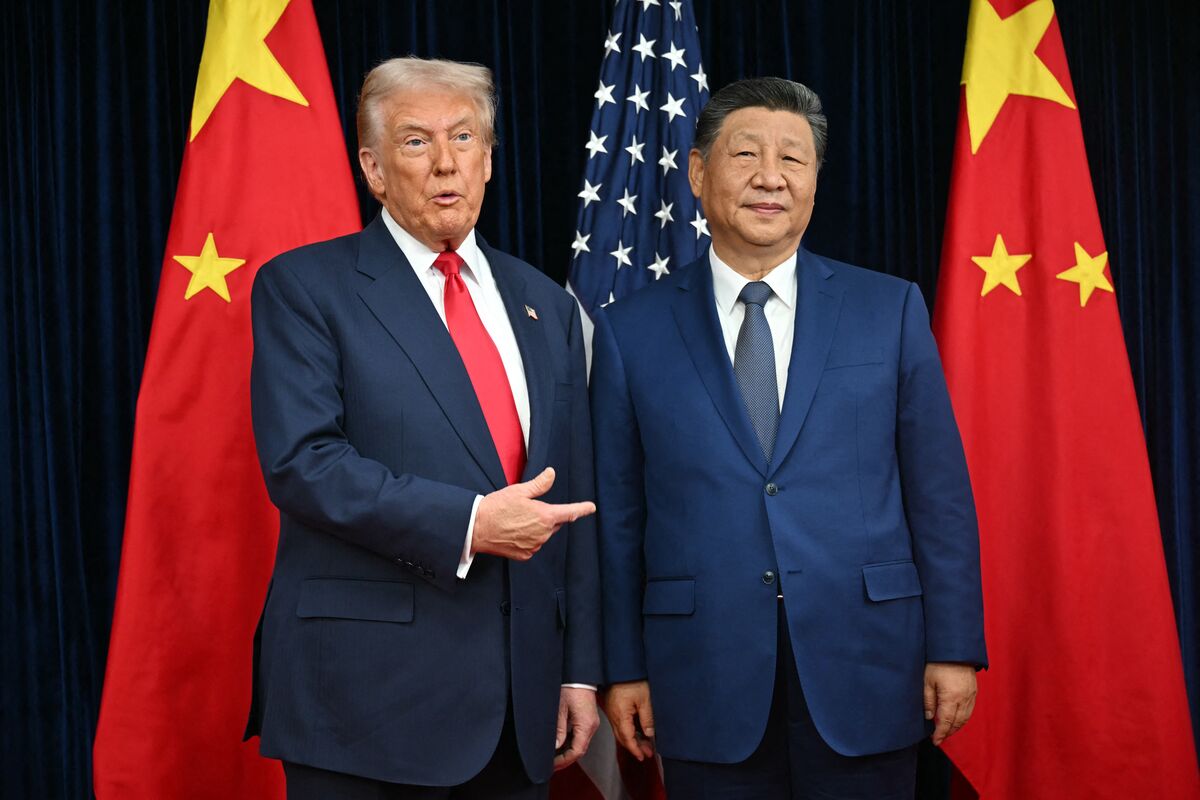
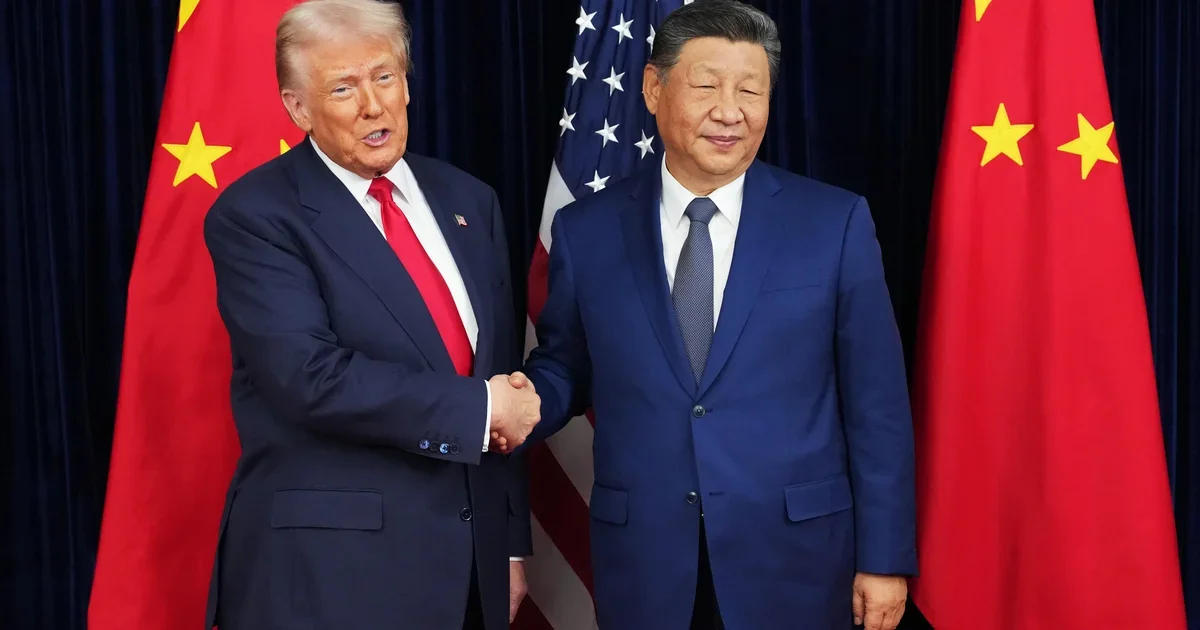
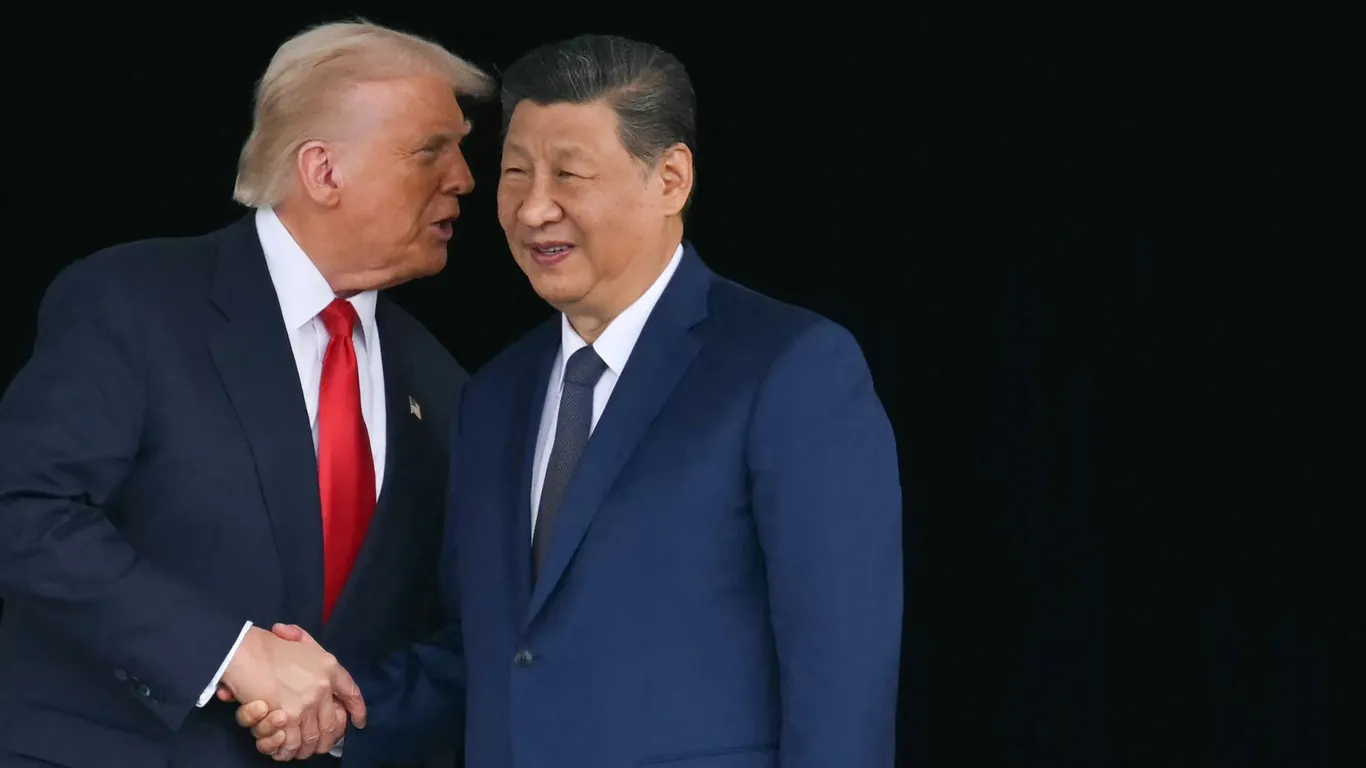
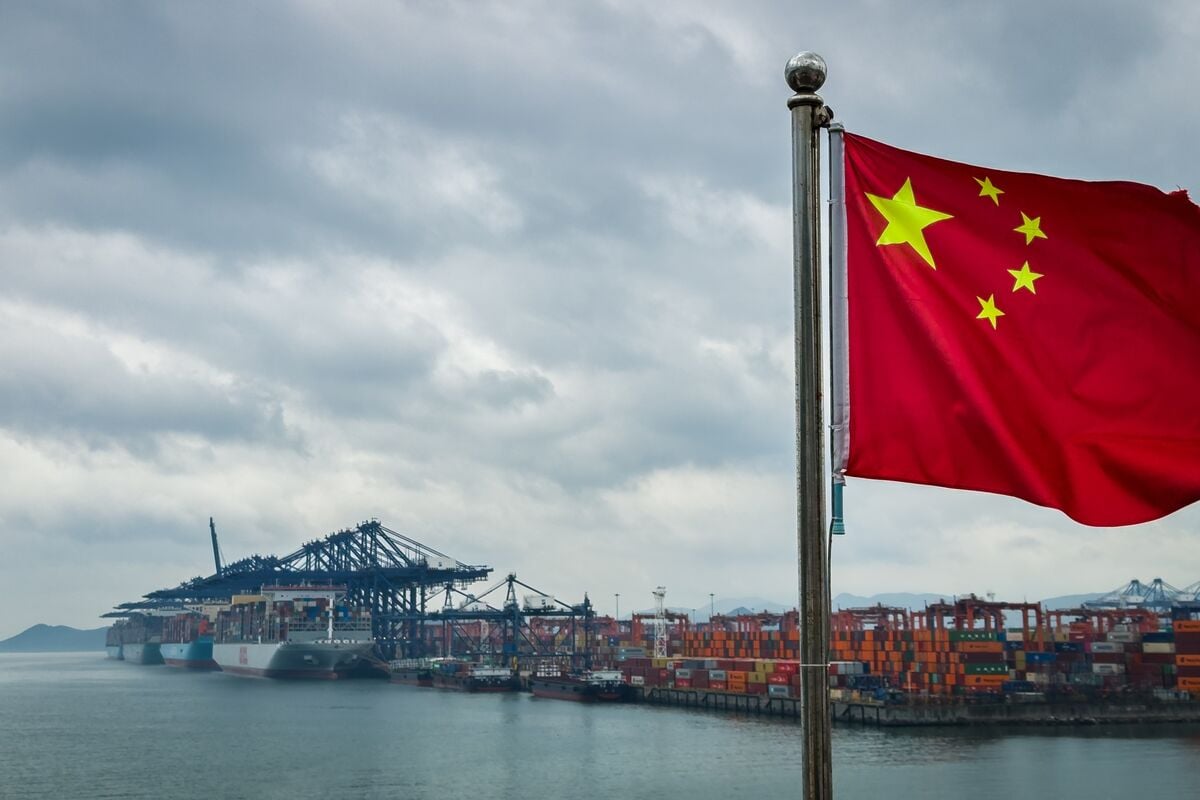
Following the Xi-Trump summit in South Korea, China and the US released differing statements on the outcomes, with China providing broader comments and some disagreements on specifics like rare earths and trade measures; key agreements included suspension of certain tariffs, commitments to agricultural purchases, and cooperation on TikTok and fentanyl issues.
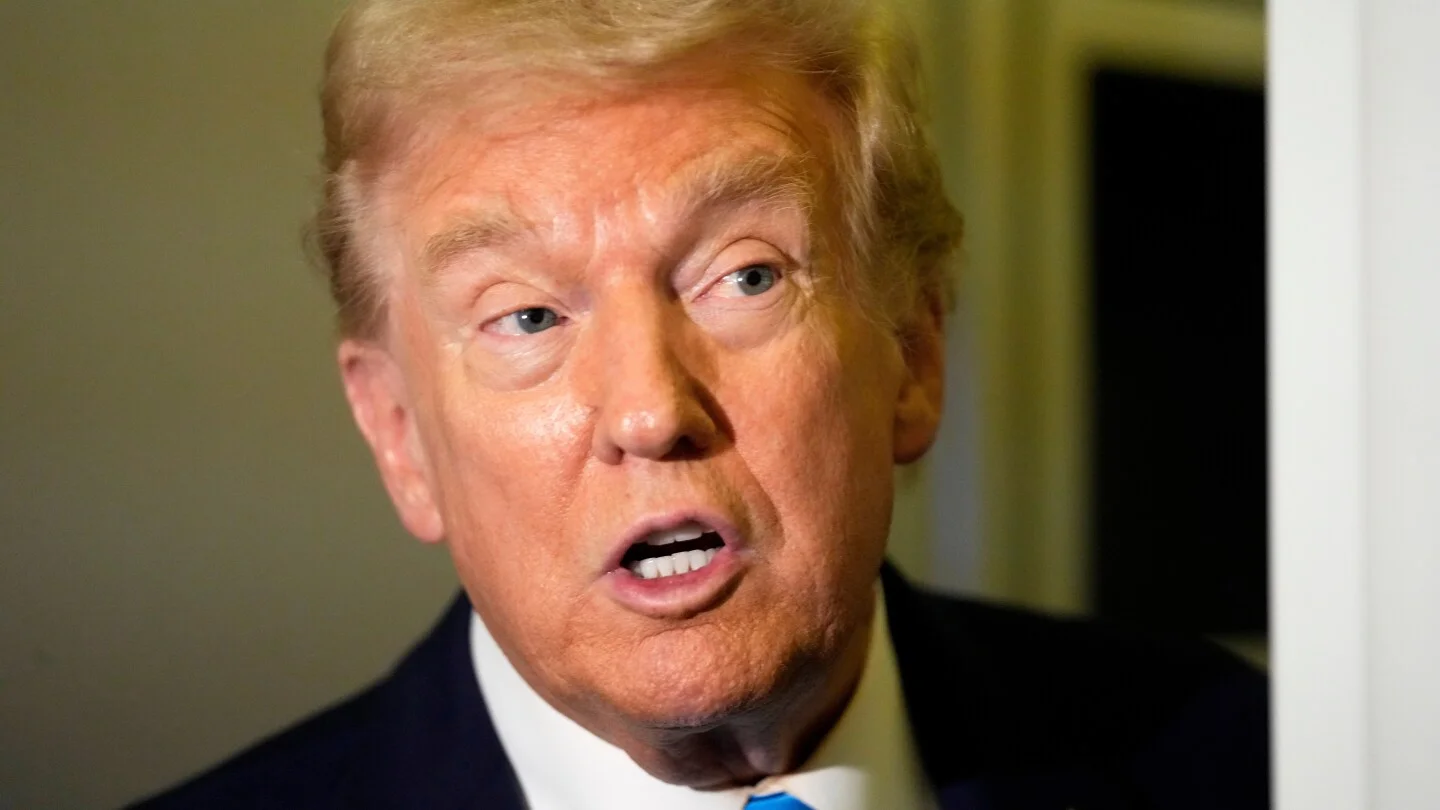
President Trump announced that he and Chinese President Xi Jinping reached agreements on resuming U.S. soybean sales, delaying China's rare-earth mineral export restrictions, and easing tariffs, though no formal documents have been released. The meeting aimed to ease tensions and included discussions on chips and TikTok, with some issues still unresolved.
President Trump announced a reduction in China tariffs following talks with Xi Jinping, who pledged to buy US soybeans and energy, allow rare earth exports, and curb fentanyl flow, signaling a potential trade truce that could benefit global markets and US farmers.
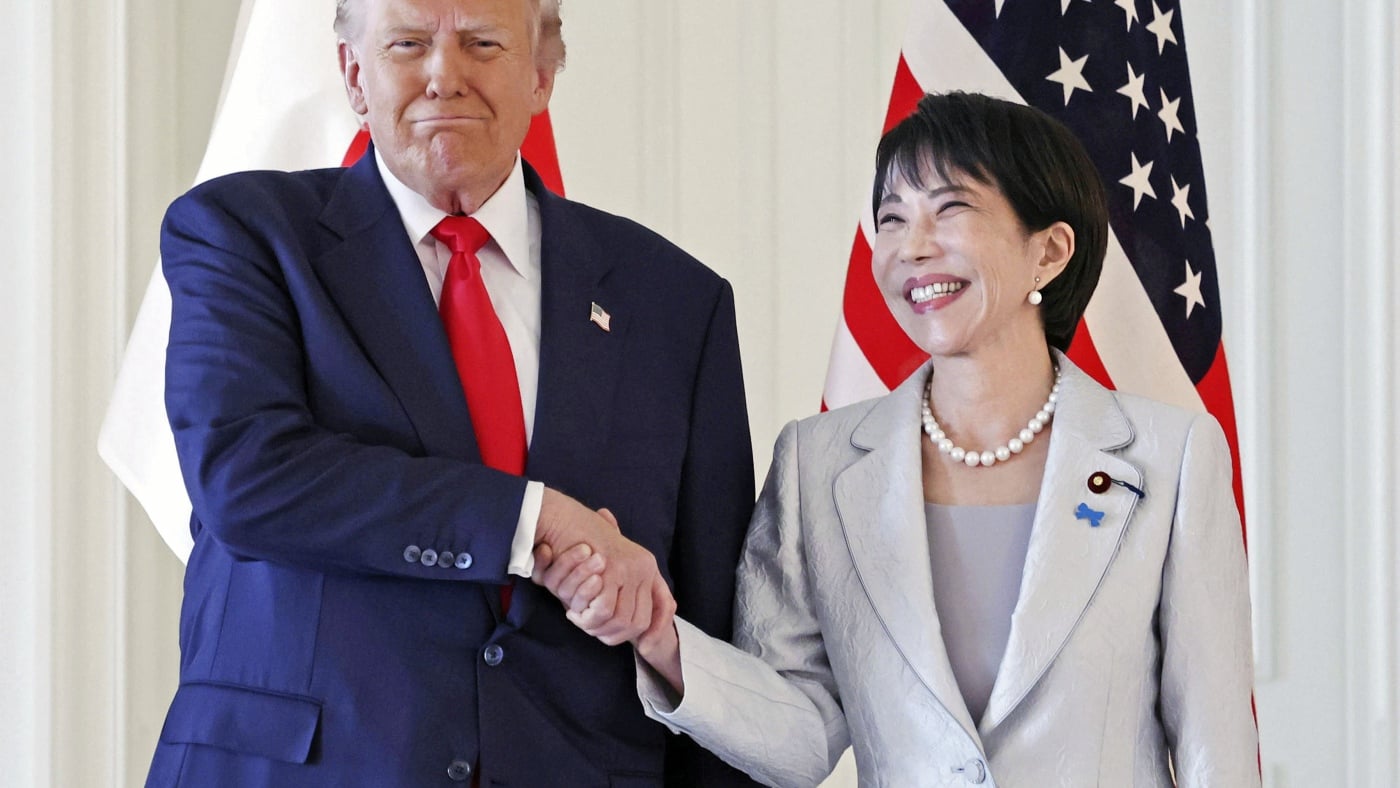
During his Asia trip, President Trump met Japan's new Prime Minister Sanae Takaichi, praising her and strengthening US-Japan ties through agreements on investment and critical minerals, while also discussing trade, military cooperation, and regional security issues.
China and the US announced significant trade agreements covering tariffs, shipping, fentanyl, and export controls, signaling a temporary easing of tensions ahead of a high-stakes meeting between Xi Jinping and Donald Trump in South Korea, with potential impacts on markets and global trade dynamics.
President Donald Trump aims to enhance his reputation as a dealmaker during his visit to Malaysia by finalizing trade agreements and overseeing a ceasefire between Cambodia and Thailand, while also engaging in discussions with regional leaders on trade issues, including tariffs and relations with China and neighboring countries.
President Donald Trump plans to sign economic and critical minerals deals with Asian partners during his trip to Malaysia, Japan, and South Korea, aiming to strengthen supply chains and increase US investments, while also seeking to resolve trade disputes with China, including issues over rare earth minerals and tariffs, and to bolster negotiations on various fronts including agriculture, fentanyl trafficking, and regional security.
The IMF states that while US tariffs have had a smaller impact on the global economy than expected, it is premature to conclude they have no effect, as trade tensions and potential future tariffs continue to pose risks to economic growth.
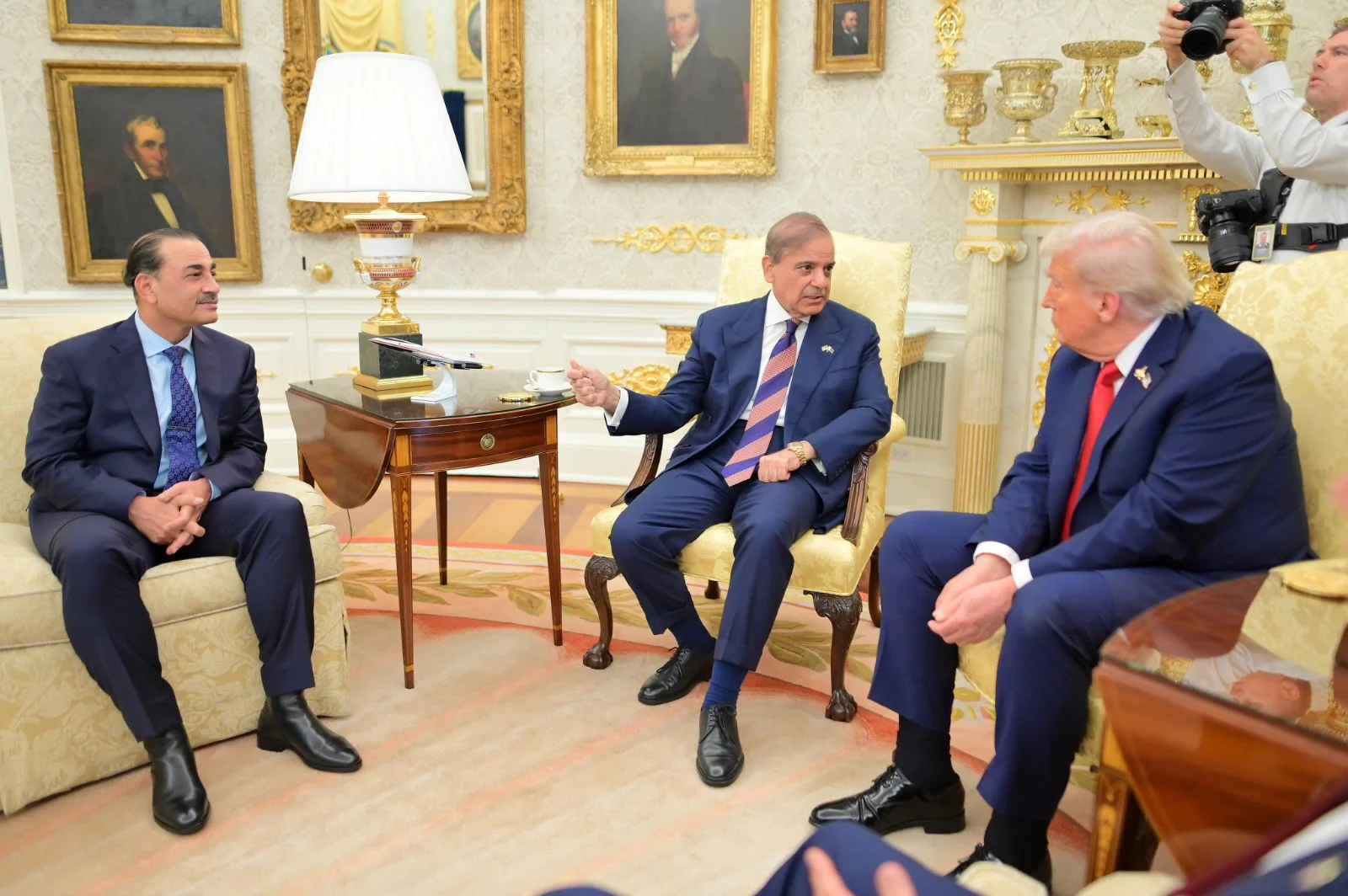
Pakistan's Prime Minister Shehbaz Sharif and Army Chief Asim Munir met with Donald Trump at the White House, signaling a thaw in US-Pakistan relations, with discussions including trade deals, strategic cooperation, and recent diplomatic efforts, after a period of tension.
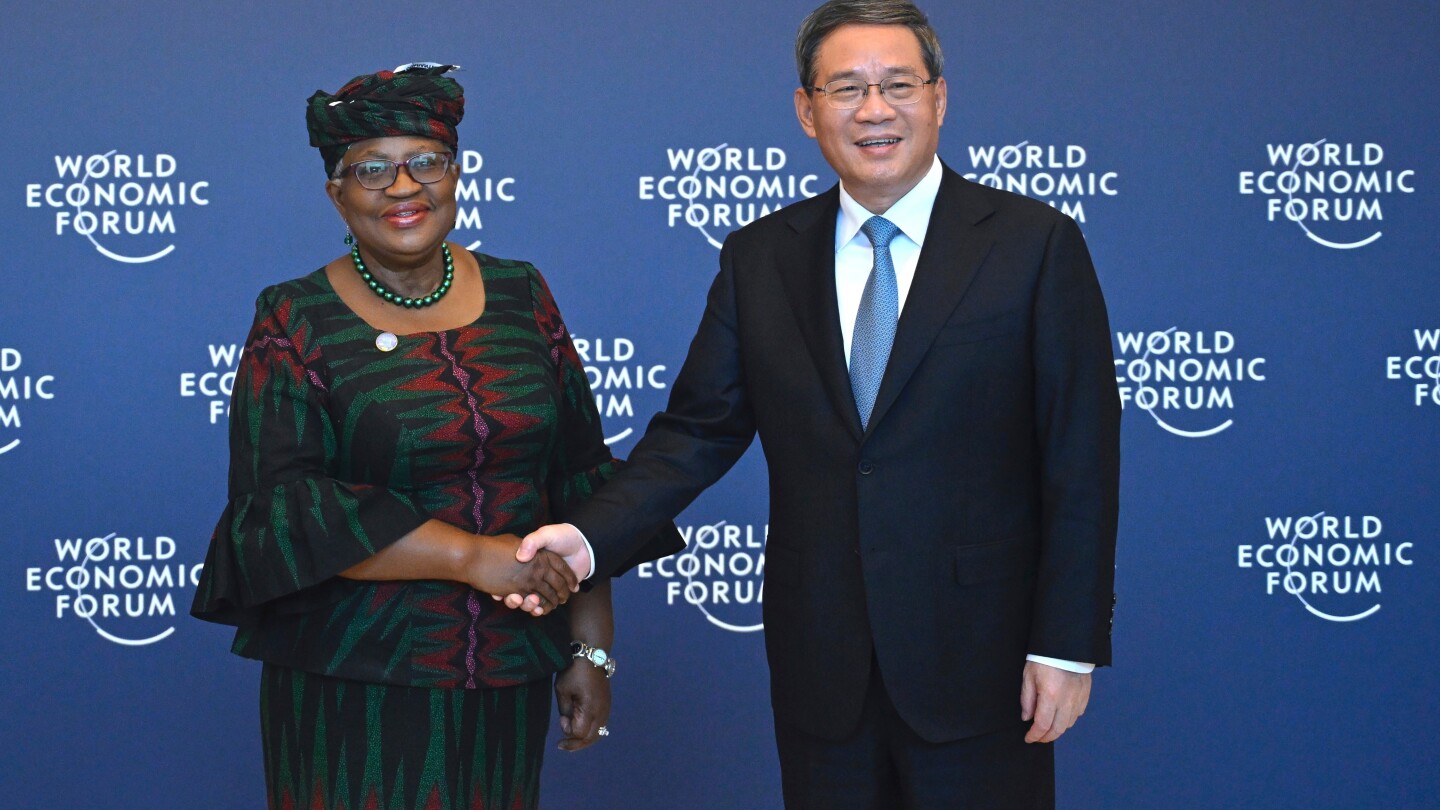
China announced it will no longer seek special treatment for developing countries in WTO agreements, aiming to strengthen the global trading system amid rising protectionism, though it remains classified as a developing country and did not specify changes to market access. The move is voluntary and not a call for other nations to follow, reflecting China's evolving role in international trade and development.
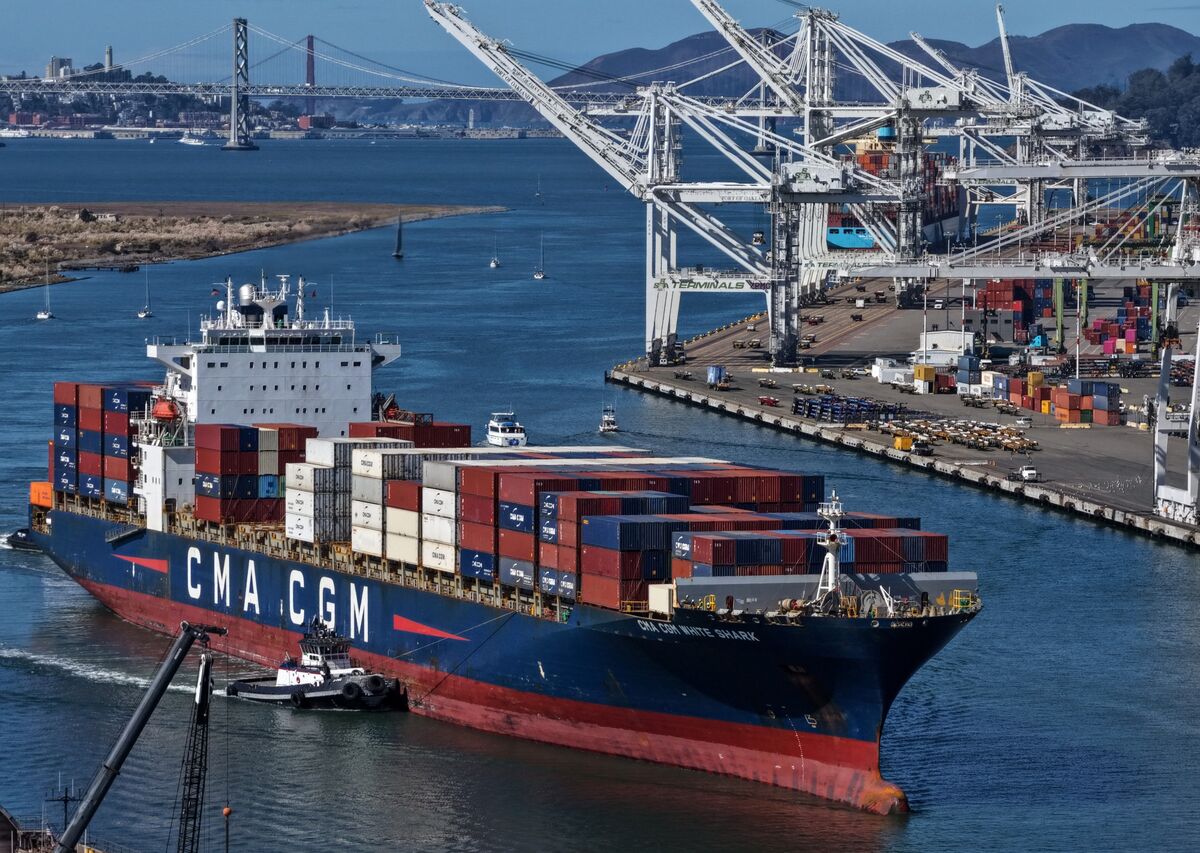
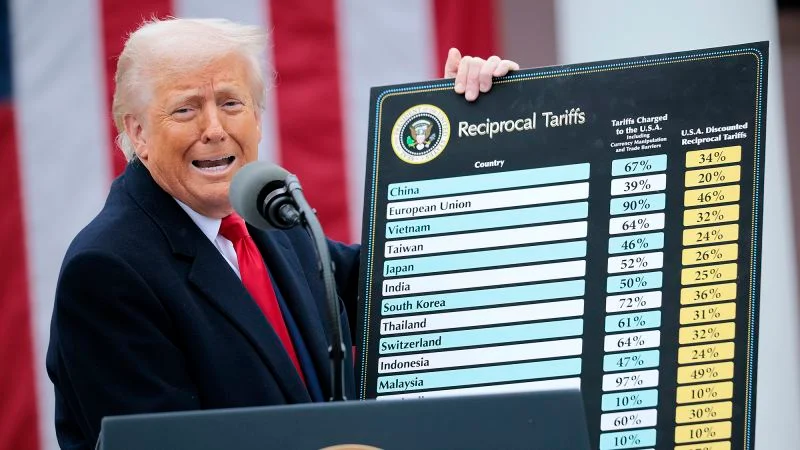
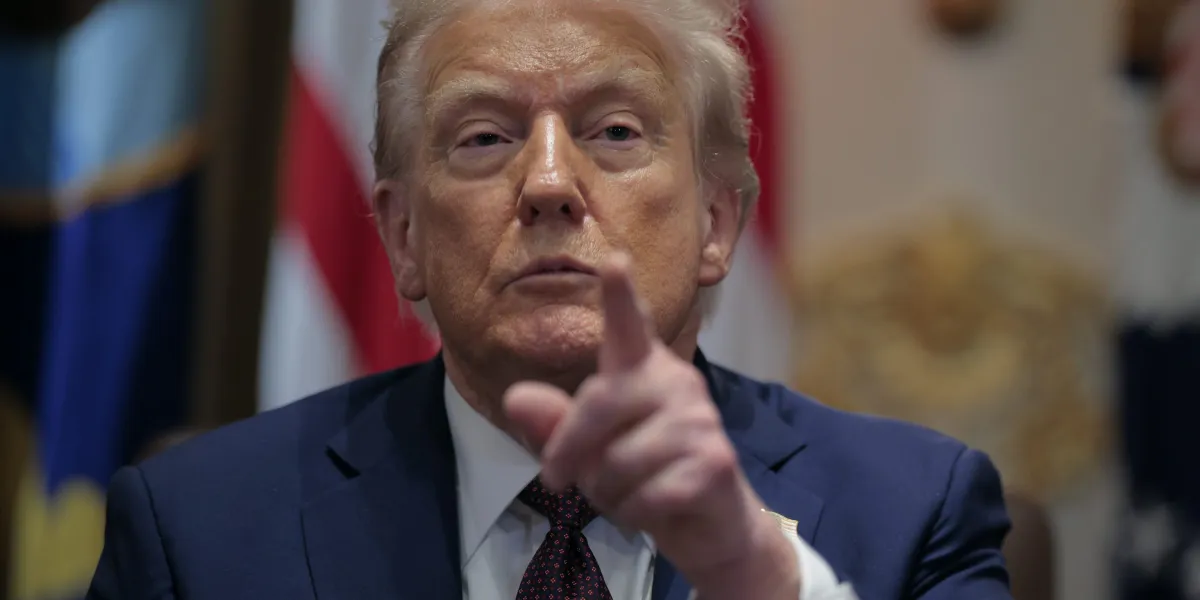
President Trump has indicated that if the Supreme Court strikes down his tariffs, he plans to unwind existing trade agreements, though experts suggest these agreements are largely superficial and not legally binding. The court case involves the legality of tariffs imposed under emergency powers, and a ruling against Trump could also lead to refunds for businesses. Trump argues that losing the tariffs would weaken U.S. leverage in trade negotiations, but analysts believe the impact may be overstated due to the tentative nature of the agreements.
President Trump indicated that if the courts rule his tariffs illegal, the US might undo trade deals with countries like the EU, Japan, and South Korea, highlighting the legal and economic uncertainty surrounding his tariff policies and the potential impact on global trade.
Pakistan's Foreign Minister Ishaq Dar visited Bangladesh, marking a historic step in improving relations, with plans to sign trade agreements, enhance connectivity, and promote regional cooperation amid easing tensions and renewed diplomatic engagement.