Nestle has recalled certain batches of its SMA infant and follow-on formulas due to potential contamination with cereulide, a toxin that can cause food poisoning, as a precaution despite no confirmed illnesses. The company is offering refunds and advises parents to check batch codes, emphasizing that other products are safe.
A study links the chemical tetrachloroethylene (PCE), used in dry cleaning and household products, to a threefold increased risk of liver fibrosis, suggesting environmental toxins may significantly contribute to liver disease beyond traditional causes like alcohol and obesity.
Researchers at Scripps Research have developed an antibody that can block the effects of lethal toxins in the venoms of a wide variety of snakes found throughout Africa, Asia, and Australia, representing a significant step toward creating a universal antivenom. The antibody, called 95Mat5, protected mice from the venom of snakes including black mambas and king cobras, and works by mimicking the structure of the human protein that the toxins usually bind to. This synthetic antibody could potentially work as a universal antivenom against medically relevant snake venoms worldwide, and the researchers are now pursuing broadly neutralizing antibodies against other snake toxins.
Five meerkats at the Philadelphia Zoo died after being exposed to an unknown toxin from a dye called Nyanzol-D, which is routinely used to identify animals. The zoo has suspended the use of the dye until officials determine what caused the meerkats' deaths. Necropsy results are pending.
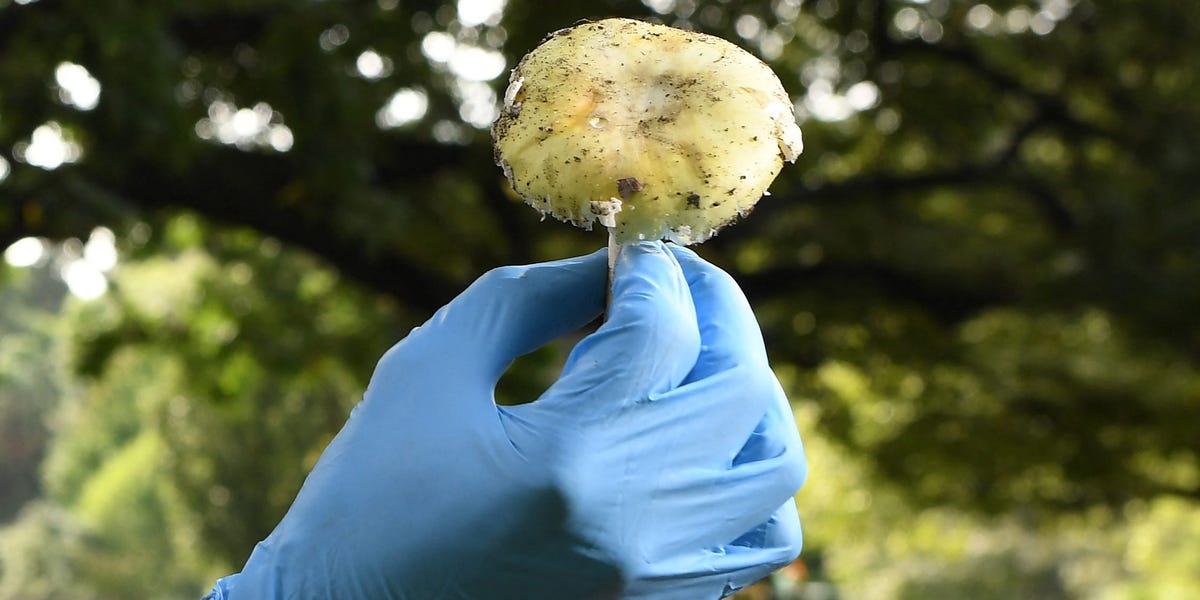
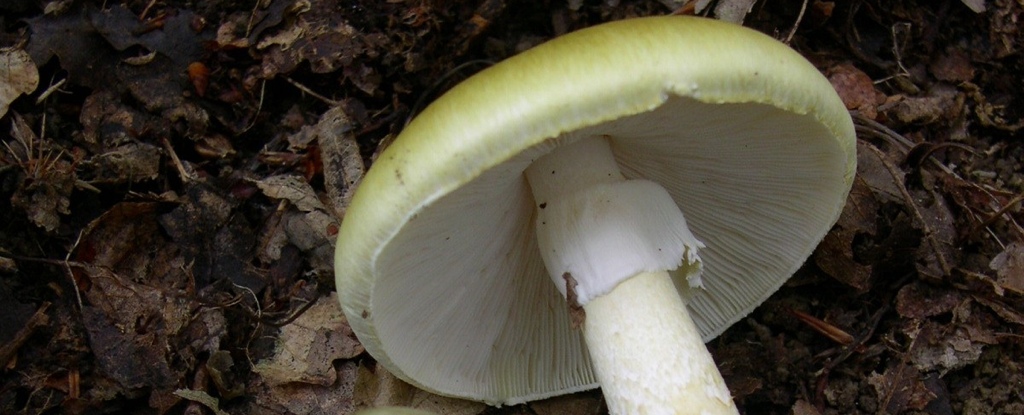
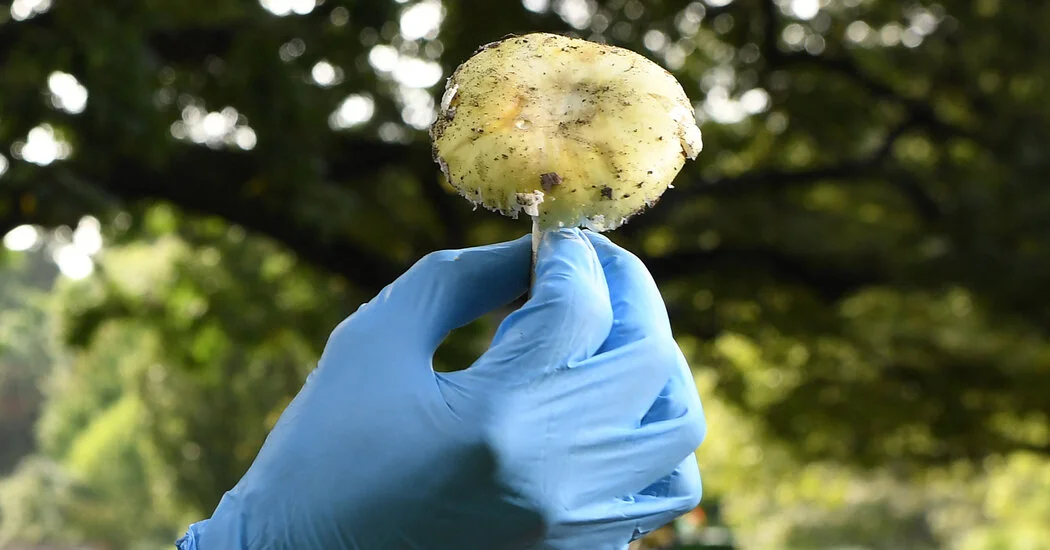
Scientists have discovered a possible antidote for the world's deadliest mushroom, the death cap mushroom, from a fluorescent dye called indocyanine green (ICG), which is commonly used in medical imaging. The dye stops alpha-amanitin (AMA), the death cap mushroom's primary toxin, dead in its tracks. The antidote has worked in human cells, mini models of the liver, and in mice, but it hasn't been tested in humans. Death cap mushrooms are responsible for 90% of all poisonous mushroom fatalities in humans, and their toxins can cause vomiting, bloody diarrhea or urine, liver and kidney damage, and even death.
Scientists have discovered a potential antidote for the deadly toxin of the death cap mushroom, which kills up to 100 people per year and has no known antidote. Using CRISPR, researchers identified a chemical called indocyanine green (ICG) that can inhibit the mushroom's toxin. In tests on mice, 50% of those given the ICG antidote survived the toxin, with no observed side effects. Further research is needed to determine the therapeutic benefits in humans.
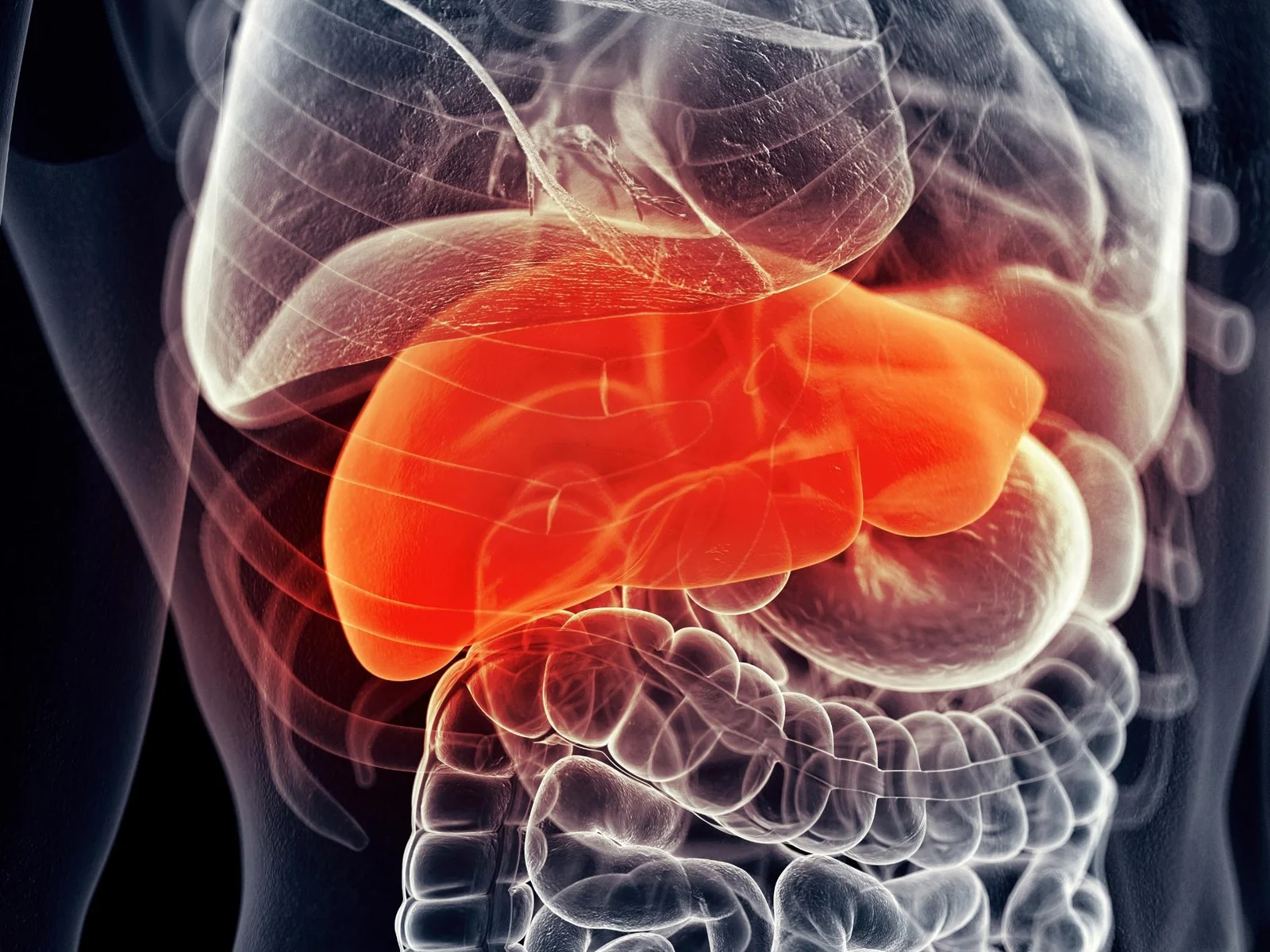
Scientists have identified a substance called indocyanine green that could work as an antidote for poisoning by the deadly death cap mushroom. The candidate is already FDA approved and used as a dye for medical diagnostic imaging. The chemical can reduce the potency of the main death cap toxin, α-amanitin, in human cell lines and mice, effectively blocking α-amanitin-induced cell death. The toxin of the death cap mushroom eats away at the liver, producing symptoms that indicate serious damage to the organ, and can result in failure of the liver and sometimes kidneys, often leading to death.
Researchers have found a promising molecule that may prevent some of the toxic effects of alpha amanitin, the toxin found in the death cap mushroom and related species that account for the vast majority of mushroom-poisoning deaths. The molecule, called indocyanine green (ICG), was found to prevent the STT3B gene from helping alpha amanitin enter cells, reducing liver damage in mice. While it remains to be seen if the compound will work in people, the discovery is a good starting point in the search for an antidote to the deadly toxin.
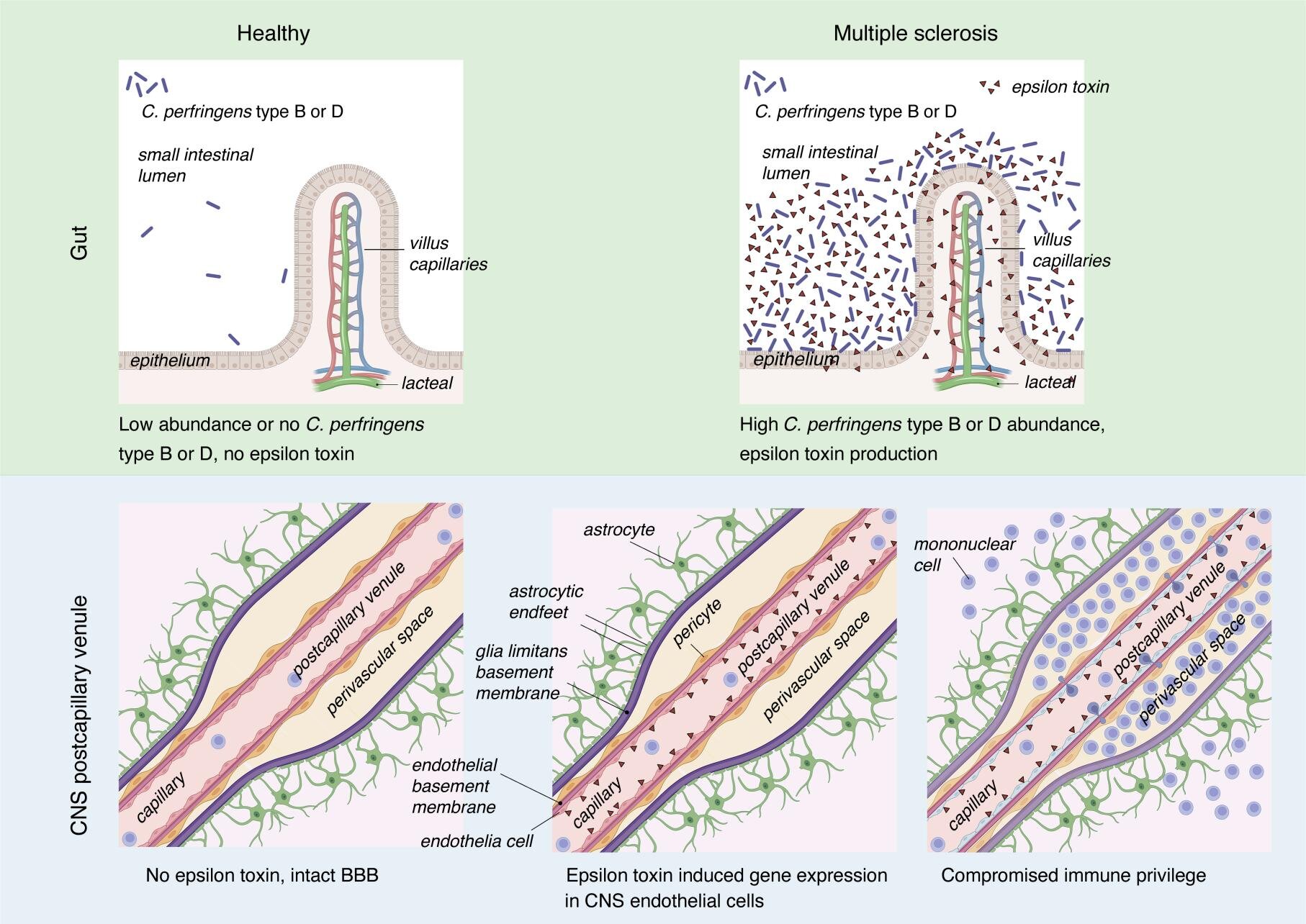
A specific toxin-producing gut bacteria, epsilon toxin-producing Clostridium perfringens, may be responsible for triggering the onset of multiple sclerosis (MS) and ongoing disease activity, according to a new study. The study identifies the bacteria in unusually high abundance within the gut microbiome of people with MS. Epsilon toxin opens the blood vessels of the brain allowing inflammatory cells to gain access to the central nervous system and cause demyelination characteristic of MS.