Tag

Antidote

All articles tagged with #antidote

technology2 years ago

The Battle for Attention: TikTok vs YouTube Shorts

A new app that was intended to be an antidote for the addictive nature of TikTok has been deemed just as bad, if not worse. The app, which aimed to provide a healthier alternative to mindless scrolling, has failed to deliver on its promises and has left users disappointed. Despite its intentions, the app has not been able to break free from the addictive nature of social media, raising concerns about the impact of these platforms on our brains.

science2 years ago

"Potential Antidote Found for Deadly Death Cap Mushroom Poisoning"

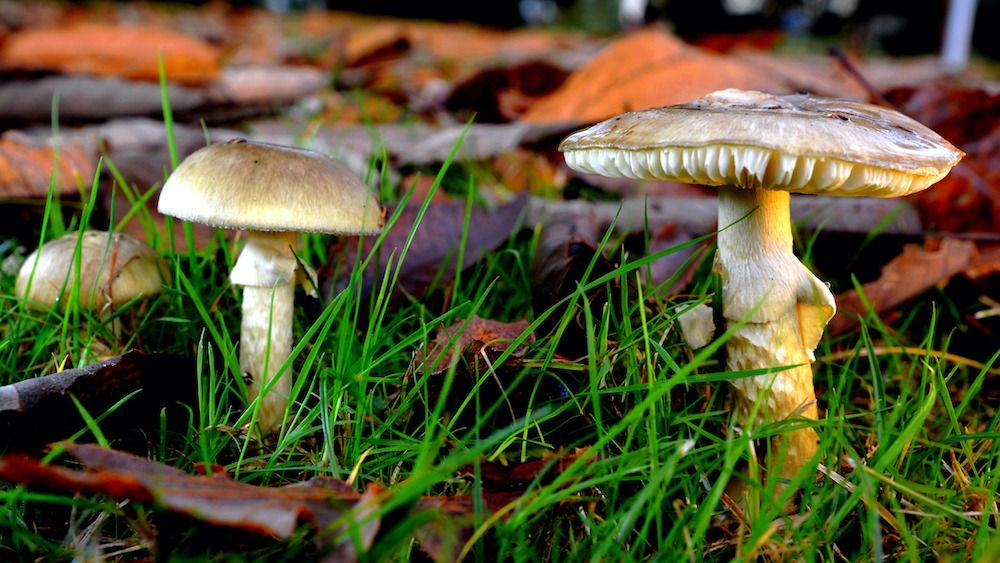
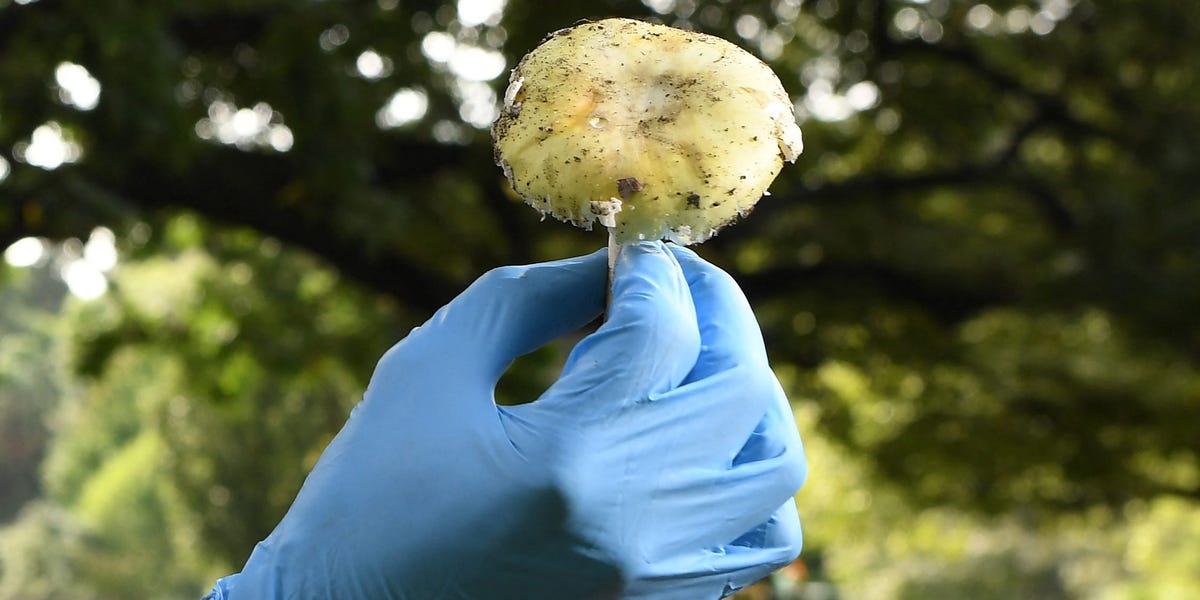
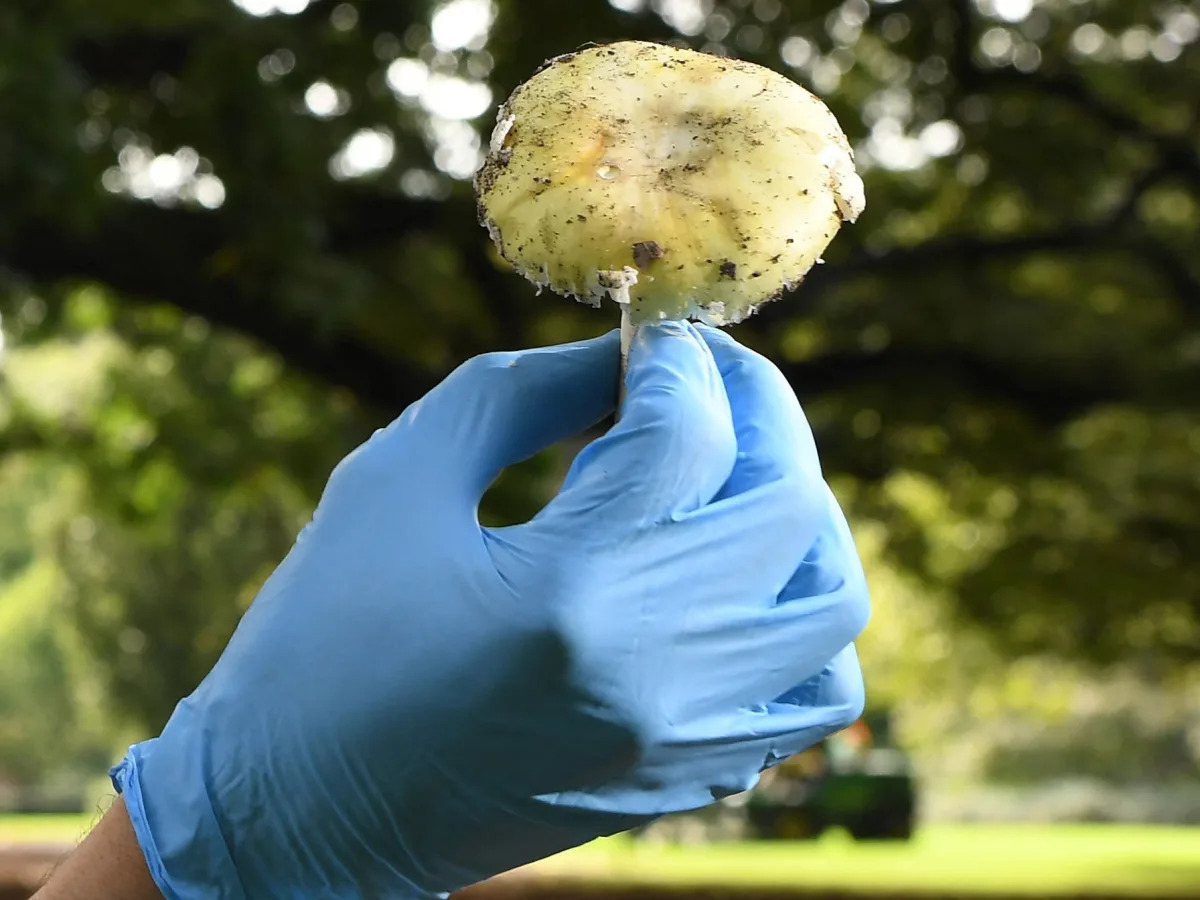
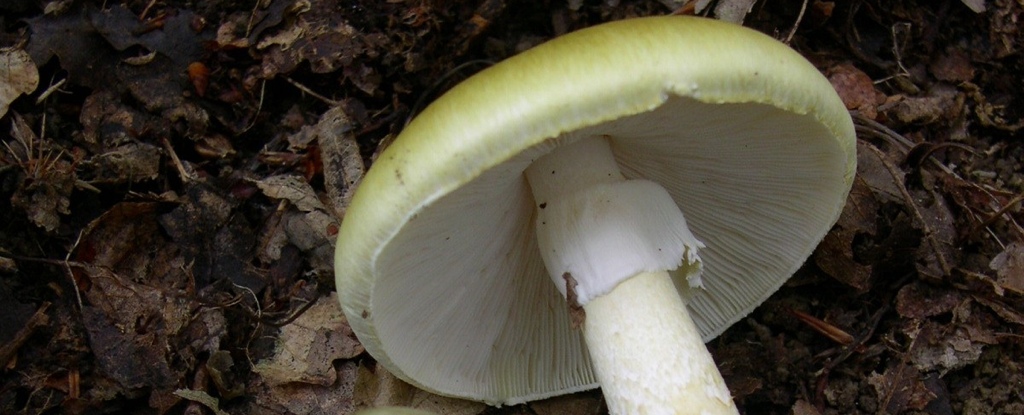
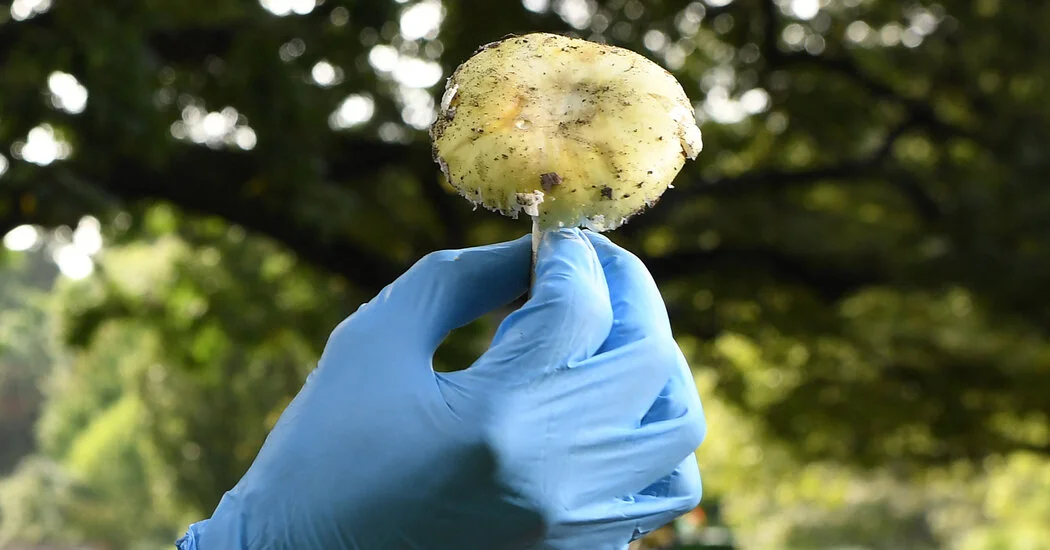
Scientists have discovered a possible antidote for the world's deadliest mushroom, the death cap mushroom, from a fluorescent dye called indocyanine green (ICG), which is commonly used in medical imaging. The dye stops alpha-amanitin (AMA), the death cap mushroom's primary toxin, dead in its tracks. The antidote has worked in human cells, mini models of the liver, and in mice, but it hasn't been tested in humans. Death cap mushrooms are responsible for 90% of all poisonous mushroom fatalities in humans, and their toxins can cause vomiting, bloody diarrhea or urine, liver and kidney damage, and even death.

health2 years ago

Antidote for Deadly Death Cap Mushroom Discovered by Scientists

Scientists have discovered a potential antidote for the deadly toxin of the death cap mushroom, which kills up to 100 people per year and has no known antidote. Using CRISPR, researchers identified a chemical called indocyanine green (ICG) that can inhibit the mushroom's toxin. In tests on mice, 50% of those given the ICG antidote survived the toxin, with no observed side effects. Further research is needed to determine the therapeutic benefits in humans.

health2 years ago

Possible Antidote Found for Deadly Mushroom

Scientists have discovered a possible antidote to the deadly toxin of the death cap mushroom, which kills up to 100 people and sickens thousands more each year. Researchers used CRISPR to identify a chemical called indocyanine green (ICG) that can inhibit the mushroom's toxin. When tested on mice, 50% of those that received the ICG antidote survived the toxin, and no side effects were observed. The researchers plan to conduct human trials to assess ICG's efficacy in individuals who have recently ingested toxic mushrooms.

health2 years ago

New Antidote Discovered for Lethal Death Cap Mushroom

Scientists have discovered a potential antidote for death cap mushroom poisoning, which is one of the most poisonous mushrooms in the world. The antidote is a widely available drug that already has FDA approval. The drug has only been shown to be effective in mice, but it could help prevent deaths from poisoning by death caps and by many other poisonous mushroom species found around the world. Mushroom poisonings cause about 10,000 illnesses and 100 deaths a year globally.

health2 years ago

Antidote Discovered for World's Deadliest Mushroom

Scientists have identified a substance called indocyanine green that could work as an antidote for poisoning by the deadly death cap mushroom. The candidate is already FDA approved and used as a dye for medical diagnostic imaging. The chemical can reduce the potency of the main death cap toxin, α-amanitin, in human cell lines and mice, effectively blocking α-amanitin-induced cell death. The toxin of the death cap mushroom eats away at the liver, producing symptoms that indicate serious damage to the organ, and can result in failure of the liver and sometimes kidneys, often leading to death.

health2 years ago

Antidote Discovered for Deadly Poisonous Mushrooms

Researchers have found a promising molecule that may prevent some of the toxic effects of alpha amanitin, the toxin found in the death cap mushroom and related species that account for the vast majority of mushroom-poisoning deaths. The molecule, called indocyanine green (ICG), was found to prevent the STT3B gene from helping alpha amanitin enter cells, reducing liver damage in mice. While it remains to be seen if the compound will work in people, the discovery is a good starting point in the search for an antidote to the deadly toxin.