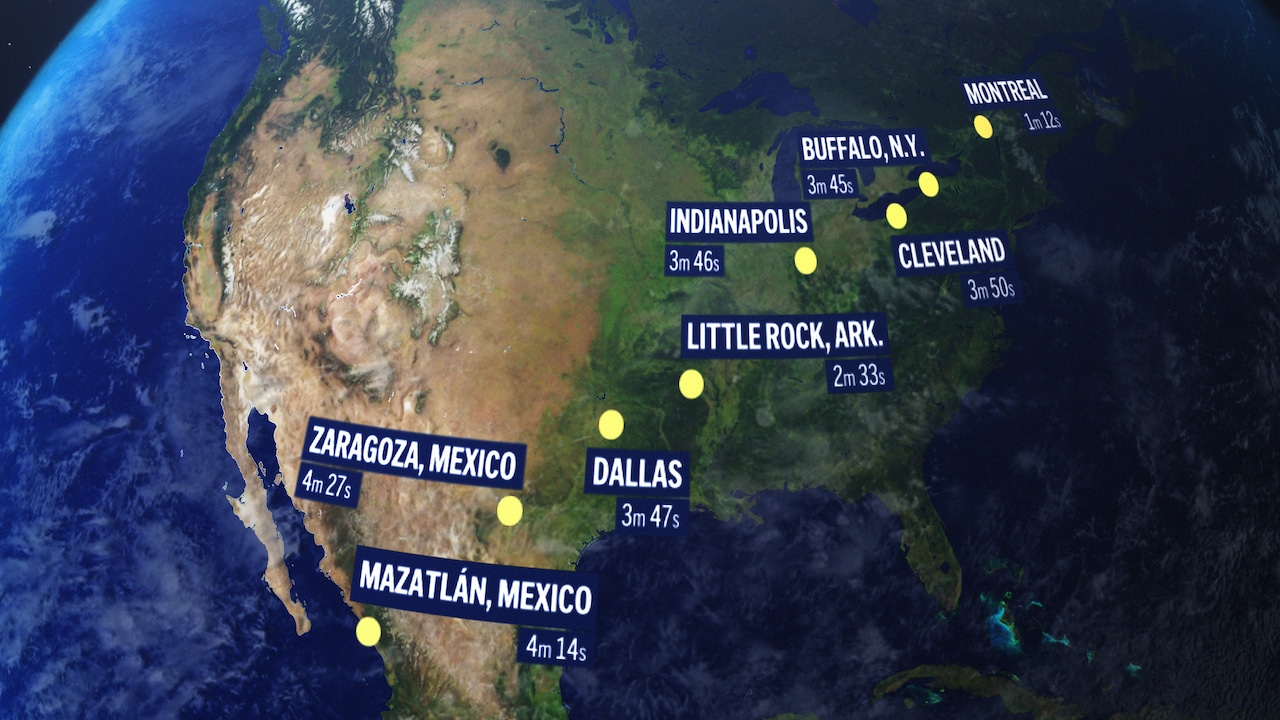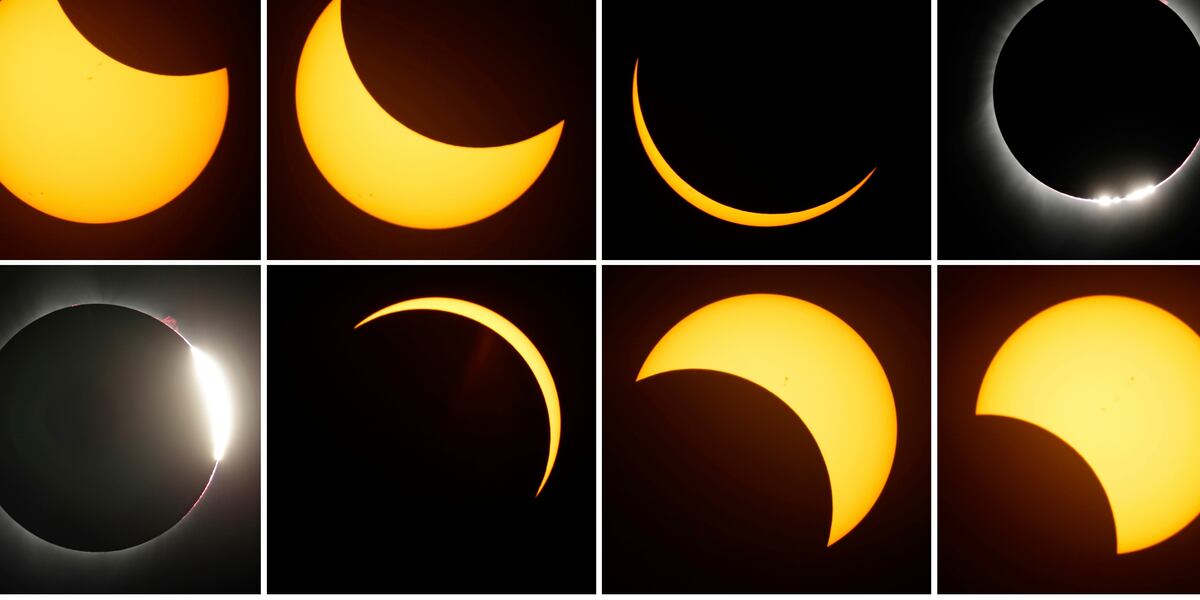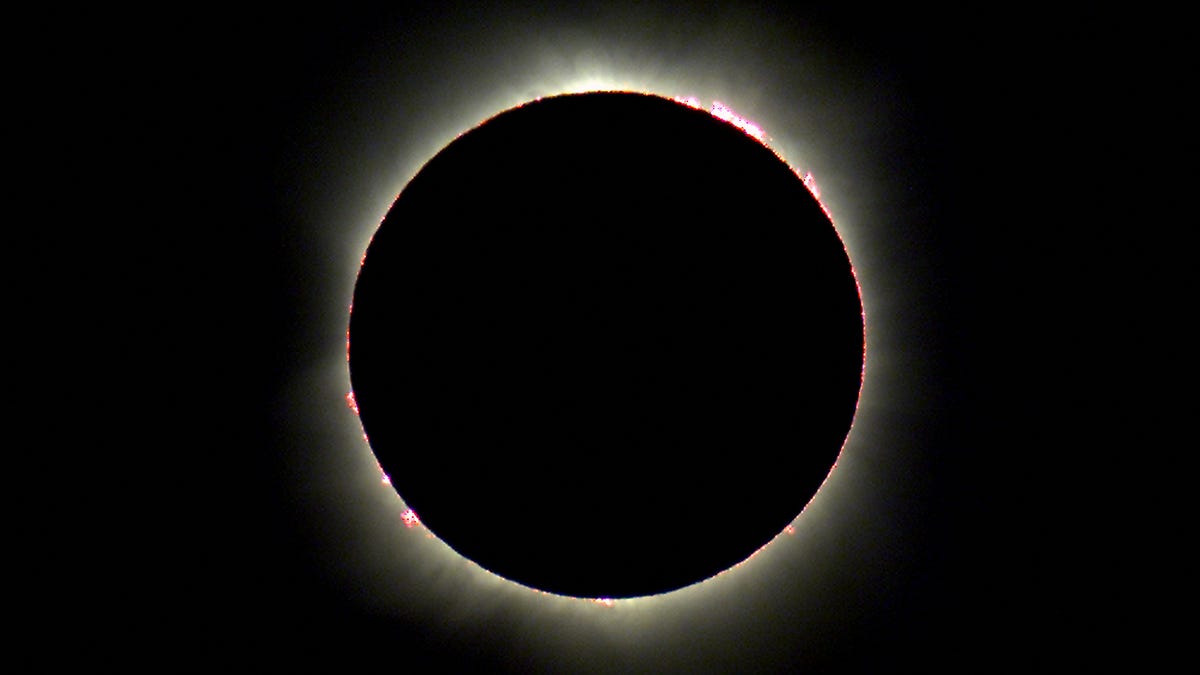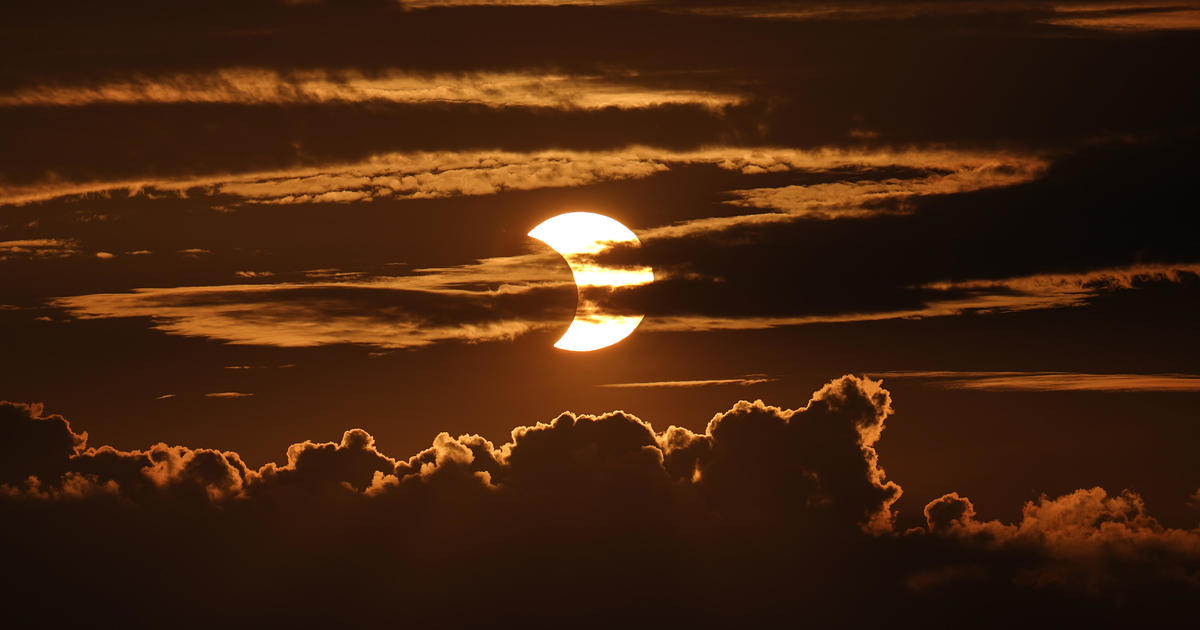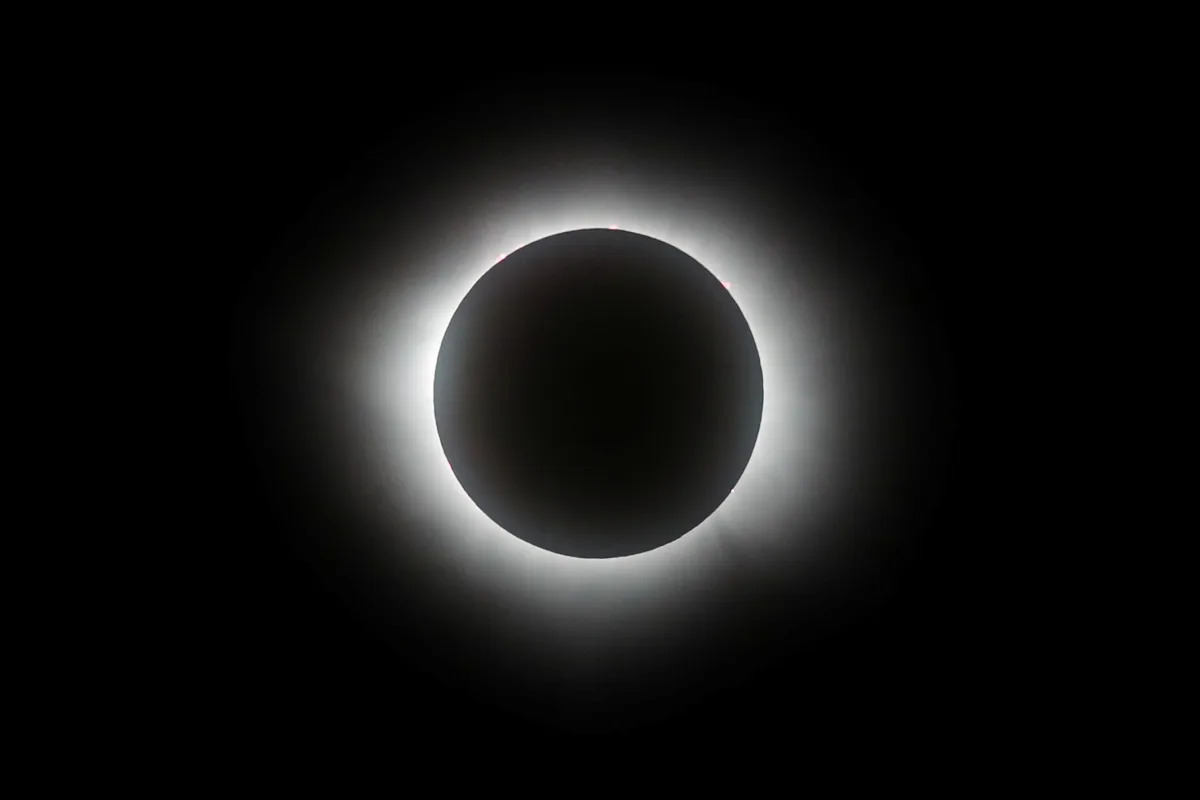
A total solar eclipse was visible in the United States, Mexico, and Canada, with the "path of totality" spanning over 100 miles. The eclipse was seen in 15 U.S. states, with students, airline passengers, and wedding participants observing the event. Cloud cover disappointed some viewers, but others captured stunning images and videos of the celestial phenomenon. NASA and medical experts emphasized the importance of wearing proper eye protection while viewing the eclipse, as looking at the sun without it could cause serious vision complications. The next total solar eclipse in the U.S. will occur in Alaska on March 30, 2033.
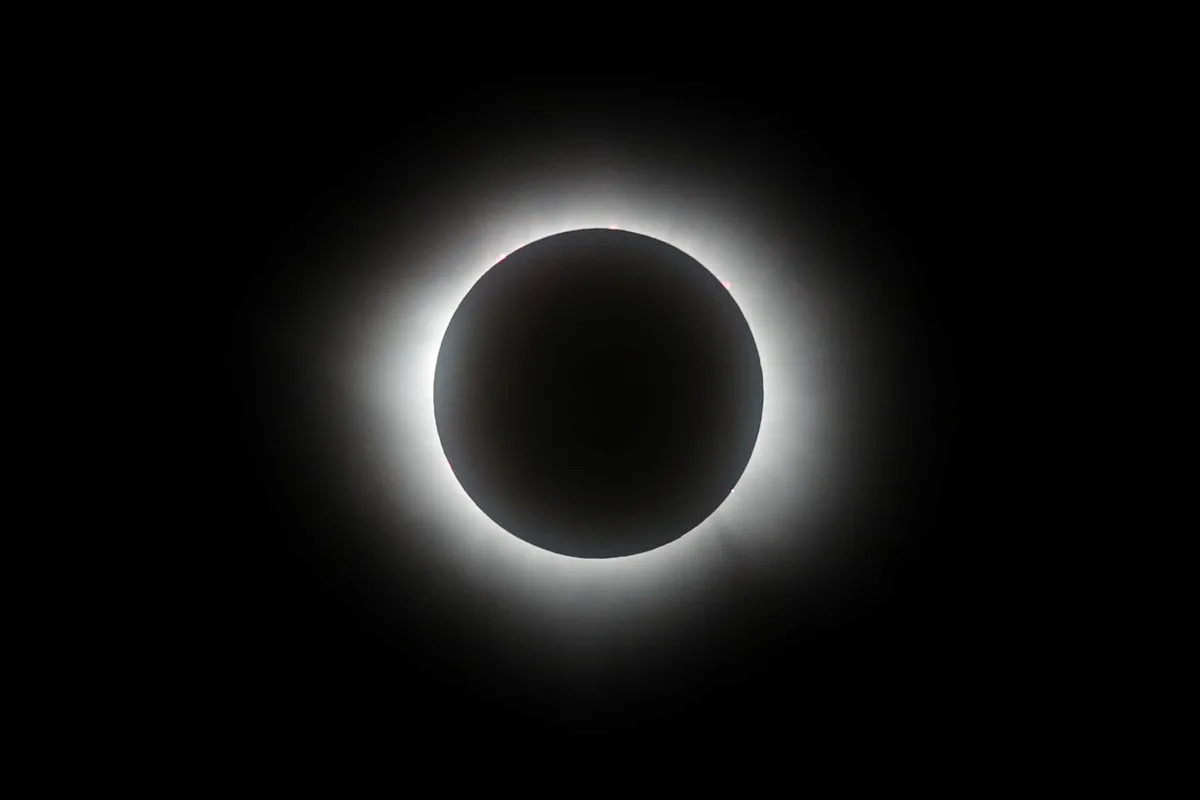
A total solar eclipse was visible in the United States, Mexico, and Canada, with the "path of totality" spanning over 100 miles across the continent. The eclipse was seen in 15 U.S. states, with students, airline passengers, and wedding participants among those observing the event. Cloud cover disappointed some viewers, while others enjoyed the celestial show safely with proper eye protection. The next total solar eclipse in the U.S. will occur in Alaska on March 30, 2033, with the next one in the Lower 48 not until Aug. 22, 2044.
On April 8, 2024, a total solar eclipse will be visible in 15 states along its path of totality, including Massachusetts. The eclipse will start at different times across the state, with Boston seeing it begin at 2:16 p.m., Worcester at 2:15 p.m., and Springfield at 2:13 p.m. At its peak time, the moon will cover between 92.4% and 93.4% of the sun in these locations. NASA has published a tool for people to check the eclipse's details by city or ZIP code.
A total solar eclipse will cross North America today, with areas south and east of Los Angeles expected to see about 50% obscuration, while much of the rest of the state will see around 25%. The best spot to see the most coverage in California is likely near Holtville in Imperial County, where nearly 59% obscuration is predicted, reaching a maximum effect around 11:14 a.m. PST. San Diego will see 53.8% coverage around 11:11 a.m. PST, while Los Angeles is expected to see 48.6% obscuration around 11:12 a.m. Several watch parties will be held in the Los Angeles area to celebrate the rare phenomenon.
The total solar eclipse moved across the United States, with millions of people witnessing daylight turn to twilight as the moon blocked out the sun. Livestream coverage was available online, including from Local News Live and NASA, offering telescope views of the sun and appearances by scientists and astronauts. Eclipse glasses were necessary for safe viewing, and small rockets were launched from Virginia to study the ionosphere during the eclipse. Associated Press journalists provided live coverage of watch parties and festivities along the path of totality, while the Exploratorium museum and the University of Maine conducted live experiments and broadcasts.
Columbus is set to experience a partial solar eclipse lasting 2 hours and 38 minutes, with the moon obscuring approximately 99.4% of the sun. The National Weather Service forecasts mostly sunny skies with warm temperatures near 73°F, but there is uncertainty due to a weather system. Cloud coverage may affect visibility, and the eclipse is expected to begin around 1:55 p.m., peak at 3:12 p.m., and end by 4:26 p.m. The total eclipse will pass over several states, including Ohio, with varying start and duration times for different cities along its path.
North Carolina is gearing up for the solar eclipse on April 8, 2024, with the Piedmont Triad expecting about 82-83% coverage peaking at 3:14 p.m. Various eclipse viewing parties and events are planned across the state, and businesses like Warby Parker and Smoothie King are offering eclipse glasses. Schools in some areas will release students early for the event. While North Carolina will only experience a partial eclipse, the path of totality runs through several states, including Tennessee, with the closest city being Bessie. The next total solar eclipse in the Piedmont Triad is not expected until 2078.
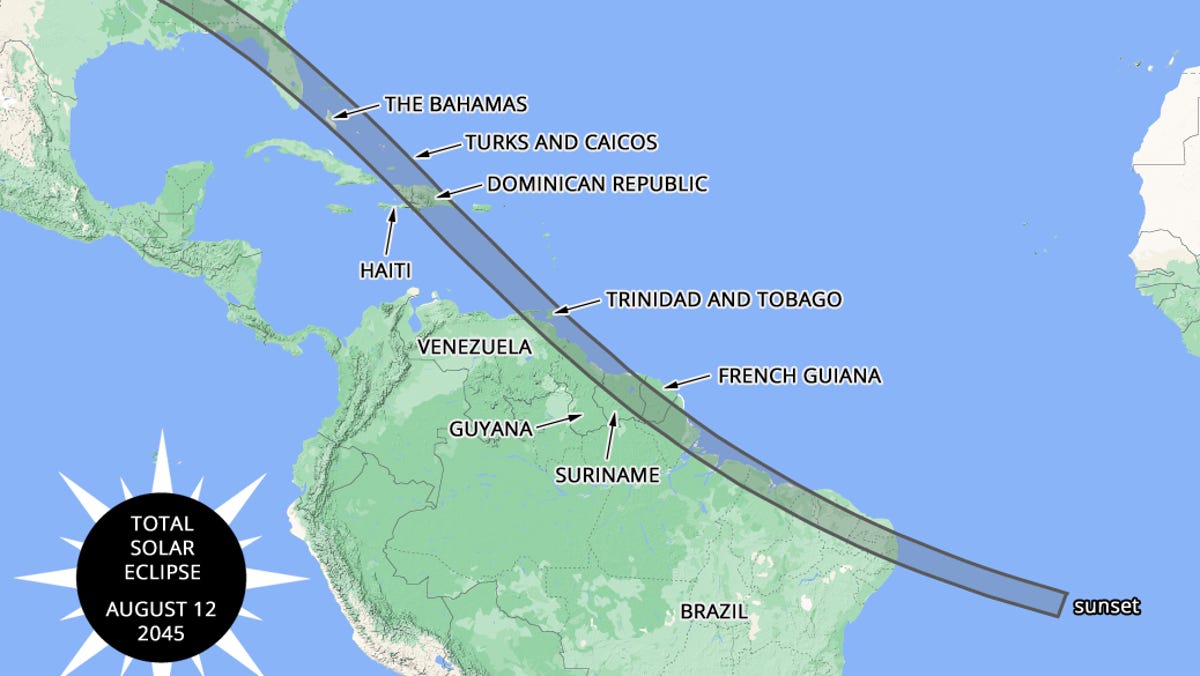
The next total solar eclipse visible from the contiguous U.S. after the 2024 eclipse will be on August 23, 2044, but it will only touch three states. Another eclipse is expected on August 12, 2045, with a path of totality over several states. A total solar eclipse occurs when the moon passes between the Earth and the sun, creating a rare spectacle that offers a glimpse of the sun's corona. The 2024 eclipse will cross 13 states from Texas to Maine, while the 2044 eclipse will only touch three states and the 2045 eclipse will have a more robust path across the U.S.
Despite rainy conditions on Sunday, the National Weather Service predicts mostly clear skies for Monday's solar eclipse in the Chicago area, with little to no cloud cover expected to obstruct the view. While Chicago will experience about 94% eclipse coverage, parts of southern Illinois and central Indiana will be in the path of totality. Forecasts for southern Illinois indicate high-level cloud cover, which is not expected to significantly impede visibility. Additionally, experts anticipate low solar activity and a low chance of a coronal mass ejection during the eclipse.
On Monday, a total solar eclipse will be visible across North America, with a path cutting through Mexico, 15 U.S. states, and a part of eastern Canada. Viewers outside the path of totality can witness a partial solar eclipse or watch a NASA livestream. Safety precautions, such as using eclipse glasses or pinhole projectors, are necessary to avoid eye damage. The next total solar eclipse visible from North America will be in 2033, with the next coast-to-coast eclipse occurring in 2045.
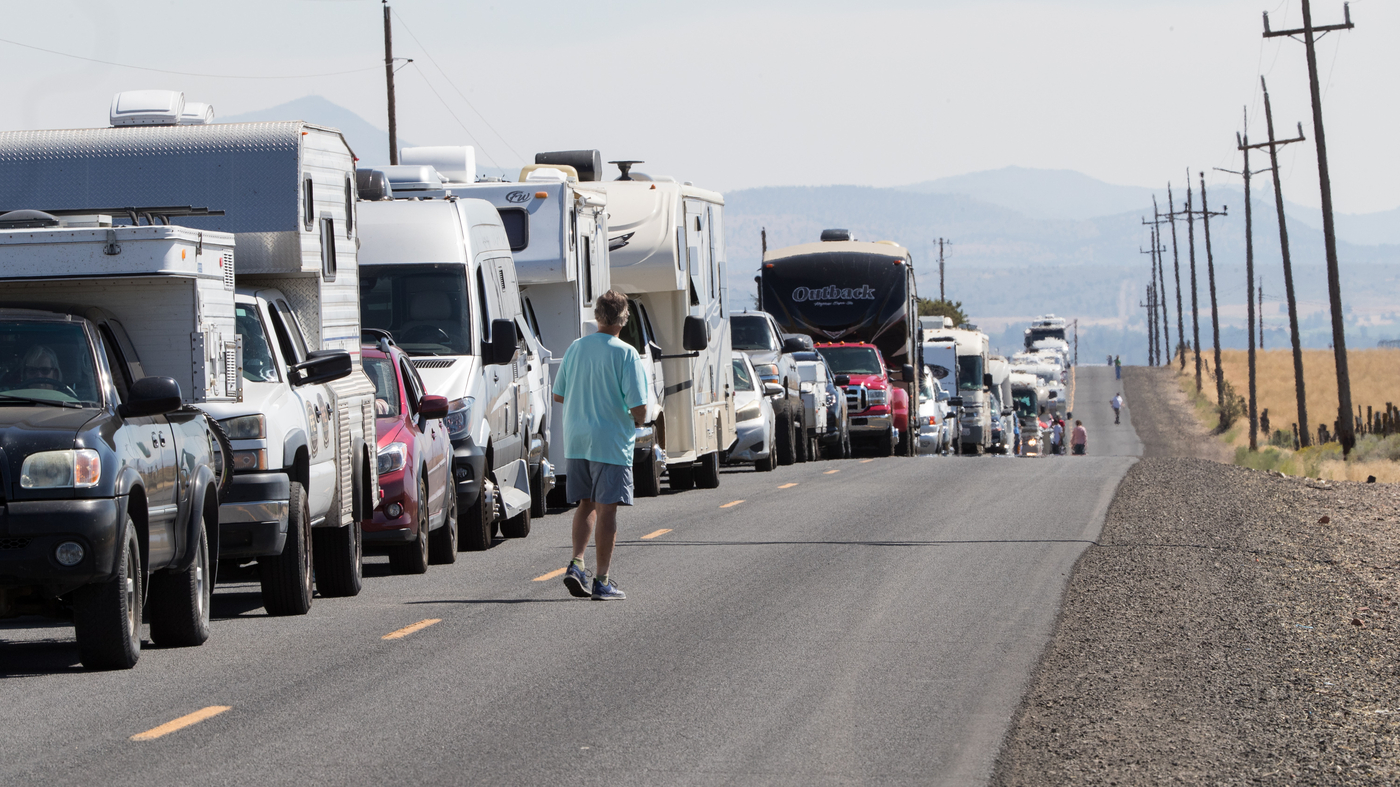
With the upcoming total solar eclipse on April 8, experts advise potential eclipse watchers to plan ahead by checking weather and cloud cover forecasts, ensuring their vehicles are prepared, and bringing necessary supplies such as eclipse glasses, snacks, and water. Arriving early and staying late at chosen viewing locations can help avoid heavy traffic, while those already within the path of totality are encouraged to relax and enjoy the event. If on the edge of the path, considering a short trip to a more central location may provide a longer and more complete viewing experience.
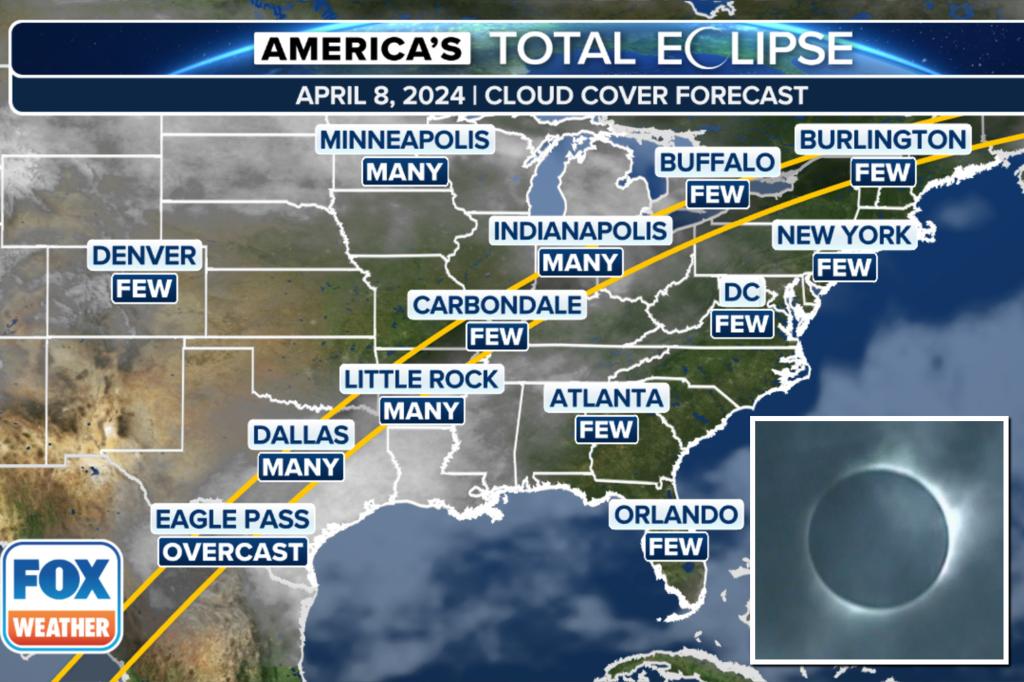
Central Indiana is expected to have clear skies for next week's total solar eclipse, providing a full view of the event. The National Weather Service projects clear skies in the path of totality from Missouri into central Indiana, as well as in northern New England and upstate New York. However, cloud cover may impede viewing in Ohio, northwest Pennsylvania, Texas, and southern Arkansas, with updated forecasts to be provided on Thursday.
The total solar eclipse is just one week away, with millions expected to travel to see it. The latest weather forecast indicates a grim outlook for Texas and other Southern areas, with high probability of cloud cover. The best chances for clear conditions are in New England and upstate New York. Ways to watch the eclipse include in person, outside the path of totality, or via livestream. The eclipse will begin in Texas at 1:27 p.m. CDT and end in Maine at 3:35 p.m. EDT, with varying times for totality in different cities. Clouds may impact the viewing experience, but the type of clouds can determine the extent of obstruction.
Forecasts for the upcoming total solar eclipse on April 8th indicate varying probabilities of cloud coverage across different regions of the U.S., with the Northeast and New England showing an improving outlook for clearer skies. The eclipse will be visible across parts of Mexico, Canada, and the U.S., and the last time a total solar eclipse will pass over a large part of the U.S. until 2044. Cloud cover forecasts suggest that areas along the path of totality, such as New York and Maine, may experience greater visibility compared to Texas or Ohio. While the details will become clearer closer to the event, it's important to note that even if it's cloudy, some of the eclipse may still be visible.
Americans gearing up for the April 8 total solar eclipse may have to dodge clouds due to historical weather patterns, with the likelihood of experiencing a cloud-free sky at this time of year being closer to the exception than the rule. The path of totality, stretching roughly 2,500 miles from the Texas border to northeastern Maine, presents varying odds for clear viewing, with areas in Texas, Oklahoma, Arkansas, Missouri, Illinois, Indiana, Great Lakes, Pennsylvania, and New England facing different challenges. While the weather may impact visibility, the 2045 total solar eclipse offers another chance for viewing.