Tag

Eclipse Safety

All articles tagged with #eclipse safety

"Repurposing Your Solar Eclipse Glasses: What to Do Now"

Originally Published 1 year ago — by KERA News

Featured image for "Repurposing Your Solar Eclipse Glasses: What to Do Now"
Source: KERA News

If you're wondering what to do with your solar eclipse glasses now that the event has passed, consider donating them to Astronomers Without Borders, a nonprofit organization collecting glasses to distribute around the world for future eclipses. Most glasses shouldn't be used if they're more than three years old, and it will be decades before another eclipse in the U.S. Donating your glasses could give them another life and help others safely experience the next eclipse.
"Capturing the Total Solar Eclipse: Live Photos, Videos, and Reactions"

Originally Published 1 year ago — by Yahoo! Voices

Featured image for "Capturing the Total Solar Eclipse: Live Photos, Videos, and Reactions"
Source: Yahoo! Voices

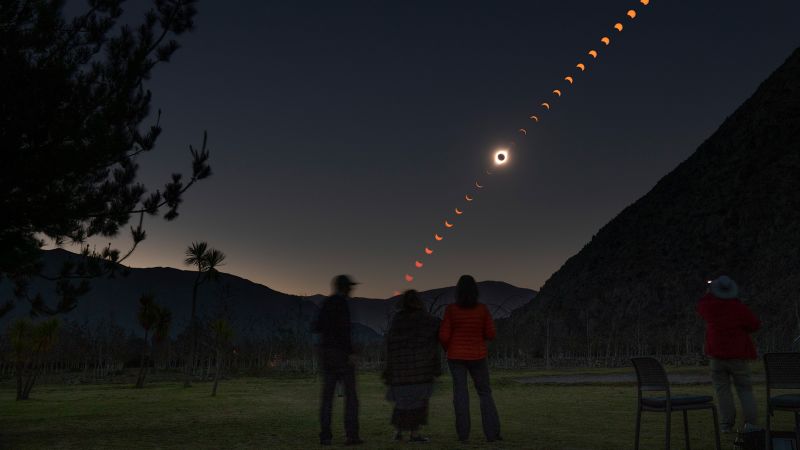
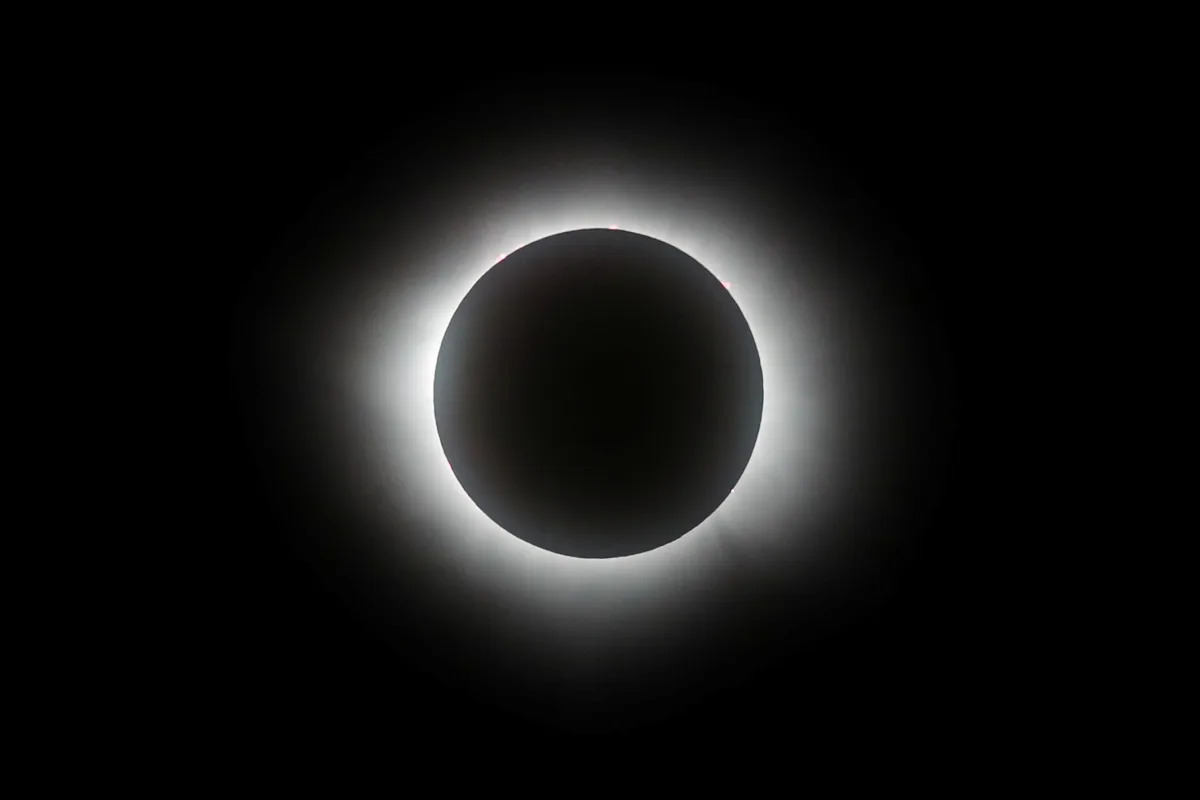
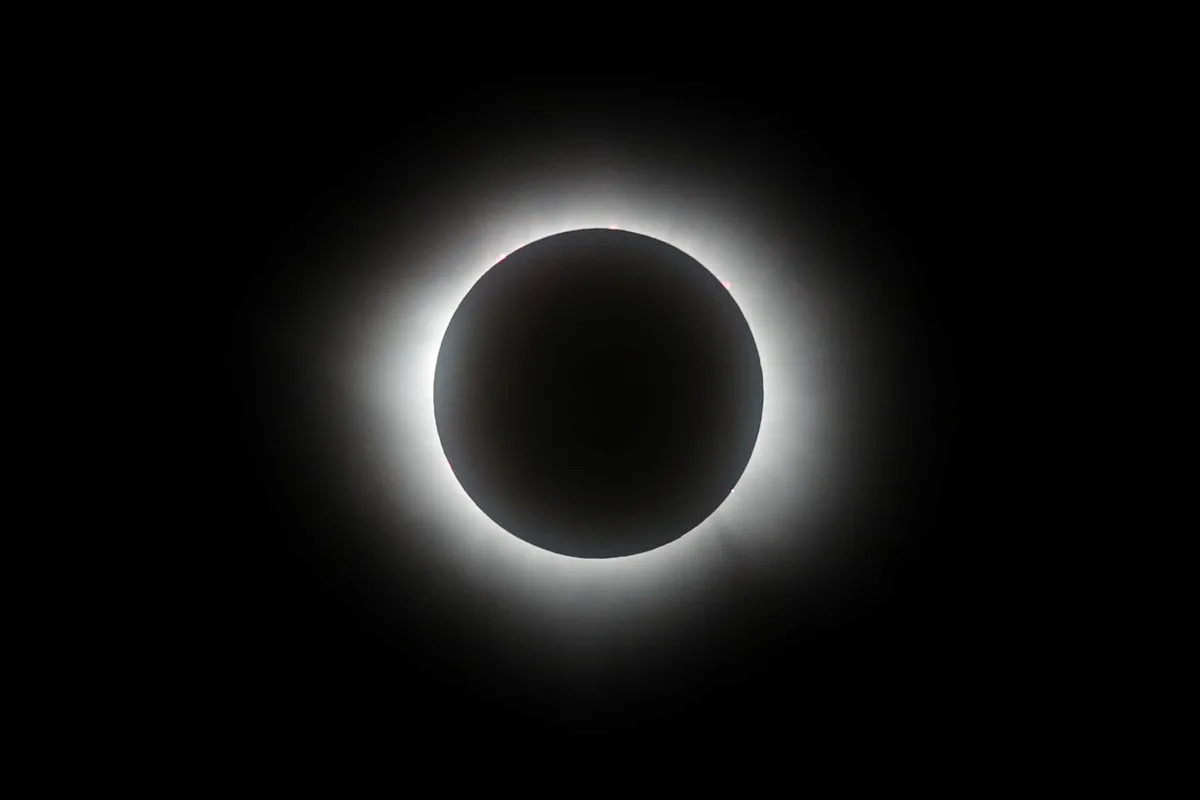
A total solar eclipse was visible in the United States, Mexico, and Canada, with the "path of totality" spanning over 100 miles. The eclipse was seen in 15 U.S. states, with students, airline passengers, and wedding participants observing the event. Cloud cover disappointed some viewers, but others captured stunning images and videos of the celestial phenomenon. NASA and medical experts emphasized the importance of wearing proper eye protection while viewing the eclipse, as looking at the sun without it could cause serious vision complications. The next total solar eclipse in the U.S. will occur in Alaska on March 30, 2033.

"2024 Solar Eclipse: Live Updates, NASA's Stream, and Path of Totality Cloud Cover"

Originally Published 1 year ago — by Yahoo! Voices

Featured image for "2024 Solar Eclipse: Live Updates, NASA's Stream, and Path of Totality Cloud Cover"
Source: Yahoo! Voices

A total solar eclipse was visible in the United States, Mexico, and Canada, with the "path of totality" spanning over 100 miles across the continent. The eclipse was seen in 15 U.S. states, with students, airline passengers, and wedding participants among those observing the event. Cloud cover disappointed some viewers, while others enjoyed the celestial show safely with proper eye protection. The next total solar eclipse in the U.S. will occur in Alaska on March 30, 2033, with the next one in the Lower 48 not until Aug. 22, 2044.

"2024 Solar Eclipse: Viewing Guide and Updates Across the U.S."

Originally Published 1 year ago — by CNN

Featured image for "2024 Solar Eclipse: Viewing Guide and Updates Across the U.S."
Source: CNN

A total solar eclipse is currently visible in Mexico and southern Texas, with the path of totality sweeping across North America. An estimated 32 million people live within the path of totality, and optimal viewing conditions are expected in some areas. Spectators are advised to use certified eclipse glasses or solar viewers to safely watch the eclipse, as looking at the sun without proper eye protection can cause permanent damage. The eclipse will feature special phases such as Baily's beads and the diamond ring effect, and scientists are eager to study animal behavior and temperature changes during the event. After this eclipse, the next total solar eclipse visible from the contiguous US will occur on August 12, 2045.

"2024 Solar Eclipse: Live Updates, Viewing Times, and Weather Forecasts"

Originally Published 1 year ago — by Yahoo! Voices

Featured image for "2024 Solar Eclipse: Live Updates, Viewing Times, and Weather Forecasts"
Source: Yahoo! Voices

The total solar eclipse is set to occur today, with the path of totality spanning 15 U.S. states. Major league baseball games have been rescheduled to accommodate the event, and the eclipse's effects on temperature and animal behavior are anticipated. Cellphone carriers assure normal service during the eclipse, and tips for viewing and photographing the event safely have been provided. Travel warnings and weather forecasts for cities along the path of totality have also been issued.

"2024 Solar Eclipse: Live Updates, Viewing Times, and Weather Forecasts"

Originally Published 1 year ago — by Yahoo News

Featured image for "2024 Solar Eclipse: Live Updates, Viewing Times, and Weather Forecasts"
Source: Yahoo News

The total solar eclipse is set to occur today, with the path of totality spanning 15 states in the U.S. Major cellphone carriers assure that service will not be disrupted, and cloudy areas may still experience the eclipse's effects. Astrologer Maressa Brown discusses the eclipse's potential impact on zodiac signs, while tourists flock to Niagara Falls for the event. Weather forecasts and safety tips for eclipse viewing and photography are also provided, and the eclipse is expected to be visible in cities across the U.S., with northern New England and parts of Arkansas and Indiana having the best viewing conditions. This eclipse is anticipated to be more widely visible and longer-lasting than the 2017 eclipse.

"2024 Solar Eclipse: Viewing Guide for North and Central Texas"

Originally Published 1 year ago — by FOX 4 News Dallas-Fort Worth

Featured image for "2024 Solar Eclipse: Viewing Guide for North and Central Texas"
Source: FOX 4 News Dallas-Fort Worth

Today marks the Great North American Solar Eclipse, with an estimated 44 million people, including 12 million in Texas, within the path of totality. The eclipse will be visible across the U.S., with Dallas being the largest city in the path. Viewers can expect the moon to start covering the sun at 12:23 p.m. in Downtown Dallas, with complete coverage at 1:40 p.m. and the event ending at 3:02 p.m. Safety precautions, traffic conditions, and eclipse events are highlighted, along with tips for viewing, photographing, and enhancing the eclipse experience. Businesses are also offering food deals to celebrate the rare celestial event.

"Essential Tips for Safely Viewing and Photographing the 2024 Solar Eclipse"

Originally Published 1 year ago — by PCMag

Featured image for "Essential Tips for Safely Viewing and Photographing the 2024 Solar Eclipse"
Source: PCMag

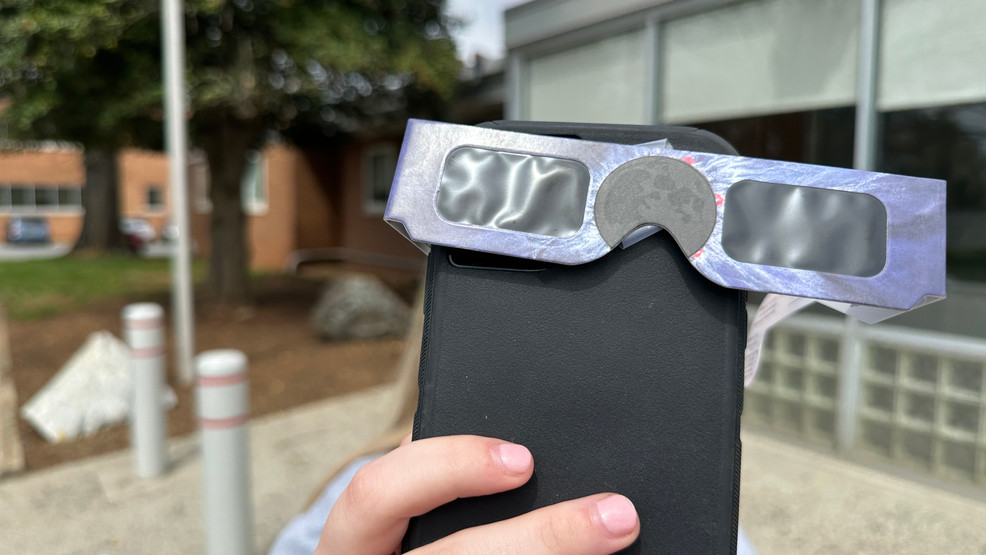
NASA warns against taking direct smartphone photos of the solar eclipse as it can damage the phone's sensor, especially when using magnifying lens attachments. Instead, they recommend using eclipse glasses in front of the phone's lenses or filtering the image through them. NASA also advises using a tripod, delayed shutter release time, and practicing with manual controls to capture the eclipse experience safely and effectively.

"2024 Solar Eclipse: Path, Peak Times, and Colorful Characters in Fredericksburg"

Originally Published 1 year ago — by CNN

Featured image for "2024 Solar Eclipse: Path, Peak Times, and Colorful Characters in Fredericksburg"
Source: CNN

On April 8, a total solar eclipse will be visible across Mexico, the US, and Canada, with millions set to witness the event. The eclipse will bring moments of darkness and unique sky phenomena, and viewers are advised to use proper eye protection. NASA has selected projects to study the eclipse's impact on Earth's atmosphere and capture unseen details of the sun's corona.

"2024 Solar Eclipse: Viewing Times, Path of Totality, and Safety Tips"

Originally Published 1 year ago — by NBC News

Featured image for "2024 Solar Eclipse: Viewing Times, Path of Totality, and Safety Tips"
Source: NBC News

On Monday, a total solar eclipse will be visible across North America, with a path cutting through Mexico, 15 U.S. states, and a part of eastern Canada. Viewers outside the path of totality can witness a partial solar eclipse or watch a NASA livestream. Safety precautions, such as using eclipse glasses or pinhole projectors, are necessary to avoid eye damage. The next total solar eclipse visible from North America will be in 2033, with the next coast-to-coast eclipse occurring in 2045.

"Enhance Your Solar Eclipse Viewing with Red and Green: Fashion Tips for 2024"

Originally Published 1 year ago — by NPR

Featured image for "Enhance Your Solar Eclipse Viewing with Red and Green: Fashion Tips for 2024"
Source: NPR

On Monday, a total solar eclipse will be visible across the United States, with the path of totality stretching from Mexico to Maine. It will be the last total solar eclipse in the continental U.S. for about 20 years. Viewers are advised to use proper eye protection, such as eclipse glasses, and to be mindful of safety when documenting the event. NPR will provide highlights throughout the day for those unable to witness it in real time.

"Ensuring Safety: The Risks of Fake Eclipse Glasses and How They're Made"

Originally Published 1 year ago — by Scientific American

Featured image for "Ensuring Safety: The Risks of Fake Eclipse Glasses and How They're Made"
Source: Scientific American

With the upcoming total solar eclipse on April 8, 2024, concerns have arisen about the authenticity of solar eclipse glasses. The American Astronomical Society (AAS) has warned about the presence of fake or counterfeit glasses in the market. To ensure safety, it's important to check for the ISO 12312-2:2015 designation and cross-reference with the AAS list of legitimate solar viewers. Additionally, a three-part test can be conducted at home to verify the glasses' safety. It's crucial to protect the eyes from unsafe levels of solar radiation and to avoid looking at the sun without proper eye protection.

"Smartphone Viewing and Safety Tips for the 2024 Solar Eclipse"

Originally Published 1 year ago — by WSET

Featured image for "Smartphone Viewing and Safety Tips for the 2024 Solar Eclipse"
Source: WSET

NASA/JPL Solar System Ambassador Trish Cerulli shared tips on safely viewing and capturing the upcoming solar eclipse using a smartphone, emphasizing the importance of using ISO-compliant solar viewing glasses or filters to protect the phone's camera. She recommended securing the glasses over the phone's camera and avoiding direct exposure to the sun without protection. Cerulli also mentioned the availability of clip-on filters and tripods for smartphone cameras, highlighting the excitement of observing the eclipse amidst an active solar cycle.

"Capturing and Viewing the Total Solar Eclipse: Essential Tips and Strategies"

Originally Published 1 year ago — by CNN

Featured image for "Capturing and Viewing the Total Solar Eclipse: Essential Tips and Strategies"
Source: CNN

Photographer Stan Honda shares tips for capturing the upcoming total solar eclipse, advising the use of a sturdy tripod and remote shutter release for any camera. He recommends using a safe solar filter during partial phases and adjusting exposure settings for the corona. Honda suggests taking wide-angle shots to capture the eclipse in its setting and using a telephoto lens for close-ups of the celestial event. For those using smartphones, he recommends leaving the camera on automatic settings and prioritizing the experience of witnessing the eclipse firsthand.

"Top 5 Mistakes to Avoid During the April 8, 2024 Solar Eclipse"

Originally Published 1 year ago — by Big Think

Featured image for "Top 5 Mistakes to Avoid During the April 8, 2024 Solar Eclipse"
Source: Big Think

On April 8, 2024, a total solar eclipse will be visible across North America, offering a brief but spectacular experience. To make the most of it, avoid spending too much time on photography, remove eclipse glasses during totality, cease telescope viewing before totality ends, engage all senses to fully experience the event, and appreciate the diverse aspects of the eclipse beyond just the sight of the eclipsed Sun.