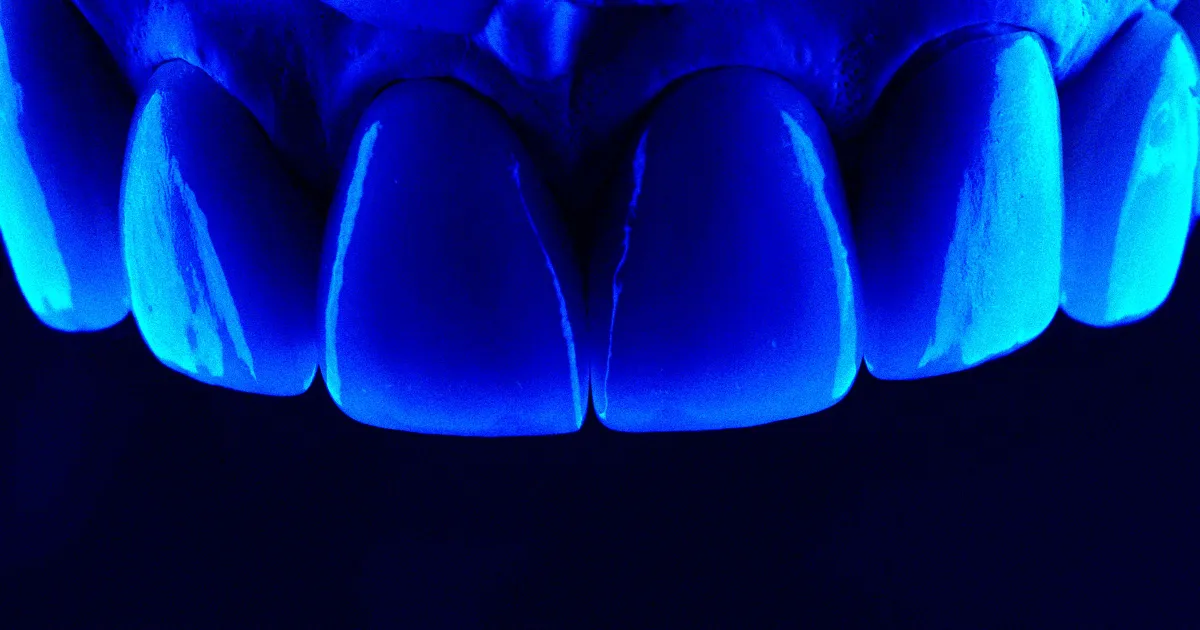
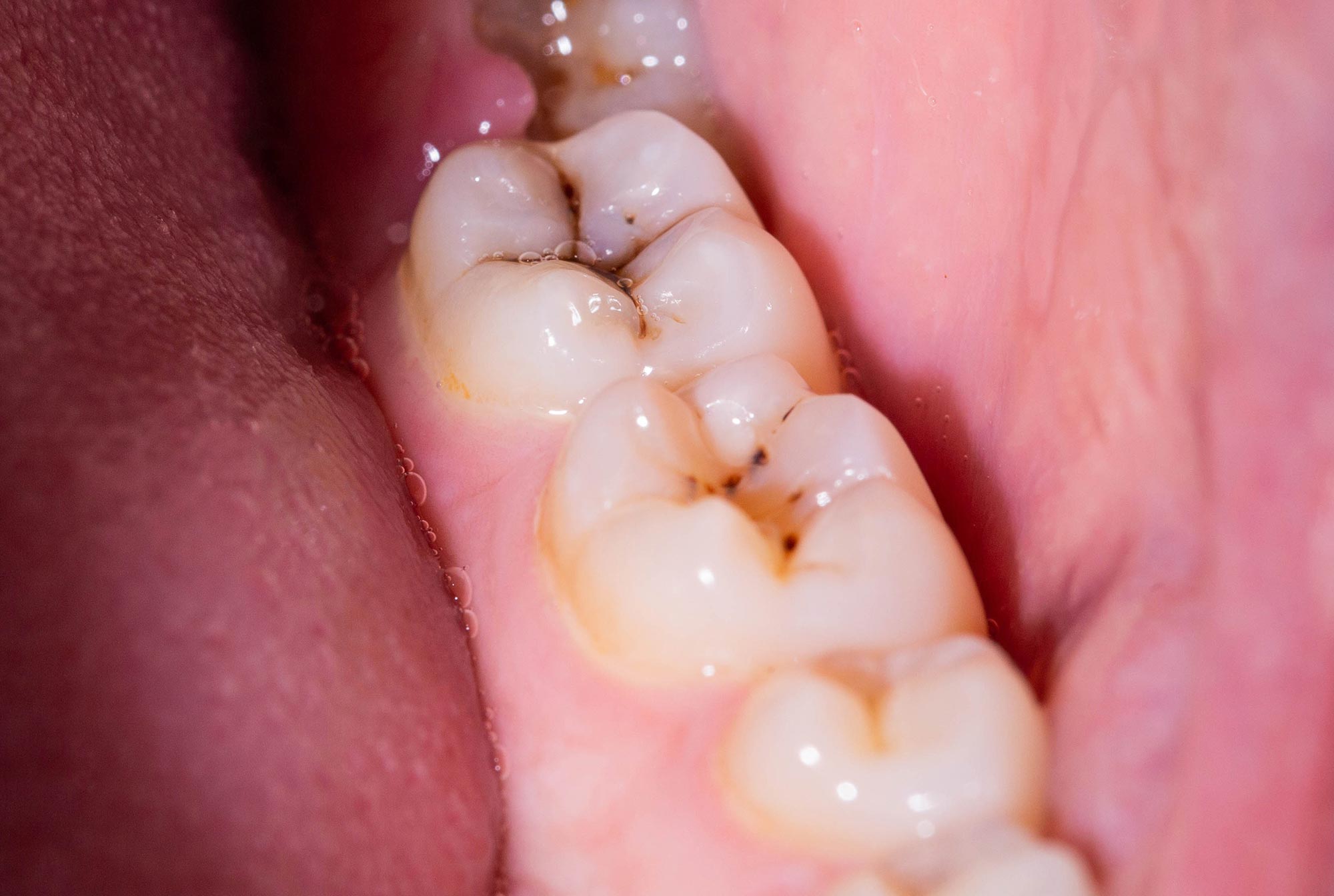
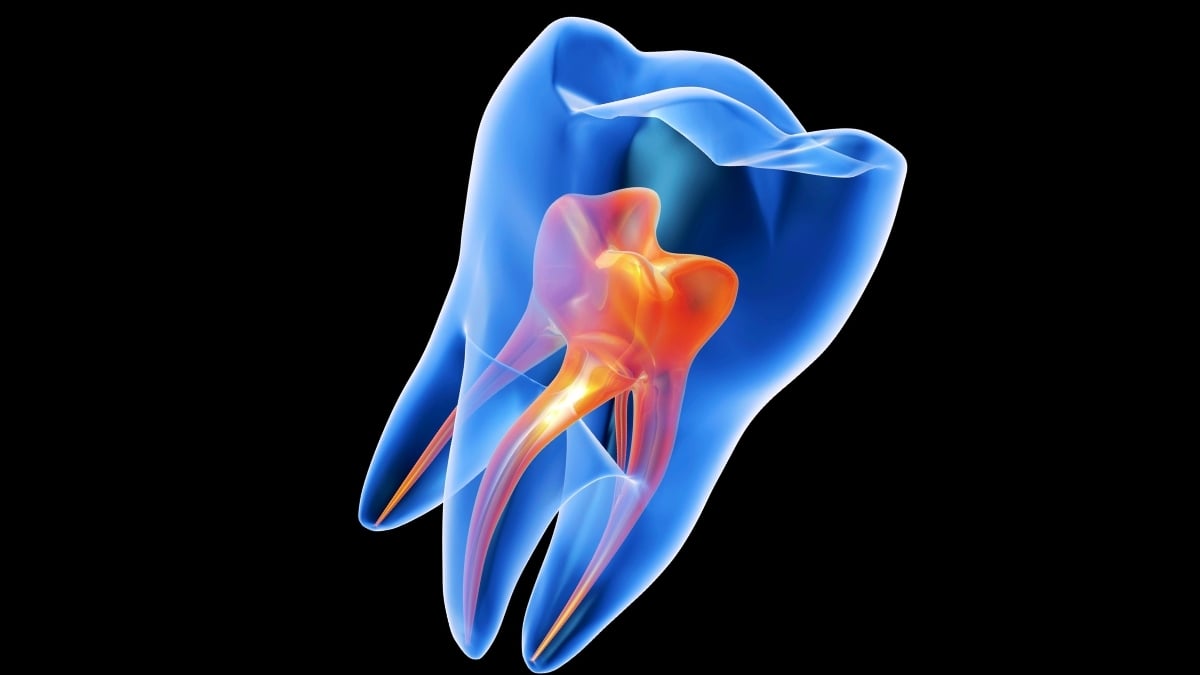
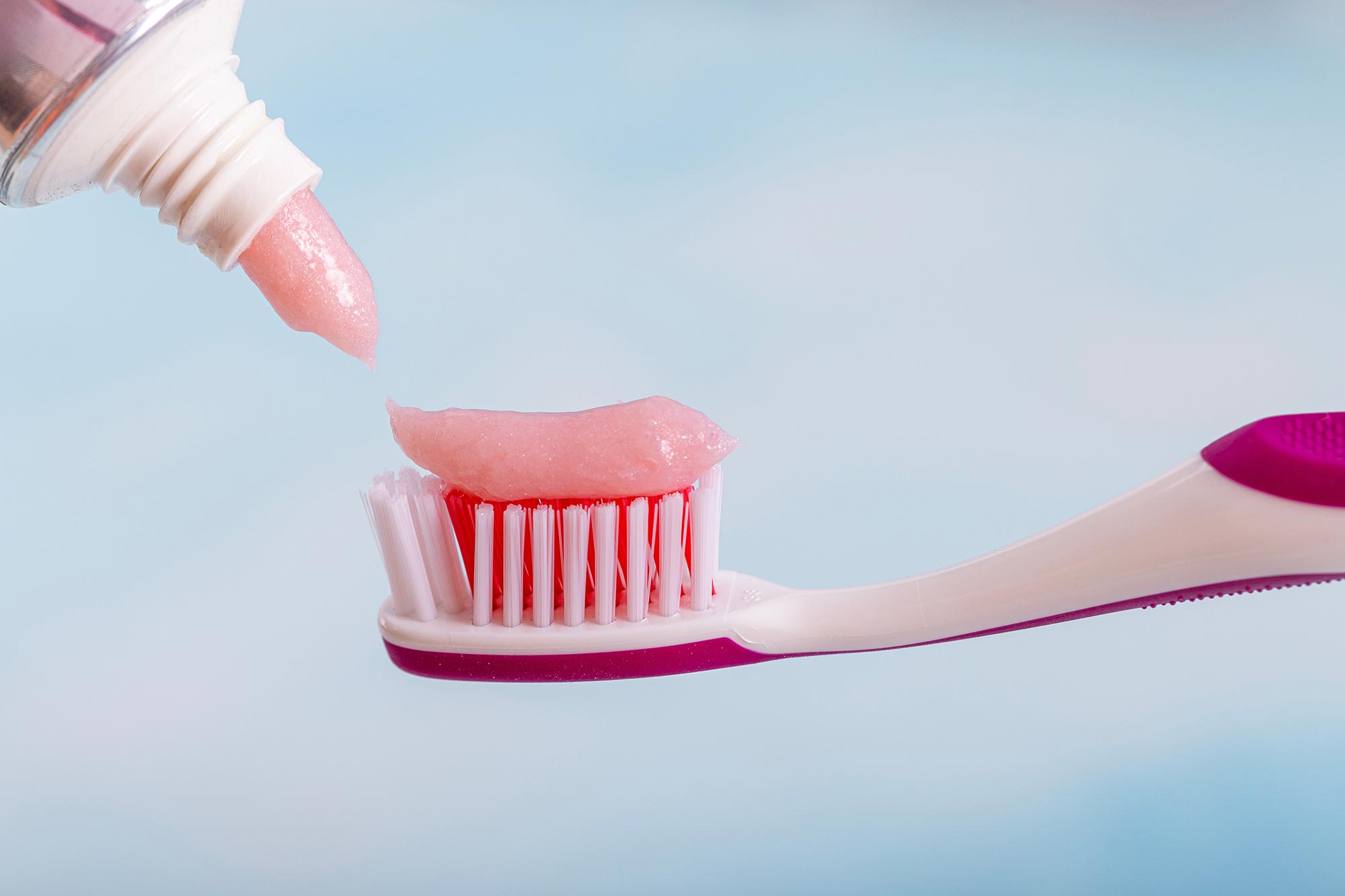
Researchers at the University of Nottingham have developed a protein-based gel that can potentially regrow tooth enamel by encouraging mineral growth, showing promising results in lab tests on extracted human teeth, with plans for clinical trials soon, offering a revolutionary approach to dental care.
Researchers from King's College London have developed a keratin-based toothpaste that can rebuild and protect tooth enamel, offering a sustainable and natural alternative to traditional dental treatments, with potential availability within a few years.
Scientists at the University of Nottingham have developed a protein-based gel that can restore and strengthen tooth enamel by mimicking natural growth processes, potentially revolutionizing dental care and addressing enamel loss and sensitivity.
Researchers at the University of Nottingham have developed a gel that can repair and regrow tooth enamel, mimicking natural enamel formation and potentially simplifying dental treatments. The gel promotes organized crystal growth on damaged teeth, restoring strength and structure, and could lead to easier, more effective dental care in the future. However, further testing in humans is needed to ensure safety.
Researchers from King's College London have developed a keratin-based toothpaste derived from human hair that can naturally rebuild and protect tooth enamel, offering a sustainable and effective alternative to traditional dental treatments, with potential availability within two to three years.
Scientists at the University of Nottingham have developed a protein-based gel that can help repair and regenerate tooth enamel, potentially transforming dental treatments and addressing widespread enamel degradation issues. The gel mimics natural enamel development and could be available for clinical use soon.
Research shows that microscopic plant stones called phytoliths, found in vegetables, can cause permanent damage to tooth enamel over time, especially through a mechanism of quasi-plastic deformation, highlighting potential dental health risks from plant-based diets.
Lemon water has gained popularity on social media for its alleged health benefits, including weight loss, improved skin, digestion, and pH balance. While lemon water does provide vitamin C and can enhance hydration, experts caution against excessive consumption due to its acidity, which can damage tooth enamel and worsen gastrointestinal issues. Drinking a glass of lemon water once or twice daily is generally safe, but it's important to be mindful of individual health conditions. Additionally, experts advise against blending and consuming pulverized lemon skin, as it contains natural plant pesticides that can cause inflammation and kidney problems for some individuals. Overall, lemon water can be part of a healthy diet, but moderation is key.
Lemon water is believed to have health benefits such as promoting weight loss, improving gut health, and enhancing skin health due to its vitamin C content. However, experts caution against drinking excessive amounts of lemon water as its acidity can wear away tooth enamel and worsen gastrointestinal issues. While lemon water can be enjoyed in moderation and can be a flavorful alternative to sugary beverages, it is important to be mindful of potential dental and digestive concerns. Adding other herbs or fruits to water can provide variety and additional health benefits.
Lemon water has gained popularity on social media for its potential health benefits, including boosting immunity, aiding digestion, promoting weight loss, and improving skin. While lemon water does offer vitamin C and can enhance hydration, experts caution against excessive consumption due to its acidity, which can wear away tooth enamel and worsen gastrointestinal issues. It is recommended to drink lemon water in moderation and consider alternatives like adding fresh herbs or brewing tea for flavor. Blending and consuming pulverized lemon skin should be avoided due to potential inflammation and kidney problems. Overall, lemon water can be a part of a healthy diet when consumed responsibly.
Researchers led by the University of Southampton analyzed chemical properties in tooth enamel to reconstruct the hunting habits and diets of Neanderthals and other prehistoric humans living in western Europe nearly 100,000 years ago. The study revealed that Neanderthals in the region hunted fairly large animals across vast expanses of land, while humans inhabiting the same area tens of thousands of years later relied on smaller creatures within a territory half the size. The team employed a technique that lasers samples of enamel and measures thousands of individual strontium isotope readings along the growth of a tooth crown.