Research shows that microscopic plant stones called phytoliths, found in vegetables, can cause permanent damage to tooth enamel over time, especially through a mechanism of quasi-plastic deformation, highlighting potential dental health risks from plant-based diets.
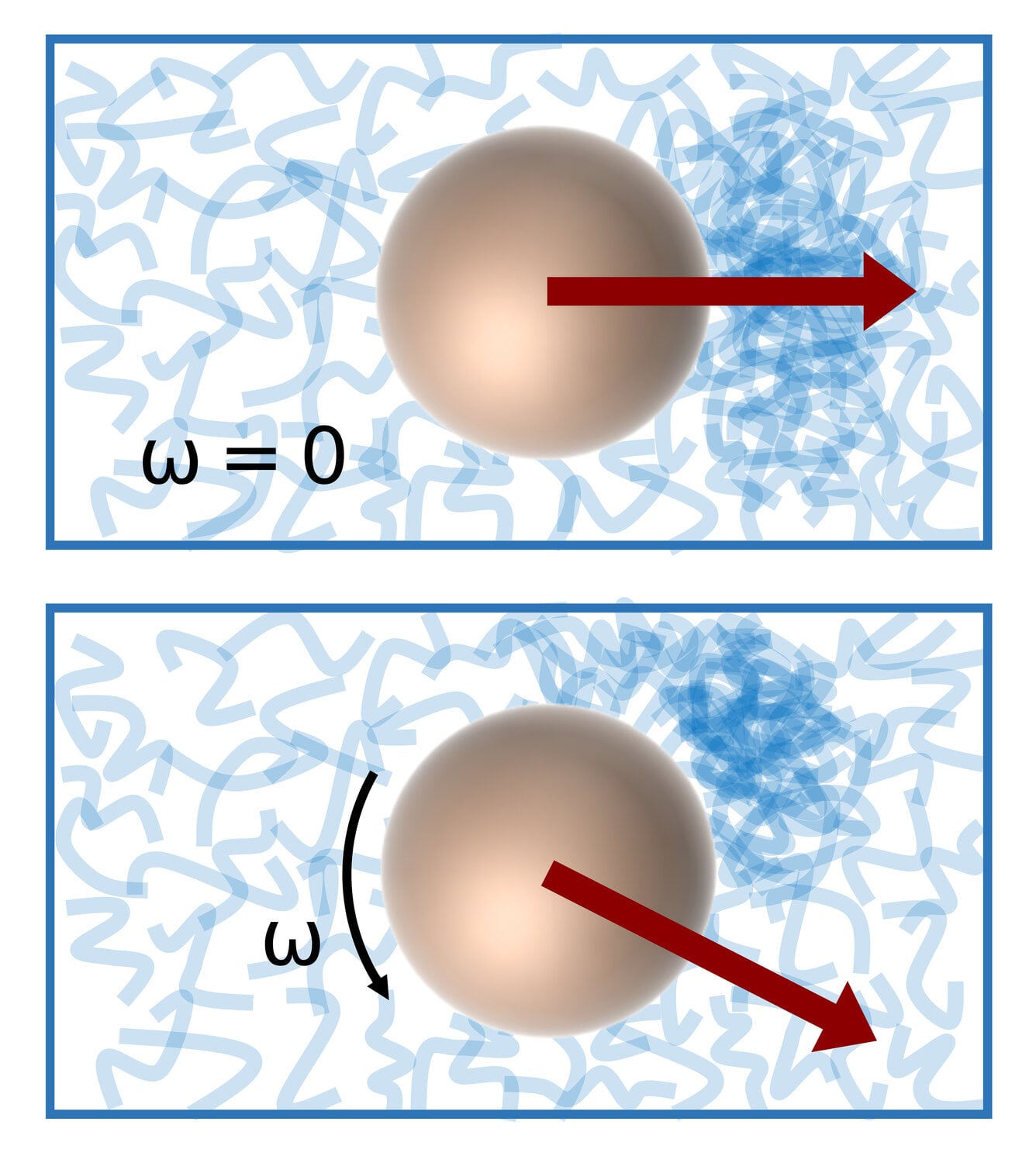
Physicists have discovered that the Magnus effect, which causes spinning objects to deviate from their expected trajectory, also exists at a microscopic level. Researchers at the University of Konstanz observed a significant Magnus effect in miniature magnetic glass spheres rotating in a viscoelastic fluid. This unexpected finding could have applications in developing mechanisms to control microscopic particles and potentially in the creation of mini-robots for targeted movement within the body. The University of Göttingen team explained the science behind the effect, attributing it to the delay in the viscoelastic fluid's response to the rotating sphere.