Tohoku University researchers have developed a theoretical model for energy-efficient, nanoscale computing using spin wave reservoir computing and spintronics technology, paving the way for advanced neuromorphic devices with high-speed operations and applications in fields like weather forecasting and speech recognition. The innovation, detailed in npj Spintronics, harnesses the unique properties of spintronics technology to potentially usher in a new era of intelligent computing, bringing us closer to realizing a physical device for practical use in various applications.

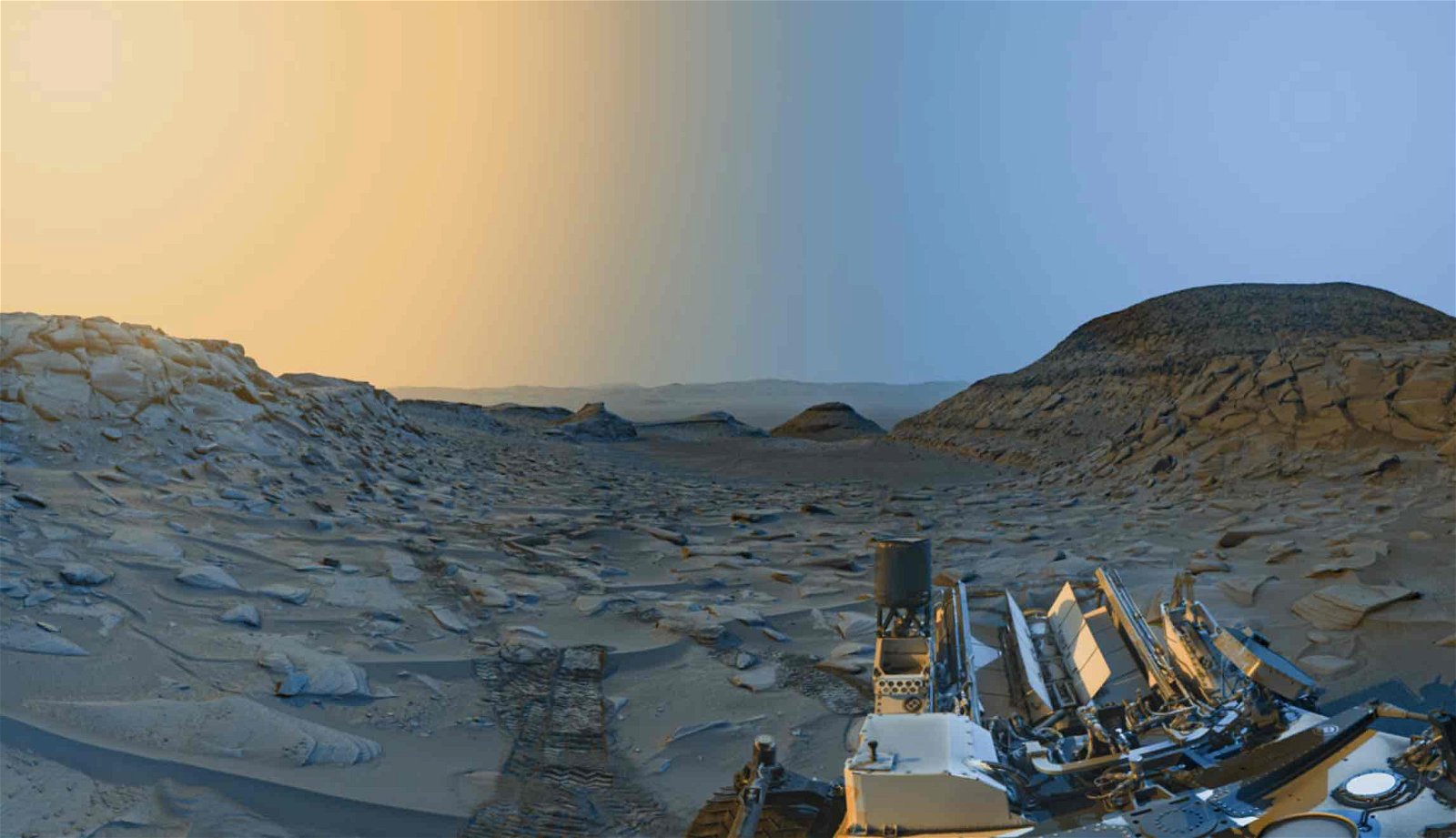
Researchers from Tohoku University propose that organic materials on Mars might have originated from atmospheric formaldehyde, suggesting the planet’s early atmosphere could support the formation of life-essential biomolecules. New findings indicate Mars’ ancient atmosphere, rich in formaldehyde, could have supported the creation of organic materials essential for life, shedding light on the planet’s potential for past habitability. Scientists simulated the potential atmospheric composition of early Mars and found that it could have provided a continuous supply of formaldehyde, potentially leading to the creation of various organic compounds, broadening our understanding of the planet’s ancient capacity to sustain life.
Scientists from Tohoku University have suggested that the origins of life on Mars could be linked to the presence of atmospheric formaldehyde, which could have led to the formation of biomolecules when the planet had liquid water. Their study, published in Scientific Reports, used a computer model to simulate Mars' conditions and concluded that the atmosphere likely contained formaldehyde due to the presence of carbon dioxide, hydrogen, and carbon monoxide. This research provides encouraging signs for the potential existence of past life on the Red Planet.
Scientists from Tohoku University have suggested that the origins of life on Mars could be linked to the presence of atmospheric formaldehyde, which could have led to the formation of biomolecules when the planet had liquid water. Their study, published in Scientific Reports, used a computer model to simulate Mars' conditions and concluded that the presence of carbon dioxide, hydrogen, and carbon monoxide in the atmosphere could have facilitated the formation of organic compounds. This research provides encouraging signs for the potential existence of past life on the Red Planet.
Scientists from Tohoku University have suggested that the origins of life on Mars could be linked to the presence of atmospheric formaldehyde, which could have led to the formation of biomolecules when the planet had liquid water. Their study, published in Scientific Reports, used a computer model to simulate Mars' conditions billions of years ago and concluded that the atmosphere likely contained formaldehyde due to the presence of carbon dioxide, hydrogen, and carbon monoxide. This research provides encouraging signs for the potential existence of past life on the Red Planet.
Scientists from Tohoku University propose that atmospheric formaldehyde on ancient Mars could have led to the formation of organic compounds, suggesting promising conditions for ancient life on the planet. This finding increases the likelihood of past life on Mars and the potential discovery of additional evidence, particularly at sites like Jezero Crater where NASA's Perseverance rover is currently exploring. The study's computer model simulates Mars' early atmosphere, indicating that formaldehyde could have facilitated the formation of various organic compounds, including amino acids and sugars. Further research aims to analyze geological data from Mars rovers to corroborate these findings.
Scientists from Tohoku University have confirmed that asteroids like Ryugu have transported cometary organic matter to the near-Earth region, providing evidence for the "panspermia" theory. Analysis of asteroid samples from Ryugu and Bennu suggests that meteorites and asteroids may have delivered the building blocks of life to Earth billions of years ago. The study revealed that Ryugu's surface contains melt splashes consisting of silicate glasses with voids and small inclusions of spherical iron sulfides, suggesting the presence of cometary matter. This discovery supports the idea that organic matter from space may have been the seeds of life delivered to Earth.