Researchers at IISc have developed molecular devices using ruthenium chemistry that can dynamically switch roles like memory, logic, or synapses, bringing electronics closer to brain-like adaptability and paving the way for energy-efficient, intrinsically intelligent AI hardware.
An MIT doctoral candidate, Miranda Schwacke, is developing neuromorphic devices that mimic brain operations to make AI more energy-efficient, addressing the massive power consumption of large AI models and aiming to reduce environmental impact.
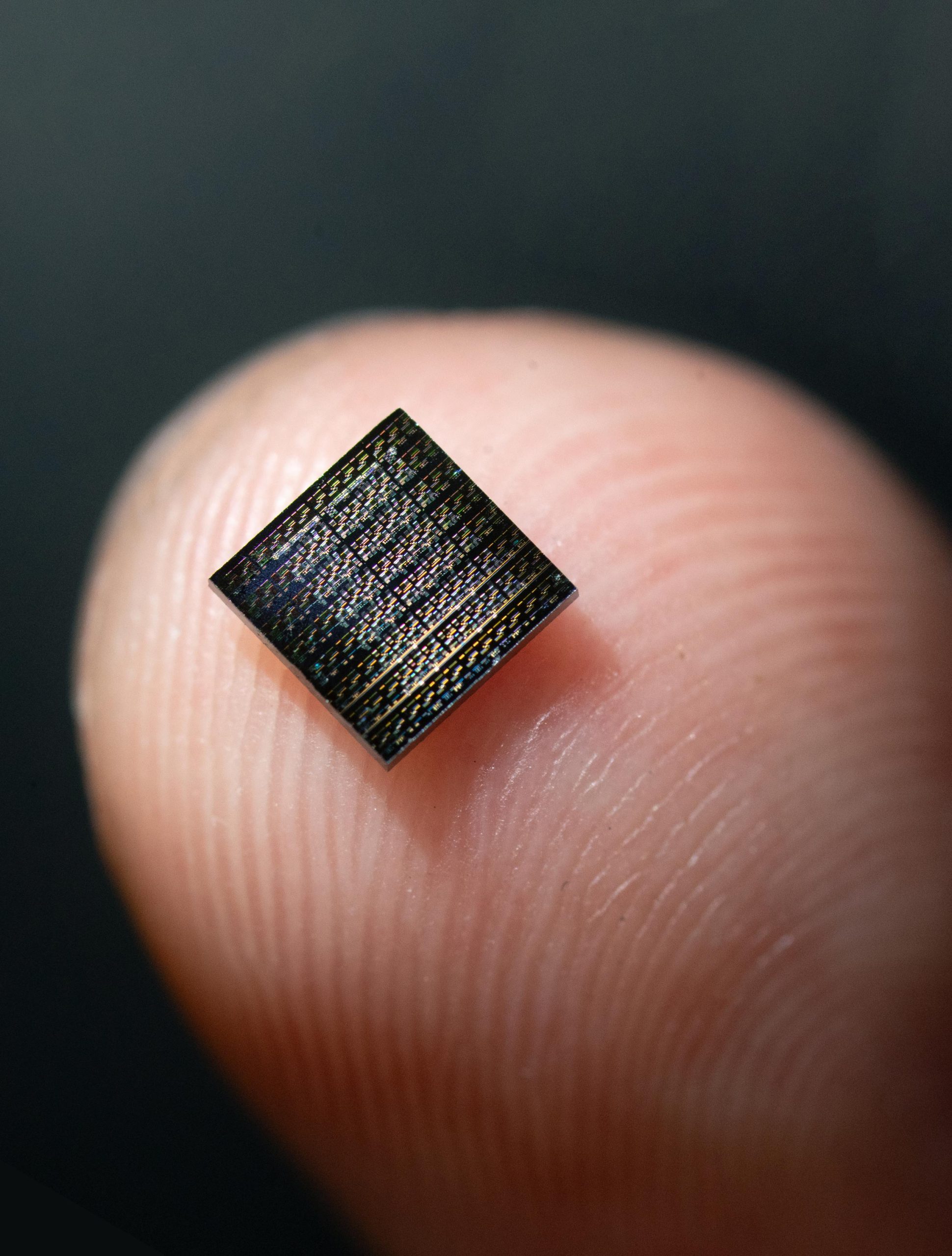
Researchers at USC have developed a new type of artificial neuron using diffusive memristors that closely mimic biological brain processes, significantly reducing chip size and energy consumption, and advancing the pursuit of artificial general intelligence.
Miranda Schwacke, a materials science PhD student at MIT, is researching brain-inspired, energy-efficient AI hardware using novel electrochemical devices, driven by her curiosity about materials properties and her passion for using science to improve the world.
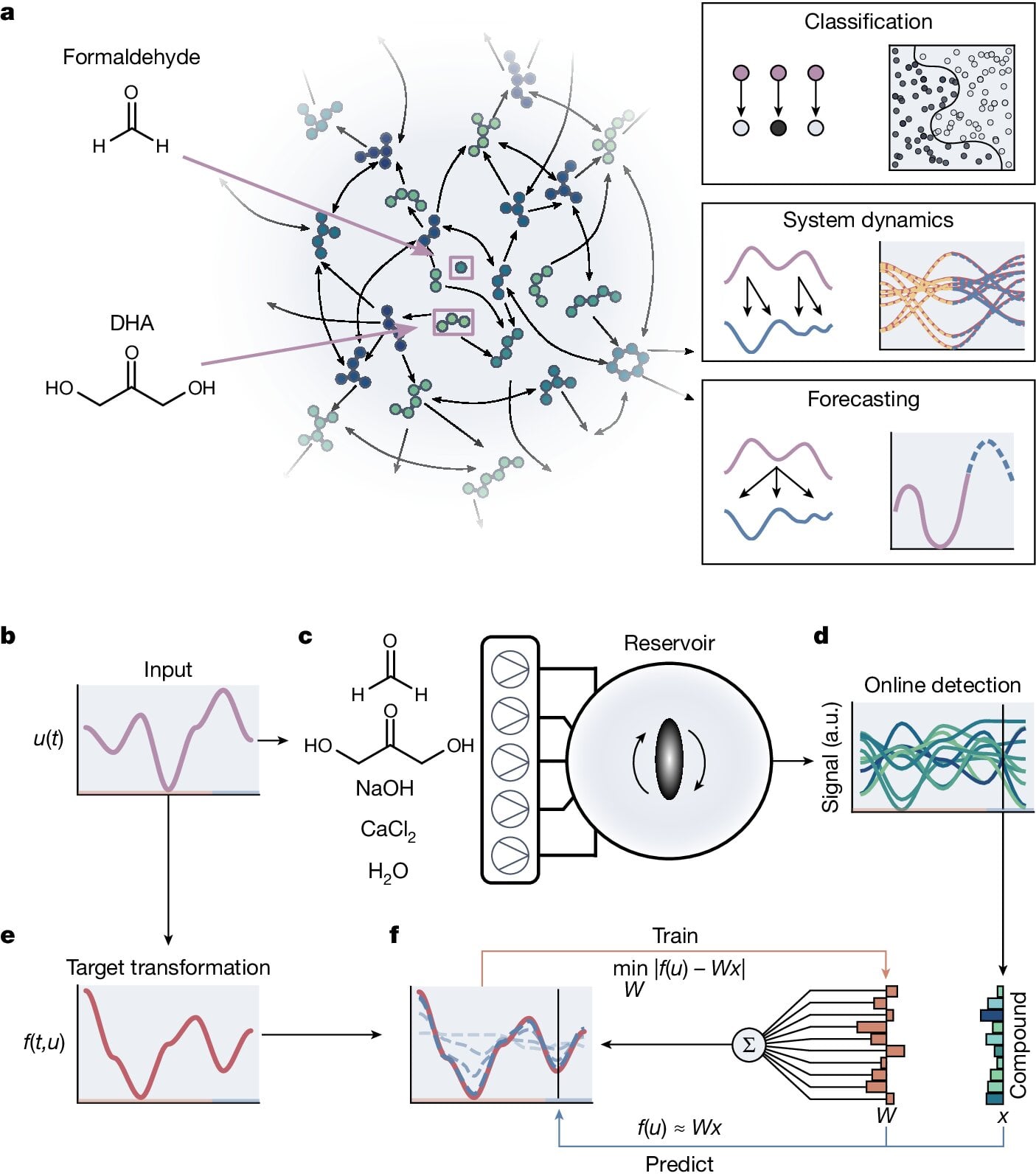
Researchers at Radboud University have demonstrated that the formose reaction, a complex self-organizing chemical reaction network, can perform computational tasks such as nonlinear classification and complex dynamics prediction. This approach leverages the inherent properties of chemical systems for computation, potentially bridging the gap between artificial systems and biological information processing. The study, published in Nature, highlights the potential for scalable and flexible molecular computing, with implications for the origins of life and neuromorphic computing.
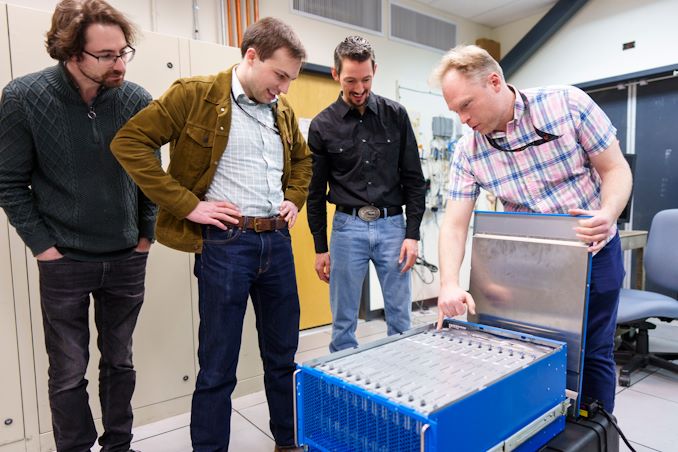
Intel has unveiled "Hala Point," the world's largest neuromorphic computer designed to mimic the human brain, powered by 1,152 Loihi 2 processors. This system can perform AI workloads 50 times faster and use 100 times less energy than conventional computing systems. Neuromorphic computing differs from conventional computing due to its architecture, using spiking neural networks to process data in parallel, similar to neurons in the brain. Hala Point achieved high energy efficiency for AI workloads and is a research prototype that could lead to future commercially deployed systems, potentially impacting AI deployments and large language models.
Intel has unveiled Hala Point, the world's largest neuromorphic computer, featuring 1,152 Loihi 2 chips that enable a total of 1.15 billion artificial neurons and 128 billion synapses. The system, developed in partnership with Sandia National Laboratories, aims to advance brain-scale computing research and solve complex problems in various fields. Intel's focus on neuromorphic computing has led to significant energy efficiency and speed gains, with potential applications in areas such as drug development and high-performance computing. While commercialization is a couple of years away, Intel is committed to providing substantial value and differentiation from existing technologies when it does happen.
Intel and Sandia National Laboratories have unveiled the Hala Point neuromorphic system, featuring 1.15 billion neurons and 1152 Loihi 2 processors, making it the largest neuromorphic system in the world. The system aims to advance research into neuromorphic computing, with a focus on AI inference and energy efficiency. Sandia plans to use the system for large-scale neuromorphic computing research, while Intel is exploring the potential for continuous learning and dataset augmentation. The ultimate goal is to develop commercial systems and refine algorithms for larger workloads.
Tohoku University researchers have developed a theoretical model for energy-efficient, nanoscale computing using spin wave reservoir computing and spintronics technology, paving the way for advanced neuromorphic devices with high-speed operations and applications in fields like weather forecasting and speech recognition. The innovation, detailed in npj Spintronics, harnesses the unique properties of spintronics technology to potentially usher in a new era of intelligent computing, bringing us closer to realizing a physical device for practical use in various applications.
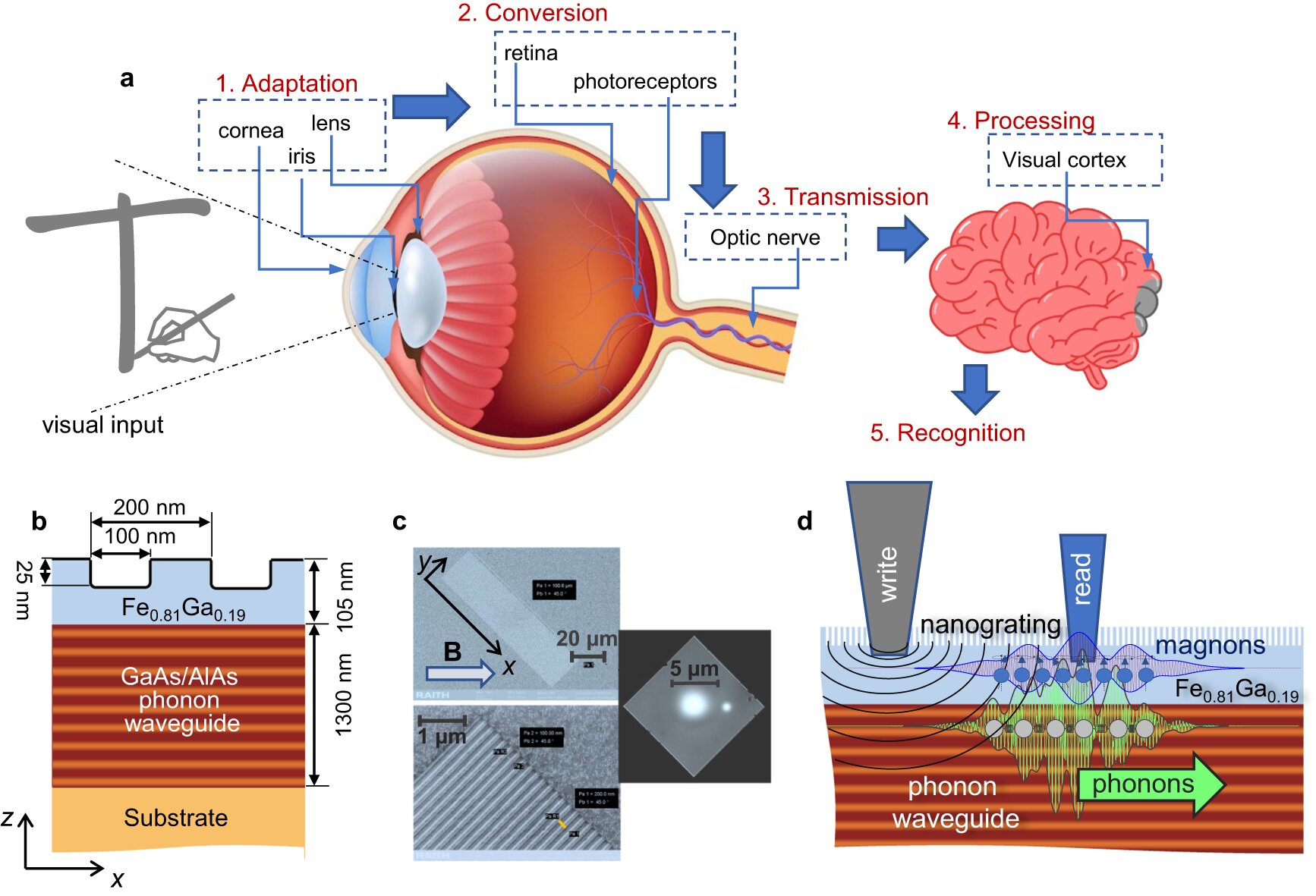
An international research team has developed a new concept for neuromorphic computing inspired by human vision, utilizing on-chip phonon-magnon reservoirs to process information with high efficiency and density. The concept, featured in Nature Communications, aims to mimic the brain's ability to process complex signals and form rapid responses. By utilizing acoustic waves and spin waves mixed in a small chip, the system shows potential for significant breakthroughs in emulating natural reservoir computing directly with analog signals, bringing future artificial intelligence systems closer to the efficiency of the human brain.
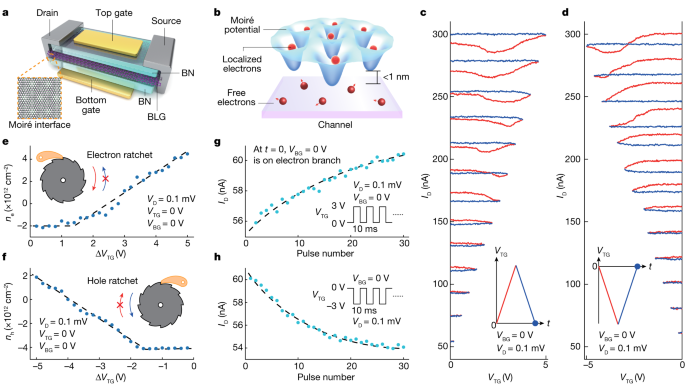
Researchers have developed a moiré synaptic transistor that exhibits room-temperature neuromorphic functionality. The transistor, based on moiré heterostructures, demonstrates the potential for integrating memory and computing in a single device. This advancement could pave the way for more efficient and powerful neuromorphic computing systems.
Researchers from Northwestern University, Boston College, and MIT have developed a new synaptic transistor inspired by the human brain that can perform higher-level thinking tasks. Unlike previous brain-like computing devices, this transistor is stable at room temperature, operates at fast speeds, consumes minimal energy, and retains stored information even without power. By leveraging moiré patterns in stacked atomically thin materials, the transistor achieves neuromorphic functionality. It successfully demonstrated associative learning by recognizing similar patterns, even when presented with incomplete data. The development of this energy-efficient transistor opens up possibilities for advanced AI and machine learning applications.
Researchers at Western Sydney University, in collaboration with Intel and Dell, are developing a supercomputer called DeepSouth, designed to simulate neural networks at the scale of the human brain. Capable of emulating networks of spiking neurons at 228 trillion synaptic operations per second, DeepSouth aims to provide researchers with a better understanding of how the brain processes information. By using a neuromorphic system that mimics biological processes, the supercomputer is expected to be more efficient and less power-hungry. The project could have applications in various fields, including sensing, biomedical, robotics, space, and AI.
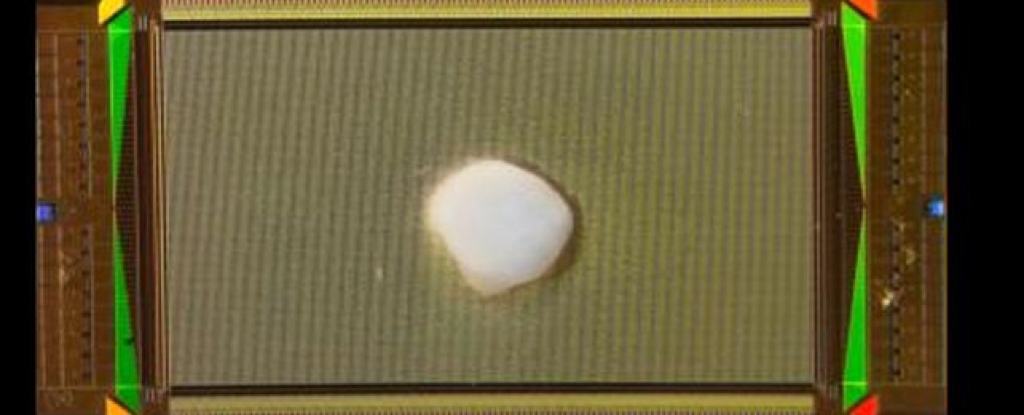
Scientists have made progress in creating a brain-like computing system by integrating real human brain tissue with electronics in a process called Brainoware. The system, which uses brain organoids connected to microelectrodes, demonstrated the ability to perform tasks like speech recognition and math problems. While the system is slightly less accurate than pure hardware computers running on artificial intelligence, it represents an important step towards a new kind of computer architecture. However, ethical considerations surrounding the use of human neural tissue in computing systems need to be addressed. The research could provide insights into learning mechanisms, neural development, and cognitive implications of neurodegenerative diseases.
Scientists have developed Brainoware, a computer architecture that integrates real human brain tissue with electronics. Using brain organoids connected to microelectrodes, Brainoware demonstrated the ability to perform tasks like speech recognition and nonlinear equation prediction. While slightly less accurate than pure hardware computers running on artificial intelligence, this research represents an important step towards a new kind of computer architecture. Ethical considerations surrounding the use of human neural tissue in biocomputing systems are highlighted, but the technology has implications for understanding the human brain and developing preclinical models for cognitive impairment.