A NIH-funded study found that 96 chemicals, many unregulated, are present in 90% of U.S. toddlers, primarily from everyday sources like food, air, and play, raising concerns about potential health impacts and the need for stronger oversight.
A study published in PNAS reveals that toddlers are more likely to remember events they perceive as impossible rather than improbable. Researchers used a gumball machine filled with toys to test 2- and 3-year-olds' reactions to unexpected outcomes. When toddlers received a toy from a seemingly empty machine, they showed surprise and were more likely to remember the toy's name, indicating a learning boost from encountering the unexpected. This suggests that young children learn better when their expectations are violated, enhancing attention and memory retention.
A study from The University of Texas at Austin reveals that toddlers prompted to touch their own faces through vibrating discs developed self-recognition in mirrors about two months earlier than expected, challenging the belief that self-recognition is hardwired and suggesting it's influenced by sensory experiences. The findings emphasize the importance of self-directed exploration for self-knowledge and could reshape interventions for children with motor development delays.
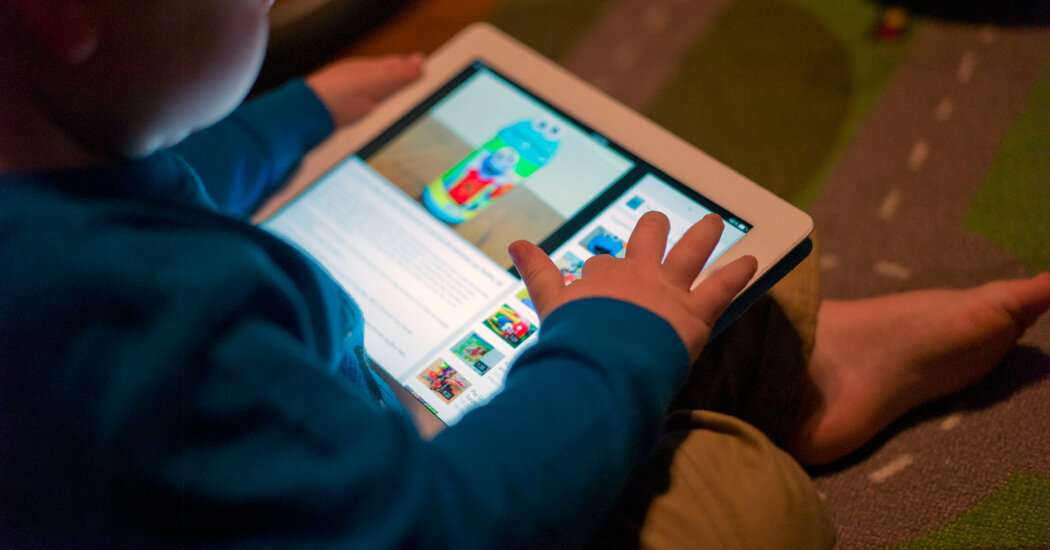
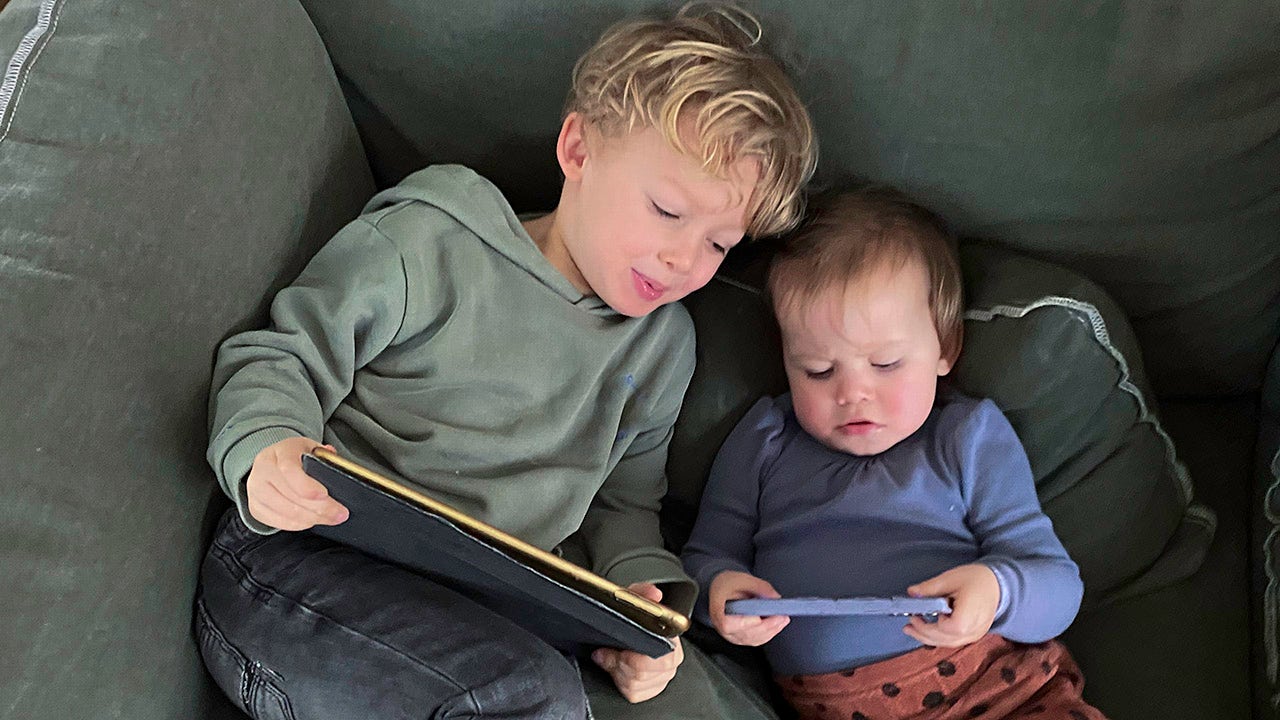
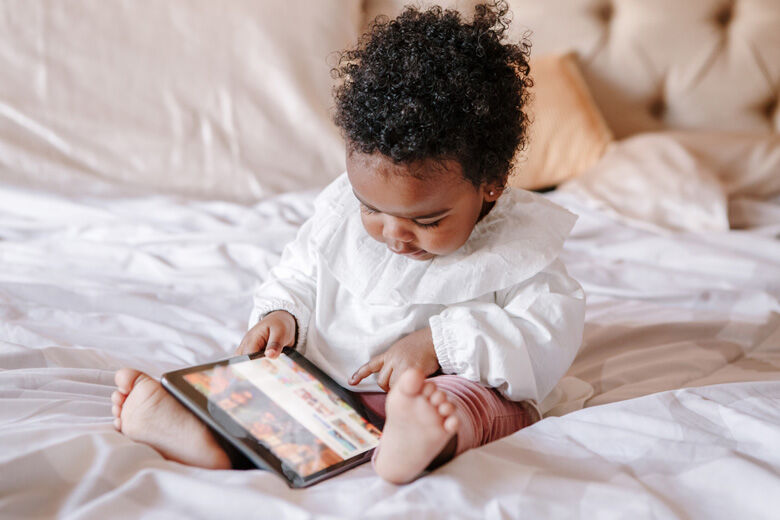
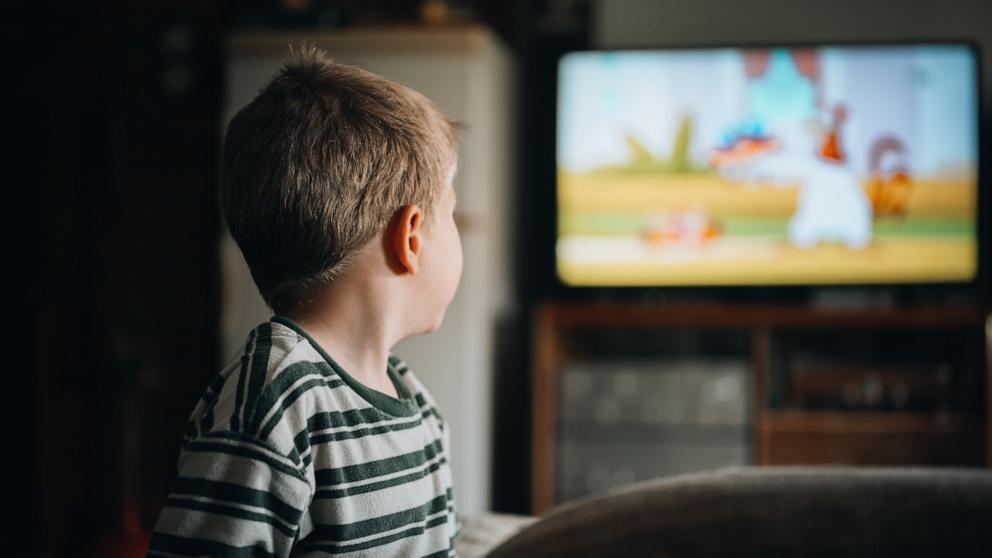
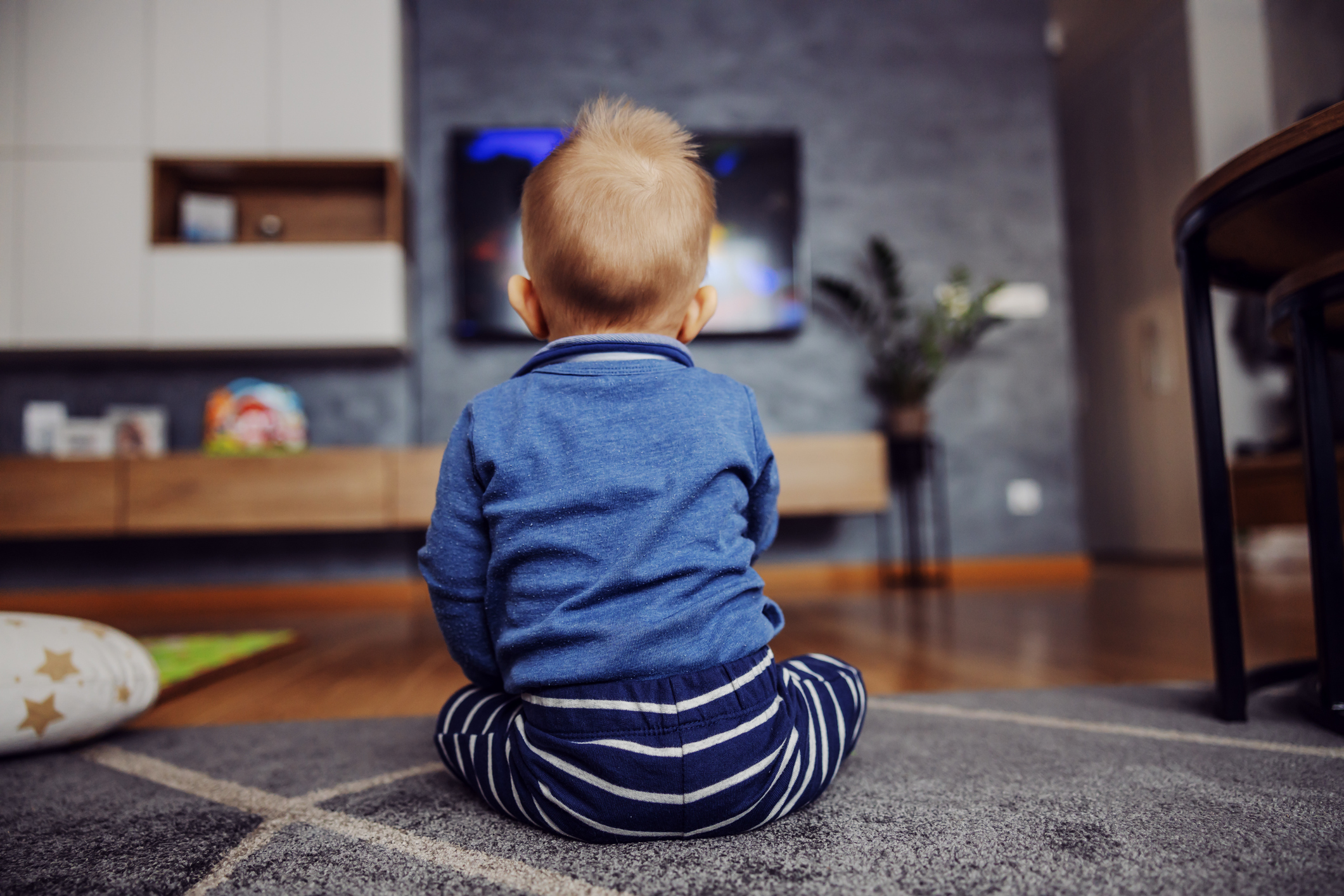
A study published in the Journal of the American Medical Association Pediatrics found that toddlers exposed to screens, including TVs and phones, are missing out on hearing more than 1,000 words spoken by adults each day, which hinders their language skills. The research, tracking 220 Australian families over two years, revealed that for every extra minute of screen time, three-year-olds heard seven fewer words, spoke five fewer words, and engaged in one less conversation. The study emphasized the importance of a language-rich home environment in supporting infants and toddlers' language development and suggested that screen time may be affecting children more than previously estimated.
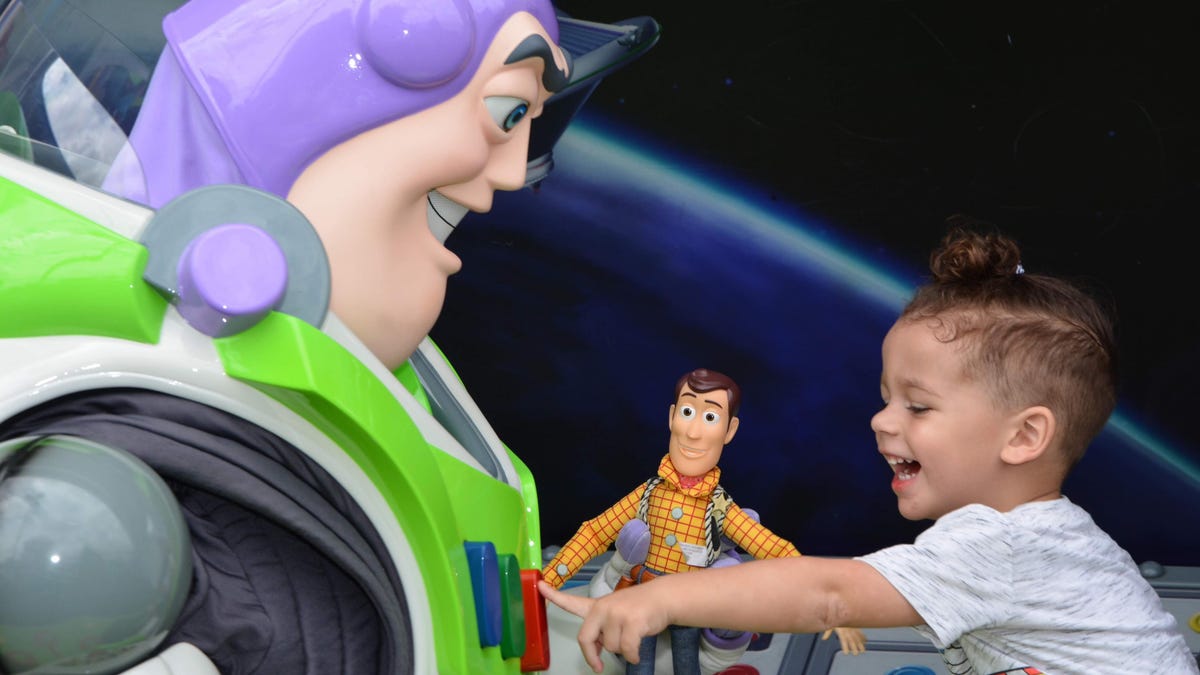
Parents take young kids to Disney World, even though the kids may not remember it, to create lasting memories and experience the magic through their children's eyes. While there may be challenges, such as dealing with tantrums and long lines, families find ways to make the most of the trip, utilizing resources like baby care centers, rider switch services, and stroller rentals. Some parents prefer to go with the flow, while others plan meticulously, but all agree that the joy of seeing their children's excitement makes the trip worth it.
A new study published in JAMA Pediatrics found that toddlers exposed to more screen time have fewer conversations with their parents or caregivers, speaking less, hearing less, and engaging in fewer back-and-forth exchanges. This "technoference" could have long-term implications on language development and social skills, as well as potential impacts on obesity, depression, and hyperactivity. The study, led by researcher Mary E. Brushe, used automated monitoring to track children's exposure to electronic noise and language spoken by the child, parent, or another adult, finding that every minute of screen time counts in disrupting household chatter.
During an episode of his New Heights podcast, NFL player Jason Kelce's daughters engage in a "yelling competition" in the background, reflecting the relatable chaos of parenting while working. Kelce also opens up about his struggle with screen time and being present for his kids, but his wife emphasizes his emotional and mental presence as a good father. The candid discussion resonates with many parents, highlighting the challenges and joys of family life.
A new study challenges assumptions about language development in low-income families by analyzing daylong audio recordings of 1,001 children from diverse backgrounds, revealing that early language comprehension begins around 6-7 months and significant improvements occur around a child’s first birthday. The research aims to broaden the scope of language development to include more diverse populations and understand the mechanisms of language acquisition in children, including those who are deaf or blind. The study refutes the assumption that socio-economic status significantly impacts a child’s language development and emphasizes the importance of adult talk in children’s environments as a predictor of speech production.
A study from Drexel University suggests that screen time exposure in babies and toddlers is linked to atypical sensory behaviors, potentially leading to conditions like ADHD and autism. Children exposed to screens by age two showed increased tendencies towards sensation seeking, sensation avoiding, and delayed response to stimuli. The findings highlight the need for reduced screen exposure and parent education to mitigate potential developmental risks, adding to growing concerns about the impacts of screen time on young children.
A new study from Drexel University suggests that allowing very young children to have screen time could lead to sensory challenges later in childhood, with findings showing an association between greater screen time in the first two years of life and atypical sensory behaviors. The American Academy of Pediatrics recommends limiting screen time for children under 2 to video chats with family members, and for older children, capping it at two hours per day. The study's lead author emphasized the importance of reducing screen time and increasing socially engaging activities for young children, particularly those experiencing symptoms associated with atypical sensory processing.
A new study suggests that screen time for children under 2 years old is associated with sensory processing differences in toddlerhood, with children who watched television or DVDs at 12 months being twice as likely to experience atypical sensory processing by 36 months. While the American Academy of Pediatrics recommends against screen time for children under 2, experts caution against concluding that screen time itself leads to sensory differences, emphasizing the importance of considering family environments and individual circumstances. The study highlights the need for a holistic approach to addressing screen time and promoting healthy developmental activities for young children.
A new study suggests that children under 2 who watch television or DVDs may be more likely to experience sensory processing differences in toddlerhood, such as challenges in processing sensory input. The research, which analyzed caregiver surveys, found that each additional hour of screen exposure after 18 months was associated with a 20% increased likelihood of sensory processing differences. While experts caution against concluding that screen time itself leads to these differences, they recommend a holistic approach to identifying barriers to decreasing screen time and promoting healthy developmental activities for young children.
A new study suggests that children under 2 who watch television or DVDs may be more likely to experience sensory processing differences in toddlerhood, such as challenges in processing sensory input. The research, which analyzed caregiver surveys, found that each additional hour of screen exposure after 18 months was associated with a 20% increased likelihood of sensory processing differences. While experts caution against concluding that screen time itself leads to these differences, they recommend a holistic approach to identifying barriers to decreasing screen time and promoting healthy developmental activities for young children.
Researchers at NYU Langone Health have found that seizures may be responsible for some cases of sudden unexplained death in childhood (SUDC) in toddlers, based on an analysis of crib videos from families whose children died from SUDC. The study, published in Neurology, revealed that brief seizures occurred within 30 minutes of each child's death, shedding light on a potential cause for these tragic events. While the findings are concerning, experts emphasize that seizures in toddlers and SUDC cases are rare, and there are no obvious warning signs. Further research is needed to understand the frequency of seizures in sleep-related deaths in toddlers and other age groups.
A study published in JAMA Pediatrics suggests a link between excessive TV viewing in toddlers and abnormal sensory behaviors, such as disengagement, seeking intense stimulation, and being overwhelmed by stimuli like loud sounds and bright lights. The study analyzed data from 1,471 babies and toddlers and found that screen exposure at 12, 18, and 24 months was associated with increased likelihood of exhibiting these behaviors. However, the study is observational and cannot establish a causal link, and more research is needed to confirm the association and any underlying cause. The American Academy of Child and Adolescent Psychiatry recommends limiting screen time for children under 18 months to video chatting only, and for 18- to 24-month-olds to watching educational programs with a caregiver.