The Carreras Pampa site in Bolivia, the largest dinosaur tracksite ever found, contains nearly 18,000 tracks from around 70 million years ago, offering unique insights into dinosaur behavior and preservation due to exceptional environmental conditions that captured footprints, tail marks, and swimming traces of theropods, making it a significant paleontological discovery.
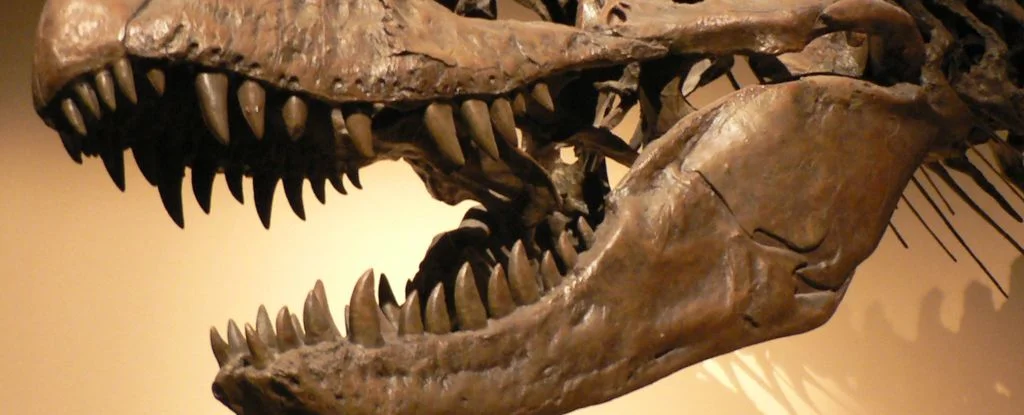
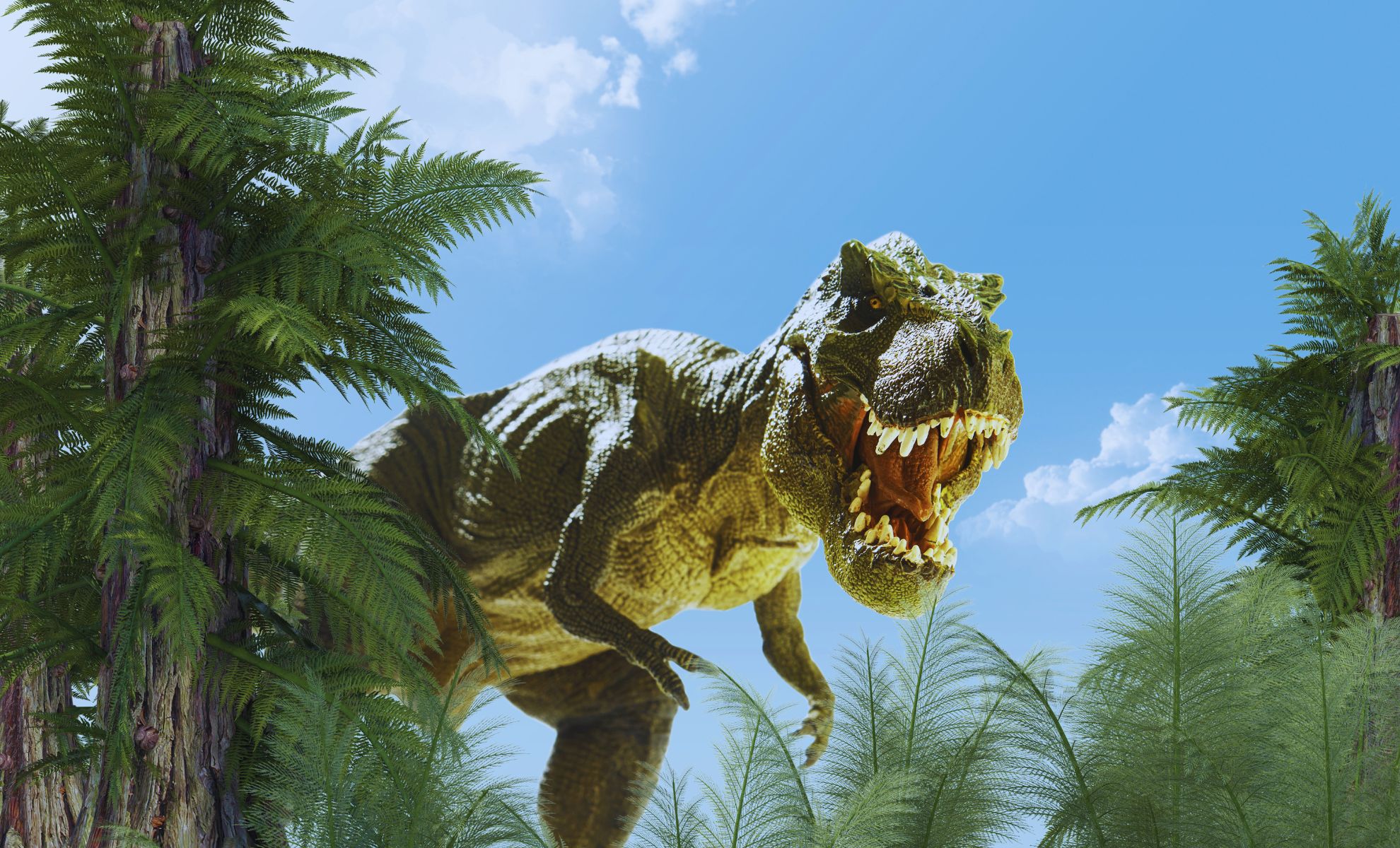
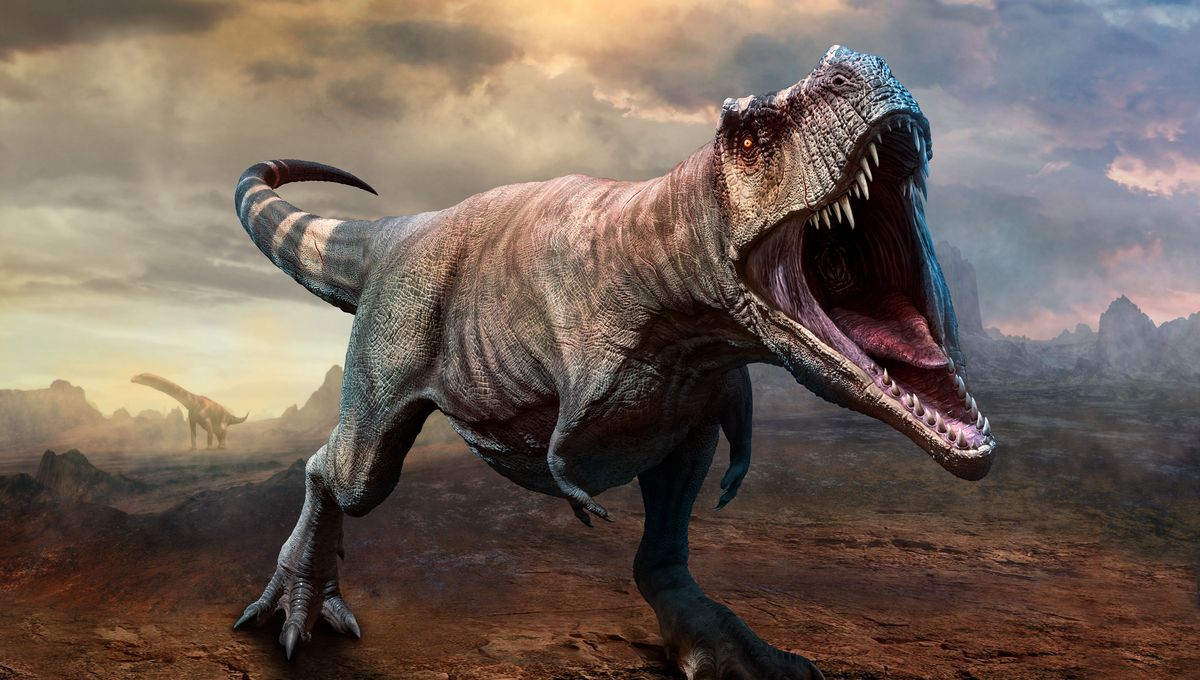
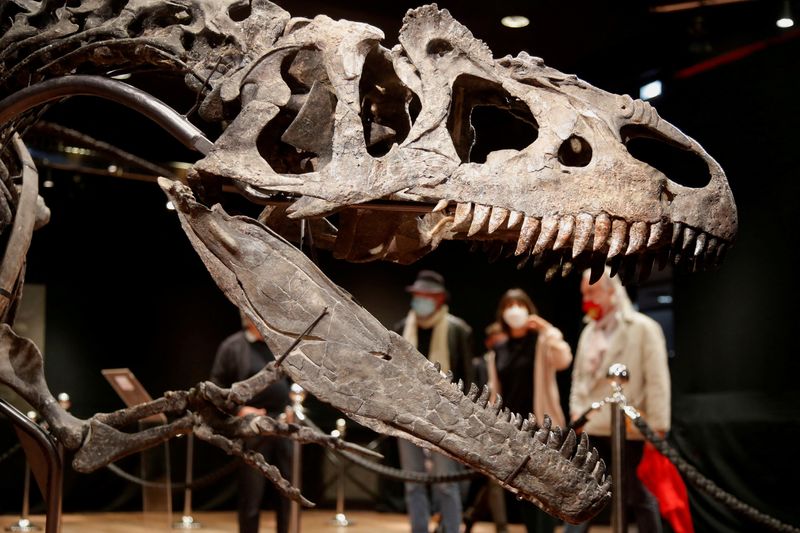
A study analyzing 18 theropod dinosaur skulls reveals diverse feeding strategies among giant carnivorous dinosaurs, with some like T. rex optimized for powerful bites, while others like Giganotosaurus had lighter bites, indicating a wide range of ecological adaptations and less competition among these predators.
A study analyzing fossilized skulls of large theropod dinosaurs reveals diverse hunting strategies, with Tyrannosaurus rex capable of crushing bones with its powerful bite, contrasting with other species like Giganotosaurus and Spinosaurus that specialized in slicing flesh or catching fish, highlighting complex feeding behaviors among prehistoric predators.
The tiny arms of dinosaurs like T. rex have puzzled scientists for years, with various theories proposed to explain their existence. Suggestions range from mating behavior to aiding in getting up after a fall, avoiding accidental amputation, and even using them as weapons. Some believe the arms served no purpose and were simply a relic from their ancestors. Future research and fossil discoveries may shed more light on the true reason behind these absurd appendages.
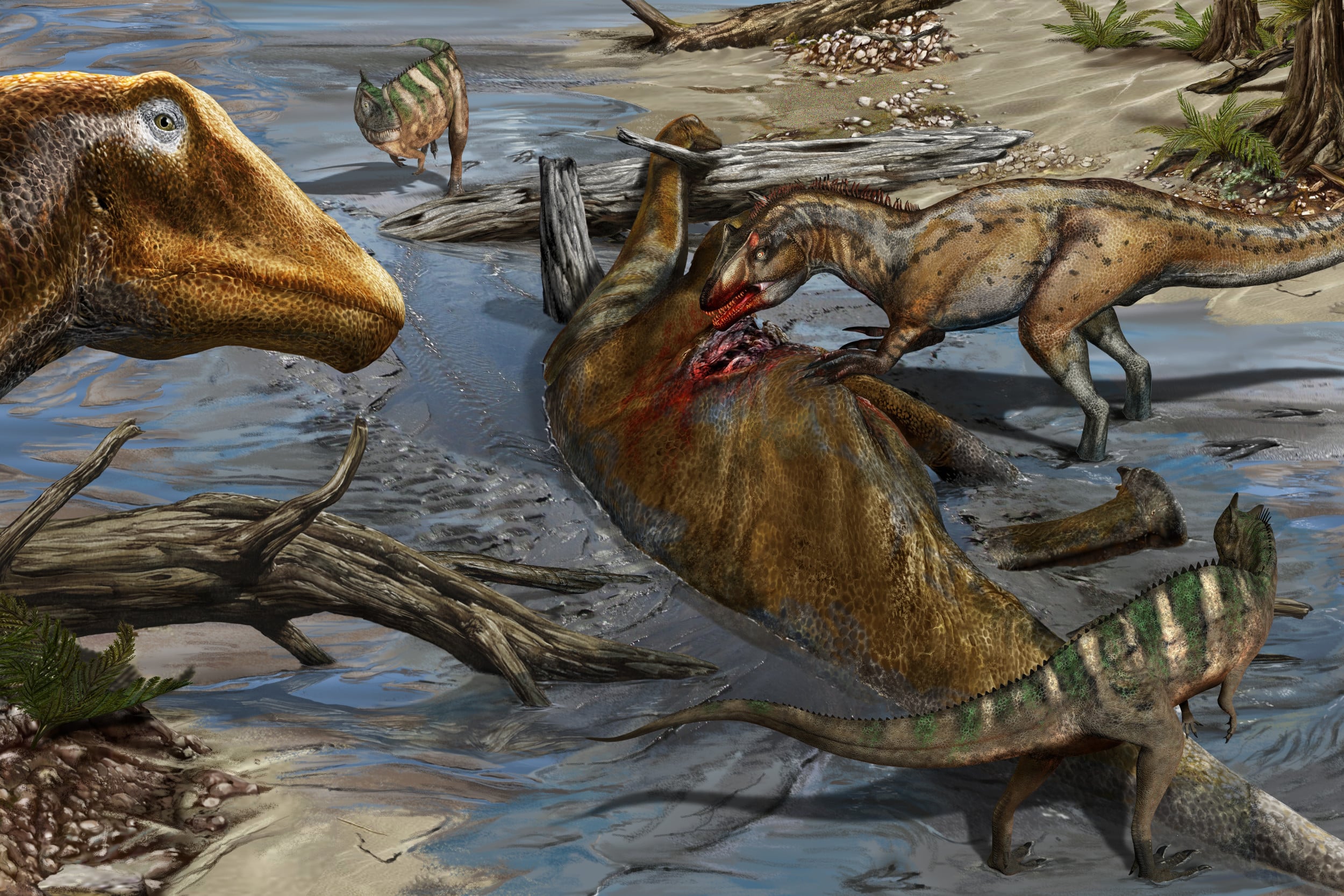
Paleontologists studying bite marks on sauropod bones have concluded that the marks were likely made by scavenging meat-eating dinosaurs rather than predators that actively hunted and killed adult sauropods. The researchers found that the bite marks were more likely to be on the bones of old, sick, injured, or otherwise vulnerable sauropods. The study suggests that it would have been too risky for predators to try to bring down an adult sauropod, which could weigh up to 50 tons. Instead, the large theropods likely targeted and consumed young sauropods, which were more defenseless.
Paleontologists studying bite marks on sauropod bones from the Jurassic Period have concluded that the marks were likely made by scavenging meat-eating dinosaurs rather than predators that actively hunted and killed adult sauropods. The researchers found deep grooves on 68 out of 600 bones examined, suggesting that the scavengers came across the bodies of sauropods that had already died from causes like old age or infirmity. The study also revealed that adult sauropods were likely not targeted by predators due to their massive size and the potential risk involved in attacking them. Instead, predators may have focused on young sauropods, which were more vulnerable.
Tooth-marked bones of giant plant-eating dinosaurs in North America provide insight into the feeding habits of large carnivores during the Jurassic period. The study focused on bite marks made by non-Tyrannosaur carnivorous theropods on the bones of sauropod dinosaurs. The research revealed that bite traces were more abundant than previously realized and indicated that theropods likely fed on juvenile sauropods and scavenged larger carcasses. The findings shed light on the ecological relationships between dinosaurs in the Jurassic era.
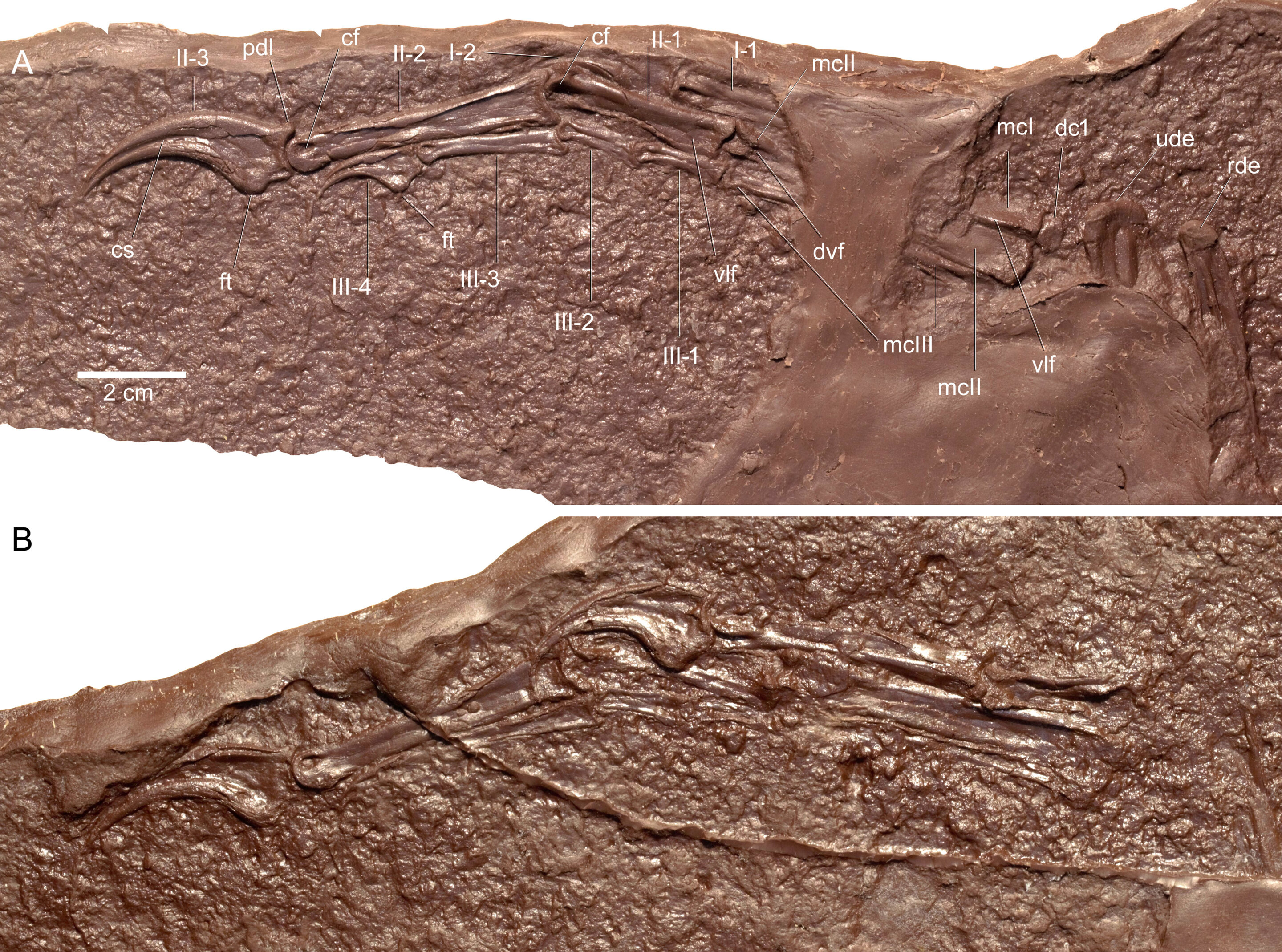
A new species of theropod dinosaur, Migmanychion laiyang, has been identified by a team of archaeologists and paleontologists in China. The dinosaur fossil was found in Inner Mongolia and is believed to have lived approximately 121 million years ago. The newly discovered dinosaur has a unique hand structure different from all other known theropods and is reminiscent of oviraptorosaurs and therizinosauroids. The researchers suggest that M. laiyang likely evolved separately from lineages that led to modern birds.