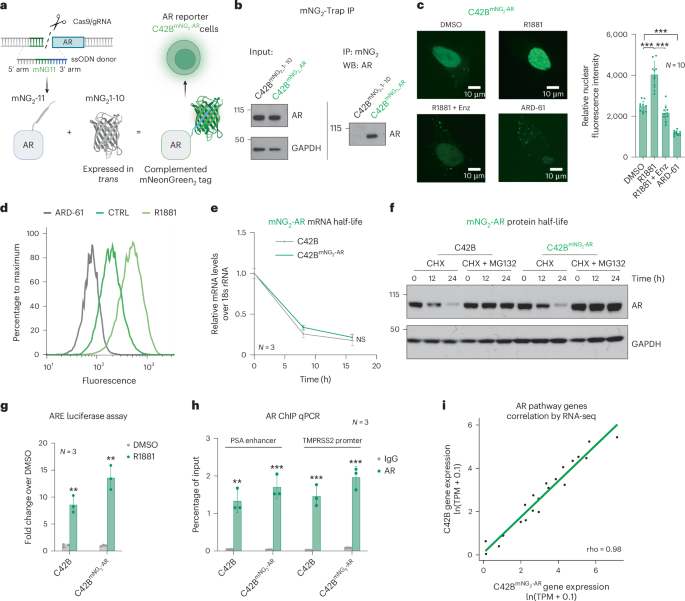
Genome-scale CRISPR screens identified PTGES3 as a key regulator of androgen receptor (AR) stability and activity in advanced prostate cancer, revealing its potential as a therapeutic target to overcome resistance to AR-targeted therapies in castration-resistant prostate cancer (CRPC).
Researchers have identified a potential strategy to reverse therapy resistance in prostate cancer by targeting myeloid chemotaxis. Myeloid cells play a crucial role in tumor progression and therapy resistance, and the study found that inhibiting the chemotaxis of these cells can enhance the effectiveness of existing therapies. The findings provide a promising avenue for developing targeted treatments for prostate cancer patients who have developed resistance to current therapies.
Scientists have discovered a potential new way to treat prostate cancer by reversing its resistance to therapy. By blocking the secret messages that cancer cells send to hijack healthy white blood cells, researchers were able to reverse resistance to therapy in a small group of patients. Some patients experienced tumor shrinkage and decreased levels of prostate-specific antigen (PSA). The findings offer hope for developing new treatments for advanced prostate cancer and potentially other cancer types.
Researchers have identified nongenetic mechanisms that contribute to the development of resistance to the anti-cancer medication sotorasib in lung cancer patients. The study found that tumor cells can become tolerant to the therapy without genetic mutations by manipulating the KRAS-sotorasib interaction network. However, long-term treatment can lead to genetic mutations that result in permanent resistance. The researchers also discovered that combining sotorasib with the FDA-approved anti-cancer therapy carfilzomib can address medication resistance in lung cancer cells. These findings provide insights into the complex interplay between genetic and nongenetic mechanisms in therapy resistance and offer potential therapeutic strategies for managing lung cancer patients.