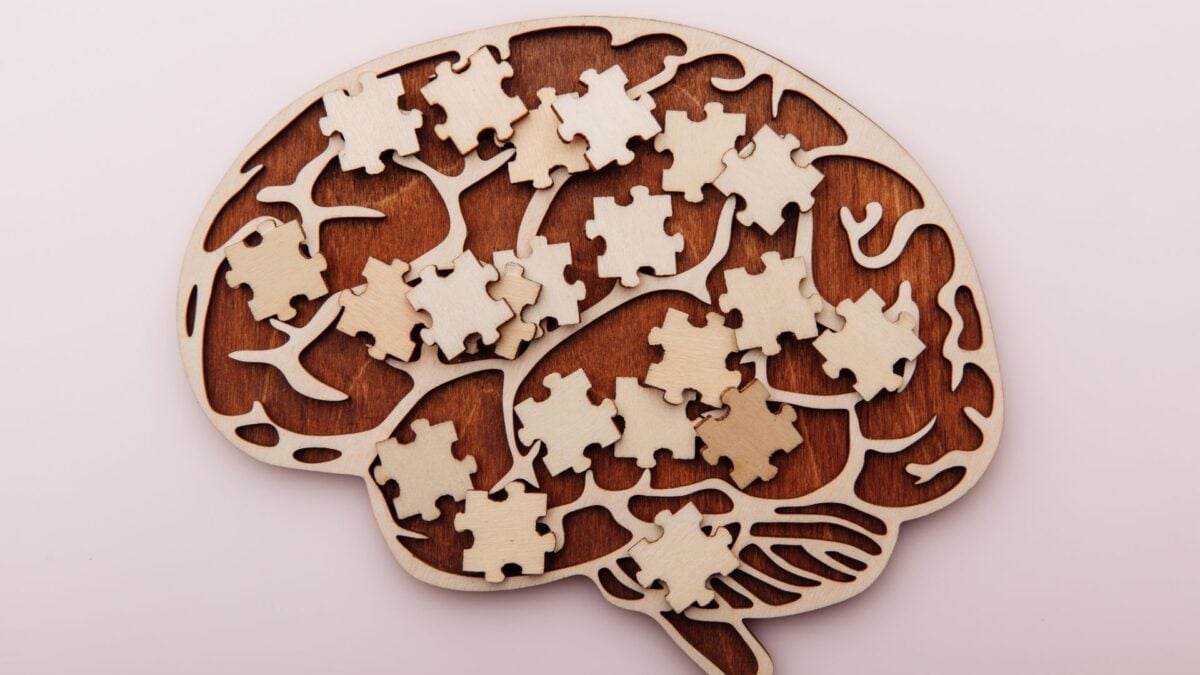
Scientists have made significant progress in understanding and manipulating memories, with potential therapeutic benefits such as erasing traumatic memories or restoring lost ones, but ethical considerations and public dialogue are crucial as the field advances.
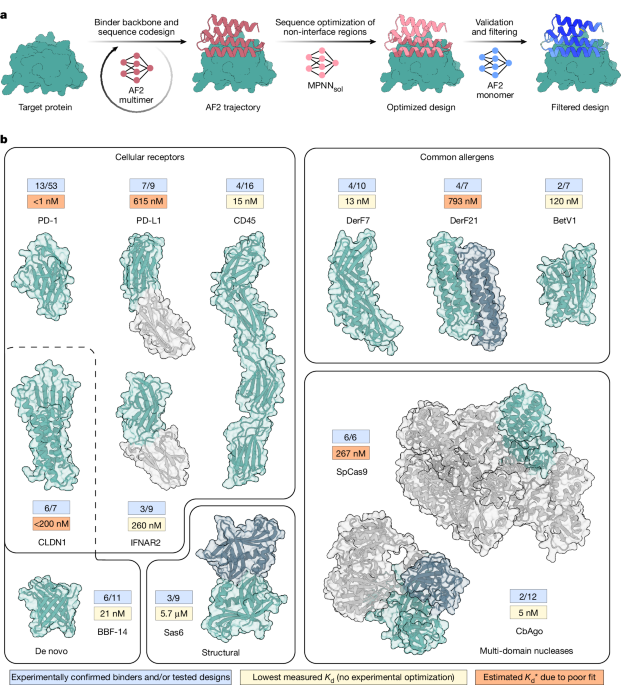
BindCraft is a novel computational pipeline that leverages deep learning, specifically AlphaFold2, to de novo design functional protein binders targeting diverse proteins, including challenging membrane receptors, allergens, and nucleases, with high success rates and potential therapeutic applications.
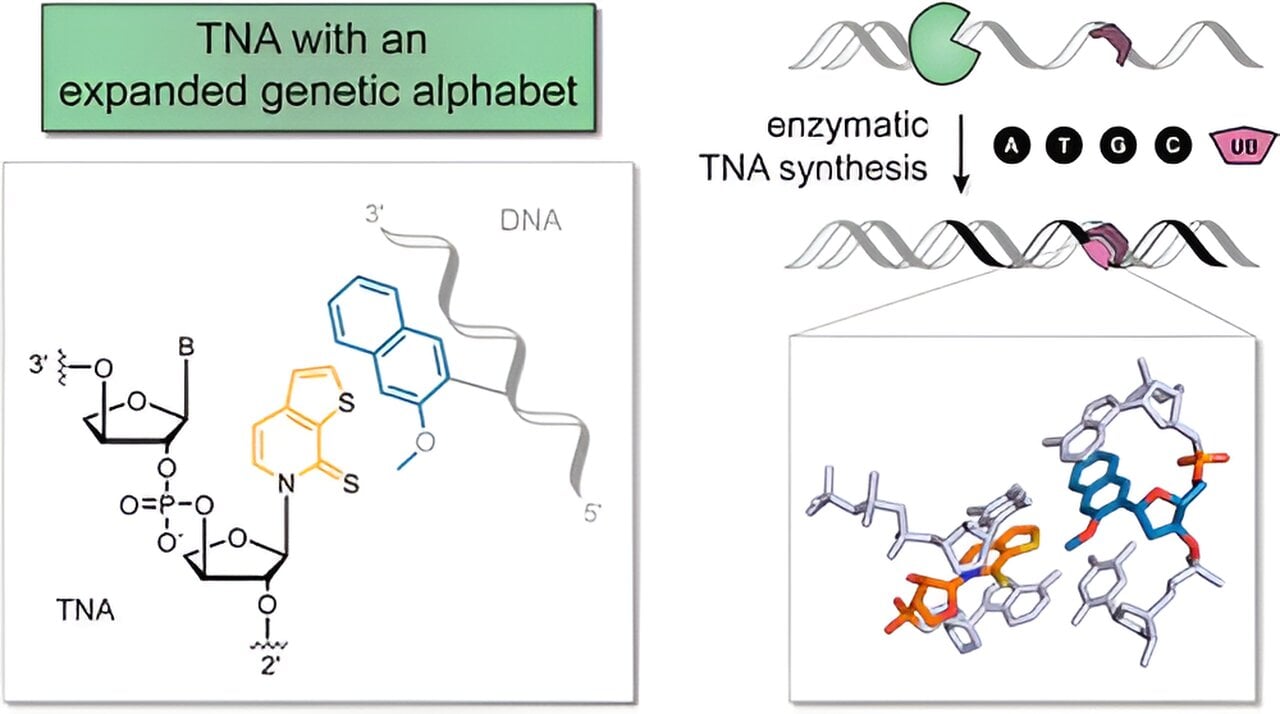
Scientists at the University of Cologne have successfully developed artificial nucleotides, the building blocks of DNA, with enhanced properties in the laboratory, paving the way for potential therapeutic applications. These artificial nucleic acids, known as threofuranosyl nucleic acid (TNA), have a modified structure that increases their stability and functionality, making them potentially useful for targeted drug delivery, diagnostics, and the development of new aptamers for controlling cellular mechanisms. This breakthrough could have significant implications for the future of genetic and medical research.
Scientists have identified 188 new CRISPR systems from bacteria found in diverse environments such as Antarctic lakes, coal mines, and dog saliva. These newly discovered CRISPR systems have the potential to be repurposed as gene editing therapies, diagnostic sensors, or research tools, driving the race to discover and name the natural diversity of CRISPR systems.
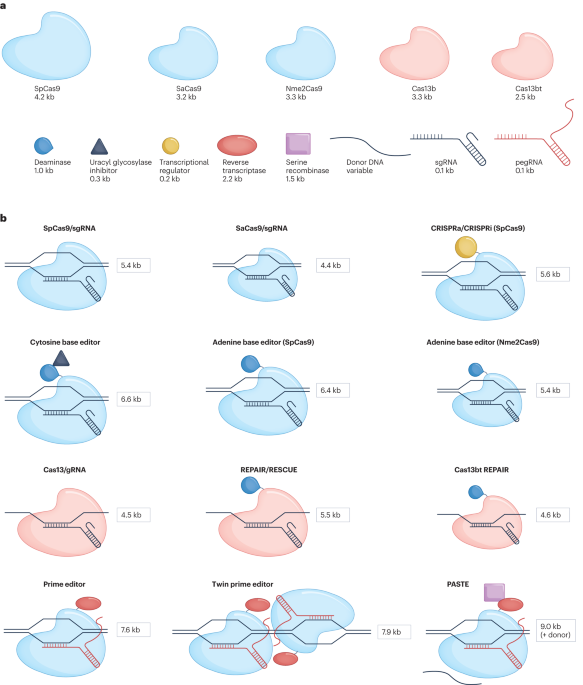
Researchers have explored various drug delivery systems for CRISPR-based genome editing, which holds promise for therapeutic applications. Studies have focused on ex vivo cell-based editing, lentiviral vectors, engineered zinc finger nucleases, TALENs, and the bacterial origins of the CRISPR revolution. The development of CRISPR-Cas systems has revolutionized genome engineering, with applications ranging from gene editing to gene regulation and epigenome editing. Recent advancements include base editors, prime editors, and twin prime editing, enabling precise genomic modifications without double-stranded DNA cleavage. Additionally, researchers have explored mRNA-encoded activators for robust and durable gene activation in vivo. These advancements pave the way for potential breakthroughs in gene therapy and precision medicine.