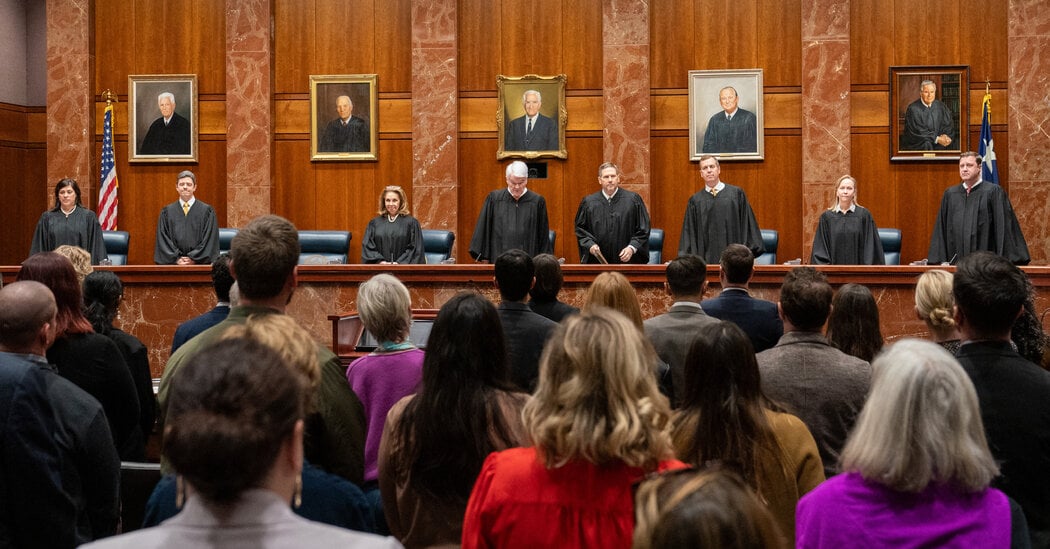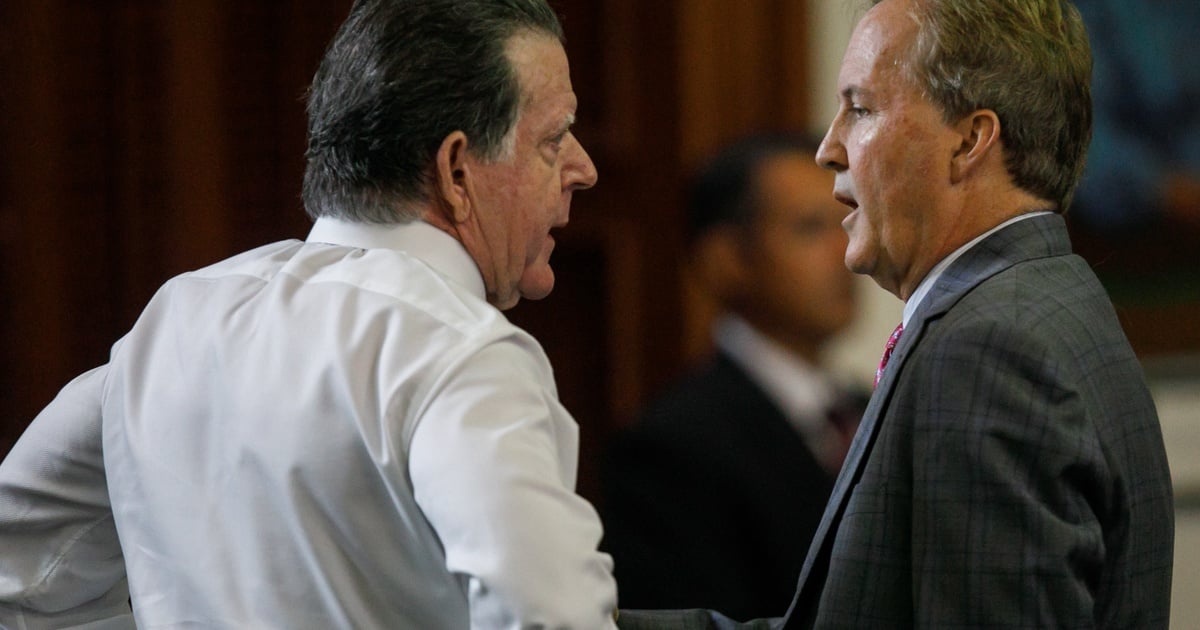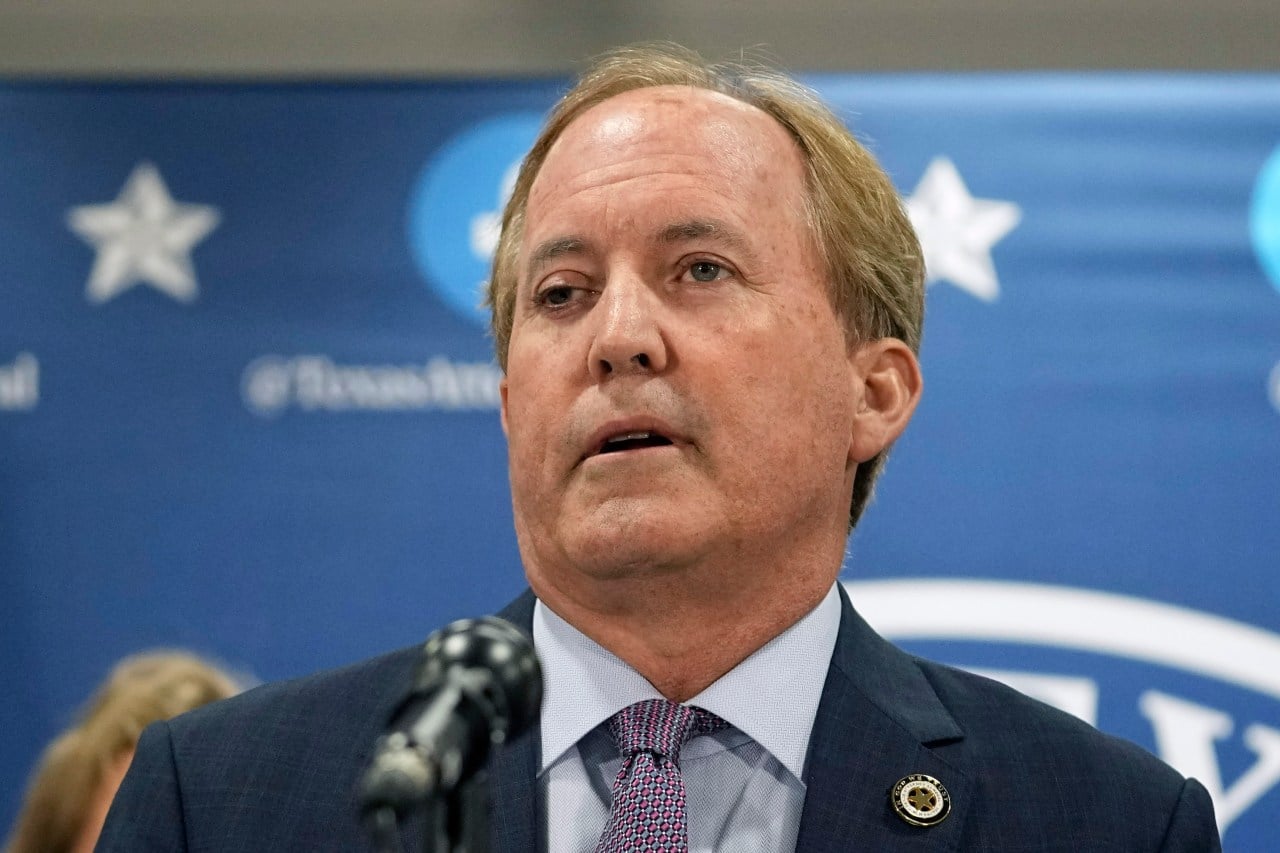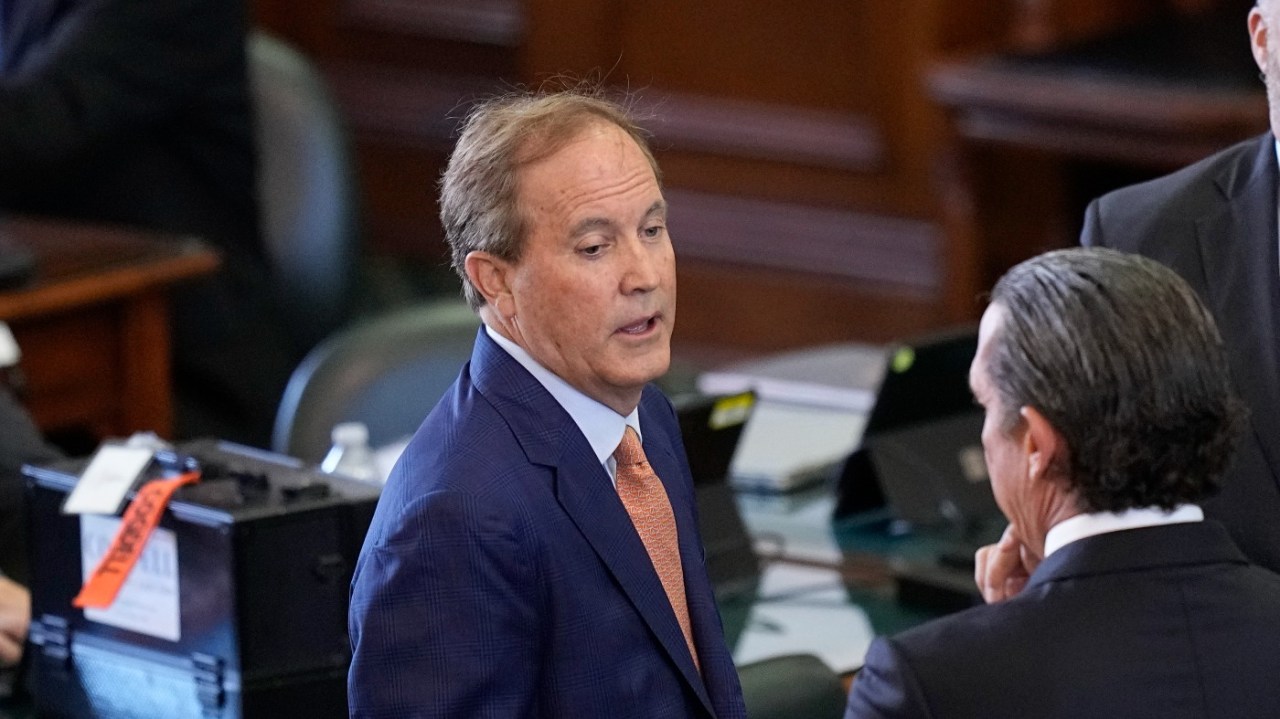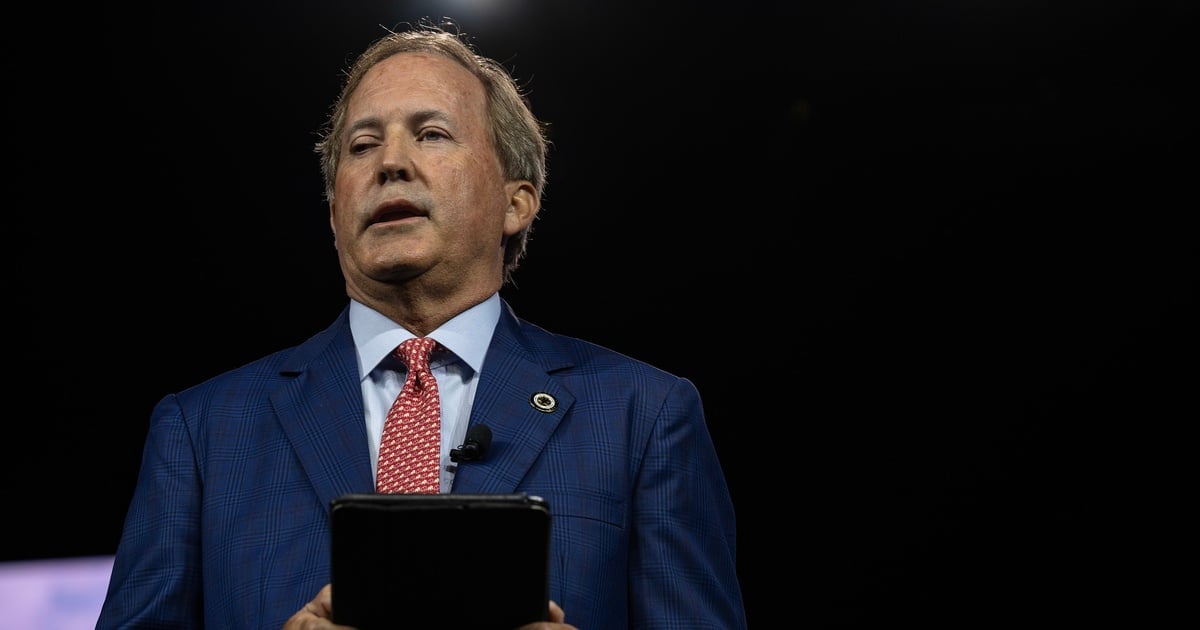
The Texas Supreme Court ruled that Attorney General Ken Paxton will not have to testify under oath in a whistleblower lawsuit filed by four former aides who accused him of corruption and wrongful termination. The court's decision, which Paxton's office hailed as a victory against politically-motivated litigation, prevents the whistleblowers from deposing Paxton and his deputies. The lawsuit, which Paxton has agreed not to contest, alleges violations of the state's Whistleblower Act. Despite the ruling, the lawsuit and related federal investigations continue.
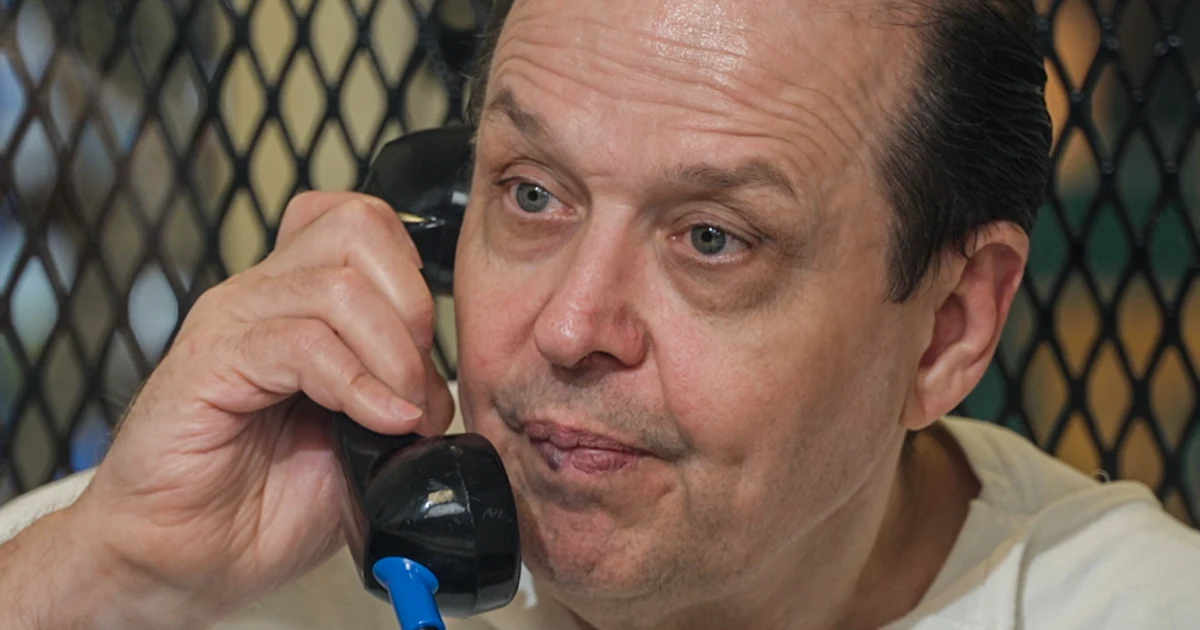
The Texas Supreme Court has ruled against a group of lawmakers who attempted to use their subpoena power to delay the execution of Robert Roberson, a death row inmate convicted in a "shaken baby" case. The decision allows the execution to proceed, despite the lawmakers' efforts to have Roberson testify before the House Criminal Jurisprudence Committee. The legal battle began when the state attorney general's office challenged the subpoena, leading to a temporary halt of Roberson's execution.
The Texas Supreme Court has ruled that the execution of Robert Roberson, convicted for the 2002 murder of his 2-year-old daughter based on a "shaken baby syndrome" diagnosis, can proceed. Roberson's case has been controversial, with his legal team arguing that new evidence suggests his daughter died from pneumonia-related complications, not abuse. Despite support from lawmakers and experts questioning the diagnosis's validity, Texas officials maintain that Roberson's conviction and death sentence are lawful.
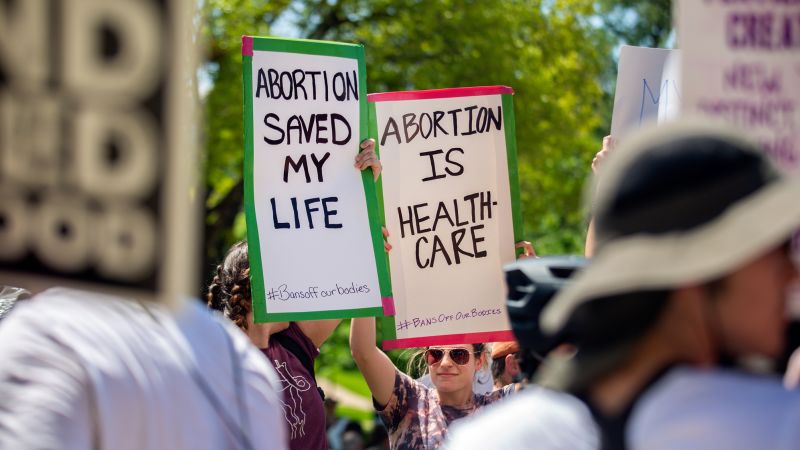
The Texas Supreme Court unanimously rejected a challenge to the state's strict abortion ban, ruling against expanding exceptions for medical emergencies. The lawsuit, filed by the Center for Reproductive Rights, will continue in trial court, but the high court's decision indicates that the challenge is unlikely to succeed. The court blamed doctors for misinterpreting the law, which allows abortions for life-threatening conditions before death or serious physical impairment are imminent.
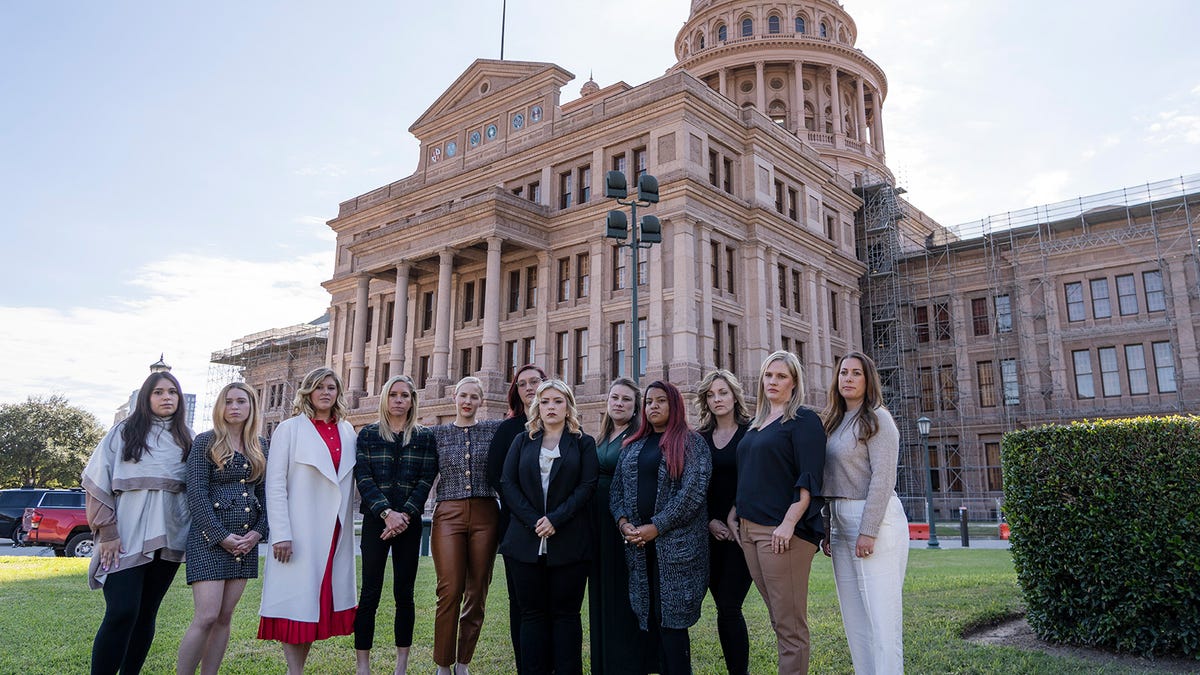
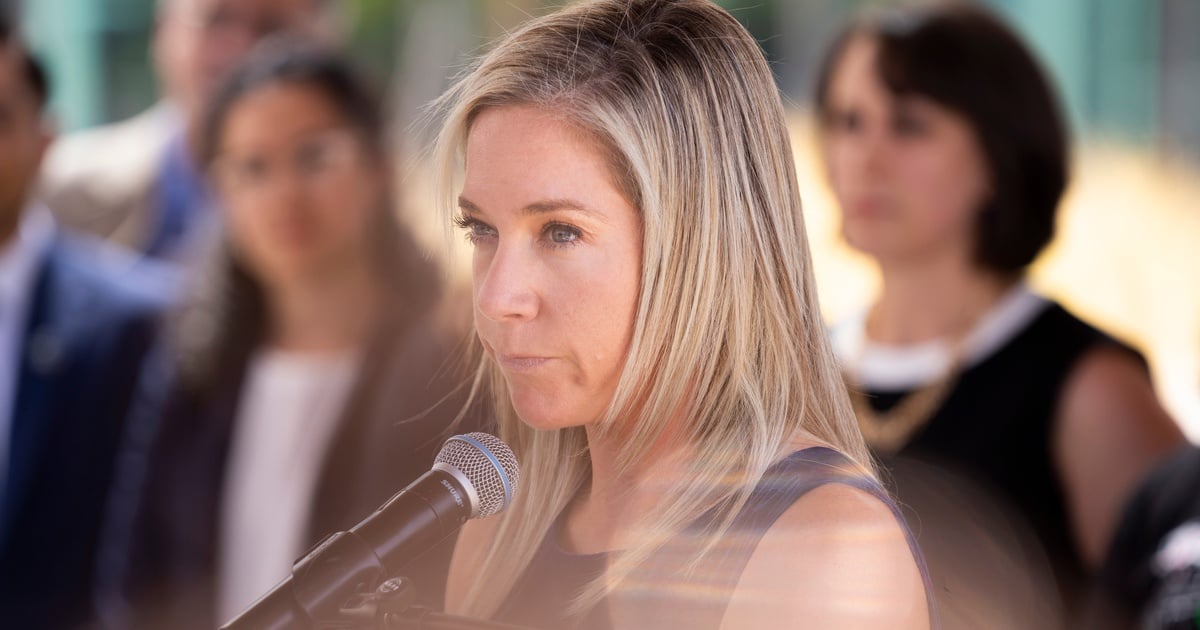
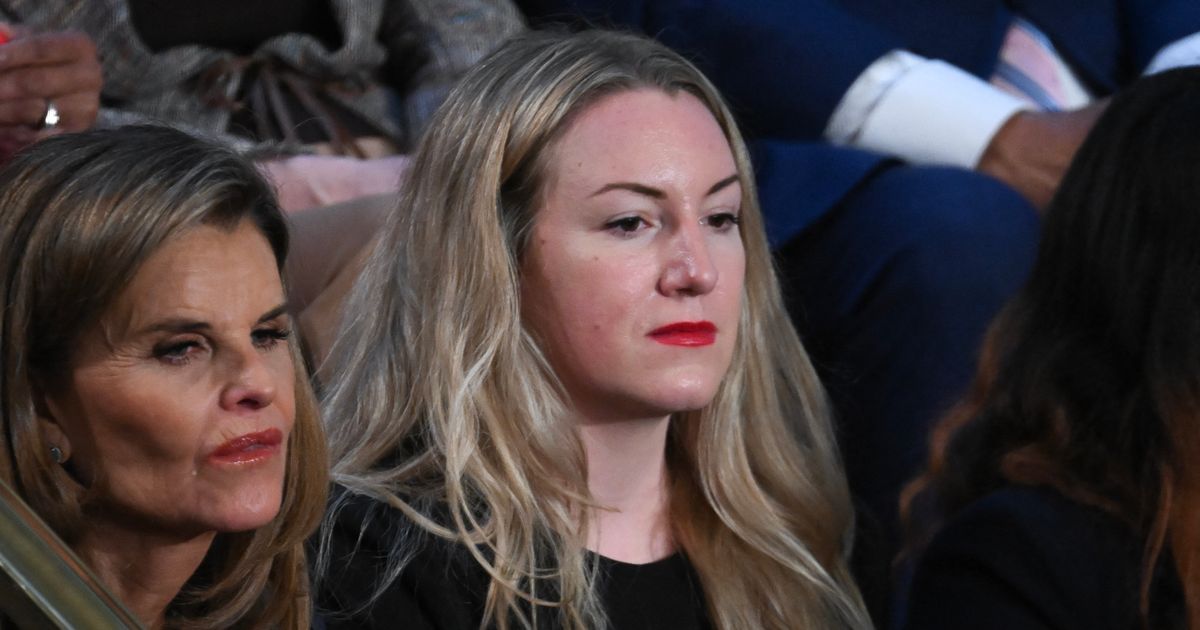
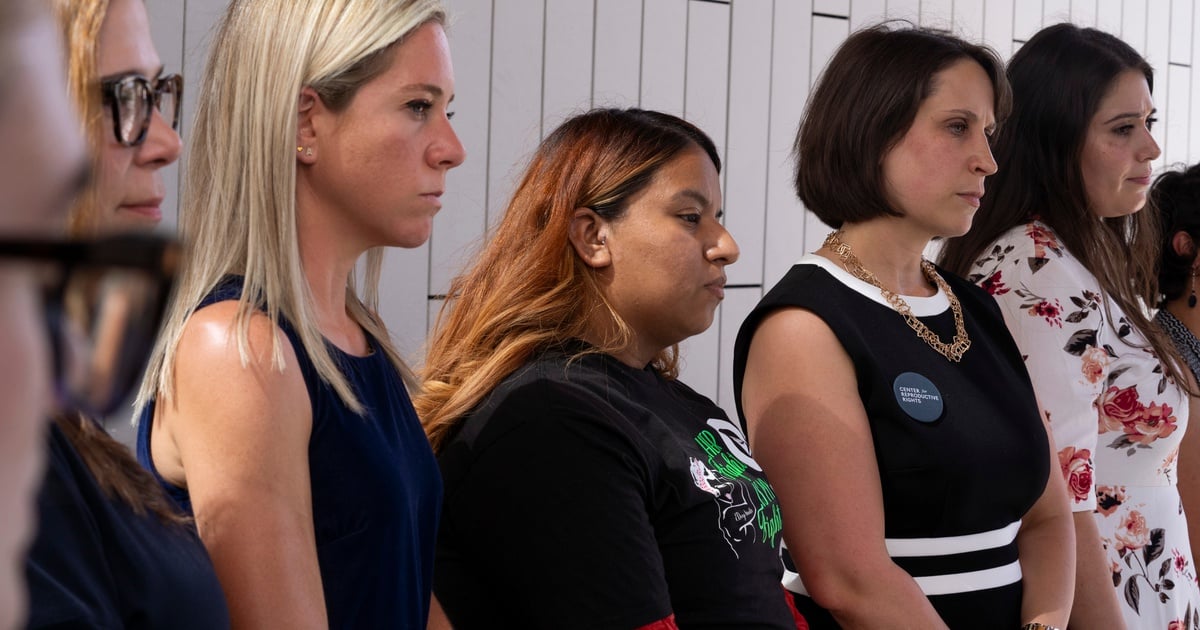
The Texas Supreme Court upheld the state's near-total abortion ban, rejecting a challenge by 20 women who were denied medically necessary abortions. The court ruled that the law's exception for life-threatening conditions is sufficiently broad and directed concerns to the Legislature. The decision has been criticized by affected women and abortion rights advocates, who vow to continue fighting for change.
The Texas Supreme Court unanimously rejected a significant challenge to the state's new abortion laws, ruling that the medical exceptions in the law are broad enough to withstand constitutional scrutiny. The case, Zurawski v. Texas, involved women with complicated pregnancies who argued that the laws prevented them from receiving necessary medical care. The court's decision overturned a previous temporary injunction that allowed abortions based on a doctor's "good faith judgment," stating that the law's requirement for "reasonable medical judgment" is clear. The ruling has been criticized for not providing sufficient reassurance to doctors and for potentially endangering women's health.
The Texas Medical Board declined to specify exceptions to the state's strict abortion ban, leaving physicians and women with pregnancy complications in a state of uncertainty. The board's proposed guidelines advise doctors to carefully document their decision-making but provide few specifics, prompting criticism from opponents who argue that more should be done to protect doctors from prosecution. The board's decision comes after the Texas Supreme Court ruled against a woman seeking an abortion for a fatal fetal condition, and the public now has an opportunity to comment on the proposed guidelines.
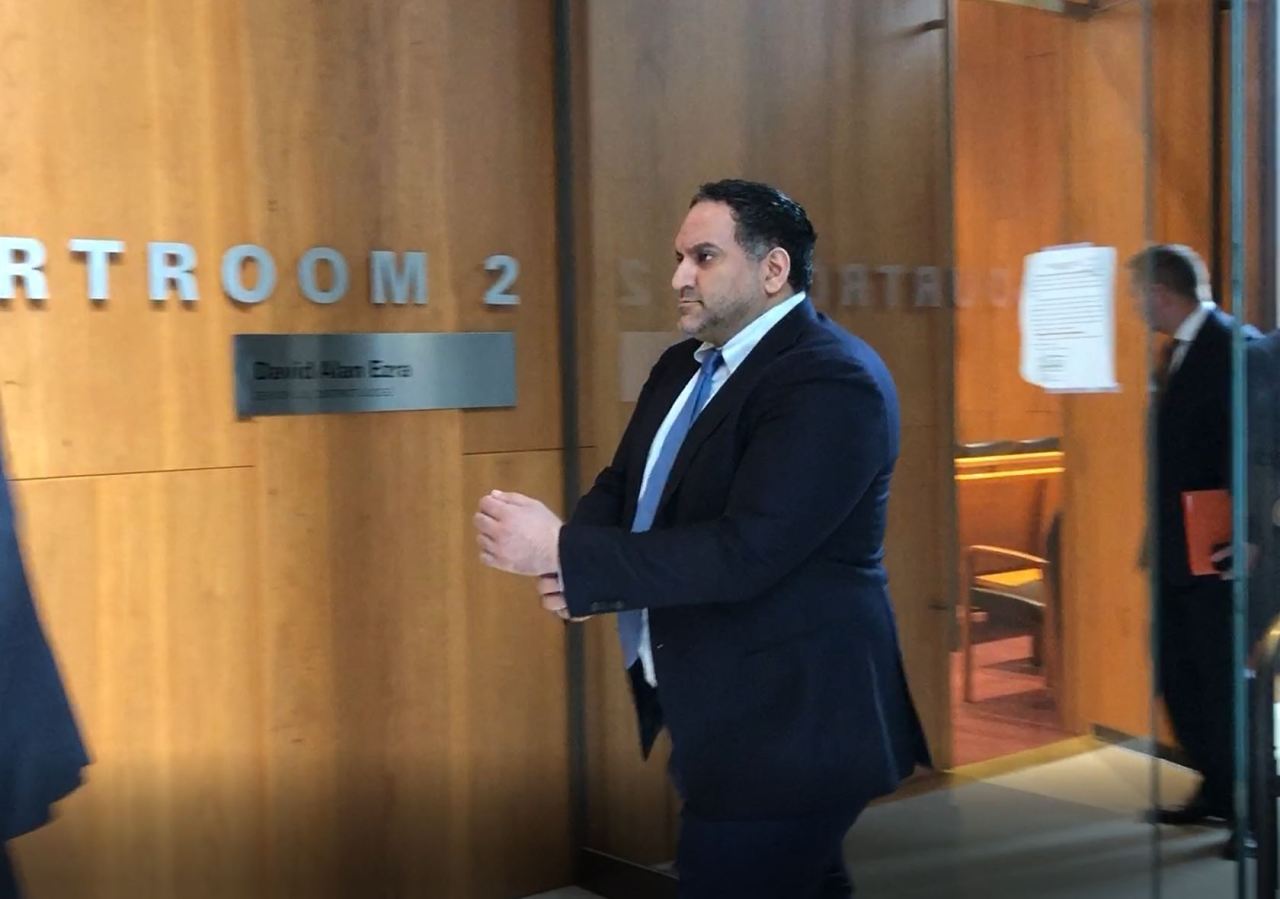
The Texas Supreme Court issued a stay on the jail commitment order for Austin real estate developer Nate Paul, who was facing a 10-day jail sentence for contempt of court in a case involving money owed to The Mitte Foundation. The court's emergency order paused Paul's commitment to jail pending further order. The case involved allegations against Texas Attorney General Ken Paxton and accusations of Paul's repeated disobedience of court orders. Separately, Paul faces federal charges of making false statements to lenders and wire fraud, to which he has pleaded not guilty and is scheduled to go to trial in November.
The Texas Supreme Court has temporarily halted depositions in the whistleblower case against Attorney General Ken Paxton, giving the parties until Feb. 29 to respond with broader legal arguments. This decision came shortly after former President Donald Trump called on the court to end the case. The case involves allegations that Paxton improperly fired former top deputies after they reported him to the FBI for allegedly abusing his office to help a wealthy friend and donor. Paxton's office had fought the order for depositions, and Trump and his allies had pressured the court to side with Paxton.
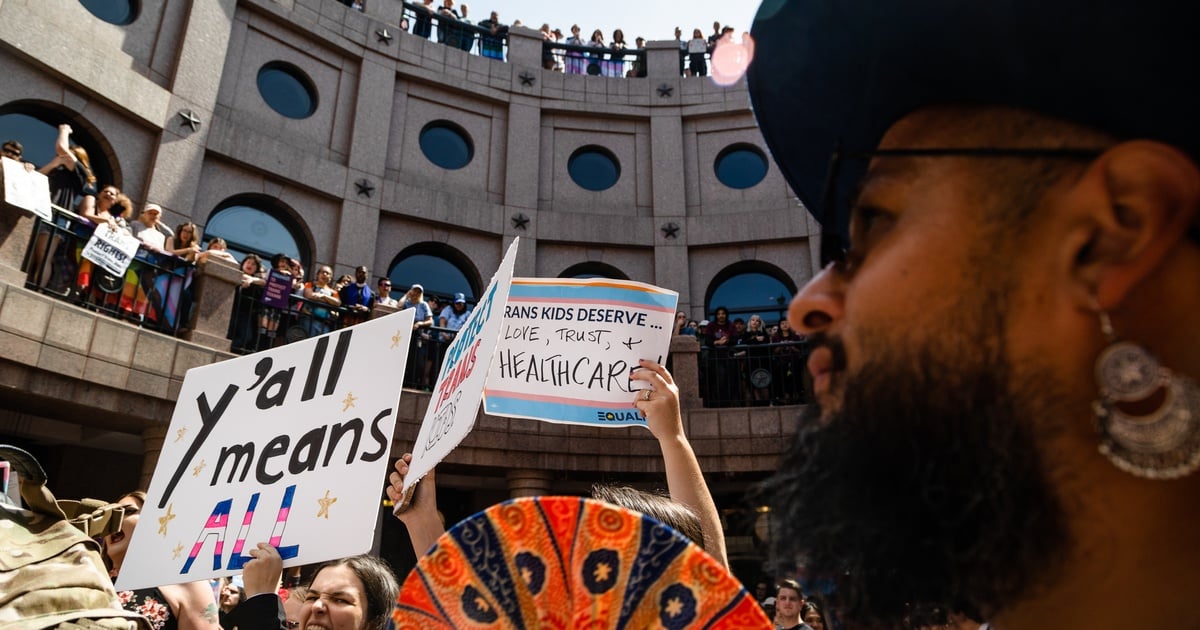
The Texas Supreme Court is set to hear a legal challenge to a state law banning gender-affirming care for transgender youth, which prohibits doctors from prescribing puberty blockers and hormone therapies. The law, passed by Republican lawmakers, has sparked a legal battle as families argue it violates parental rights and discriminates against transgender children. This case reflects a broader national debate over access to gender-affirming care for transgender youth, with similar legal battles unfolding in other states.
The Texas Office of the Attorney General has filed an emergency request with the Texas Supreme Court to block depositions from Ken Paxton and his deputies in a whistleblower lawsuit, arguing that Paxton previously elected not to contest any issue of fact in the case. The whistleblowers' attorneys have filed a response urging the Supreme Court to deny the request. Separately, a Travis County court will have a hearing over the OAG's motion for entry of a judgment in the case, and State Sen. Drew Springer has sent a letter asking the Texas Senate and lieutenant governor to consider reopening the impeachment process based on Paxton's recent legal maneuvers.
The Texas Supreme Court denied Attorney General Ken Paxton’s request to block his deposition in a whistleblower lawsuit filed by his former top-ranking deputies, who allege Paxton wrongfully terminated them after reporting him to federal authorities. The court also denied Paxton’s request to dismiss the lawsuit altogether. This decision will likely compel Paxton to answer questions about allegations of bribery and abuse of power. The lawsuit stems from 2020, when high-ranking officials in Paxton’s office were fired after reporting him to the FBI, and was previously settled for $3.3 million before a House committee initiated an investigation, triggering Paxton’s impeachment and temporary suspension from office.
The Texas Medical Board has remained silent on providing guidance to doctors regarding the state's abortion laws, despite calls from the Texas Supreme Court for more clarity. While the board has the power to revoke a doctor's license for violating the state's abortion ban, many doctors and advocacy groups argue that additional guidance would not be sufficient to address the complexities and nuances of each individual case. The board's chair, Dr. Sherif Zaafran, stated that the board would refrain from getting involved until ongoing court cases are resolved. Critics argue that doctors should be trusted to make decisions in consultation with their patients, and that legislative supervision is impractical and dangerous for women.
The wording of Texas' near-total abortion ban is causing confusion and endangering patients, as emergency medical exceptions are extremely rare and ill-defined. The recent case of Kate Cox, who sought an abortion due to a fatal fetal condition, highlights the lack of clarity in the law. The Texas Supreme Court ruled against Cox, prompting concerns about who qualifies for a medical emergency exception. Only 34 abortions have been performed in the state this year, all in hospitals, compared to over 53,000 in 2020. Reproductive health advocates argue that the exceptions are being made only in dire cases, while rates of severe maternal morbidity and infant deaths have increased in Texas. The American College of Obstetricians and Gynecologists warns that the law will worsen health disparities and maternal mortality rates. The court has called on the Texas Medical Board to provide more guidance, but critics argue that the vagueness may be intentional to discourage abortions. Doctors face potential legal consequences for authorizing or facilitating abortions, leaving them vulnerable.
The Texas Supreme Court's use of an "administrative stay" to block a lower court ruling in an abortion case has raised questions about its legal legitimacy. Unlike federal courts, Texas courts do not have a specific provision for an "administrative stay" in their rules of appellate procedure. The term "administrative stay" is typically used in federal courts to issue immediate orders at the beginning of a case, but it lacks legal significance. The Texas Supreme Court's adoption of this term may disrupt the balance of power within the Texas judiciary, and its use should be approached cautiously to ensure it aligns with the state's constitutional framework.