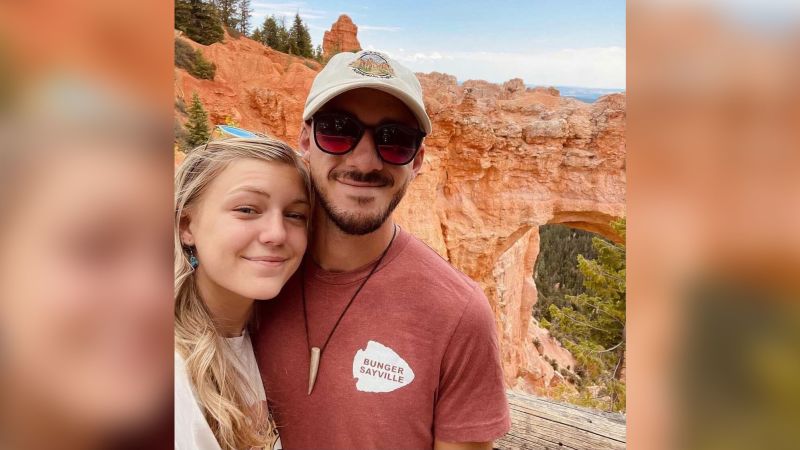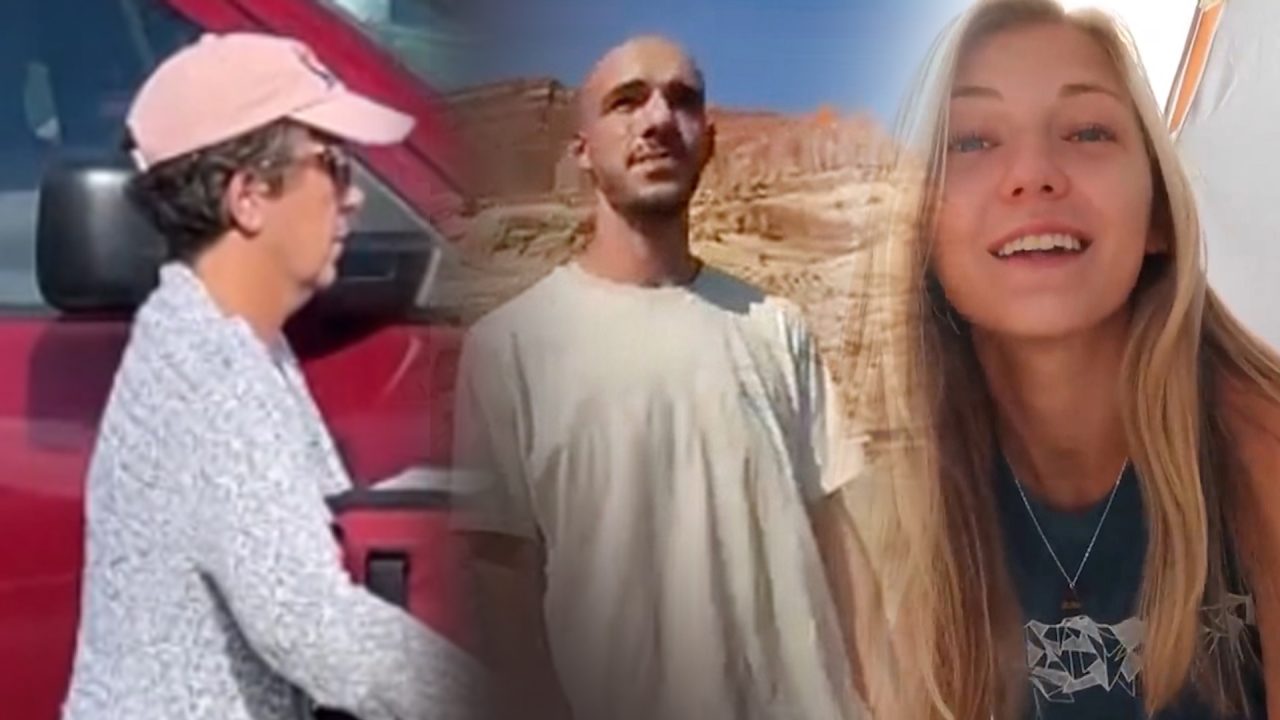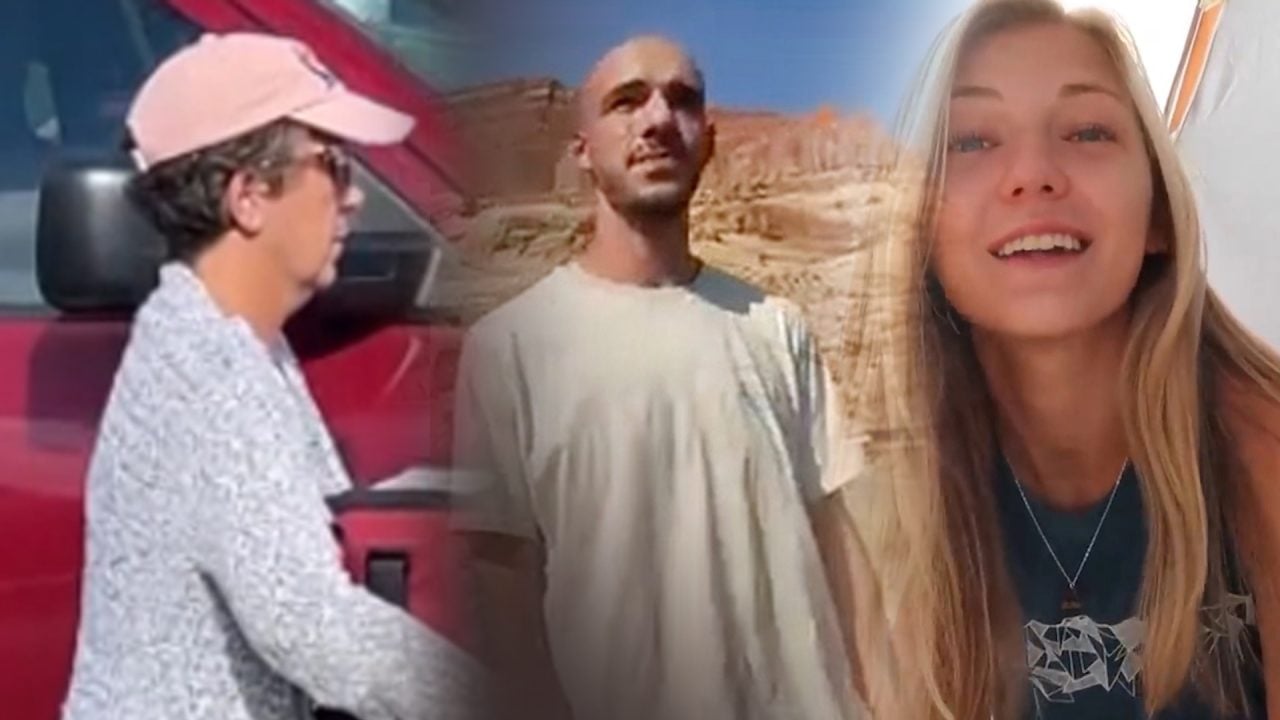
Newly released court documents reveal that Brian Laundrie planned to work on an Oregon pumpkin farm with his girlfriend Gabby Petito before she was murdered. The depositions, spanning more than 700 pages, shed light on the couple's future plans and the Laundries' reactions to Brian's confession about Gabby's death. The Petito family is suing the Laundries for damages, alleging that they hid the truth about their daughter's murder. The depositions offer a glimpse into the events leading up to Gabby Petito's death and the complex dynamics surrounding the high-profile case.
In newly filed court documents, Brian Laundrie’s parents detail the frantic phone calls on August 29, 2021, when their son told them his fiancee Gabby Petito was "gone" and he needed an attorney, three weeks before Petito's remains were found. The depositions are part of a lawsuit brought by Petito’s parents against Laundrie’s parents for pain and emotional distress, claiming the Laundries knew their son had killed Gabby and intentionally withheld that information. Laundrie's parents detail their reactions and actions during the unfolding of the case, including their decision to ignore texts and calls from Petito's family.
In depositions for a civil trial, Brian Laundrie's parents claim they were never told Gabby Petito was dead, despite Brian's frantic call saying "Gabby's gone" after her murder. The Laundries maintain they believed Gabby had "disappeared" before contacting their attorney, and they never considered contacting Gabby's parents. The depositions also revealed details about Brian's storage unit, his intentions to work at a pumpkin farm in Oregon, and a letter from Roberta Laundrie. Joe Petito expressed that there will never be justice for Gabby and the family seeks to hold the Laundries accountable through the lawsuit.
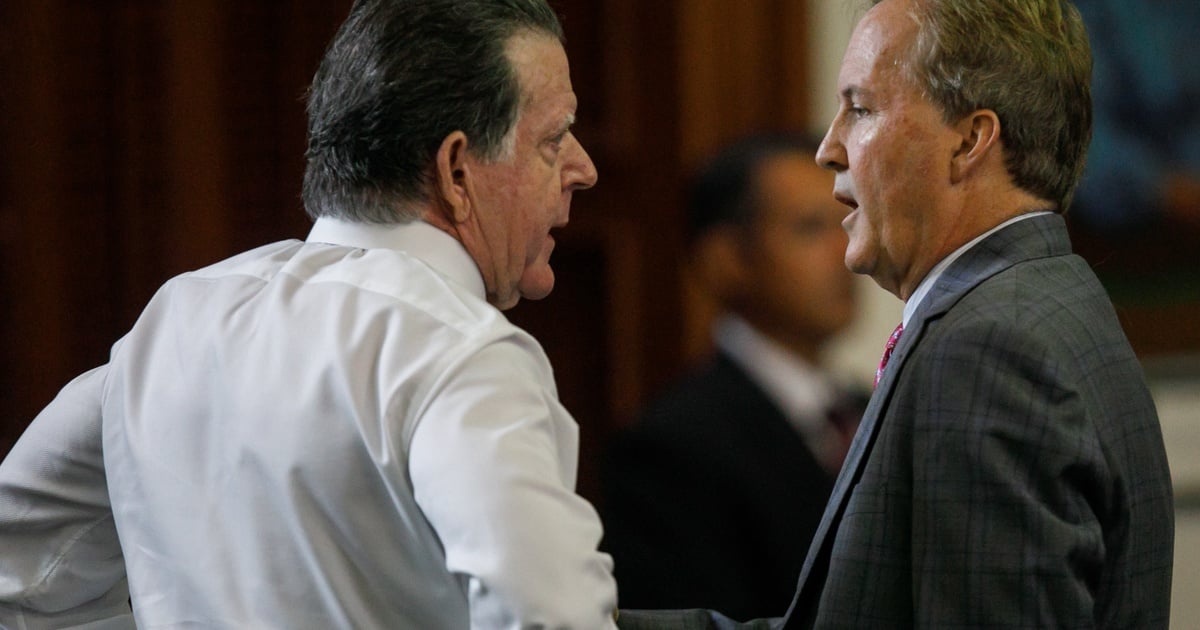
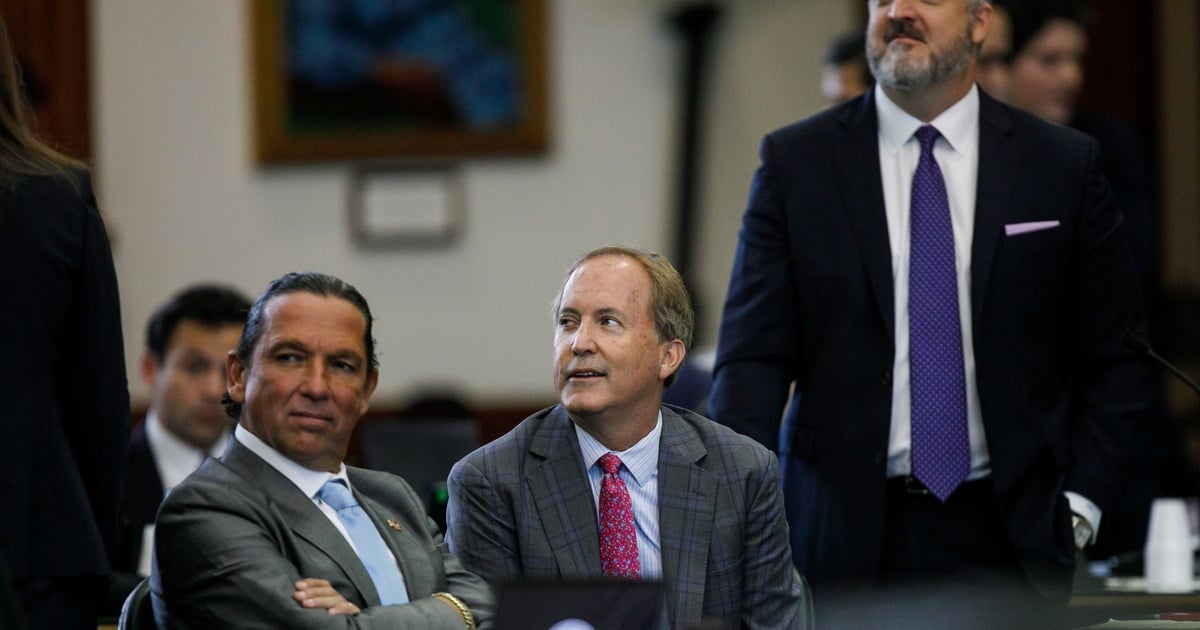
The Texas Supreme Court has temporarily halted depositions in the whistleblower case against Attorney General Ken Paxton, giving the parties until Feb. 29 to respond with broader legal arguments. This decision came shortly after former President Donald Trump called on the court to end the case. The case involves allegations that Paxton improperly fired former top deputies after they reported him to the FBI for allegedly abusing his office to help a wealthy friend and donor. Paxton's office had fought the order for depositions, and Trump and his allies had pressured the court to side with Paxton.
A judge has ruled that former Gov. Andrew Cuomo's lawyers can depose his accusers and request documents in ongoing lawsuits related to sexual harassment allegations. The judge's order comes after months of legal battles between Cuomo and his accusers, granting some clarity in the complex web of lawsuits. Cuomo has issued subpoenas to 36 people and government entities involved in the scandals, seeking evidence to challenge the allegations. The judge has limited some of Cuomo's evidence requests, particularly those related to private sexual history, and Cuomo is also pursuing records through the state's Freedom of Information law.
A judge has ordered Texas Attorney General Ken Paxton and three top aides to sit for depositions in a whistleblower lawsuit against him. The whistleblowers, former top deputies who sued Paxton in 2020, alleged that he improperly fired them after they reported him to the FBI for abusing his office to help a wealthy friend and donor. Paxton's office had previously attempted to settle the case for $3.3 million, but the Texas House rejected the use of taxpayer dollars for the settlement. The depositions will provide an opportunity for the whistleblowers to gather evidence and seek accountability from Paxton and his aides.
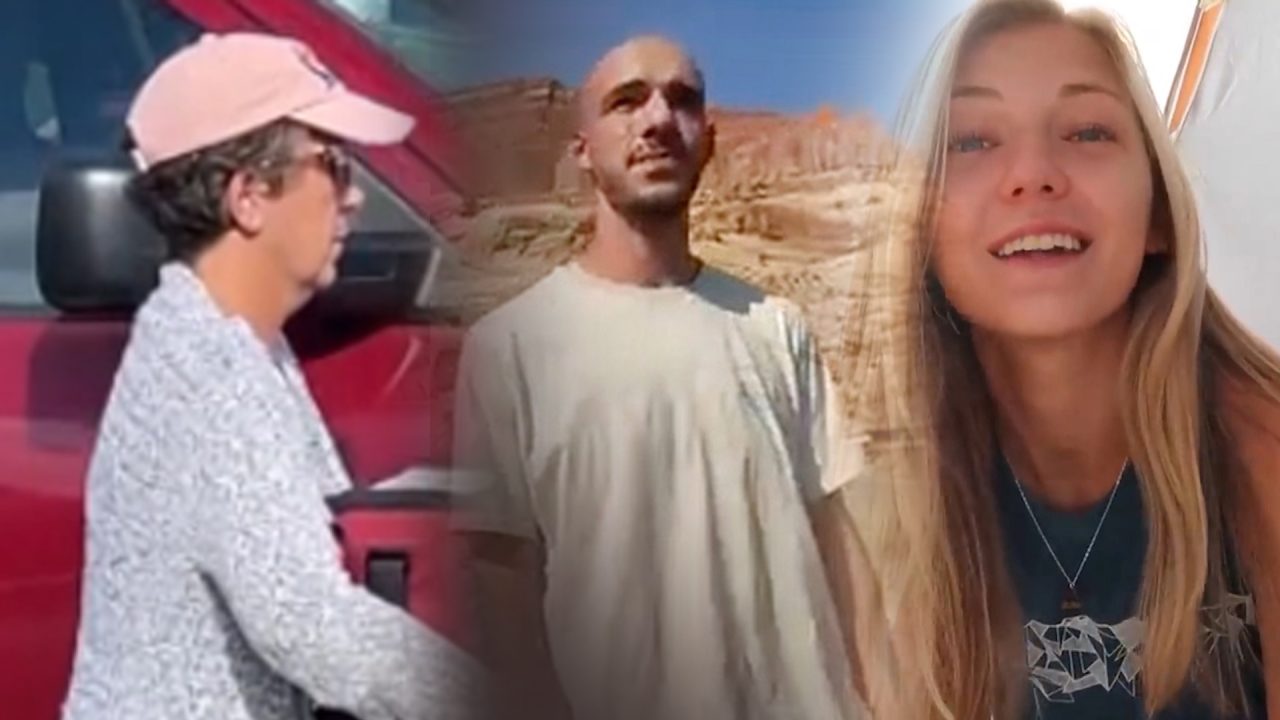
In depositions for the upcoming civil trial between the families of Gabby Petito and Brian Laundrie, Laundrie's parents admitted that their son told them Petito was "gone" and that he needed a lawyer two days after she was believed to have been murdered. The Petito family's attorney has filed a motion to force Laundrie's attorney to reveal what Brian Laundrie told him, suspecting that more information was shared. The trial, in which the Petito family alleges intentional infliction of emotional distress, is scheduled for May 2024.
In depositions for the upcoming civil trial between the families of Gabby Petito and Brian Laundrie, Laundrie's parents admitted that their son told them Petito was "gone" and that he needed a lawyer two days after her murder. However, they did not admit to knowing she had been killed. Petito's attorney has filed a motion to force Laundrie's lawyer to reveal what Brian Laundrie told him, suspecting that more information was shared. The Petito family has sued the Laundries and their lawyer for intentional infliction of emotional distress. The trial is scheduled for May 2024.
In depositions for the upcoming civil trial between the families of Gabby Petito and Brian Laundrie, Laundrie's parents admitted that their son told them Petito was "gone" and that he needed a lawyer two days after she was believed to have been murdered. The Petito family's attorney has filed a motion to force Laundrie's attorney to reveal what Brian Laundrie told him, suspecting that more information was shared. The trial, in which the Petito family alleges intentional infliction of emotional distress, is scheduled for May 2024.
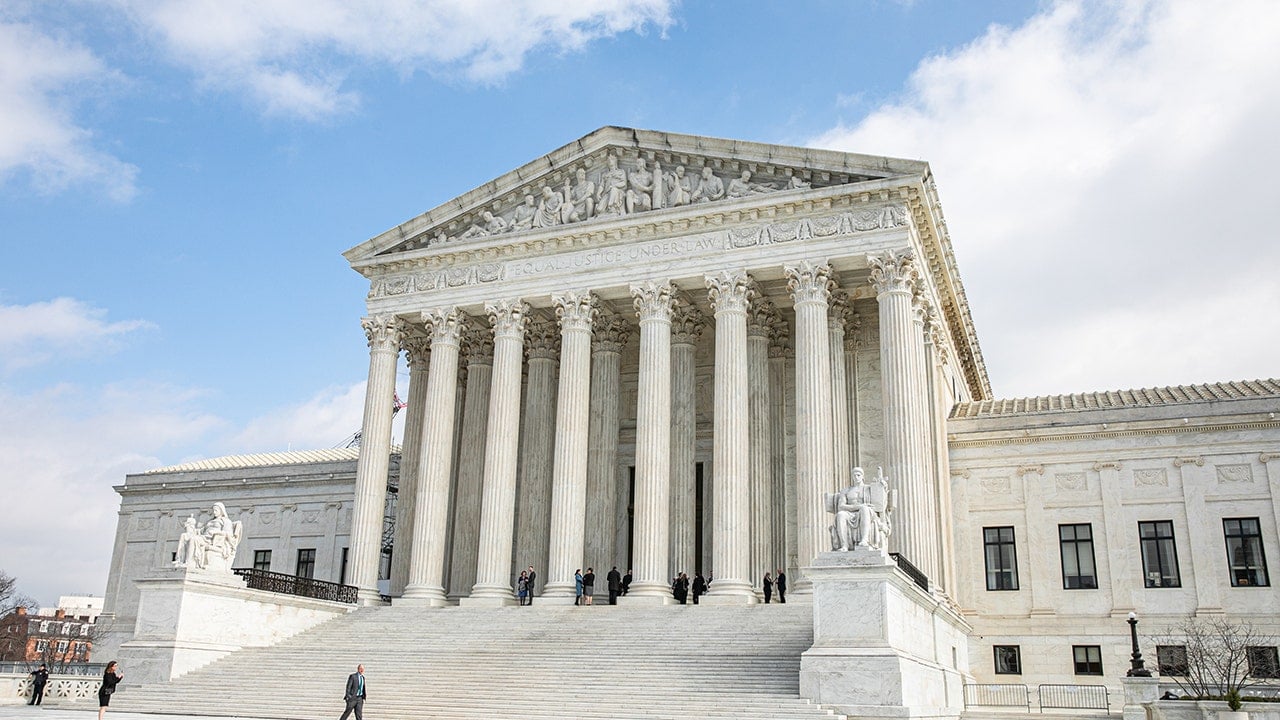
The U.S. Supreme Court has ruled that Arizona's top Republican leaders, House Speaker Ben Toma and Senate President Warren Petersen, must sit for depositions in an ongoing federal lawsuit challenging state voting rights. The lawmakers will be required to explain, under oath, their support for state laws that require proof of citizenship to vote, which civil rights groups argue are racially discriminatory. The court's decision rejects claims that the depositions would violate legislative privilege. The case could have significant implications for the 2024 presidential election in the swing state of Arizona.
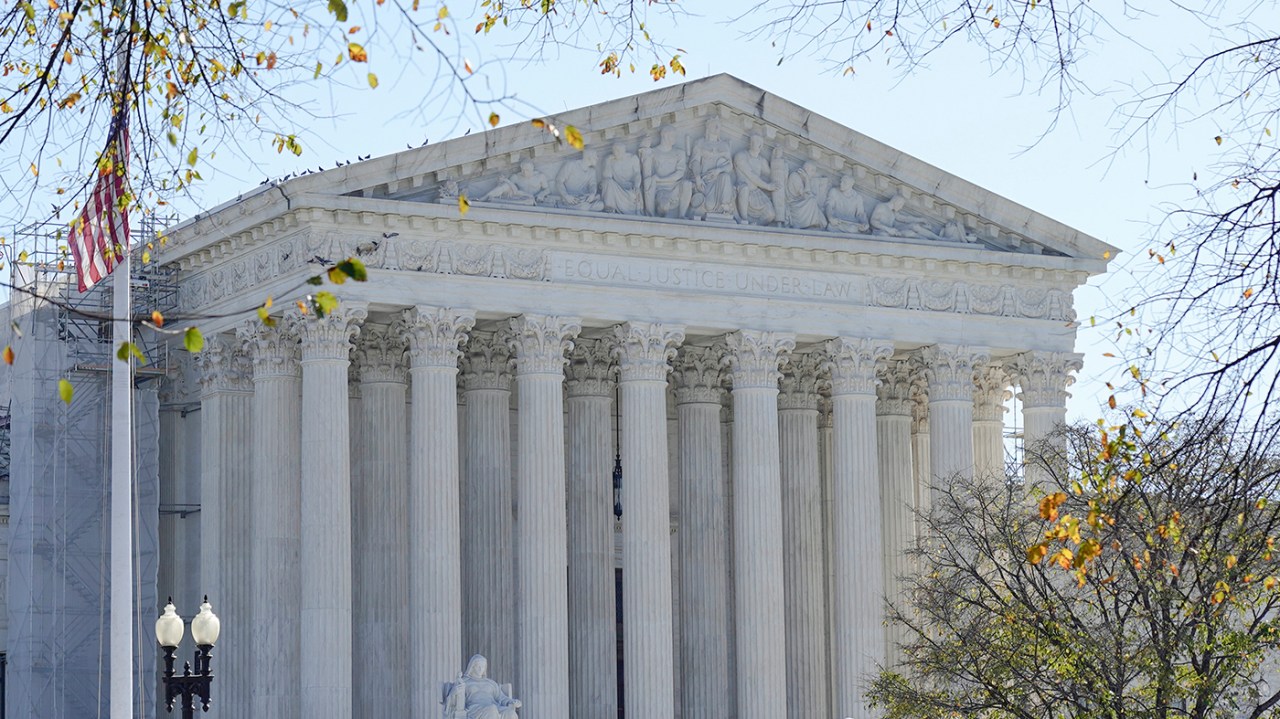
The Supreme Court has rejected a request by Arizona's House Speaker and Senate President to avoid depositions in an ongoing lawsuit challenging two state voting laws as racially discriminatory. The lawmakers argued that being deposed would violate legislative privilege, but the justices rejected their request. Last year, Arizona passed voting bills that require proof of citizenship and change rules for voter roll removal, leading to legal challenges from the Justice Department, Democratic National Committee, and voting groups. The plaintiffs sought to depose the lawmakers to understand the Legislature's intent in enacting the laws, and the lawmakers' intervention in the lawsuit waived their privilege, according to the plaintiffs.
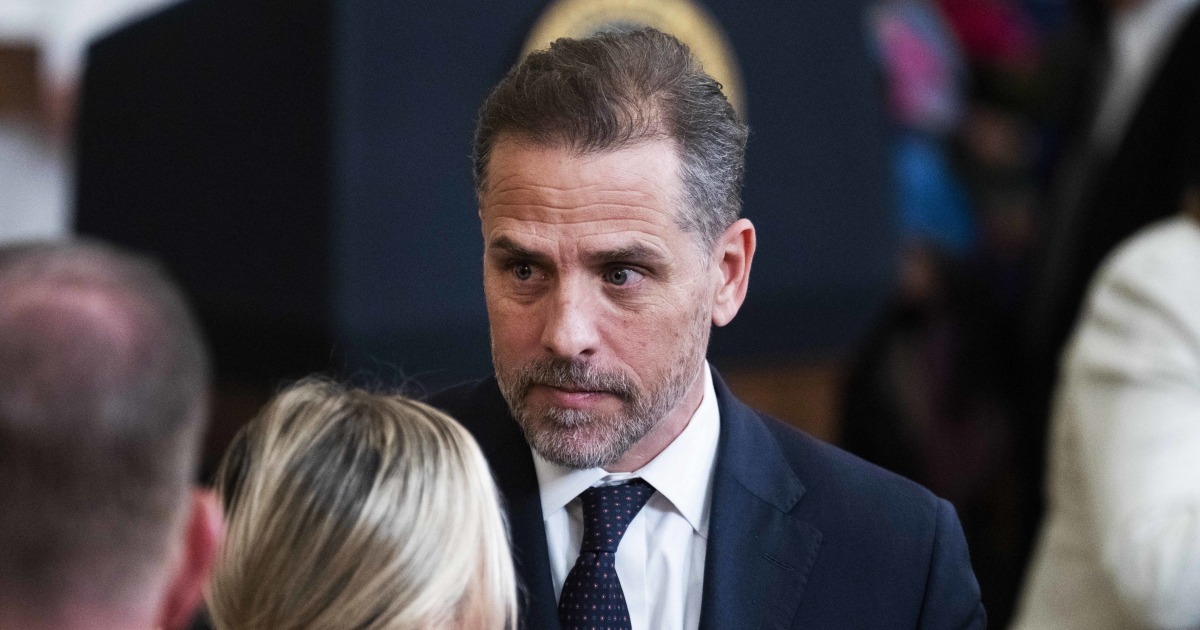
Lawyers for Hunter Biden have filed a countersuit against top Trump allies, including Steve Bannon and Rudy Giuliani, regarding the alleged dissemination of Biden's electronic data. The lawsuit targets John Paul Mac Isaac, the computer repair shop owner who said Hunter Biden abandoned a water-damaged laptop at his store. Biden's attorneys are alleging invasion of privacy and argue Mac Isaac helped copy and disseminate Hunter Biden's data for political and commercial purposes. They are seeking the return of any copy of his data, compensatory and punitive damages, as well as reimbursement of attorneys fees. Biden's legal team is also seeking to depose Guo Wengui, a Bannon associate who was allegedly involved in the dissemination of Hunter Biden's electronic data.