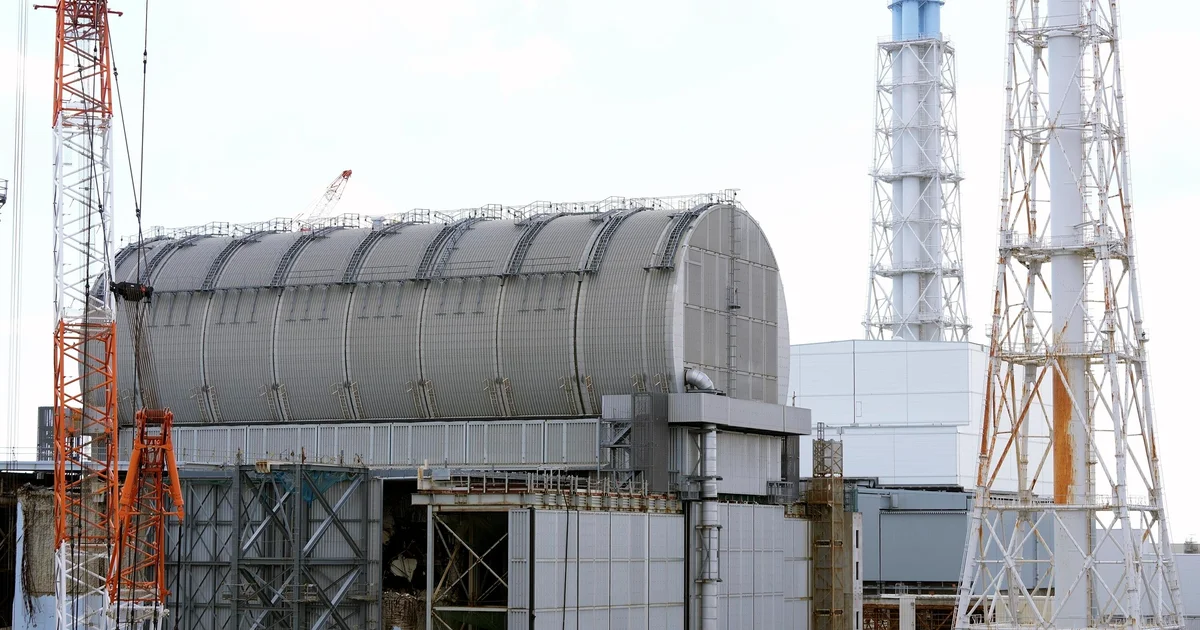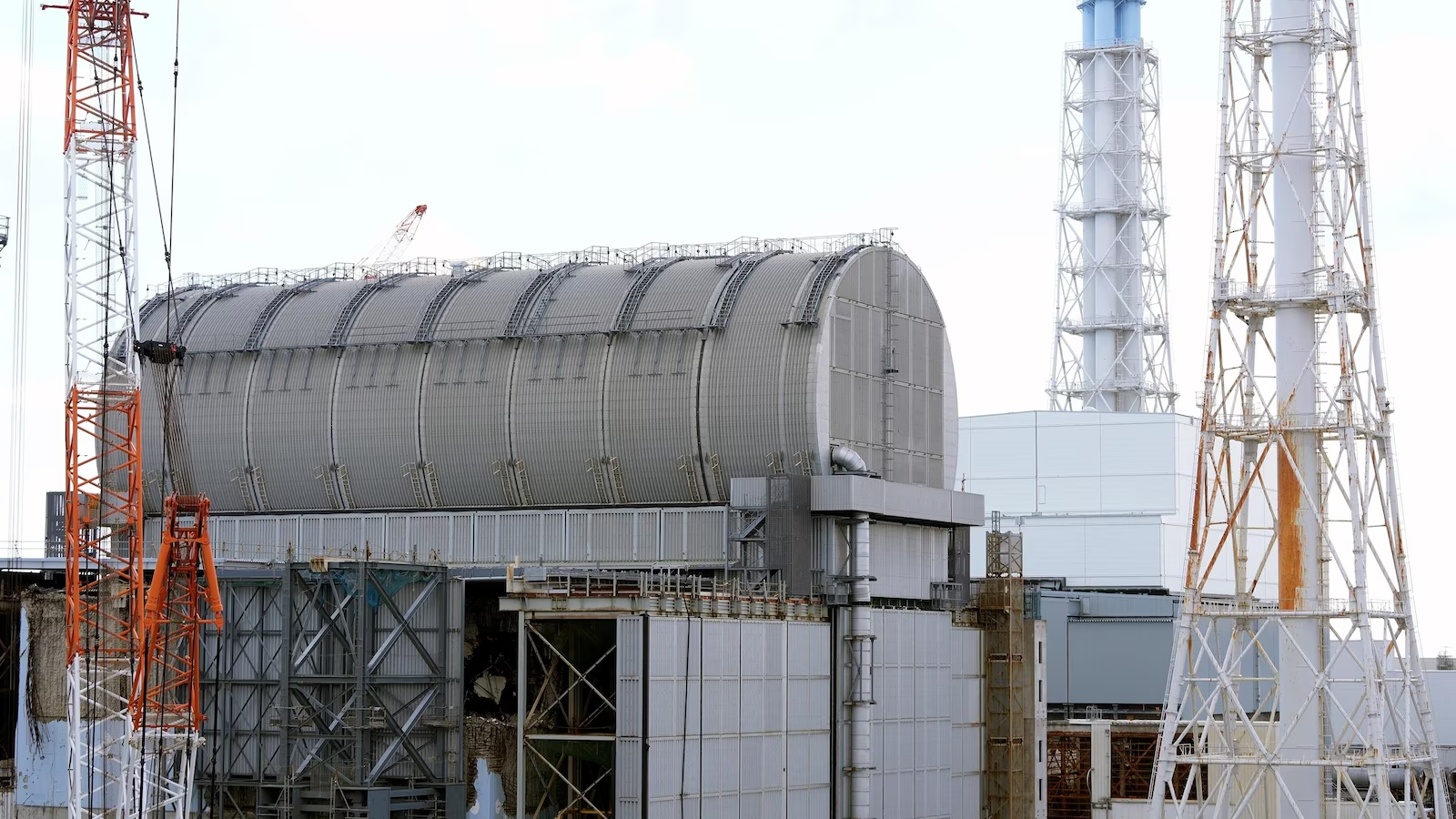
The full-scale removal of melted nuclear fuel debris at Fukushima Daiichi is delayed until at least 2037 due to extensive preparation needs, pushing back Japan's decommissioning timeline originally set for 2051, with experts estimating the process could take over a century.
The Fukushima Daiichi nuclear plant's full-scale removal of melted fuel debris has been delayed until 2037 or later due to extensive preparation needs, setting back Japan's decommissioning timeline originally targeted for 2051, with experts estimating the process could take over a century.
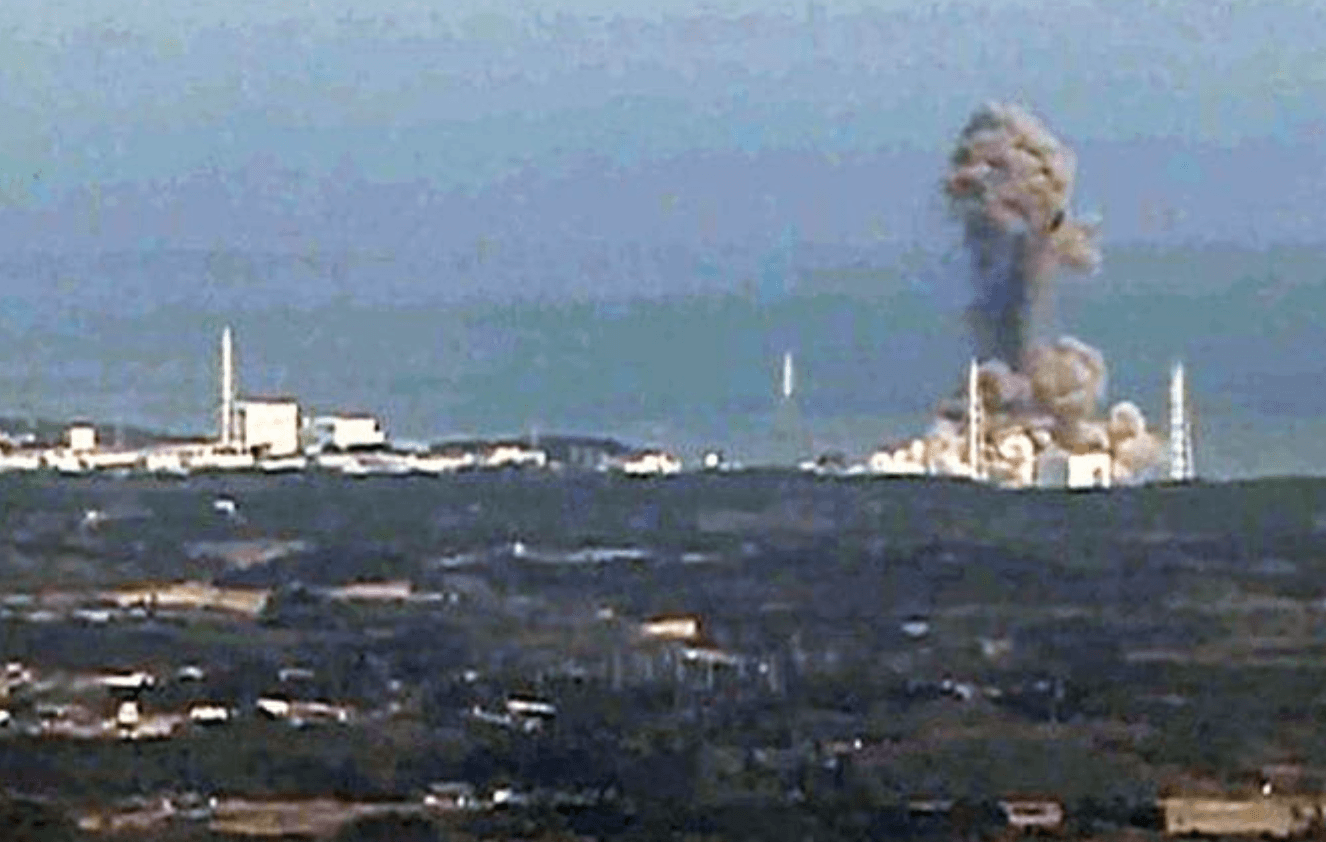
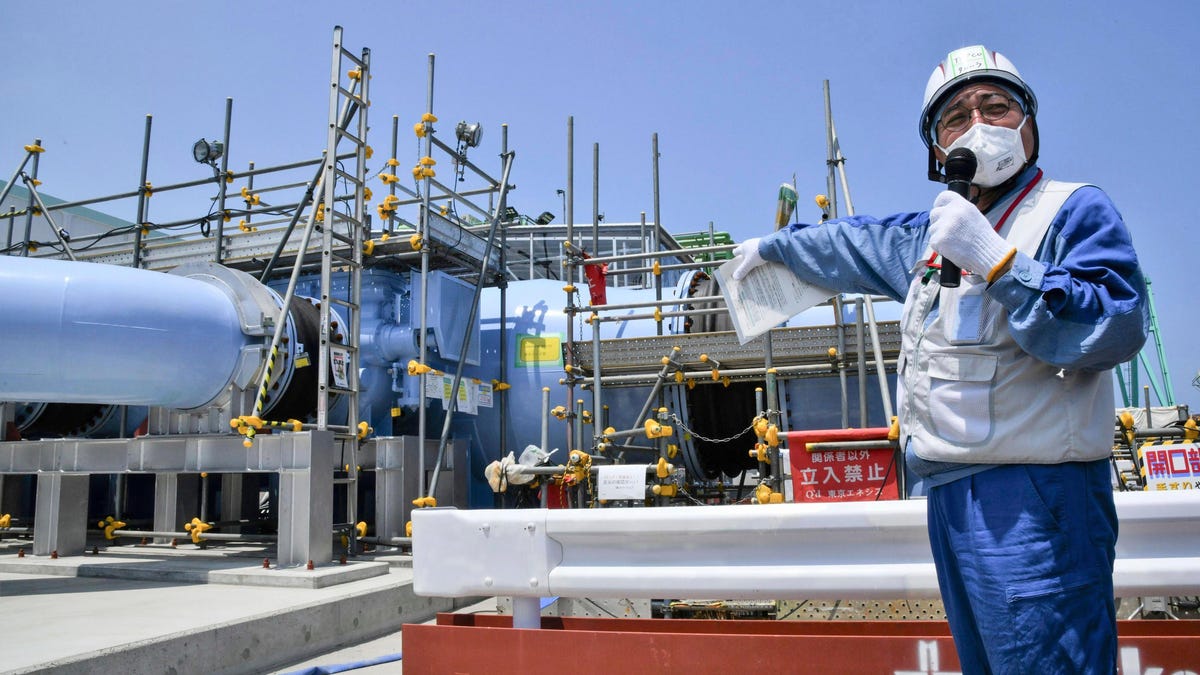
Highly radioactive water leaked from a treatment machine at the Fukushima Daiichi nuclear power plant, but no radiation escaped the facility, and no one was injured. The leak, caused by valves left open during maintenance work, resulted in 6 tons of radioactive water seeping into the soil. Despite concerns over Tepco's controversial wastewater discharge project, radiation levels around the plant and in the environment remain unaffected. This incident follows a previous accidental leak at a separate treatment facility, highlighting ongoing challenges in managing the aftermath of the 2011 disaster.
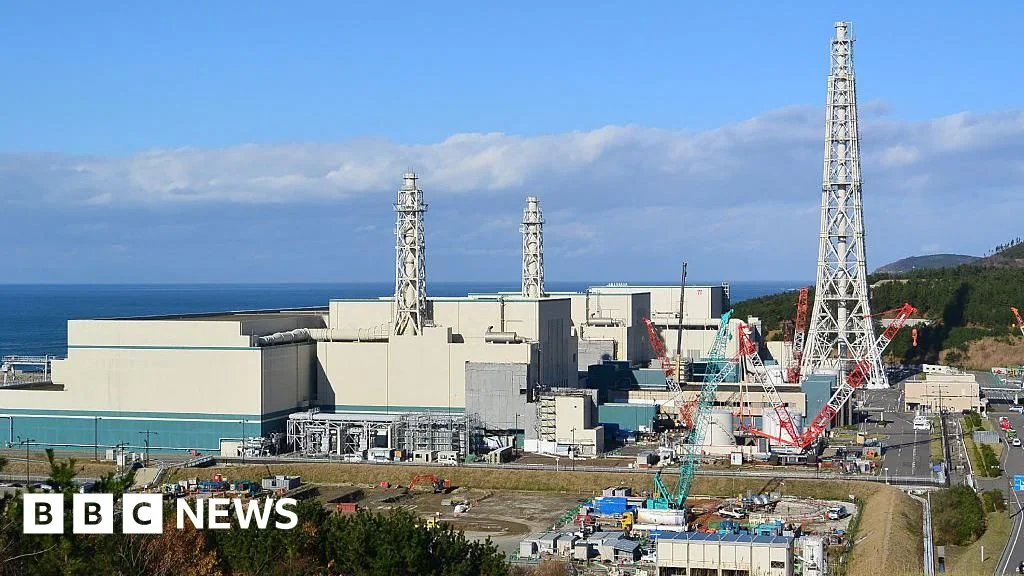
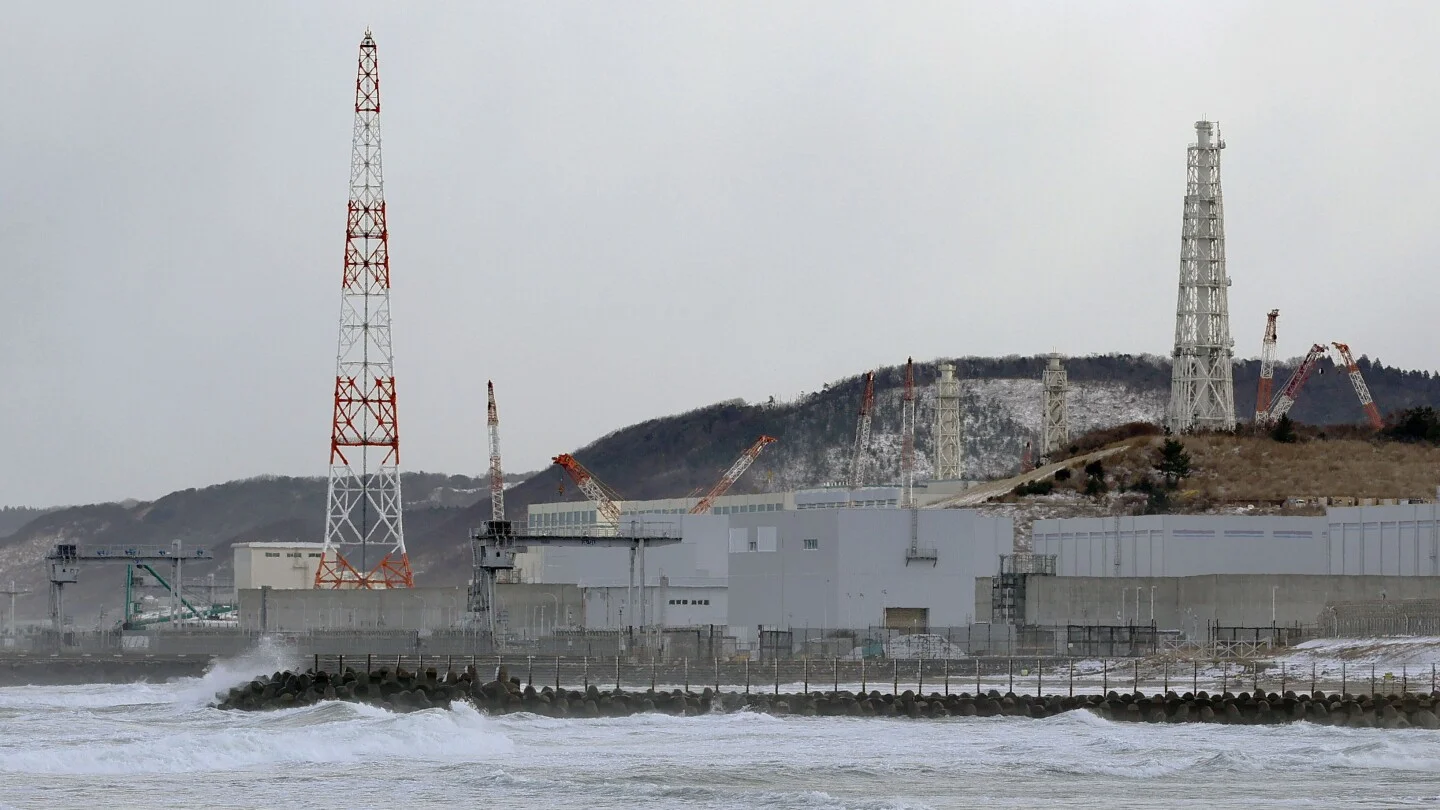
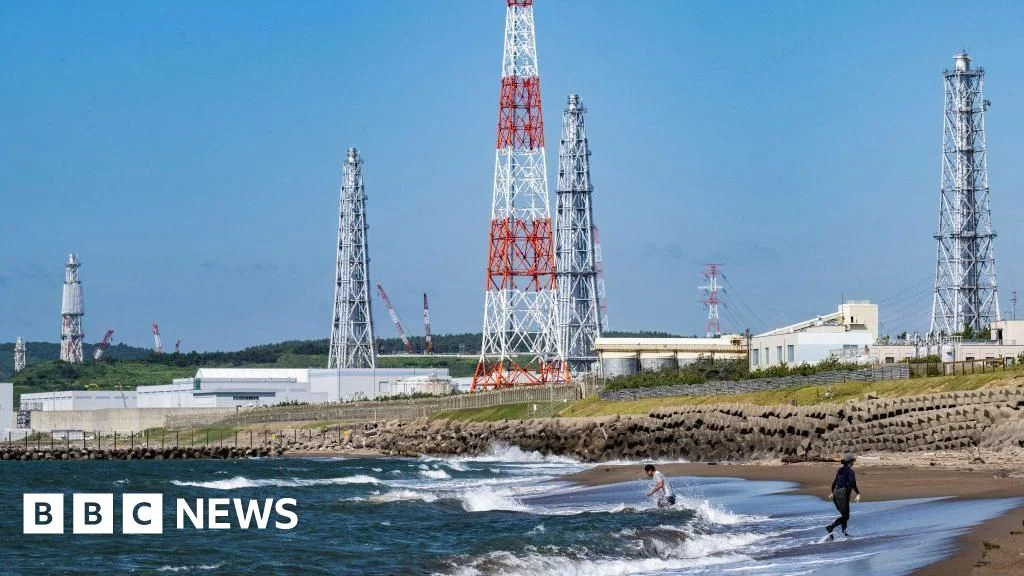
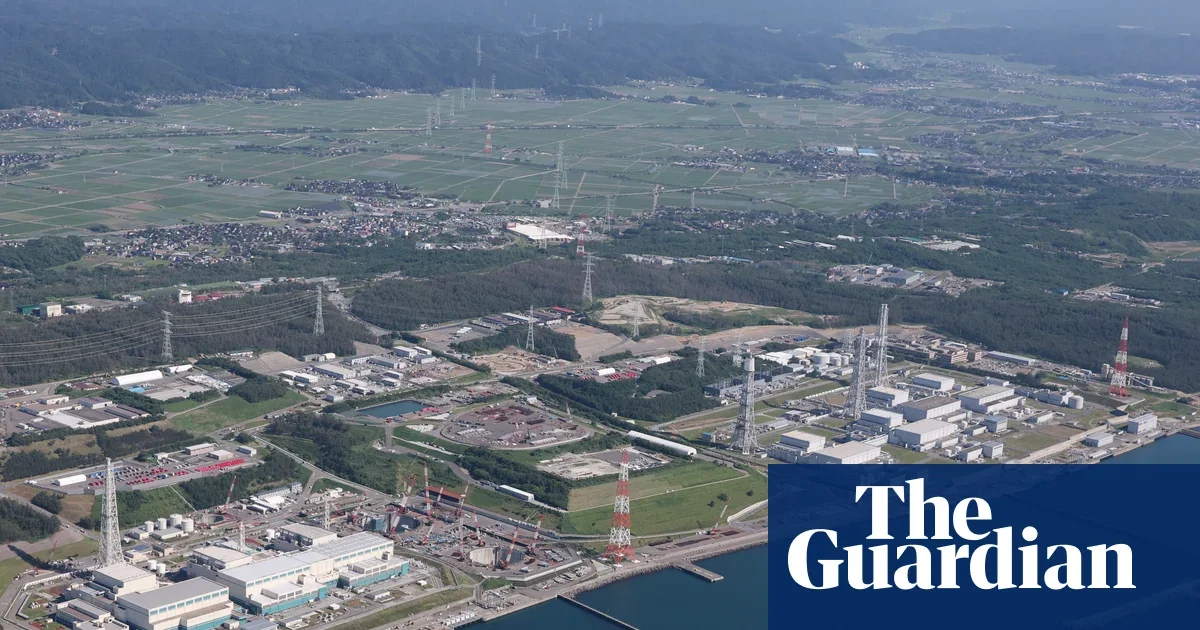
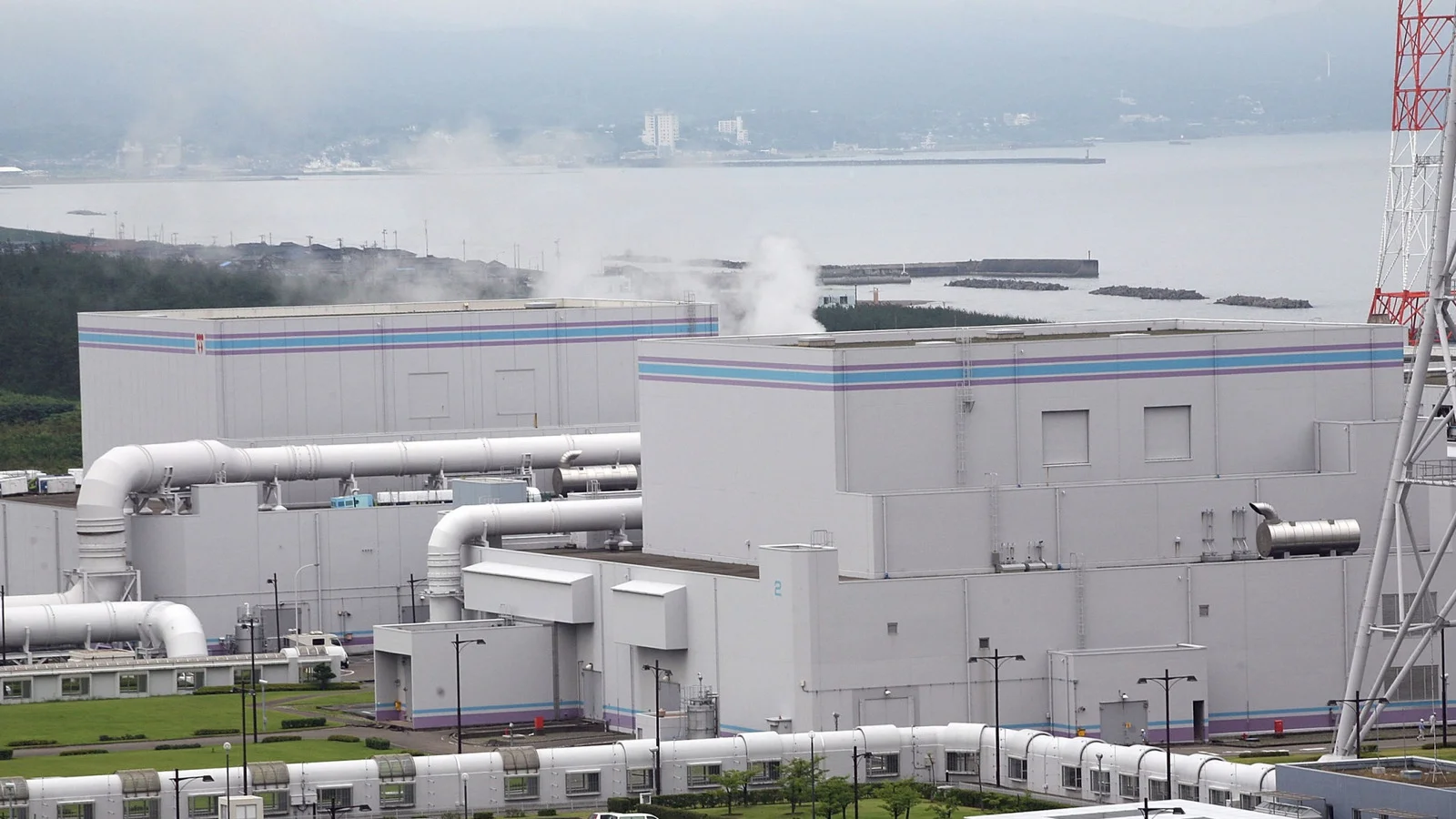
A significant earthquake on Japan's western coast has raised concerns about the safety of restarting nuclear power plants in a country frequently hit by natural disasters. The quake caused damage and power outages, and occurred shortly after a ban on the operation of Tokyo Electric's Kashiwazaki-Kariwa plant was lifted. Despite the government's shift towards reviving nuclear energy due to energy crises, public skepticism remains high, especially after the recent tremor caused water to spill from nuclear fuel pools, although radiation levels remained normal. The incident has affected the stock market and could influence Japan's energy policy and public sentiment towards nuclear power.
A recent earthquake near Japan's western coast has raised concerns about the safety of restarting nuclear power plants in a country prone to natural disasters. The quake struck close to TEPCO's Kashiwazaki-Kariwa plant, which had just had an operational ban lifted, and caused water to spill from nuclear fuel pools, although radiation levels remained normal. The event has affected public sentiment and could influence government policy on nuclear energy, as Japan grapples with energy security and high prices. Despite initial market reactions, analysts do not foresee an immediate impact on LNG imports, but future disruptions could change this outlook.
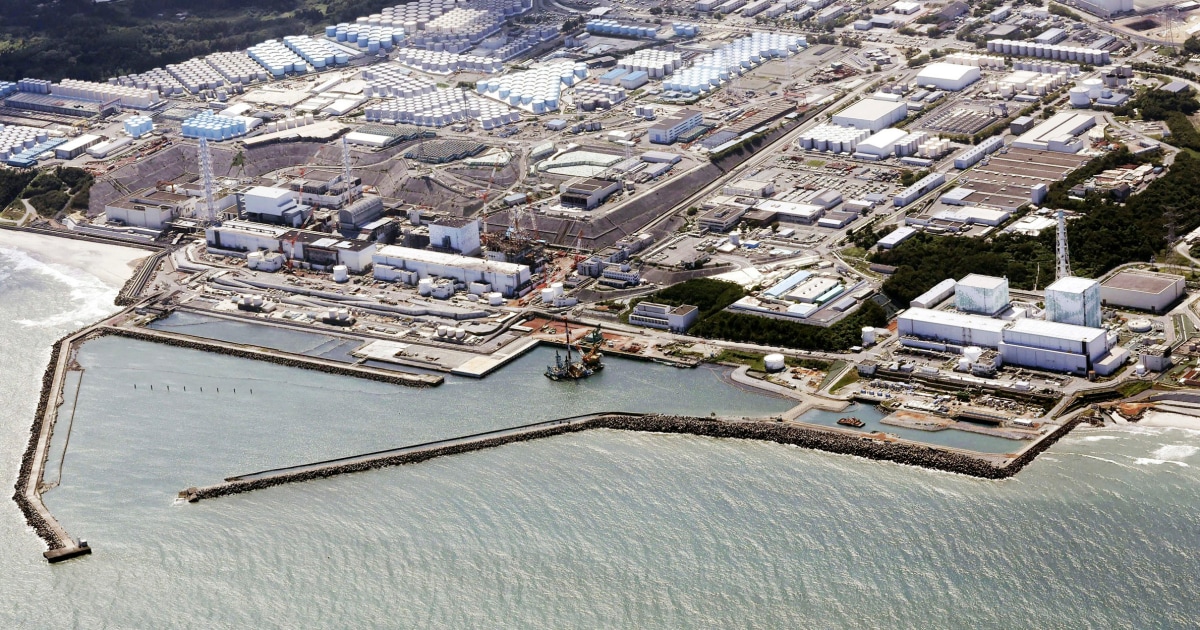
Japan's government and Tepco, the owner of the Fukushima-Daiichi nuclear plant, plan to pump 1.37 million tons of radioactive wastewater into the Pacific Ocean. However, their track record with wastewater management is poor, with their filtration system, ALPS, being a failure. The ALPS system has not effectively removed radioactive materials, and documents show that 84% of the water at Fukushima contains concentrations of radioactive materials higher than legal limits. Tepco plans to re-filter the wastewater, but this process leaves behind highly radioactive sludge. Concerns have been raised about the lack of transparency and the potential health risks associated with the ocean dumping.
Tokyo Electric Power Holdings (TEPCO) has completed construction on all necessary infrastructure and equipment to discharge treated radioactive wastewater from the Fukushima Daiichi power plant into the ocean. The only barrier remaining is a final safety inspection from national regulators. If approved, TEPCO expects to begin discharging the wastewater this summer. The company has been treating the water to minimize its radioactivity, but not all harmful compounds can be removed. Critics remain skeptical of the plan, citing environmental concerns and potential long-term marine health impacts.