Mukhtar Babayev, Azerbaijan's ecology and natural resources minister and former oil executive, has been appointed to lead the 2024 U.N. climate talks, raising concerns among climate activists due to his past association with the state oil company. Despite Azerbaijan's heavy reliance on oil and gas revenues, there is cautious optimism recalling the unexpected positive outcomes from the previous COP28 in Dubai. The upcoming conference in Azerbaijan will focus on critical issues such as climate change adaptation and mitigation financing, with the international community watching for a fair and ambitious facilitation by the host country.

Mukhtar Babayev, Azerbaijan's ecology and natural resources minister and former oil executive, has been appointed to lead this year's U.N. climate talks, sparking concerns over the influence of the oil industry in climate negotiations. This follows the contentious presidency of Sultan Ahmed al-Jaber, a state oil company leader, at COP28. Critics, including climate scientist Michael Mann, argue that oil executives should not preside over climate summits due to conflicts of interest. Azerbaijan, a country heavily reliant on oil and gas revenues, will host the talks with Babayev aiming to reduce the nation's climate pollution and increase renewable energy capacity.
Mukhtar Babayev, a former oil and gas industry executive and current Azerbaijan’s ecology and natural resources minister, has been appointed as the president-in-waiting for the upcoming COP29 climate summit. Despite his oil background and Azerbaijan's heavy reliance on fossil fuel exports, Babayev has experience in environmental protection, including soil remediation efforts. His appointment has raised concerns about the commitment to phasing out fossil fuels, but UN climate change executive secretary Simon Stiell has expressed support for working with Babayev to ensure a successful COP29.
Mukhtar Babayev, a former oil executive with extensive experience in Azerbaijan's national oil company, has been nominated to lead the COP29 climate talks in Baku, Azerbaijan. Despite concerns over the influence of the oil industry on climate negotiations, his predecessor, Sultan al-Jaber, managed to secure agreements on transitioning away from fossil fuels at COP28. COP29 is expected to focus more on financial goals for climate action, but the appointment of another oil industry veteran has sparked criticism from climate activists who are calling for the exclusion of big polluters from the talks.
A significant earthquake on Japan's western coast has raised concerns about the safety of restarting nuclear power plants in a country frequently hit by natural disasters. The quake caused damage and power outages, and occurred shortly after a ban on the operation of Tokyo Electric's Kashiwazaki-Kariwa plant was lifted. Despite the government's shift towards reviving nuclear energy due to energy crises, public skepticism remains high, especially after the recent tremor caused water to spill from nuclear fuel pools, although radiation levels remained normal. The incident has affected the stock market and could influence Japan's energy policy and public sentiment towards nuclear power.
California is accelerating the implementation of its climate change policies, fearing potential hindrances from a second Trump administration. The state's Air Resources Board has delayed enforcing new rules, such as the mandate for trucking fleets to transition to zero-emission vehicles, due to pending federal approvals from the EPA. The Biden administration's EPA is currently facing a backlog of waiver requests from California, which seeks to set stricter emissions standards than federal levels. Environmentalists and state officials are concerned that bureaucratic delays could jeopardize these climate initiatives, especially if there is a shift in presidential administration following the next election.
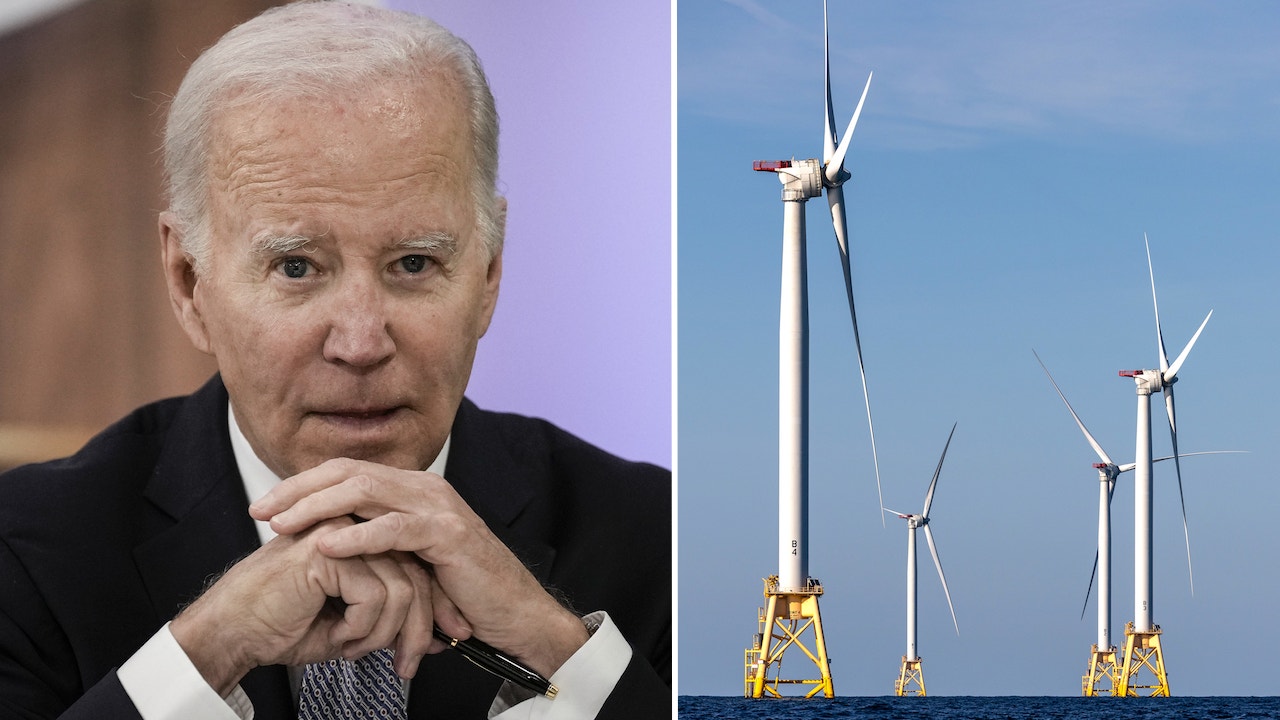
Equinor and BP have terminated their contract for the Empire Wind 2 project off the coast of New York due to economic challenges such as inflation and supply chain issues. This decision is a setback for President Biden's ambitious green energy goals, which include deploying 30 gigawatts of offshore wind energy by 2030. The project's cancellation follows the approval of the first two large-scale offshore wind projects in U.S. history and the recent cancellation of Orsted's Ocean Wind projects, further impacting the administration's clean energy agenda.
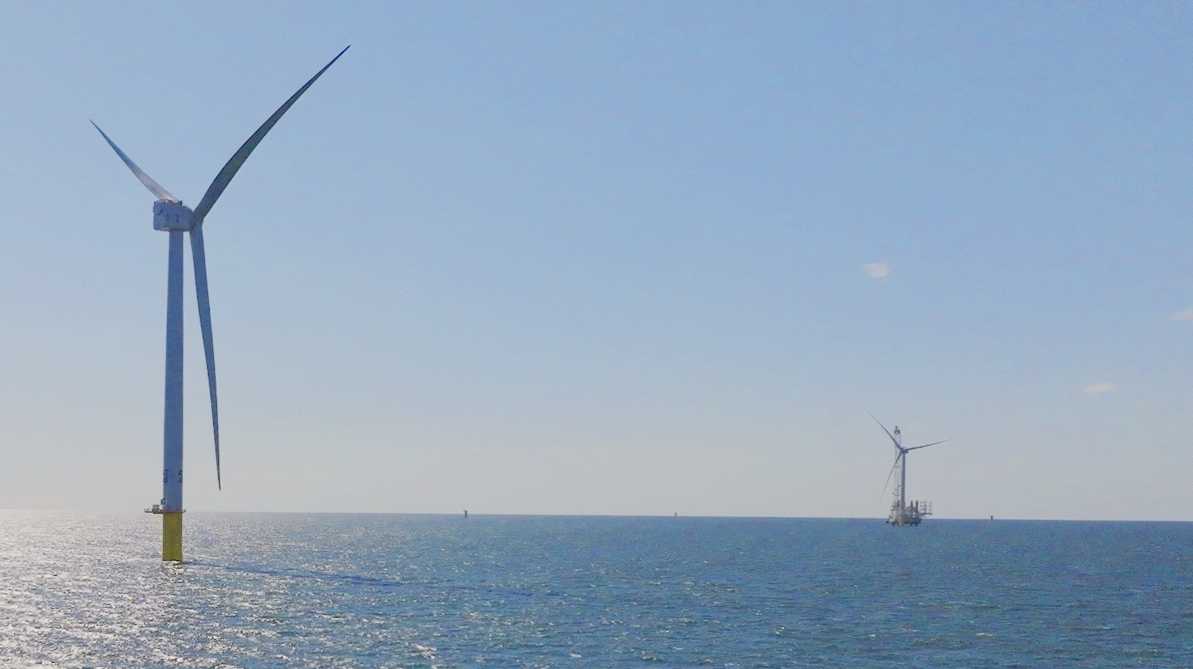
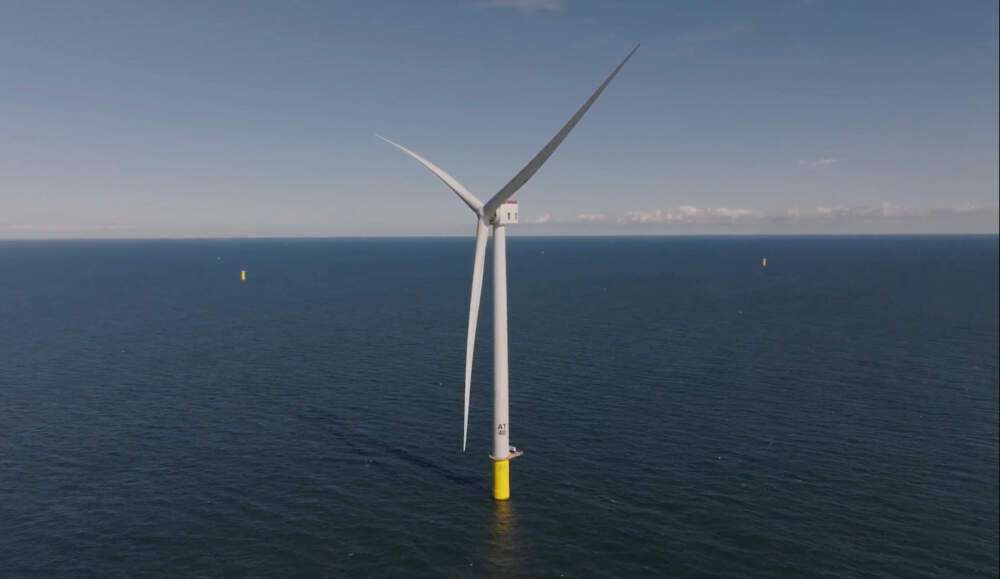
The Vineyard Wind project, an offshore wind farm located off the coast of Martha's Vineyard, has begun delivering power to New England's electric grid, marking a significant milestone for the American offshore wind industry. One of the five completed GE Haliade-X turbines supplied approximately 5 megawatts of power, with plans to have all turbines operational early this year. Once fully complete, the wind farm will consist of 62 turbines, generating enough electricity for around 400,000 homes and businesses. This development represents a key step towards Massachusetts' goal of energy independence and aligns with the Biden administration's broader objectives for renewable energy expansion on the East Coast.
The United States has reached a milestone in renewable energy as the first turbines from two major offshore wind farms, Vineyard Wind in Massachusetts and South Fork Wind near New York, begin supplying electricity to the grid. Vineyard Wind's first turbine delivered 5 megawatts to the Massachusetts grid, with more turbines to be operational early in the year. This progress comes amidst international commitments to increase renewable energy usage and challenges faced by the offshore wind industry, including project delays and financial feasibility concerns. The Biden administration's support contrasts with previous regulatory delays, marking a significant step forward for the U.S. in climate action and the transition to clean energy.
The United States has inaugurated its first large-scale offshore wind project, Vineyard Wind, off the coast of Massachusetts, marking a significant step in the country's renewable energy efforts. The project, which began with one turbine producing 5MW of power, aims to have 62 turbines generating enough electricity for 400,000 homes. This development aligns with President Joe Biden's goal of deploying 30GW of offshore wind by 2030 and represents a major achievement for the American offshore wind industry, despite recent setbacks such as project cancellations and opposition from various groups.
The Vineyard Wind project, the United States' first large-scale offshore wind farm located near Martha's Vineyard, has begun producing clean electricity, marking a significant milestone for the country's renewable energy sector. The project, which is expected to be fully operational in early 2024, will eventually consist of 62 turbines generating up to 800 megawatts of power, enough to supply around 400,000 homes in Massachusetts. This achievement is a step towards President Biden's goal of 30,000 megawatts of offshore wind power by 2030 and represents a significant advancement for the U.S. in combating climate change and moving towards energy independence.
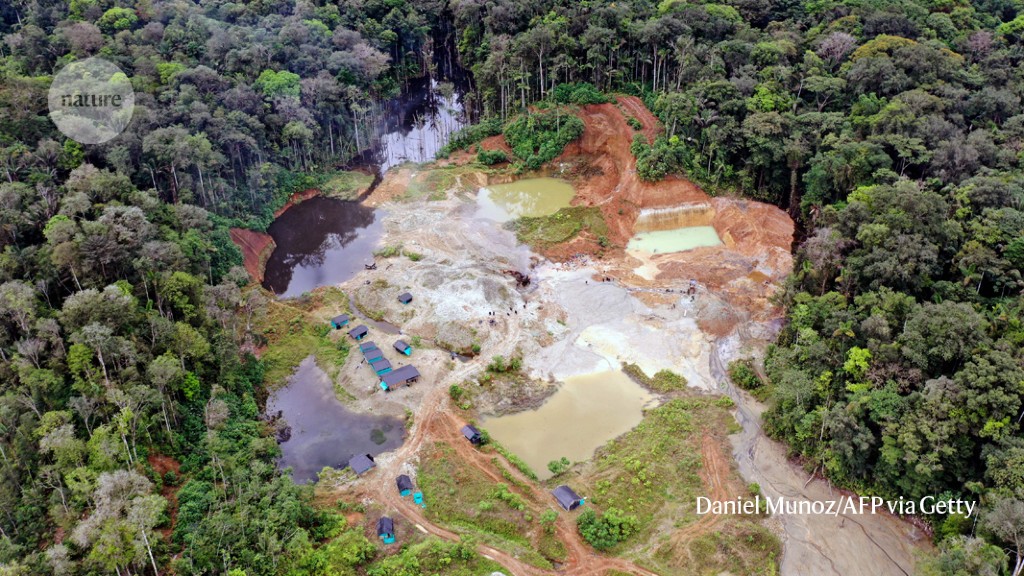
A significant portion of the world's mining activities, including their environmental and community impacts, remains undocumented due to data gaps and lack of comprehensive inventories. Researchers face challenges in assessing the sector's global impact due to incomplete databases, such as the S&P Capital IQ Pro, and the prevalence of illegal operations. The article advocates for improved data collection and sharing, transparency, and the use of remote sensing and AI to fill information gaps. This is crucial as the demand for minerals, especially for clean technologies, is expected to increase, necessitating better data to assess future impacts and risks.
CleanTechnica discusses the potential catastrophic impact of a major solar storm like the historic Carrington Event on modern technology and infrastructure. While such an event is unlikely, the article emphasizes the importance of preparedness due to the increased solar activity expected in 2024 and 2025. It highlights the progress in research and grid protection, as well as personal measures to safeguard against electromagnetic disruptions. The piece calls for continued pressure on governments and utilities to fortify against such space weather events, noting that clean technologies could be both affected by and instrumental in responding to these challenges.
New York City has launched a sustainability initiative by updating zoning laws to allow over 8,500 acres of parking lots to be covered with solar canopies, potentially powering 130,000 homes. The "City of Yes for Carbon Neutrality" regulations also facilitate the installation of EV charging stations across the city. This move is part of NYC's broader goal to reduce greenhouse gas emissions by 2050 and transition to cleaner energy and transportation options, setting a precedent for other cities to follow in the fight against climate change.