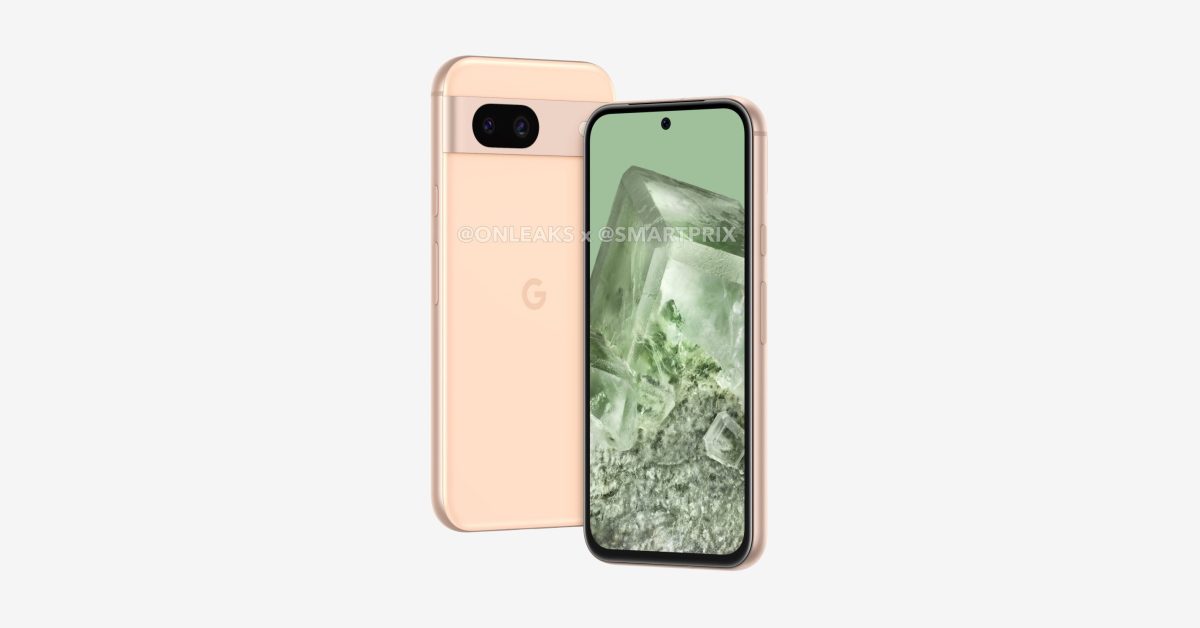
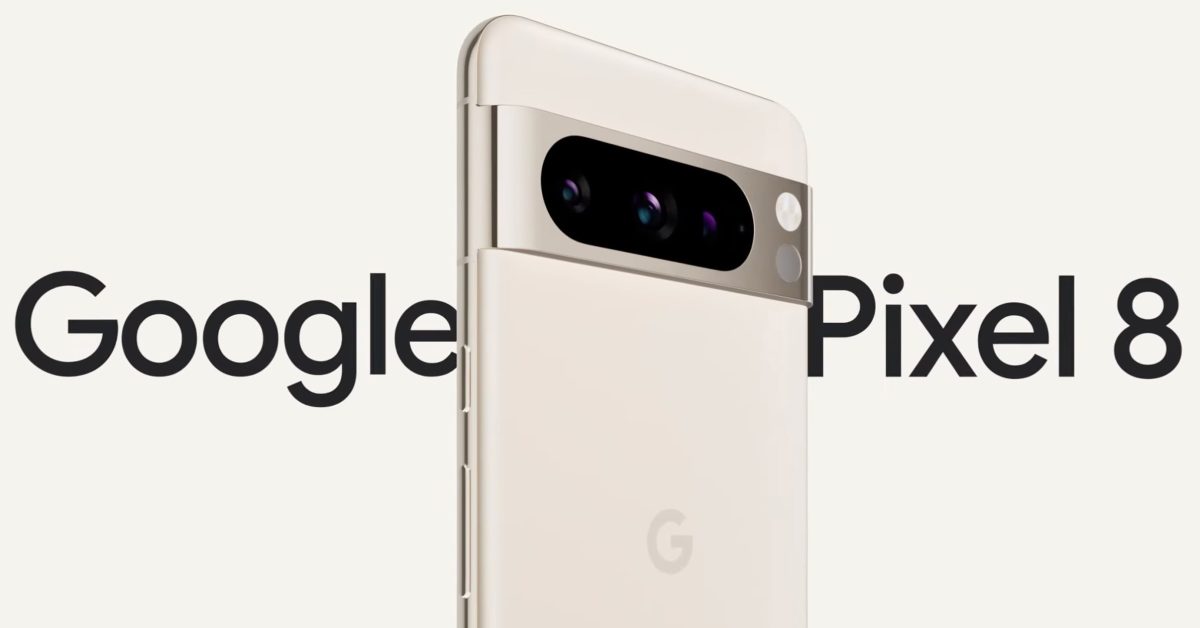
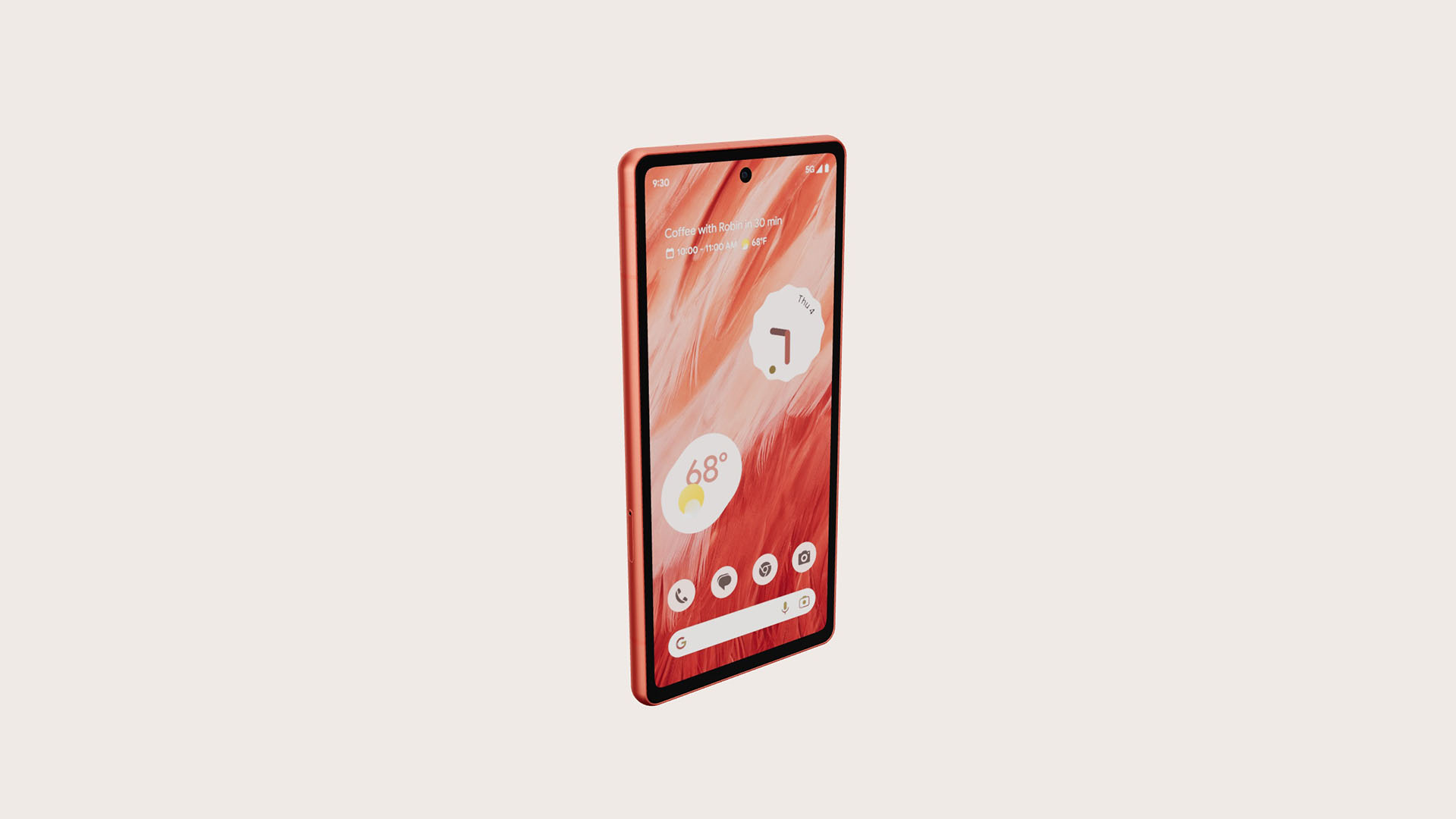
The upcoming Google Pixel 8a is rumored to feature a 120Hz display, Tensor G3, and wider availability in more countries. The device is expected to debut around Google I/O in May and will also support display output. The camera setup remains unchanged, and the device is likely to be released in additional countries, expanding beyond the existing 21 countries.
Google is reportedly planning to increase the price of its upcoming Pixel 8a smartphone, with a German retail listing suggesting a price of €569.90, which would translate to around $549 in the US. This marks a significant increase from the previous Pixel 7a's price of €499. The device is expected to be powered by Tensor G3 and feature updated design and AI capabilities. The exact release date is not known, but it's likely to launch at Google I/O.
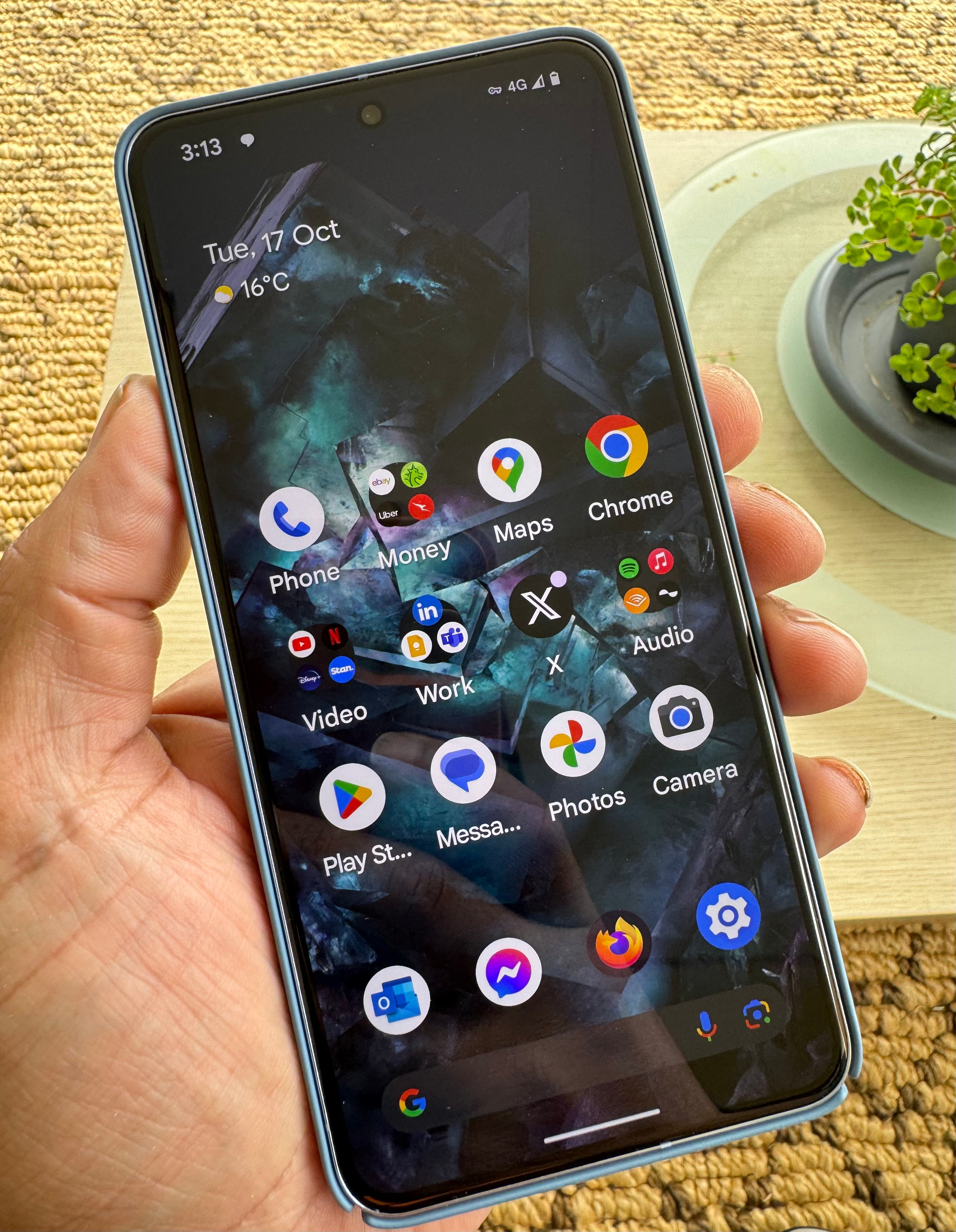
Google's Pixel 8 and 8 Pro boast impressive on-device generative AI capabilities, but it appears that the Tensor G3 chip is not powerful enough to handle the workload. Many AI-based features require an internet connection and rely on Google's servers for processing, contrary to Google's claims. Users have experienced delays and lags, and some editing tasks are slower compared to competing devices. The Pixel 8's benchmark scores also indicate lower performance compared to the iPhone 15 Pro Max and Samsung Galaxy S23 Ultra.
Popular YouTuber @Mrwhosetheboss criticizes Google's Pixel 8 Pro for off-loading all generative AI tasks to the cloud, despite Google marketing the device as "AI-first." The YouTuber highlights that the new AI features require a permanent internet connection as the Tensor G3 processor lacks the processing power to handle them on-device. This contradicts Google's claims about the capabilities of the Tensor G3 chip. Additionally, benchmark tests show that the Tensor G3's performance is closer to mid-range processors rather than flagship chips.
The recently released Pixel 8 series by Google features the new Tensor G3 SoC, which was expected to have higher peak frequencies based on leaks. However, Google capped the frequencies to lower values, possibly prioritizing battery efficiency over peak performance. The change in plan is evident in the source code of the Pixel 8 Pro, which shows lowered frequencies for all the cores. The Tensor G3 appears to be focused on power efficiency rather than raw performance, resulting in improved battery life but potentially disappointing those seeking high-speed performance. Google has not provided detailed specifications for the Tensor G3, leaving some discrepancies regarding its process size.
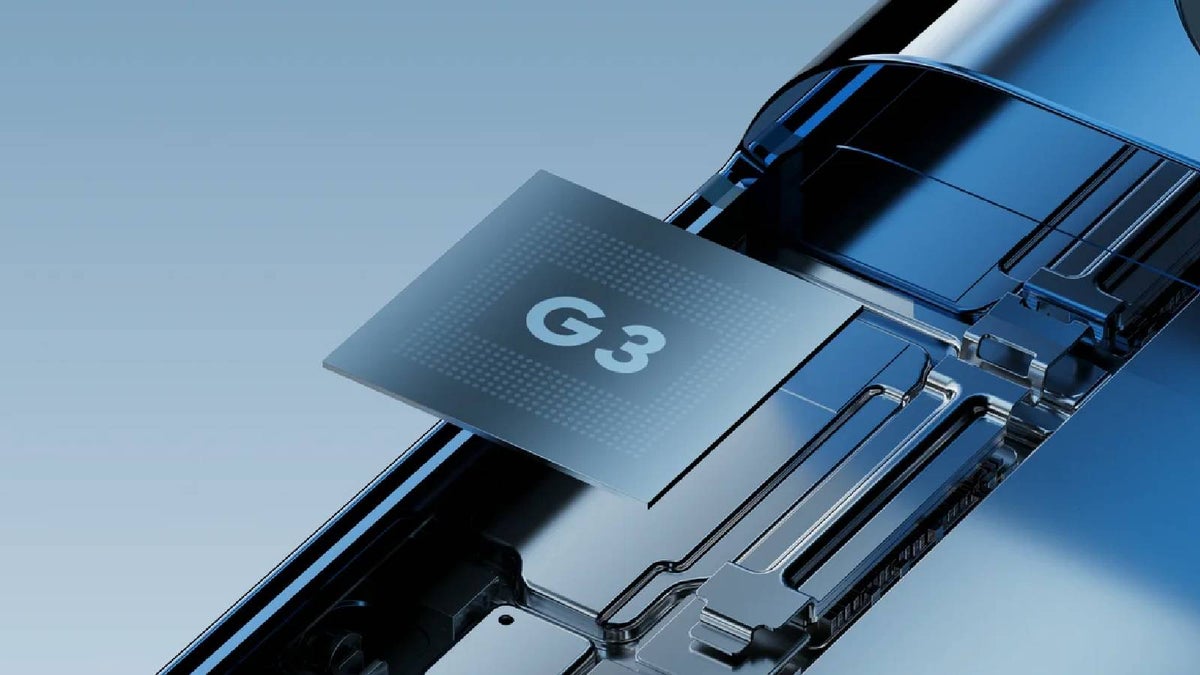
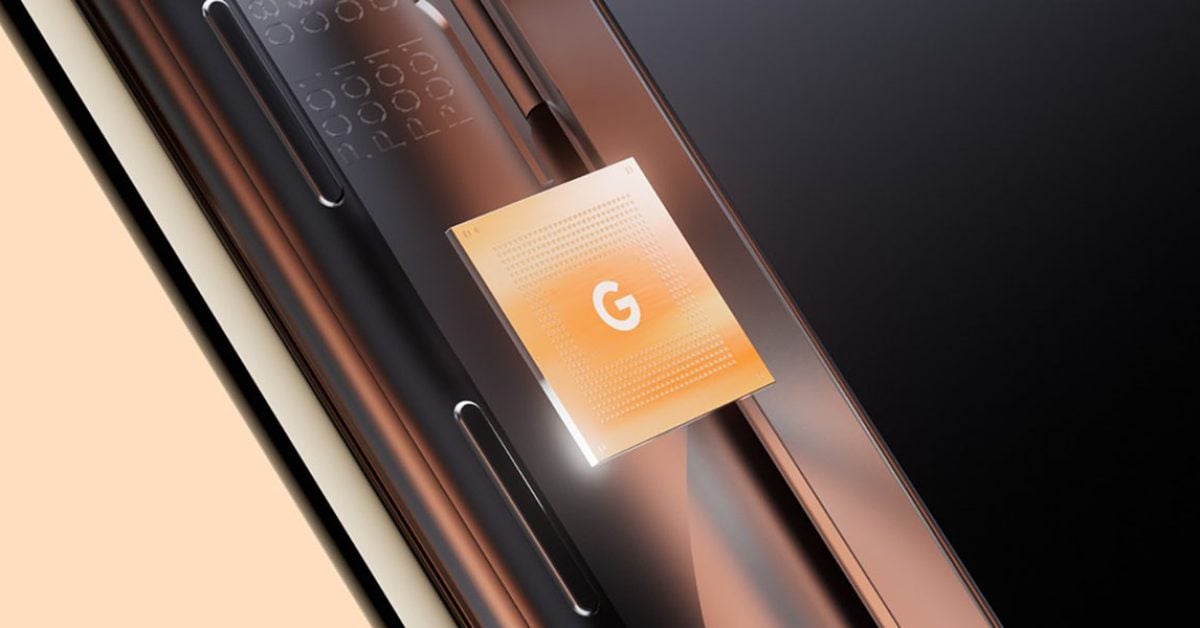
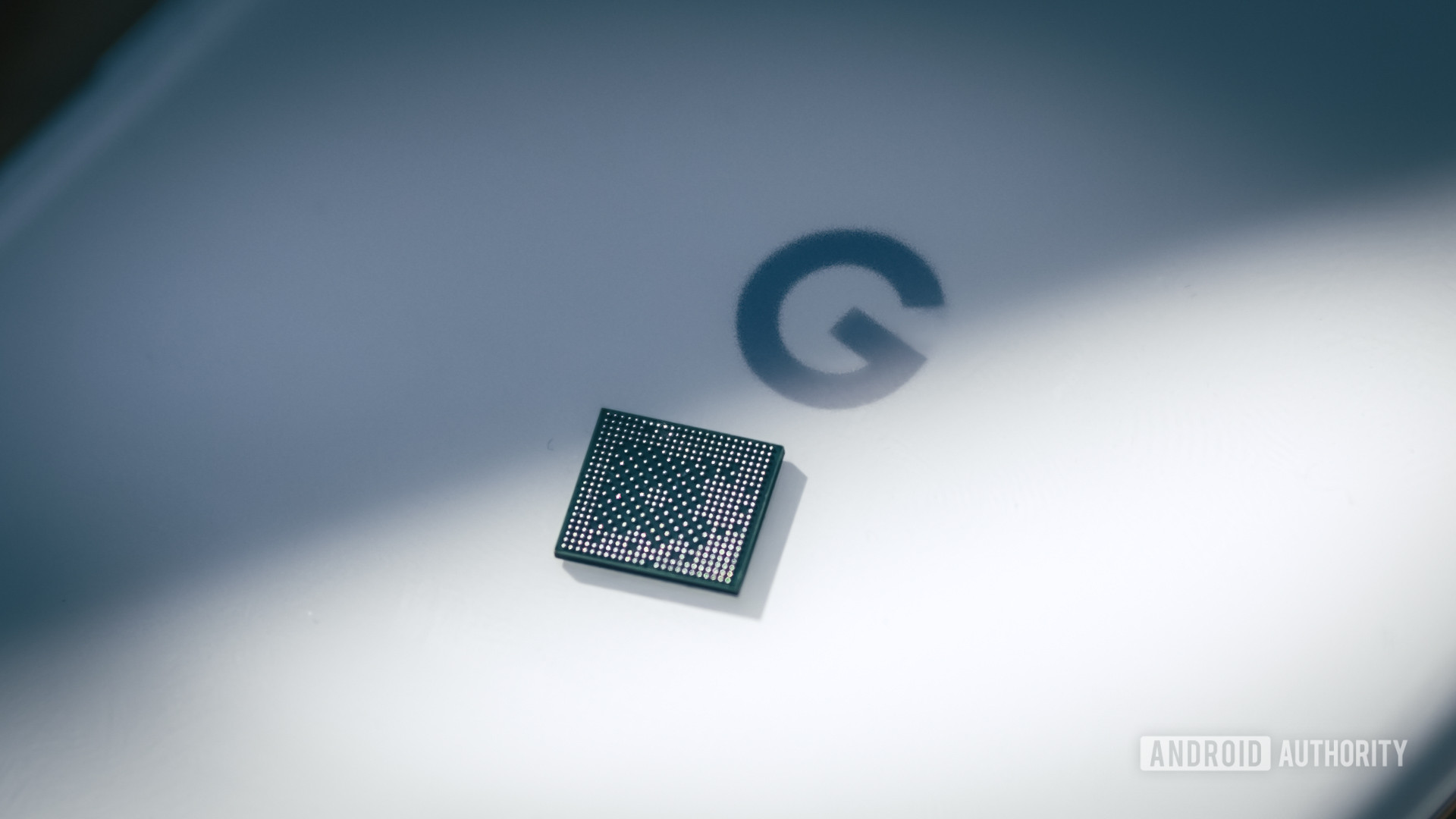
A retail leak of the Pixel 8 Pro has revealed key specs of the Tensor G3 chip, including a 1+4+4 layout with a Cortex-X3 serving as the flagship core. The chip is built on a 4 nm process and features four Cortex-A715 cores and four Cortex-A510 cores. The GPU is listed as "Mali-G715," with rumors suggesting support for hardware-based ray tracing. Google has historically focused on highlighting the chip's software/AI capabilities rather than providing detailed specs, but it remains to be seen if that will change with the Tensor G3.
The latest leaks about the upcoming Pixel 8 Pro reveal three exciting decisions. Firstly, Google has designed its own chipset, the Tensor G3, which focuses on artificial intelligence and machine learning to enhance the user experience. Secondly, the Pixel 8 Pro will feature the new Samsung Isocell GN2 image sensor, offering improved camera capabilities. Lastly, Google plans to provide five years of Android updates, setting a new standard for software support. These decisions make the Pixel 8 Pro a highly anticipated smartphone in terms of hardware, software, and long-term support.
The upcoming Pixel 8 series may address the overheating issues of previous models with the introduction of the Tensor G3 chip, which incorporates Fan-out Wafer-level Packaging (FO-WLP) technology. FO-WLP improves the thermal and electrical performance of the chip. In addition to better heat management, the Tensor G3 is expected to bring upgrades such as a restructured nine-core layout and a more powerful GPU, potentially rivaling the Snapdragon 8 Gen 2. However, it is still manufactured on Samsung's 4nm production line, which has previously caused overheating problems.
The upcoming Google Pixel 8 series is generating excitement with several notable features. The Tensor G3 chip is expected to be a significant improvement over its predecessors, with a revamped core layout and newer components. The Pixel 8 Pro will feature a flat glass panel instead of curved sides, and a matte finish option. Google is also extending the software update lifespan of the Pixel 8 series, potentially surpassing Samsung's support. The camera will receive a new sensor, likely the Samsung GN2, further solidifying Google's reputation for excellent camera quality. While there are rumors of a price increase, the Pixel 8 series is still expected to be more affordable than the competition. The official launch event is scheduled for October 4.
The Pixel 8a, featuring Google's upcoming Tensor G3 SoC, has appeared in a benchmark leak, revealing lower clock speeds and disappointing results compared to the competition. Running on Geekbench 5 instead of the updated Geekbench 6, the Pixel 8a achieved a single-core score of 1,218 and a multi-core score of 3,175. The Tensor G3 is reported to be a generation behind competitors like the Snapdragon 8 Gen 2, and with the Snapdragon 8 Gen 3 on the horizon, the performance gap is expected to widen. Despite rumors of discontinuation, the Pixel 8a's appearance suggests that Google may have changed its plans for the Pixel-A series.
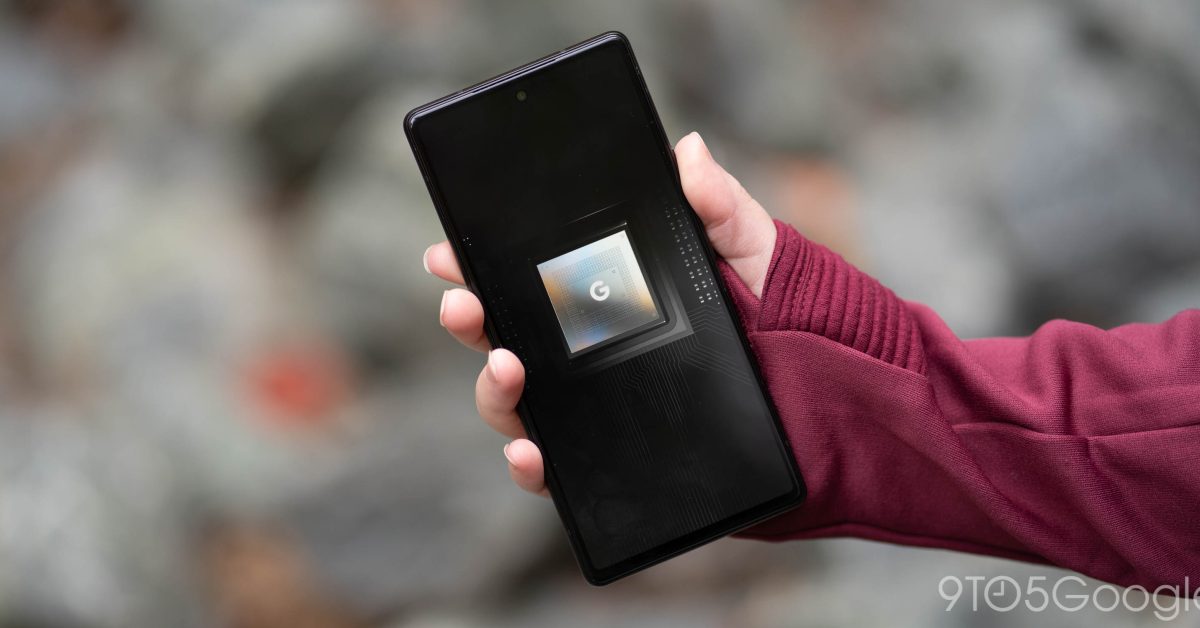
Google's upcoming Tensor G3 chip, set to debut in the Pixel 8 and Pixel 8 Pro, may not outperform other Android flagship chipsets, but that's not the main focus. The new chip will bring improvements in efficiency, AI, video encoding, and more. Google has made it clear that raw performance isn't its primary goal with these chips. With other boosts such as UFS 4.0 storage and a new GPU, the difference in performance will likely feel negligible. The real focus needs to be on efficiency to improve battery life and overheating issues.
Leaked benchmark scores suggest that the performance gap between Google's upcoming Pixel 8 and Android flagship phones powered by the Snapdragon 8 Gen 3 chip will widen. The Tensor G3 chip expected to power the Pixel 8 is reportedly only slightly faster than the Pixel 7 Pro's G2 and significantly slower than the Snapdragon 8 Gen 3. While Google's in-house chips are designed for AI and machine learning tasks, a faster chip will be able to keep up with future apps and provide better performance for longer.
Google's upcoming third-gen Tensor chipset, the Tensor G3, which will power the Pixel 8 series, has made an appearance on Geekbench, showing disappointing CPU performance with a single-core score of 1186 and a multi-core score of 3809. The Tensor G3 is only slightly more powerful than its predecessor, the Tensor G2, and lags behind last year's Snapdragon 8+ Gen 1.
Google's upcoming Tensor G3 chip in the Pixel 8 series will reportedly feature a 1+4+4 core layout with a 3.0GHz Cortex-X3 big core, four Cortex-A715 mid-cores clocked at 2.45GHz, and four Cortex-A510 little cores at 2.15GHz. It will also support the latest storage standard, UFS 4.0, and feature Arm's new Immortalis GPU, the Mali-G715. The chip will bring upgrades to video decoding/encoding, a new TPU, and a new digital signal processor. The Pixel 8 is expected to arrive in October 2023.
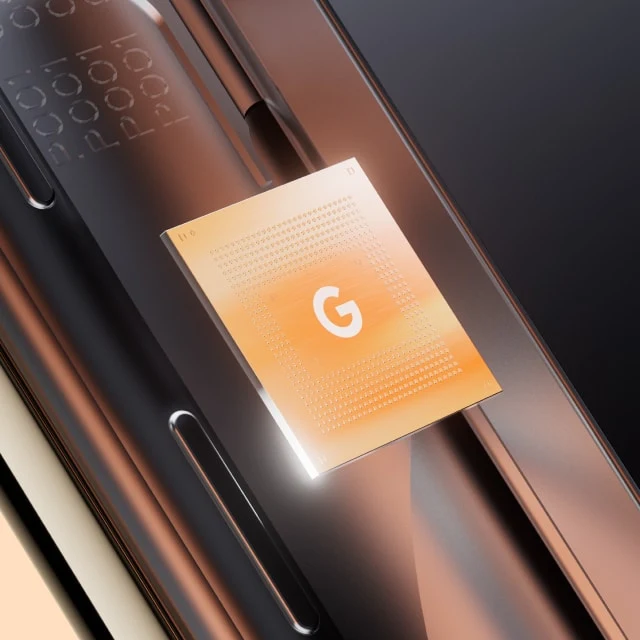
Google's upcoming Pixel 8 series of phones will be powered by the Tensor G3 (codename zuma) processor, which boasts more modern CPUs, a rearchitected CPU block, and a 64-bit-only code execution. The Tensor G3 will feature nine CPU cores, including a single Cortex-X3, and a ten-core GPU with ray-tracing capabilities. The Pixel 8 will also be the first smartphone brand to ship an AV1 encoder in a mobile device. Other improvements include a new TPU for AI smarts, a second-generation GXP to offload more processing, and faster UFS 4.0 storage. However, the modem is expected to remain the same as in Tensor G2.