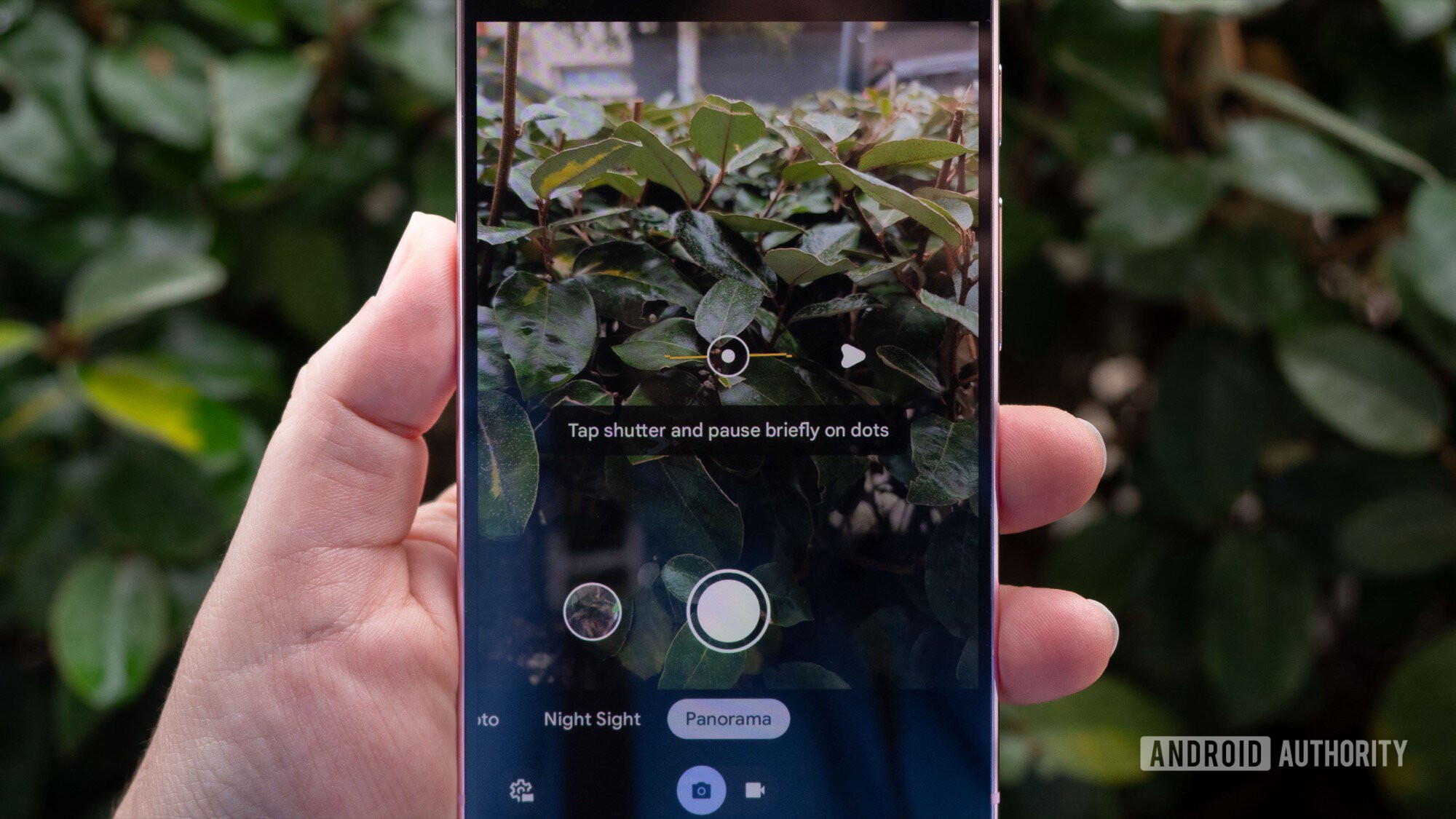
Google has updated the Pixel Camera app to bring the new panorama mode from Pixel 9 and 10 to Pixel 8, offering an improved, AR-style guided interface for capturing panoramic photos. Older Pixel models still use the previous interface. The update is available on the Play Store with Pixel Camera 10.2.
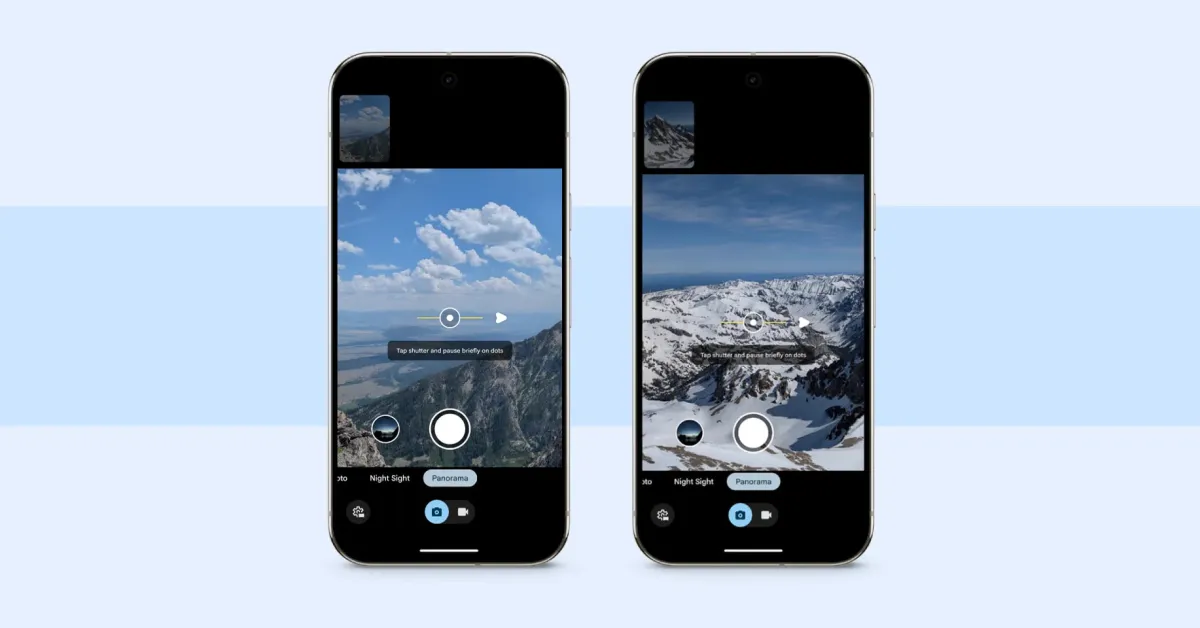
Google's Pixel Camera update introduces a new Panorama mode to the Pixel 8 series, inspired by Photo Sphere, with an easy-to-use UI, level indicator, and compatibility with Night Sight, utilizing Pixel's HDR+ pipeline for seamless stitched panoramas. The feature is rolled out with Pixel Camera version 10.2, but not yet available on Pixel 7 Pro.
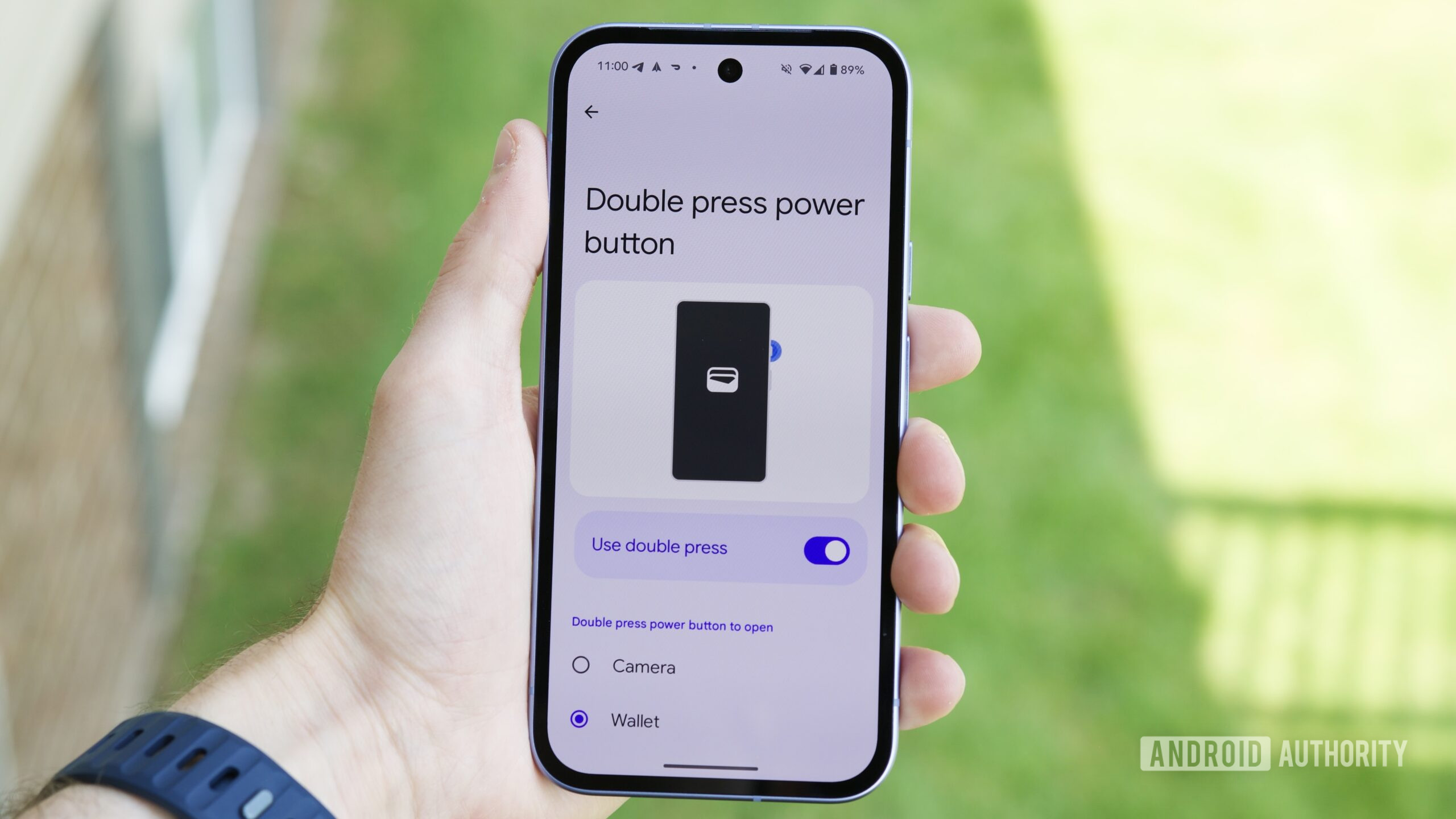
Android 16 introduces a shortcut to open Google Wallet with a double-press of the power button, but Google has limited this feature to Pixel 8 and newer devices, despite no apparent technical reason. The feature works on unsupported devices when manually enabled, suggesting the restriction is artificial. Google has not explained the rationale behind this limitation, which appears to be a market-specific decision or an internal policy.
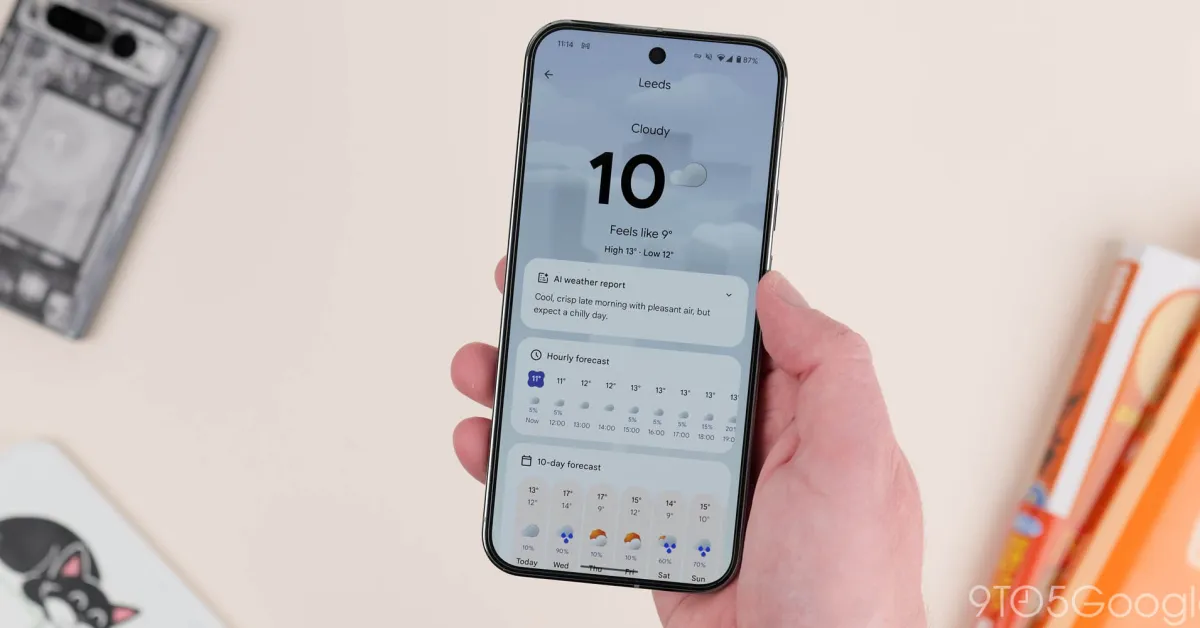
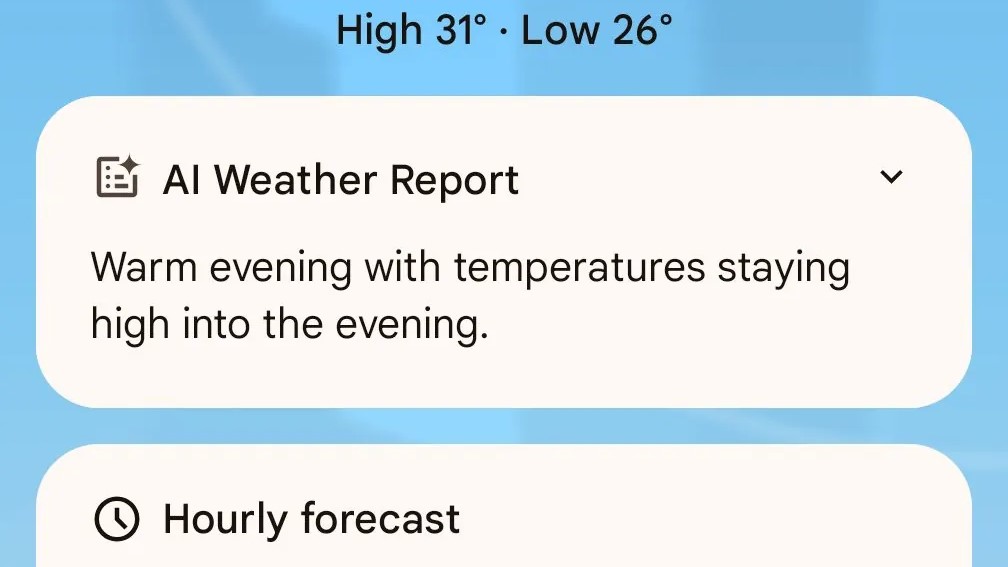
Google is gradually rolling out AI Weather Reports to Pixel 8 and Pixel 8a devices with the Gemini Nano update, providing brief weather summaries that are similar to those available on Pixel 9 series, though they offer limited additional insights.
Google's Pixel Weather app, initially exclusive to the Pixel 9 series, has expanded its AI-powered forecast feature to Pixel 8 and Pixel 8a devices equipped with Gemini Nano, enhancing the app's capabilities across more Pixel models.
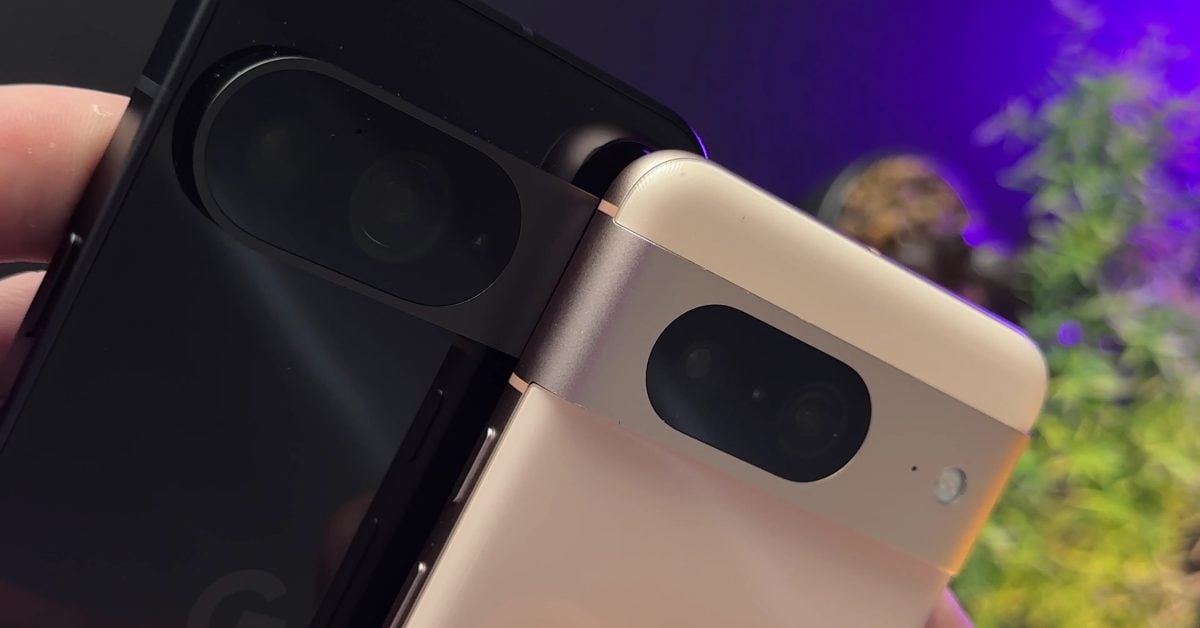
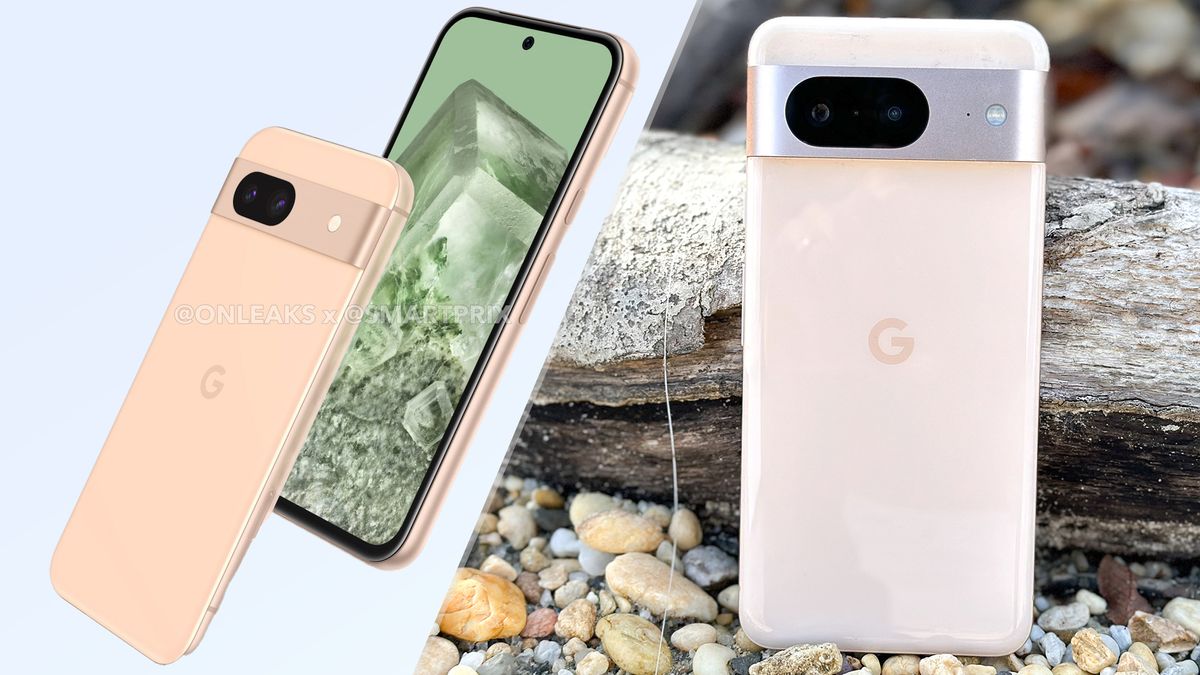
A comparison between the Pixel 9 and Pixel 8 highlights significant design changes, including more rounded corners, a larger camera bar, and bigger microphone holes. The Pixel 9's design continues the trend started by the Pixel 8, moving away from the blockier designs of the Pixel 6 and 7. Concerns are raised about the camera bar's new design potentially affecting the phone's ergonomics.
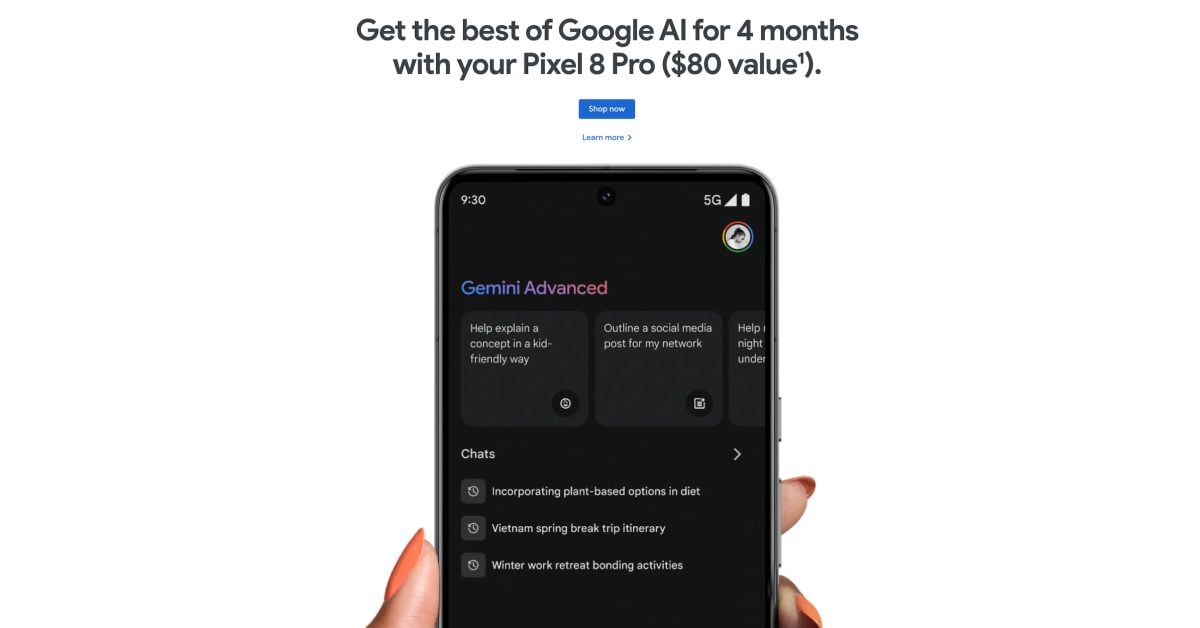
During the Google Store summer sale, buyers of the Pixel 8 and 8 Pro can get four months of Google One AI Premium for free, along with significant discounts on the devices. This offer includes access to advanced AI features and 2 TB of Google One storage.
Google is offering a 50% discount on the Pixel 8A when purchased with any Pixel 8, Pixel 8 Pro, or Pixel Fold during its summer sale. This brings the Pixel 8A's price down to $249.50 for the 128GB model and $279.50 for the 512GB model. Additional discounts are available on other Pixel devices, including the Pixel 8, Pixel 8 Pro, and Pixel Fold, as well as on the Pixel Watch 2, original Pixel Watch, and various Fitbit models. The Pixel Tablet and Pixel Buds Pro are also on sale.
The US Google Store has launched a summer sale with significant discounts on Pixel phones, tablets, and watches, including a deal where purchasing a discounted Pixel 8, 8 Pro, or Fold gets you 50% off a Pixel 8a. The sale runs until June 22, 2024.
An Android AICore update is rolling out to the Pixel 8 and Pixel 8a, enabling on-device GenAl features through Gemini Nano. The update, which appears in Developer options, requires overnight charging and Wi-Fi for full functionality. Initially limited by RAM, Gemini Nano is now available on more devices, including the base Galaxy S24, and powers features like Summarize in Pixel Recorder and Gboard Smart Reply.
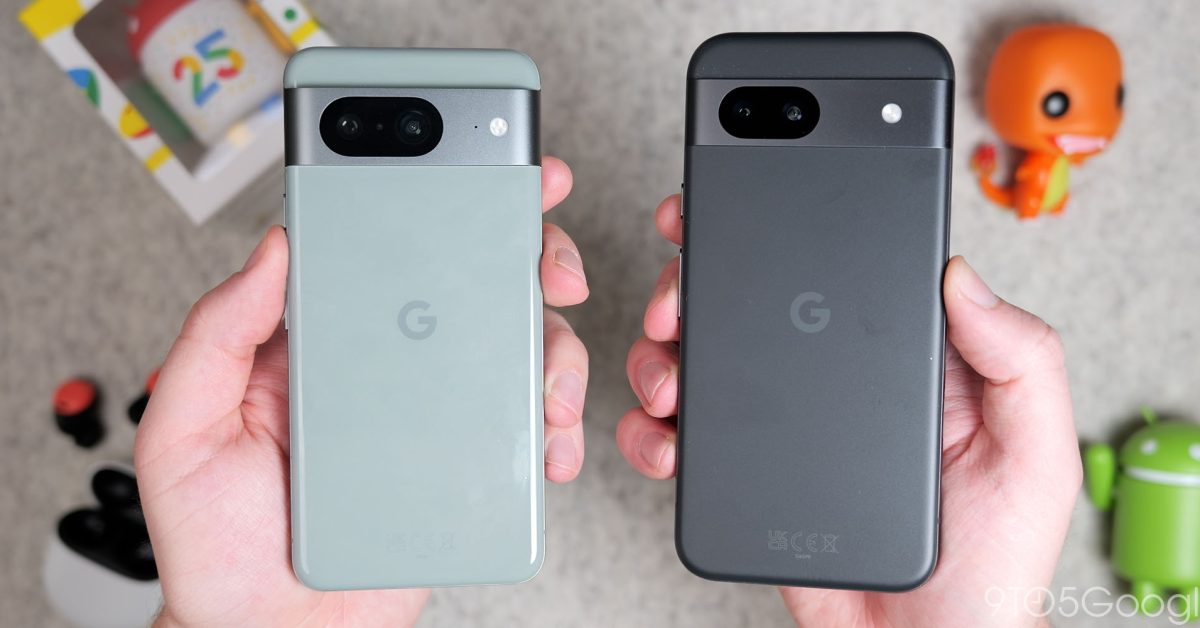
The Google Pixel 8a and Pixel 8 present a confusing buying decision due to fluctuating prices and staggered release dates. The Pixel 8a is a good low-cost option, but frequent discounts on the older Pixel 8 make it hard to recommend one over the other definitively. This pricing chaos, exacerbated by Google's release strategy, complicates consumer choices.
As the launch of the Google Pixel 8a approaches, a comparison with the Pixel 8 reveals expected differences in price, design, display, cameras, performance, battery life, and software. Rumored variations include a smaller screen size, different color options, and a slightly under-clocked Tensor G3 chipset in the Pixel 8a. The pricing gap between the two models may narrow, and the Pixel 8a is anticipated to feature similar display brightness and camera capabilities as the Pixel 8.
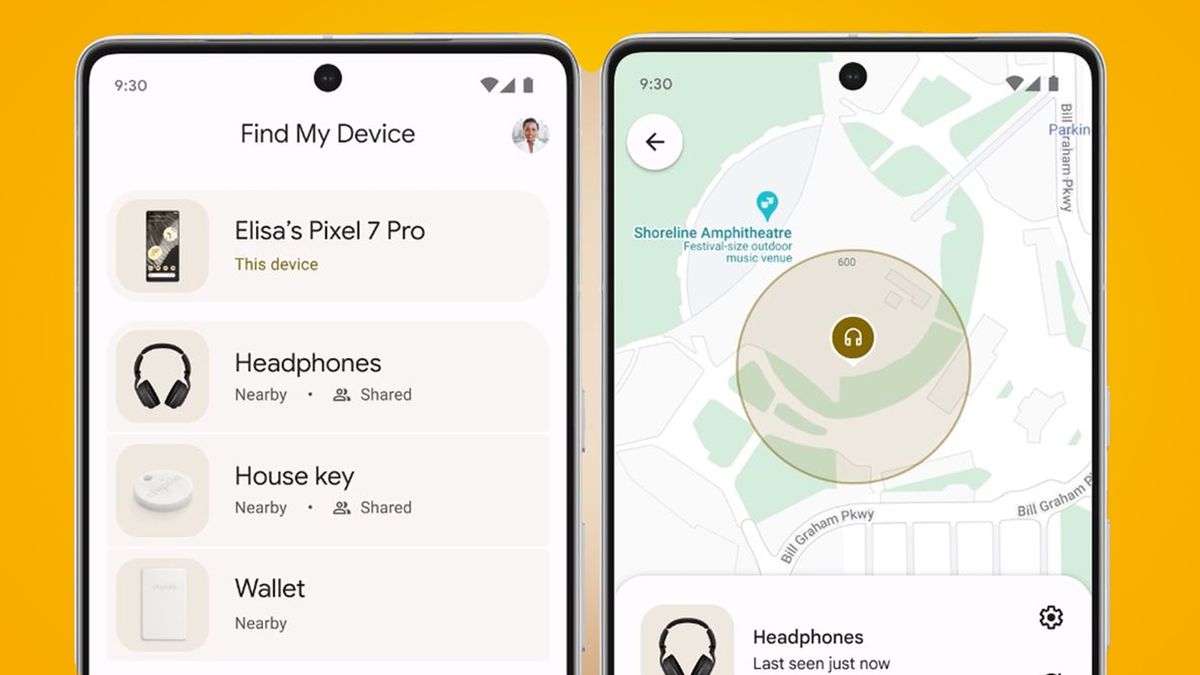
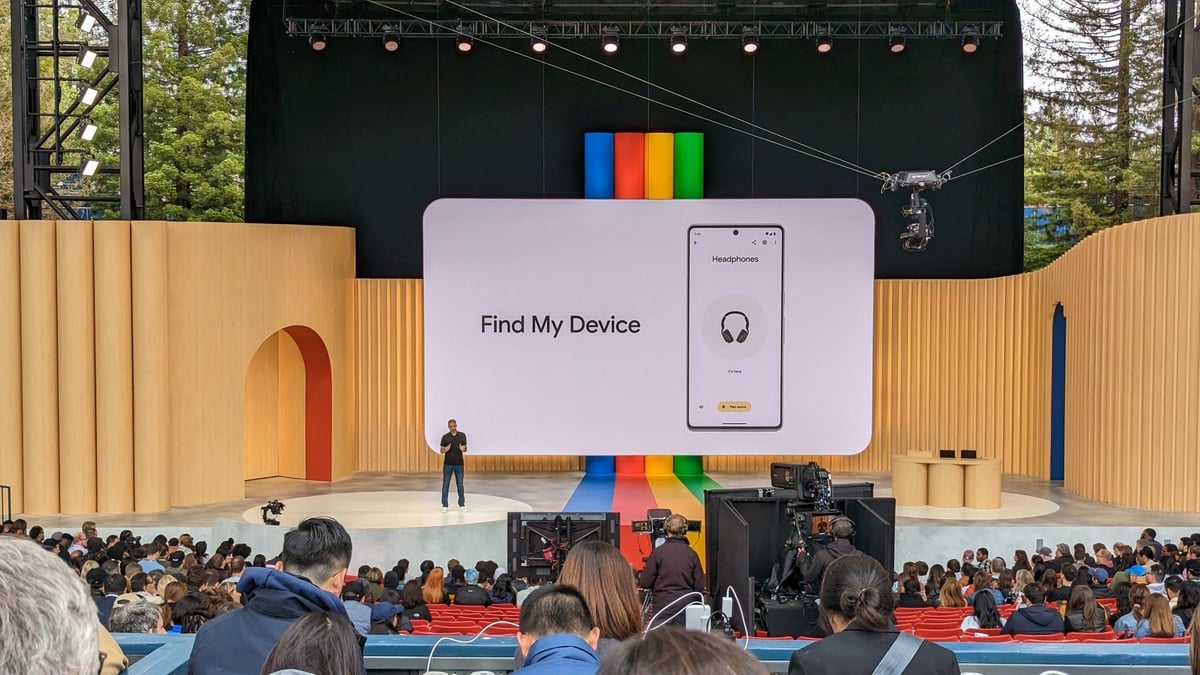
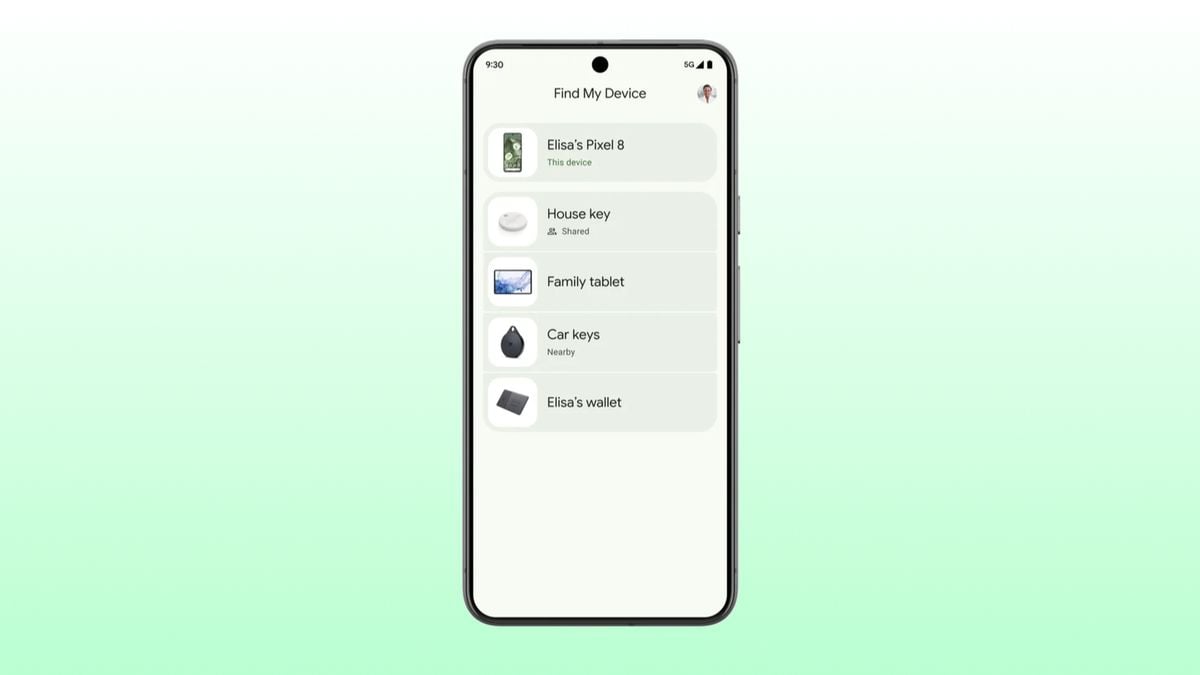
Google has launched its Find My Device network, allowing users to track their devices even when offline, with special tracking powers for the Pixel 8 and Pixel 8 Pro. The network leverages over a billion Android devices worldwide and works with Bluetooth tags from Chipolo and Pebblebee. Privacy and security features include unknown tracker alerts and end-to-end encryption of location data, with the option to share tracking with friends or family members. The rollout, initially planned for 2023, was delayed to accommodate Apple's unknown tracker alerts, but is now available in the US and Canada.
Google's Pixel 8 series has the ability to track devices even when they are switched off or have a dead battery, and the company has confirmed that this capability will also come to other Android phones. Google is working with other system-on-chip (SOC) manufacturers and smartphone OEMs to bring this feature to additional premium Android handsets before extending it to more affordable phones. The feature requires specialized hardware to power the Bluetooth chip inside the phones even when they are powered off, and it remains to be seen if existing flagship Android devices have the necessary hardware support for this capability.
Google has launched its Find My Device network in the U.S., utilizing over one billion Android devices running Android 9 or later for crowdsourced tracking. The network includes offline tracking, shared items, and third-party compatibility, with special benefits for Pixel 8 and Pixel 8 Pro owners. Security features such as unwanted tracking alerts, rate limiters, and end-to-end encryption have also been implemented. Users have the option to control their participation in the network and can opt out if they choose.