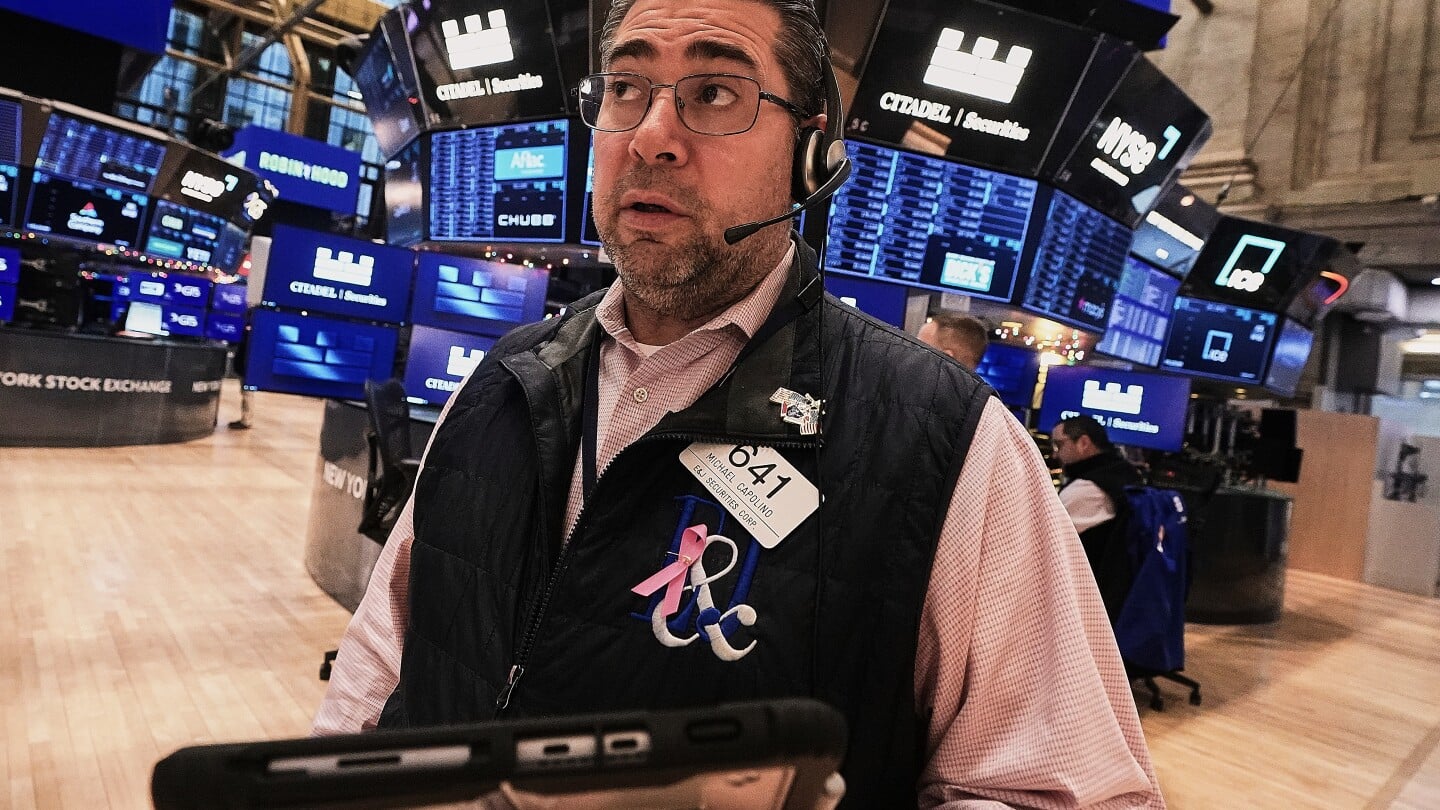
US stocks experienced small gains in a volatile start to 2026, driven mainly by technology stocks focused on AI, with Nvidia leading gains and Microsoft and Tesla weighing down the market. The week was quiet due to holidays, but upcoming economic reports and Federal Reserve decisions are expected to influence the market further.
The Vanguard Information Technology ETF has outperformed the S&P 500 since 2004, driven by AI and tech growth, and is predicted to continue its strong performance in 2026 due to increasing AI data center investments and demand for hardware and cloud services, making it a potentially lucrative addition for investors.
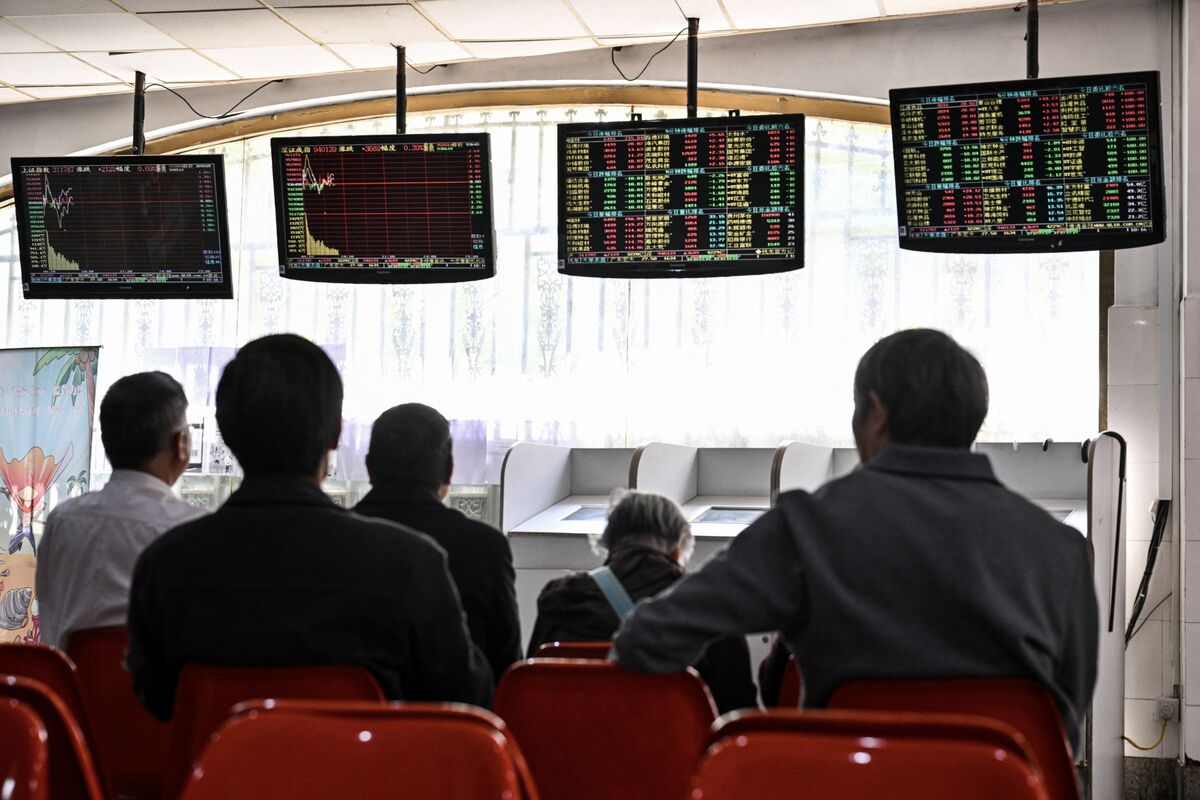
Despite Vanke's bond repayment issues causing concern, Chinese stocks, especially in the tech sector, continue to rise, with technology now being the main market driver and property playing a minimal role, supported by strong earnings and government initiatives.
Layoff announcements in October reached a 22-year high with 153,074 cuts, driven by AI integration and sector restructuring, signaling potential challenges for the labor market amid economic adjustments and softening demand.
A Goldman Sachs survey indicates that only 11% of companies are currently linking layoffs to AI, but future projections suggest significant job cuts, especially in finance and tech, with potential reductions of up to 11% over three years, signaling a major impact of AI on the labor market ahead.
Global investors are increasingly returning to China, driven by a strong stock rally, technological advancements, and improved fundamentals, reversing years of aversion amid regulatory crackdowns and economic crises, with inflows across equities and bonds supporting the yuan and boosting confidence in China's market prospects.
With the S&P 500 hitting record highs, it's still a good time to invest in the long term. Two recommended Vanguard ETFs for a $900 investment are the Vanguard S&P 500 ETF (VOO) and the Vanguard S&P 500 Growth ETF (VOOG). VOO tracks the S&P 500 index with a low expense ratio of 0.03%, while VOOG focuses on high-growth stocks, particularly in the technology sector, with an expense ratio of 0.1%. Both ETFs offer exposure to top tech companies like Microsoft, Apple, and Nvidia, and have shown strong historical returns.
The US Treasury Department's Office of Foreign Assets Control has sanctioned twelve executives from Kaspersky Lab for their involvement in Russia's technology sector, following a ban on Kaspersky software sales and updates in the US due to cybersecurity concerns. The sanctions freeze the executives' US assets and prevent them from accessing them.
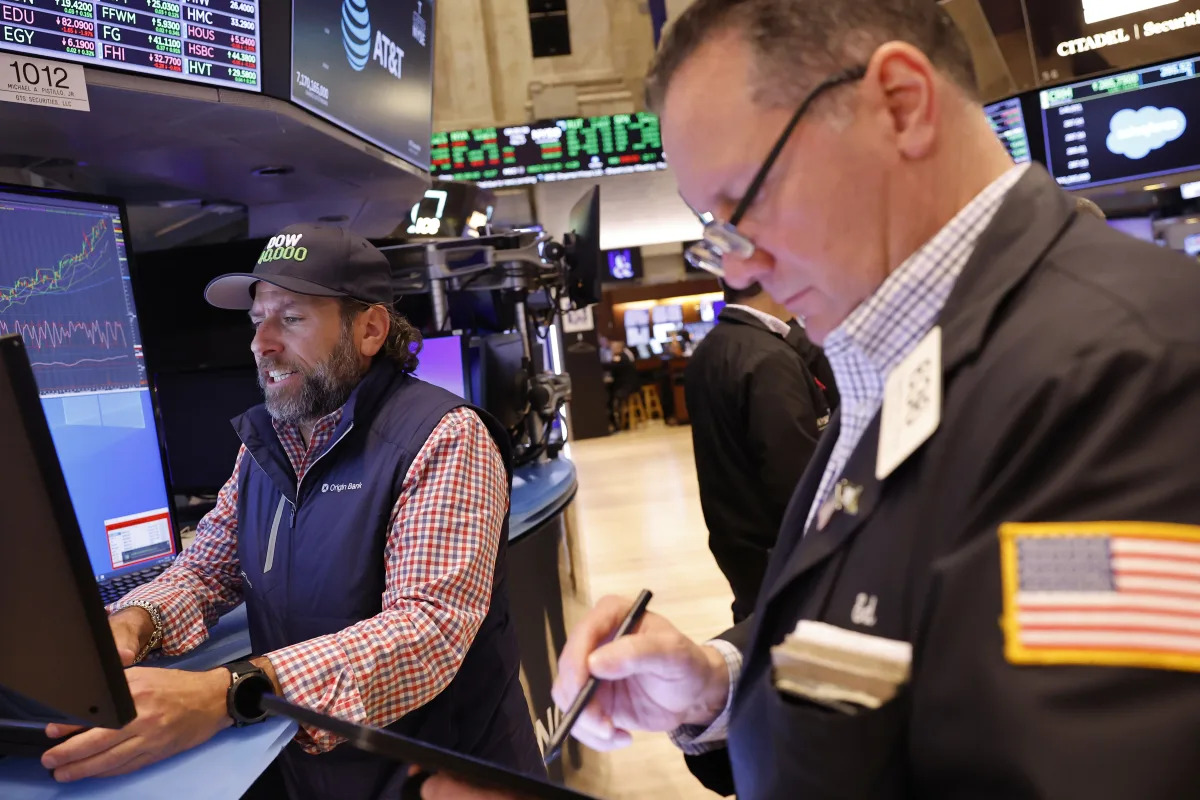
The S&P 500 surged nearly 1% in the final 20 minutes of trading, marking its best month since February, driven by dip buying and sector rotation. Despite a volatile session, the Dow Jones rose 1.5%, while the Nasdaq 100 remained flat. Treasuries extended gains, and inflation data showed a slight increase, hinting at potential rate cuts by the Federal Reserve later in the year. Analysts warn of a possible correction in overextended tech shares.
US stocks experienced renewed volatility at the end of May, with the S&P 500 rising nearly 1% in a late-day comeback to achieve its best month since February. Despite earlier declines driven by megacaps, dip buying pushed the market higher. Bank of America strategists suggest that the outperformance of value over growth could be the next significant market trend.
Salesforce shares plummeted by 20%, marking the largest single-day decline since 2004, after the company projected its slowest quarterly sales growth in history. The weak outlook has raised concerns about Salesforce's ability to capitalize on the AI boom, with revenue expected to rise only 8% to $9.25 billion, falling short of analysts' estimates. The company's focus on profit and AI features is not expected to boost revenue until 2025 or 2026, contributing to broader pessimism in the software sector.
Asian stocks fell on Thursday, led by steep declines in the technology sector, amid fears of persistent inflation and high interest rates. The tech-heavy indexes in Japan, Hong Kong, and South Korea dropped significantly as investors locked in recent profits from the AI-driven rally. Major chipmaking stocks like Japan's Advantest Corp. and South Korea's SK Hynix Inc. saw notable declines. Chinese stocks fell less due to promises of more policy support from the People's Bank of China. Broader Asian markets retreated in anticipation of key U.S. economic data and interest rate cues.
Goldman Sachs analyzed 707 hedge funds managing $2.7 trillion and found that funds are shifting from mega-cap tech stocks like Google, Amazon, Microsoft, Meta, and Nvidia to lesser-known AI beneficiaries. This rotation has led to hedge funds achieving an 8% return this year, with Goldman's VIP basket of hedge fund stocks outperforming the S&P 500. The top AI stocks now include Marvell Technology, TD SYNNEX, Apple, AES Corporation, and Littelfuse.
Citigroup Inc. strategists have downgraded their outlook on the US tech sector, shifting to a more cautious stance and reducing their recommendation to market-weight from overweight, while also issuing an underweight recommendation on hardware companies. They anticipate the stock rally to broaden beyond technology and have raised their outlook on consumer discretionary to overweight.
TSMC stock closed at $138.84, down 0.99% from the previous day, underperforming the broader market. Analysts expect a year-over-year decline in earnings but a rise in revenue for the upcoming earnings report. Investors should monitor analyst projections and utilize the Zacks Rank system, which currently rates TSMC as a Buy. The stock is trading at a Forward P/E ratio of 22.67, in line with its industry, and has a PEG ratio of 1.07. The Semiconductor - Circuit Foundry industry, to which TSMC belongs, is ranked in the top 1% of all industries by Zacks.