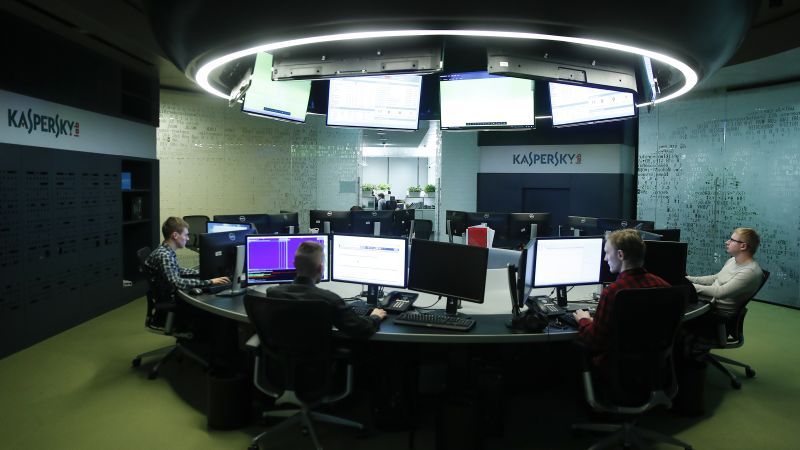
The Biden administration has sanctioned 12 executives and senior leaders of Kaspersky Lab, a Russian cybersecurity company, due to concerns over their cooperation with Russian military and intelligence authorities. This follows the Commerce Department's ban on Kaspersky's antivirus software in the US, urging users to switch to other vendors by September 29th. CEO Eugene Kaspersky and the company itself are not on the sanctions list.

The US Treasury Department's Office of Foreign Assets Control has sanctioned twelve executives from Kaspersky Lab for their involvement in Russia's technology sector, following a ban on Kaspersky software sales and updates in the US due to cybersecurity concerns. The sanctions freeze the executives' US assets and prevent them from accessing them.
The Biden administration is preparing to issue an order preventing US companies and citizens from using software made by Russian cybersecurity firm Kaspersky Lab over national security concerns, using Commerce Department authorities to prohibit certain products and services in the US. This move, if finalized, would be unprecedented and aims to mitigate risks to critical US infrastructure, with officials alleging that the Russian government could force Kaspersky Lab to hand over data or use its software for hacking or surveillance. The pending action signals a new era in which the Commerce Department will be more willing to intervene in the name of protecting national security, while Kaspersky Lab denies any unethical ties or affiliations with the Russian government.
Apple has fixed two security flaws in its iPhones and iPads that were used to hack thousands of devices in Russia. The flaws were discovered by researchers from Russian security software maker Kaspersky Lab, which had been targeted in the campaign. The malicious code installed after infection had 24 commands, including extracting passwords from Apple’s Keychain, monitoring locations, and modifying or exporting files. The infection technique used in the attack is similar to that used by NSO and other vendors of high-end spyware.
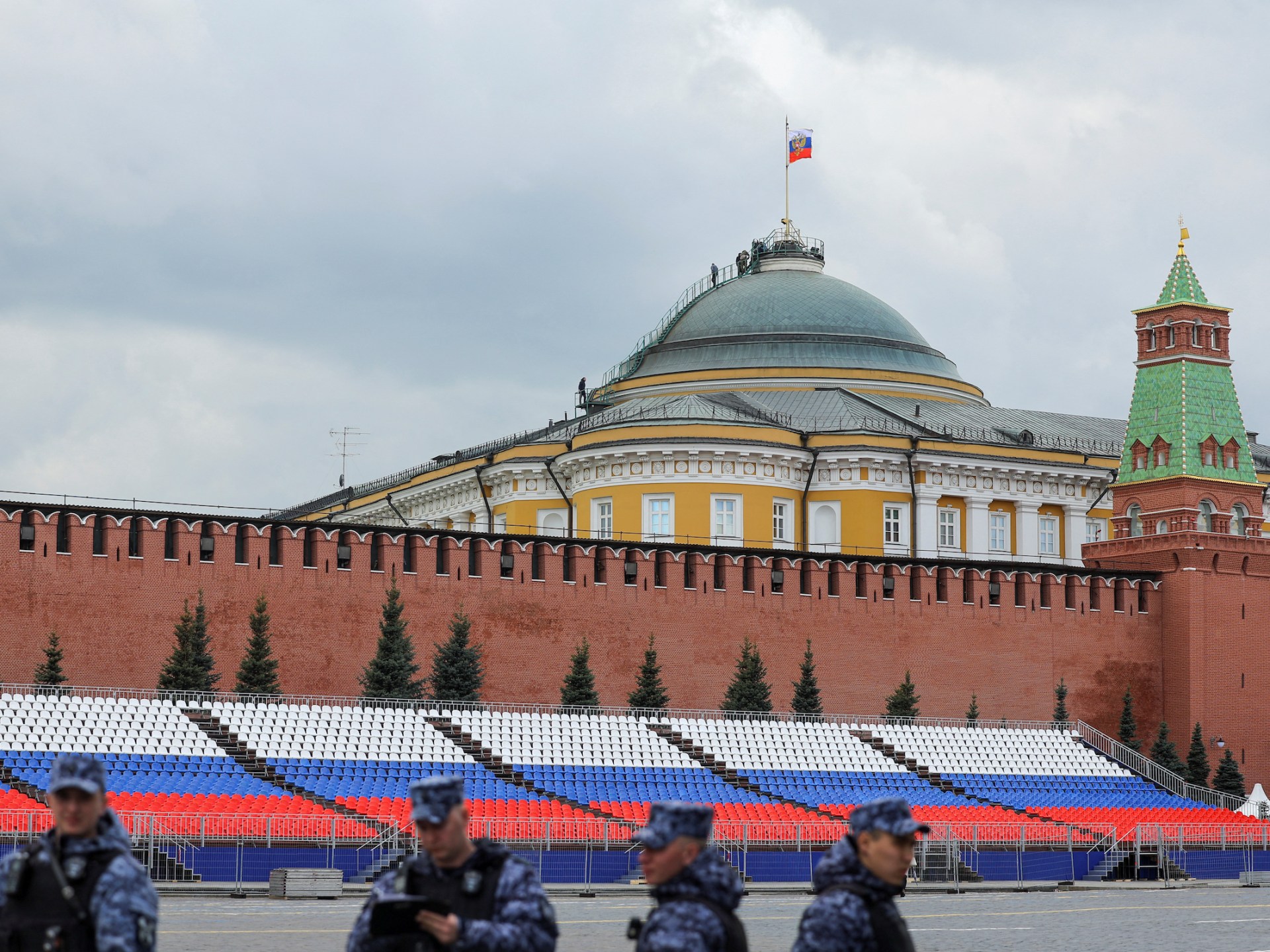
Russia's Federal Security Service (FSB) has accused US intelligence agencies of hacking thousands of iPhones belonging to Russian users and foreign diplomats in the country. The FSB said Apple worked closely with US spy agencies, including the National Security Agency (NSA), but did not provide evidence for its claim. Separately, cybersecurity firm Kaspersky Lab said dozens of senior employees had been victims of an "extremely complex, professional targeted cyberattack."
Russia's Federal Security Service claims that several thousand iPhones in the country were hacked in an espionage campaign attributed to the U.S. government and Apple. Cybersecurity company Kaspersky Lab said the campaign implanted file-stealing malware on iPhones of its employees, but did not have enough evidence to blame any government or group for the breaches. Apple denied the charge and stated that it has never worked with any government to insert a backdoor into any Apple product. The FSB claimed that the effort ensnared thousands of victims, including diplomats stationed in that country.