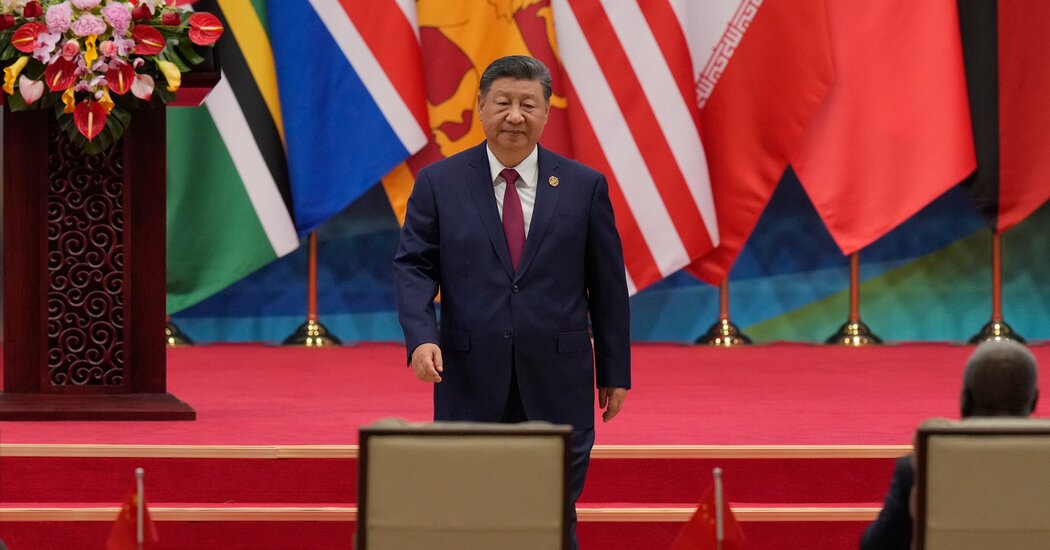
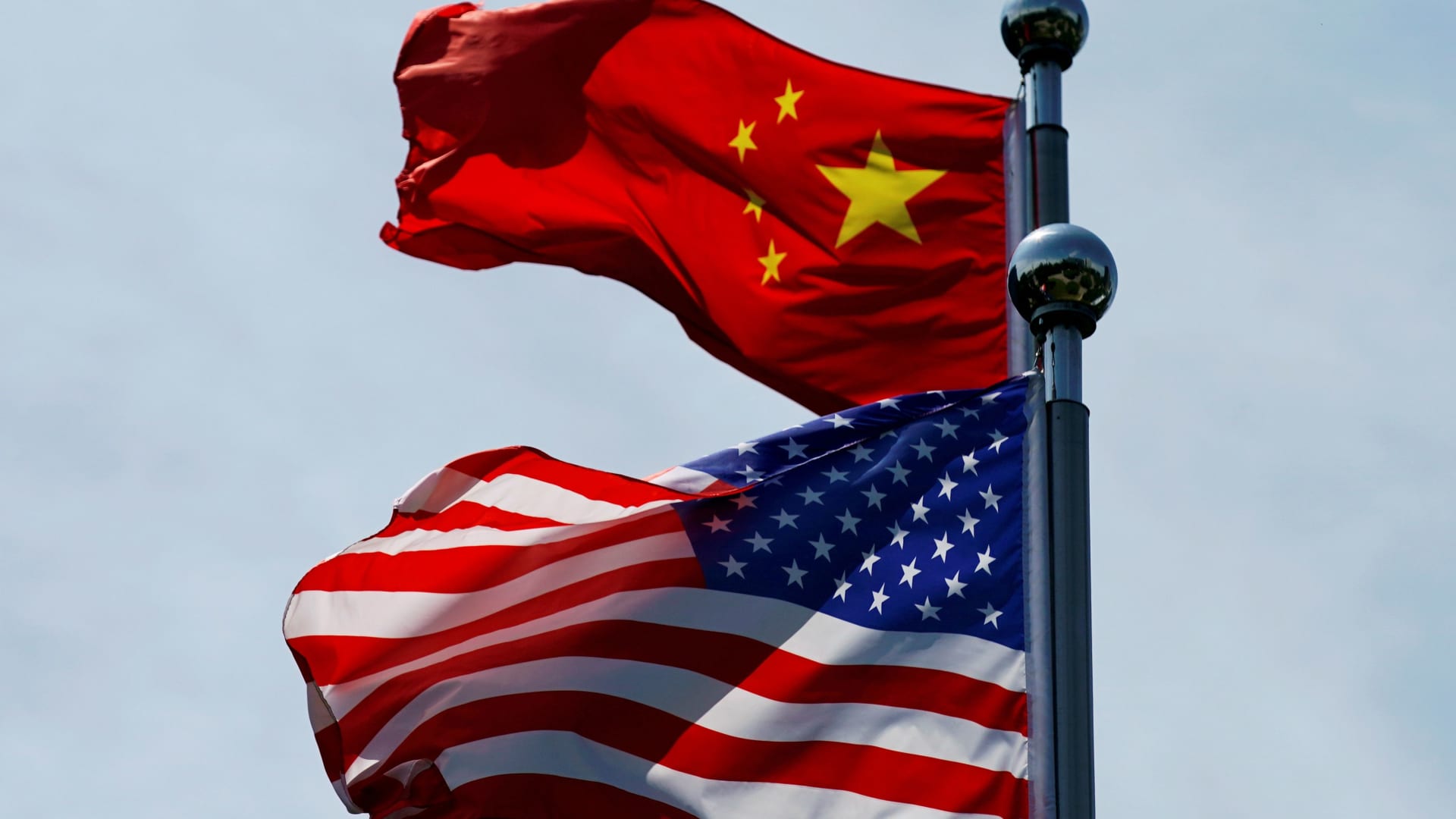
China has announced new restrictions on critical minerals, aiming to counter US efforts to control global supply chains for advanced technology, signaling a strategic move in the ongoing US-China rivalry over technological dominance.
Many U.S. states are banning cell phones in schools to improve student engagement and reduce anxiety, with evidence suggesting better learning environments, though some students and teachers face challenges adapting to the new policies.
South Korea has passed a law banning the use of smartphones and smart devices during classes in elementary and middle schools, effective from 2026, aiming to reduce their harmful influence on students.
China has issued a warning to local companies not to sell or share Nvidia's H20 AI chips, reflecting ongoing technology and trade tensions between China and the US. The government aims to control the use of advanced AI hardware to protect national interests.
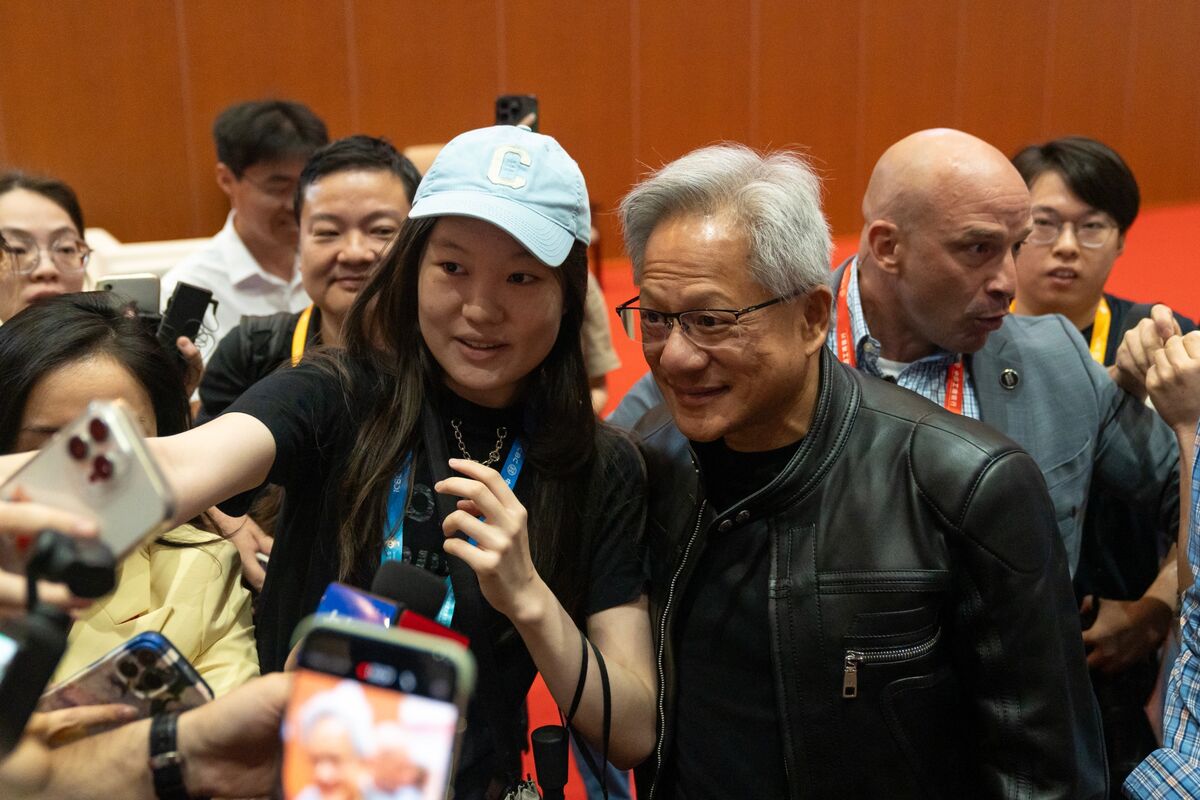
China has advised local companies to avoid using Nvidia's H20 chips for government and security purposes, reflecting ongoing tensions and efforts to develop domestic chip capabilities, while complicating Nvidia's revenue recovery and US-China trade relations.
The Biden administration is relaxing some export controls on Chinese-focused AI chips, signaling a potential shift towards a more conciliatory US-China economic relationship under Trump, who is seeking a broader trade and technology deal with China amid ongoing negotiations and a possible leaders' summit.
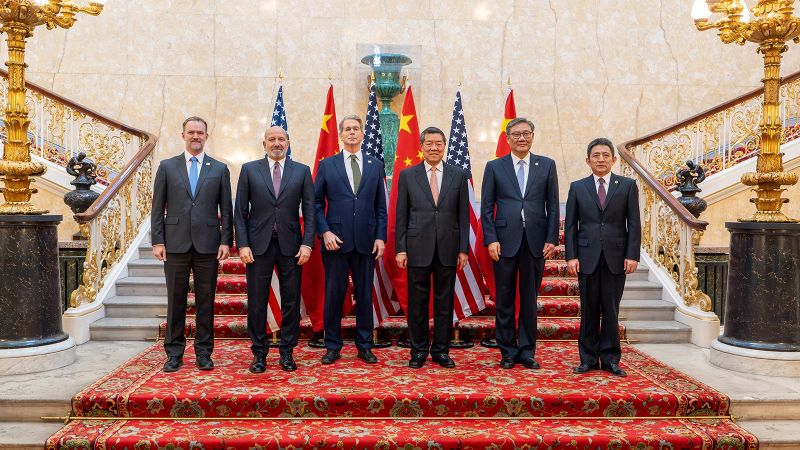
The US and China have agreed in principle on a framework to ease export controls and resolve trade tensions, including the resumption of exports of rare earth minerals and magnets, amid ongoing disputes over technology restrictions and tariffs, with both sides seeking to build trust and stabilize their economic relations.
The Trump administration has ordered US companies that provide software for designing semiconductors to cease sales to Chinese entities, aiming to hinder China's development of advanced chips, especially in AI, by restricting access to critical EDA software used in chip design. This move follows previous restrictions on AI chip exports and marks a significant effort to maintain technological superiority.
The Biden administration is considering new restrictions on the sale of semiconductor equipment and AI memory chips to China, potentially escalating the US's efforts to curb Beijing's technological advancements. These measures, which could be announced soon, have been the subject of extensive discussions among US officials and negotiations with allies, amid concerns from American chip equipment manufacturers about the potential negative impact on their businesses.
U.S. Republican lawmakers are criticizing the Biden administration for allowing Huawei to continue receiving high-tech components from U.S. companies, specifically Intel, despite being on a trade restriction list since 2019. The controversy revolves around Huawei's access to Intel's Core Ultra 'Meteor Lake' processors for its MateBook X Pro, with concerns raised about the impact on national security and economic development. The situation highlights the complex goals of U.S. export controls in relation to Huawei and China, with lawmakers expressing frustration over the ongoing technological exports to the Chinese firm.
China's Ministry of Commerce has stated that it will take necessary countermeasures in response to the Biden administration's executive order aimed at restricting U.S. investments in advanced Chinese technology. The ministry is currently assessing the order's impact and has met with businesses to understand its implications. The executive order focuses on limiting investments in Chinese semiconductors, quantum computing, and artificial intelligence companies due to national security concerns. The Treasury is responsible for implementation and is gathering public comments to form a draft regulation. The timing of U.S. Commerce Secretary Gina Raimondo's visit to China remains unconfirmed, but the two countries are said to be in close communication.
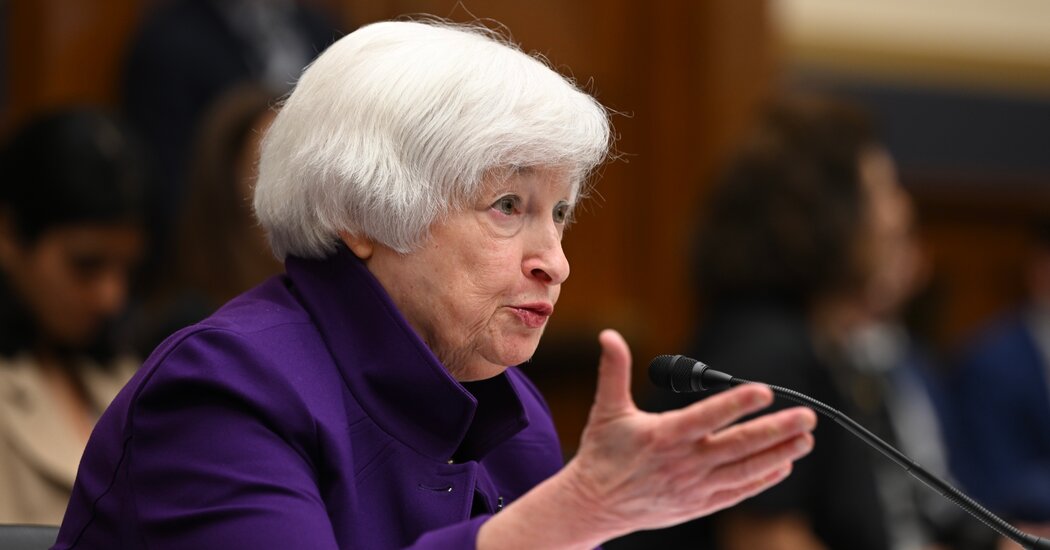
Treasury Secretary Janet Yellen is set to visit China in an effort to stabilize the strained relationship between the two largest economies. The visit comes amid tensions over issues such as a Chinese spy balloon in the US and the Biden administration's efforts to limit China's access to sensitive technologies. Yellen is expected to discuss global challenges and mutual concerns with Chinese officials, including objections to China's ban on US-based manufacturer Micron Technology and concerns about human rights violations in Xinjiang. While both sides are likely to air grievances, Yellen aims to emphasize that US actions are not intended to completely decouple the economies.