Governor Phil Murphy signed legislation requiring New Jersey schools to implement policies restricting cell phone and internet-enabled device use during school hours, effective in the 2026-2027 school year, aiming to improve student focus, mental health, and classroom engagement.
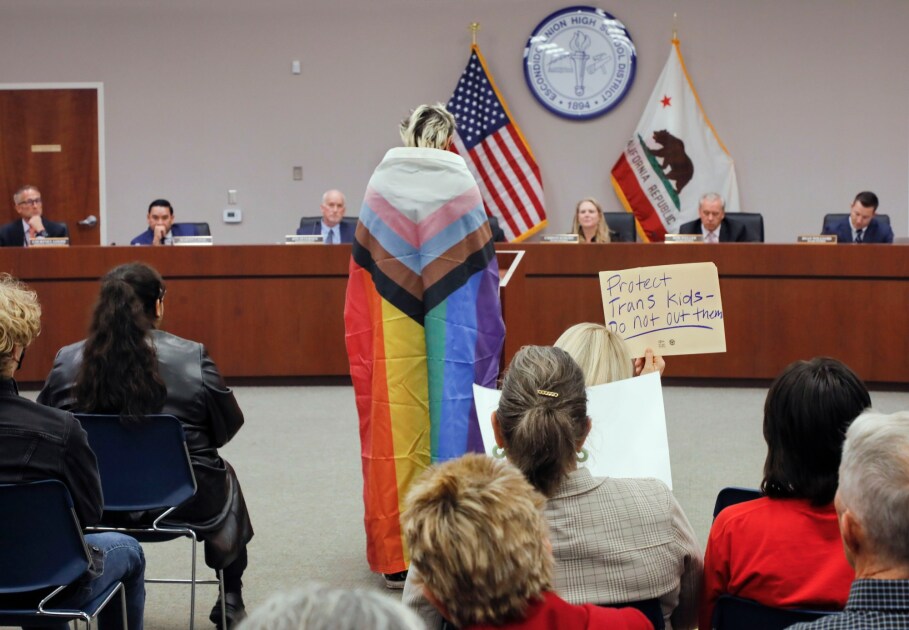
A federal judge in San Diego ruled that parents have a constitutional right to be informed if their child is transgender and that schools cannot hide this information from parents, banning school employees from misleading or withholding gender-related information from parents without student consent. The decision, which is being appealed, emphasizes parental involvement and the rights of teachers to inform parents, while critics argue it could harm transgender students' safety and well-being.
Oklahoma's new superintendent Lindel Fields has rescinded a controversial mandate from his predecessor that required Bibles to be placed in classrooms and included in lesson plans, citing a belief that such decisions should be left to individual districts. The move comes amid ongoing legal challenges and widespread opposition to the previous policy, which was part of a broader effort by former Superintendent Ryan Walters to promote religious and conservative ideologies in schools.
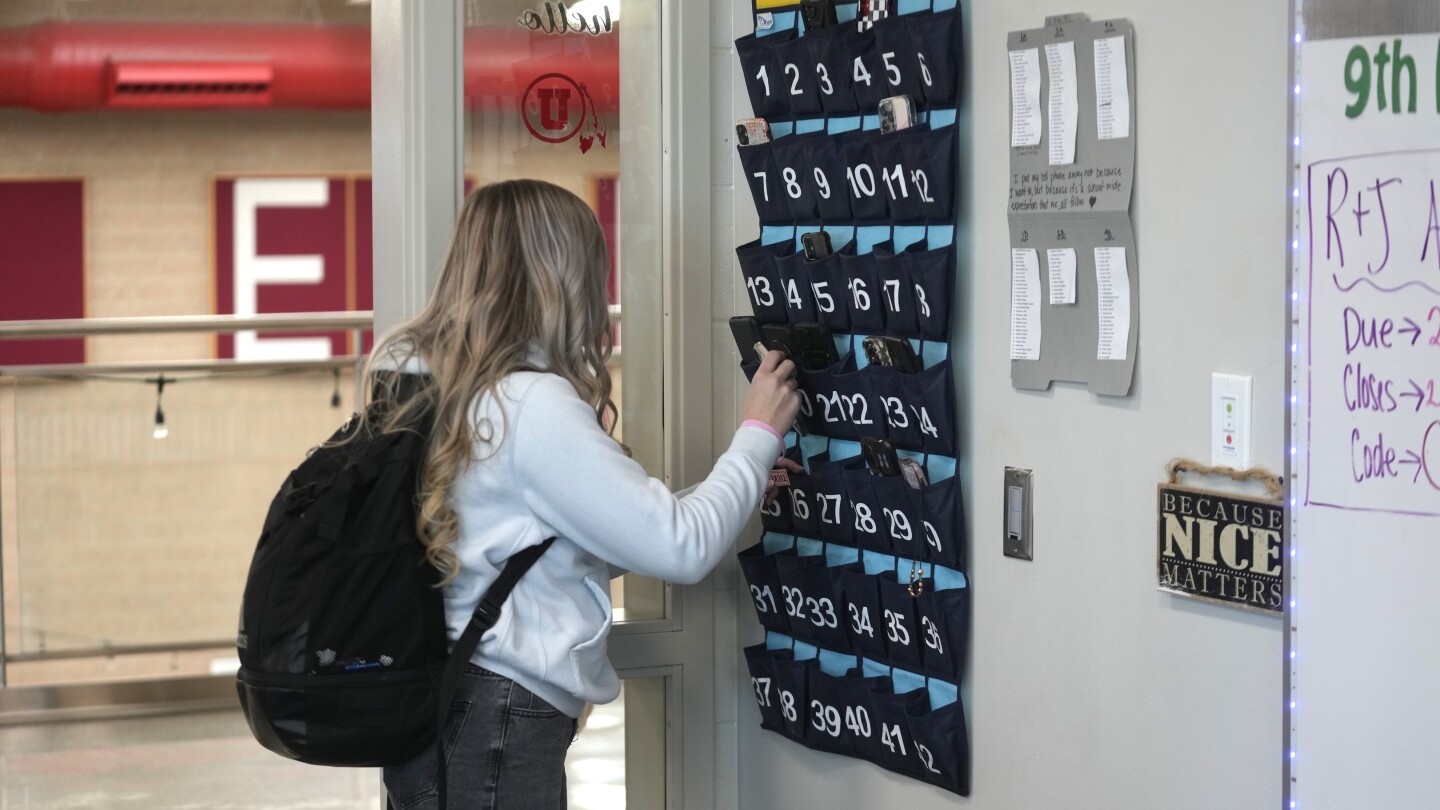
Many U.S. states are banning cell phones in schools to improve student engagement and reduce anxiety, with evidence suggesting better learning environments, though some students and teachers face challenges adapting to the new policies.
South Carolina has appealed to the Supreme Court to allow a policy banning transgender students from using restrooms that match their gender identity, citing a challenge from a transgender boy suspended for using boys' restrooms. The case highlights ongoing legal battles over transgender rights in schools, with the state seeking to restrict access based on biological sex, amidst broader national debates and similar laws in other states.
A student was sent home from school for wearing an outfit deemed 'too distracting,' sparking a debate over dress codes and their impact on student rights and gender equality.
Teachers across the United States are increasingly advocating for the banning of smartphones in classrooms due to the pervasive distractions they cause, including watching Netflix, using gambling apps, and sending Snapchat messages. Several states, including Florida, Utah, Oklahoma, Vermont, and Kansas, have introduced legislation to enforce "phone-free schools," with some already implementing bans on student cellphone use during class time. While some students and parents express concerns about being cut off from communication, educators argue that removing phones from classrooms has led to increased student engagement and improved learning outcomes.
Students at James Madison High School in Houston, Texas, protested against a new cellphone policy that requires them to turn in their phones to staff during the school day and pick them up at the end of the day, with the superintendent warning of possible suspensions for protesting students. The policy was implemented to address safety concerns related to recording and sharing fights on campus, but students argue that it infringes on their rights and creates an oppressive environment.
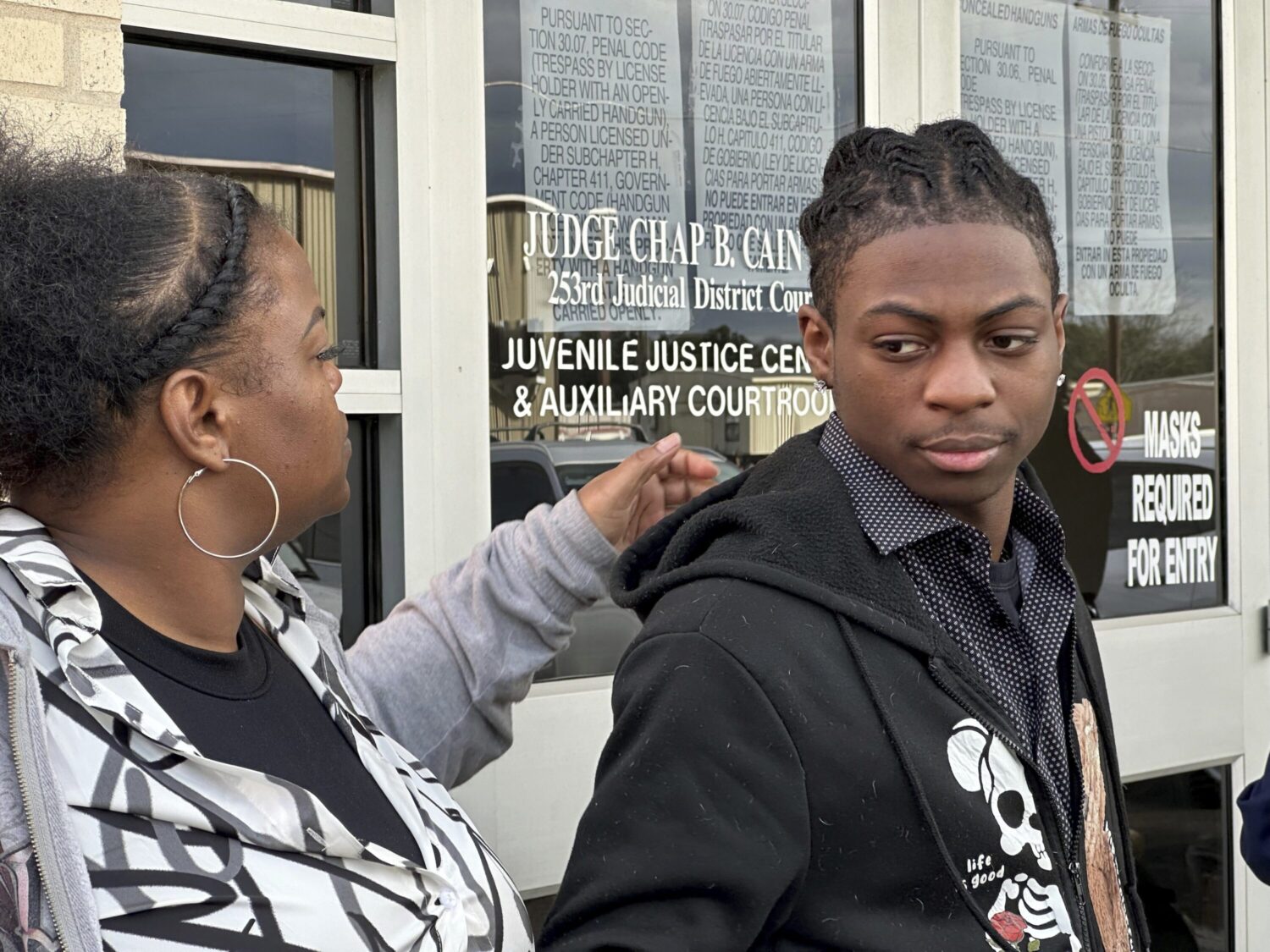
A trial has been set for February 22 to determine whether Barbers Hill ISD in Texas is violating the CROWN Act by disciplining 18-year-old Black student Darryl George for wearing dreadlocks, which he and his family argue are protected by the new state law. The CROWN Act prohibits race-based hair discrimination in public schools and was passed to protect students like George. The school district claims George is violating a hair-length policy not covered by the CROWN Act, while state legislators who authored the law argue otherwise. Multiple lawsuits have been filed in relation to this dispute, and tensions remain high as the trial date approaches.
The U.S. Supreme Court declined to hear an appeal from an Indiana school district regarding a policy that restricted transgender students' bathroom access based on their biological sex. The lower court had ruled that the policy violated students' constitutional rights and federal anti-discrimination law. This decision adds to the mixed rulings on school policies affecting transgender students, with some courts allowing bathroom use based on gender identity and others requiring gender-neutral facilities.
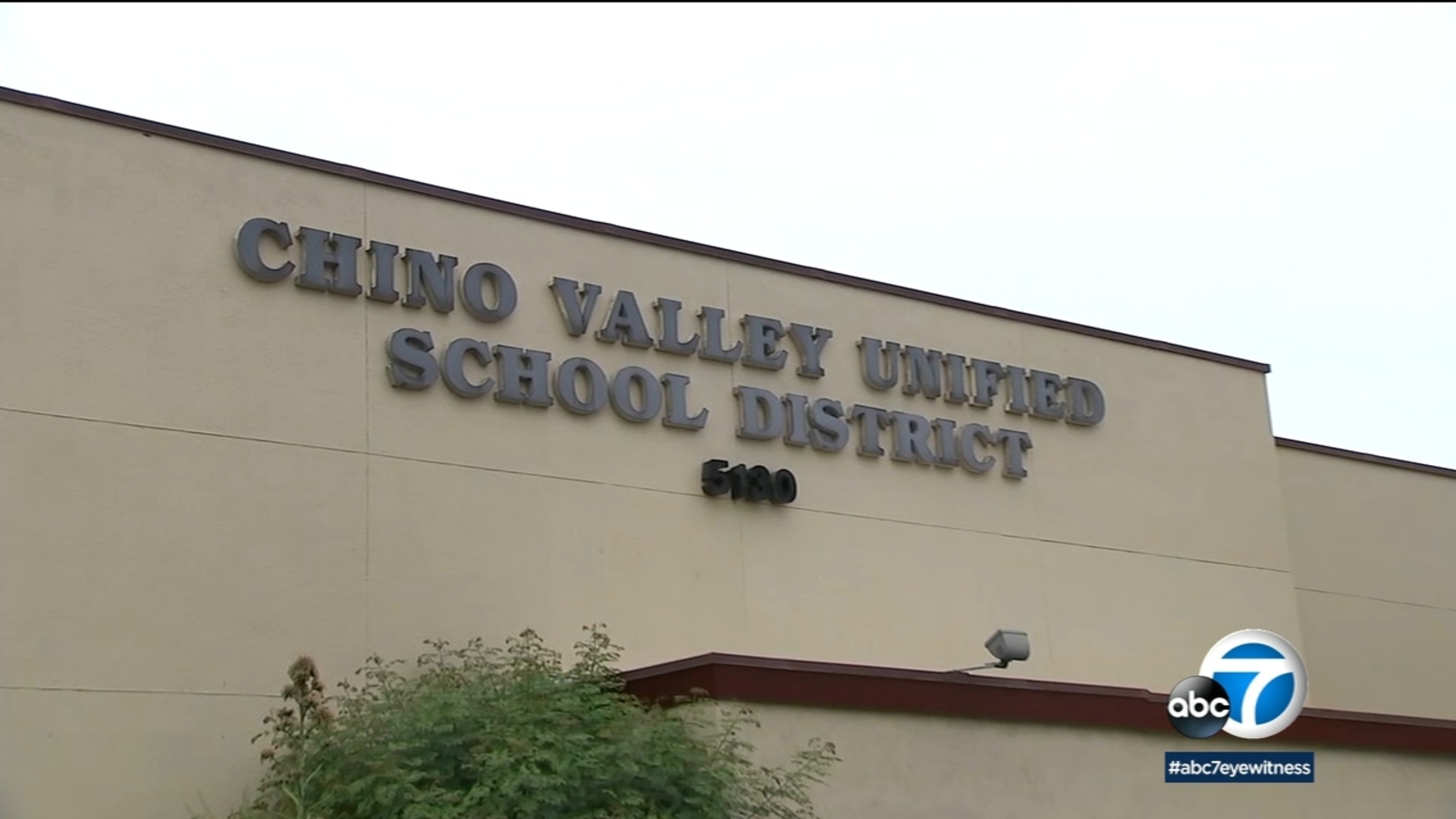
A judge has issued a temporary restraining order on the Chino Valley Unified School District's transgender notification policy, which requires schools to notify parents if their children change their gender identification or pronouns. The policy has been met with opposition from LGBTQ+ advocates who argue that it invades students' privacy and threatens their well-being. California Attorney General Rob Bonta filed a lawsuit against the policy, stating that it forcibly outs transgender students. The temporary restraining order blocks the policy from being in effect during the lawsuit. The battle between school districts and the state over LGBTQ+ policies has been intensifying, with conservative school board members pushing back against the state's stance.
A 12-year-old student in Colorado Springs was removed from class at The Vanguard School for having a Gadsden flag patch on his backpack. The school staff member claimed that the flag had origins with slavery and was disruptive to the classroom environment. The student's mother argued that the flag symbolized the American Revolution and did not promote slavery. The school cited reports linking the flag to racism and intolerance, while the mother questioned the school's policy and pointed out other students with patches on their backpacks. The school has not yet responded to requests for comment.
A Colorado high school graduate wore a sash representing the flags of Mexico and the United States to her graduation ceremony, despite being barred from doing so by school officials. The student partially covered the flag sash with another sash representing her participation in a service organization. The school district had argued that individual sashes were not allowed to protect the symbolic traditions of graduation attire. The case is the latest in a series of disputes over cultural graduation attire in the US.
Parents of eighth-grade students at Westview Middle School in the Riverview Gardens School District are angry after their children were turned away from their graduation ceremony. The school district said that students who did not meet the Positive Behavioral Interventional Support policy were not eligible to participate in the ceremony, and that students and parents were updated on their eligibility. However, parents argue that their children were robbed of a special moment and that the school's policy was unfair.
A fifth-grade teacher in Hernando County is under investigation for showing the Disney movie "Strange World" in class without approval from school leadership. The film features a gay teenager, which sparked concern for a parent and school board member. The teacher admitted to making a mistake by not seeking approval but didn't think the film would cause controversy. The school district has since told parents the movie will no longer be shown in classrooms, and an investigation will determine if further action is required against the teacher.