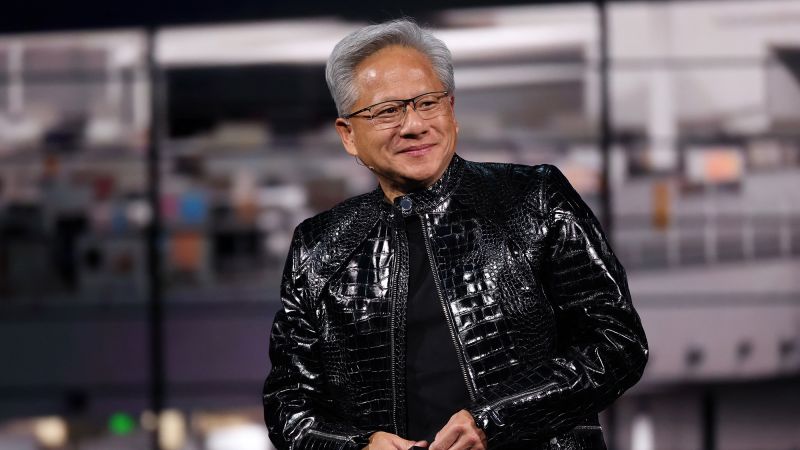
Nvidia unveiled its new AI data center platform, Vera Rubin, which aims to address the increasing demands of AI models and is set to launch in late 2026. The company is positioning itself as a leader in AI infrastructure amidst growing industry competition and significant investments in AI technology, with major cloud providers and AI labs expected to adopt the new system.
Shares of leading memory chipmakers surged due to a global supply shortage driven by high demand for AI infrastructure, with prices more than doubling in some segments and analysts predicting the supercycle could last into 2027.
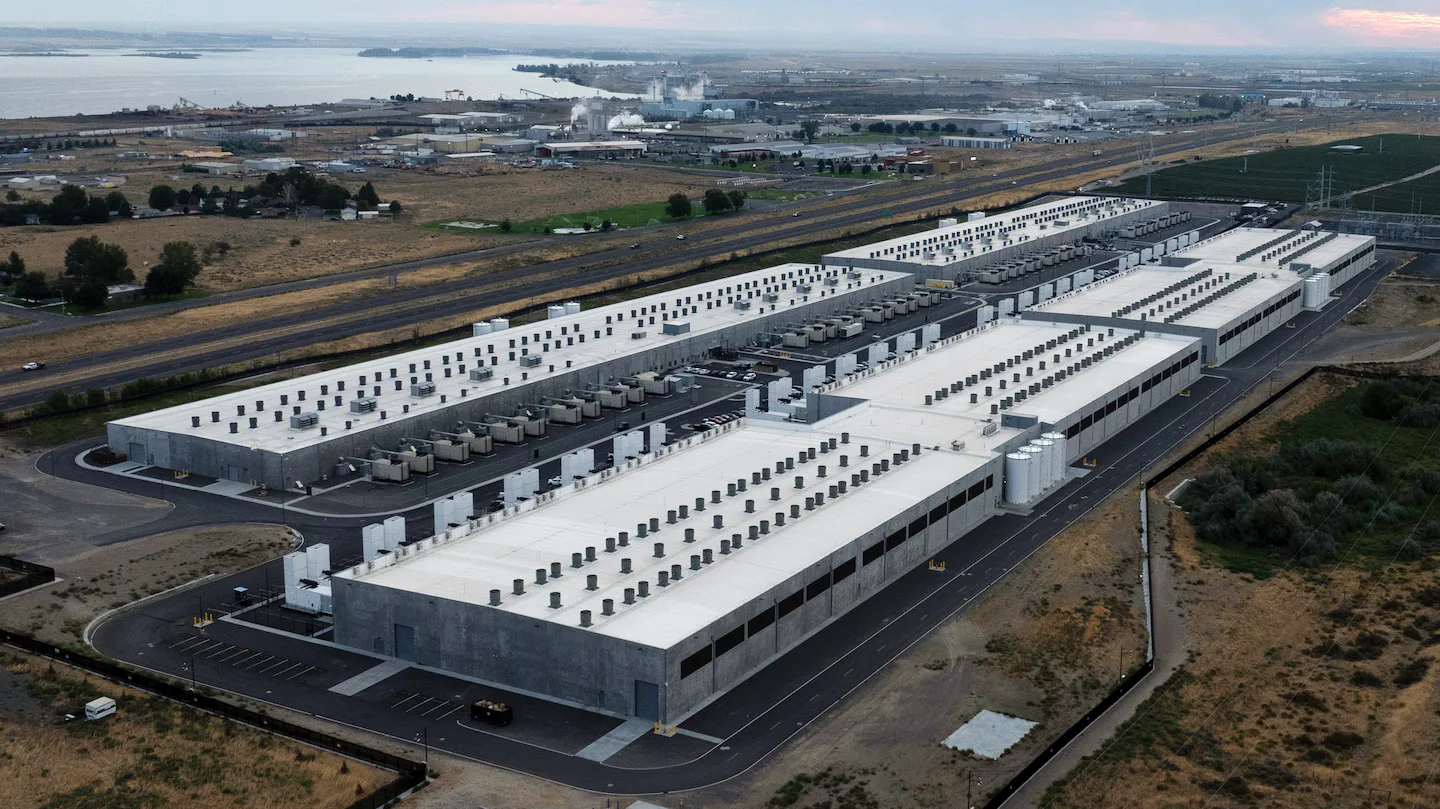
Communities across the U.S. are increasingly opposing the construction of large data centers due to environmental, economic, and quality of life concerns, leading to numerous proposals being blocked or delayed despite significant industry investments and support from higher levels of government.
A report suggests that Apple's AI strategy may start to show significant results by 2026, indicating a potential breakthrough in their artificial intelligence initiatives.
Meta Platforms has acquired Manus, a Singapore-based AI startup known for its general-purpose AI agents, in a deal reportedly over $2 billion, as part of its broader strategy to expand its AI capabilities and talent pool, including investments in various AI startups and integration of advanced automation into its products.
Four tech professionals share a simple but effective advice for breaking into AI: get hands-on experience by working on real-world projects, whether at work, through side projects, or freelance roles, to demonstrate practical skills and build a strong portfolio.
Stanford computer science graduates are facing increased difficulty finding jobs as AI tools automate tasks traditionally done by junior programmers, leading to a significant shift in hiring practices and raising concerns about workforce stability and the need for educational and policy adaptations.
Tech companies are shifting $120 billion of AI data centre debt off their balance sheets, indicating a strategic move in financial management within the tech industry.
In 2025, AI was responsible for approximately 55,000 layoffs in the U.S., with major firms like Amazon, Microsoft, and others citing AI-driven restructuring and cost-cutting measures amid a record-high total of 1.17 million job cuts this year.
President Trump's AI czar, David Sacks, has issued an executive order to block state AI regulations, causing controversy within the tech industry and Congress, as it undermines efforts for a unified federal AI policy and sparks political and legal conflicts.
Global investment in data centers reached a record $61 billion in 2025, driven by the AI boom and ongoing demand for infrastructure, with projections indicating rapid expansion over the next five years despite concerns over potential overspending and energy consumption.
Tech companies are investing heavily in AI infrastructure, particularly data centers and chips, but concerns are rising about the longevity of these investments due to rapid chip degradation, uncertain AI returns, and potential bubble risks, raising questions about the sustainability and economic impact of the AI buildout.
The article discusses the misconceptions and complexities surrounding water use by AI data centers, emphasizing that while their water consumption is often exaggerated or misunderstood, they can still impact local water resources, especially in drought-prone areas. It highlights the importance of accurate data, regional context, and the societal value placed on AI technology in evaluating environmental impacts.