Jimmy Kimmel fought back tears during his final 2025 show, thanking fans for their support through a tumultuous year marked by personal loss, political conflicts, and his show's suspension, while reaffirming his commitment to continue hosting through 2027.
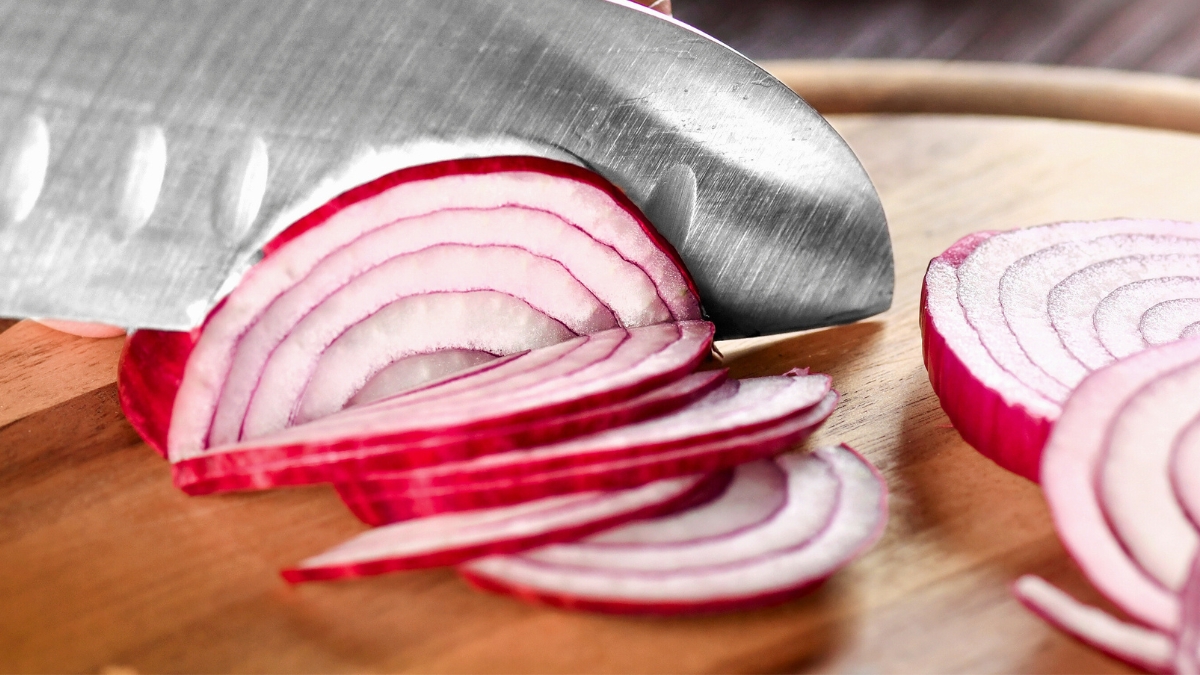
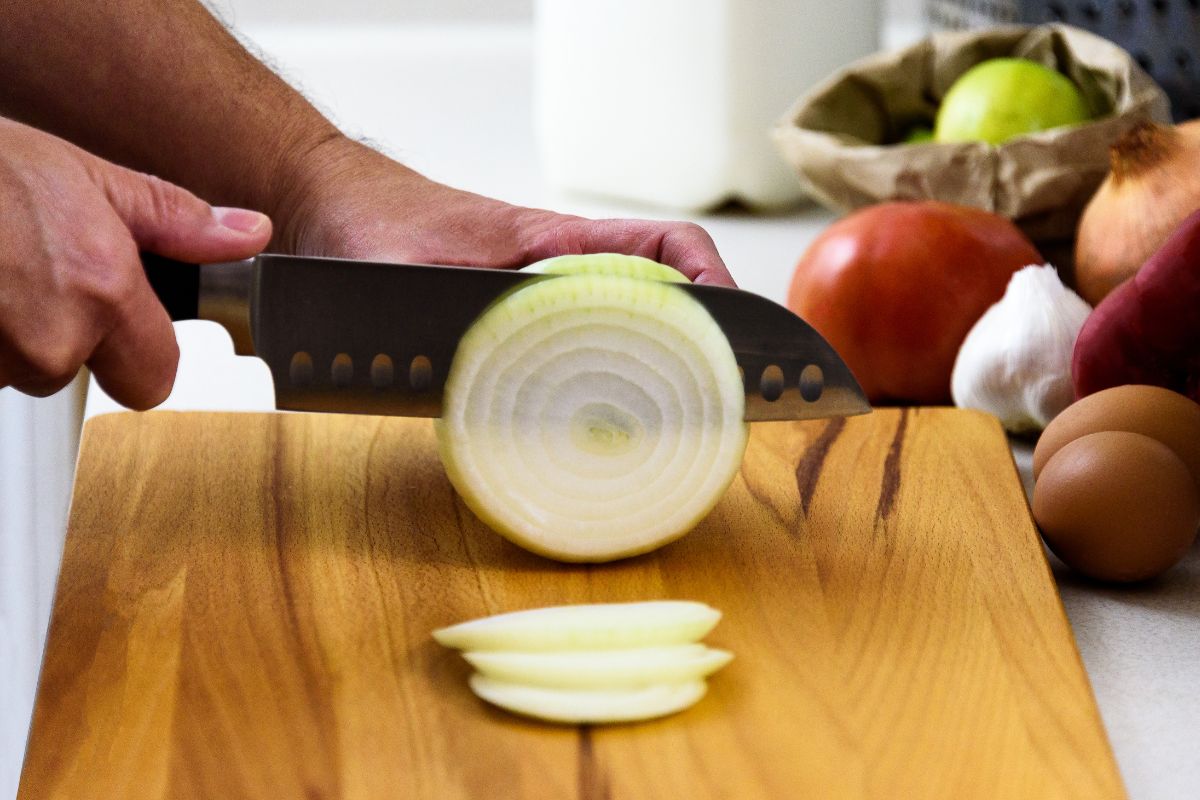
Scientists from Cornell University discovered that using sharper knives and cutting onions more gently significantly reduces the release of mist and droplets that cause tears, with implications for both kitchen safety and food hygiene.
Sabrina Carpenter's MTV VMA performance of 'Tears' incorporated elements of protest, including drag performers and signs supporting trans rights, highlighting her support for the LGBTQ+ community amid ongoing legislative challenges.
Sabrina Carpenter performed her song 'Tears' at the 2025 MTV VMAs, debuting a visually striking act with themes of trans solidarity, following her recent Grammy win and multiple award nominations.
Sabrina Carpenter's album 'Man’s Best Friend' and its lead single 'Tears' have achieved record-breaking success in 2025, making her the most streamed female artist and debuting with the largest album streams of the year, signaling her rise to pop dominance.
Scientists from Cornell University discovered that using a sharp knife and cutting onions slowly significantly reduces tears by minimizing juice spray and cellular compression, making onion chopping more comfortable and hygienic.
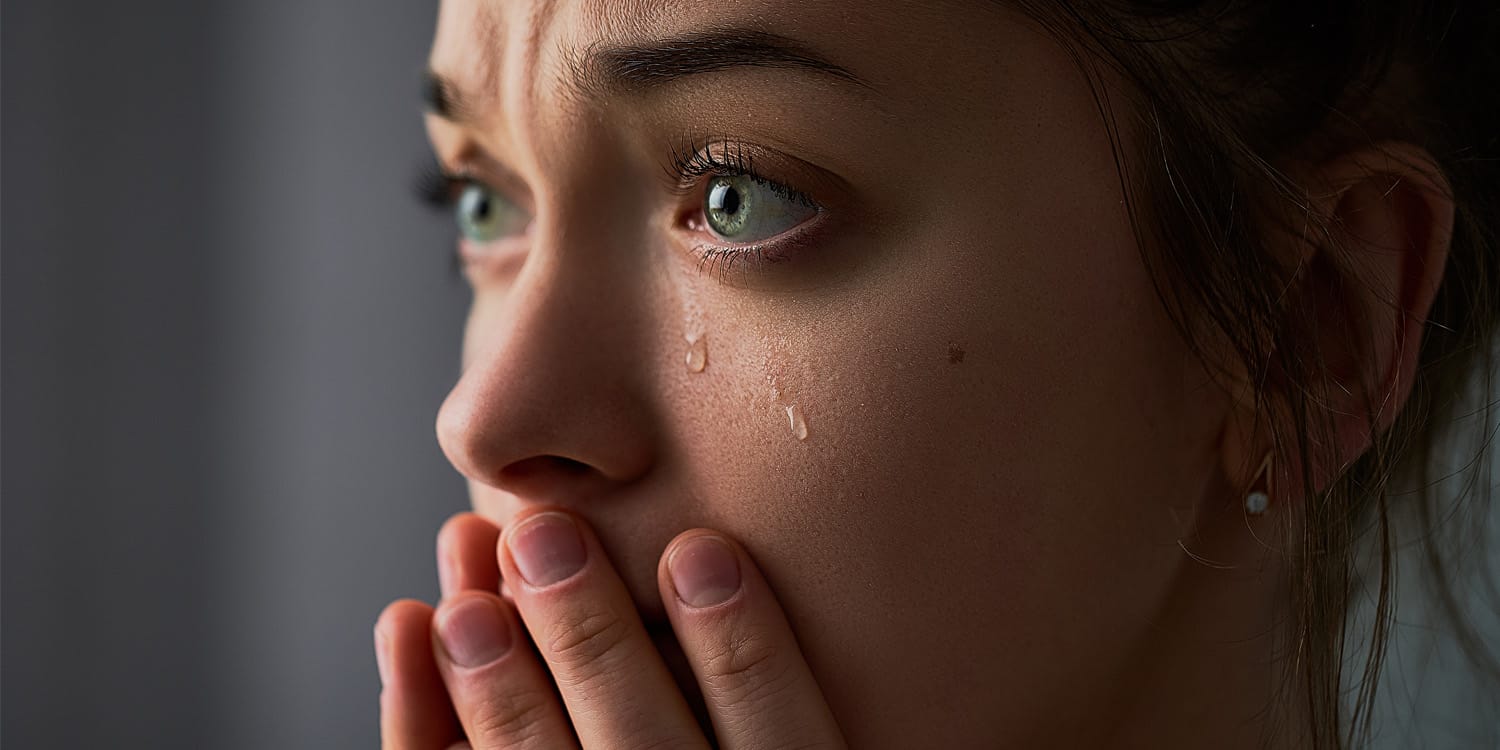
Alyssa Farah Griffin, a Republican co-host on ABC's The View, revealed she has cried at least six times backstage due to the show's heated discussions, highlighting the emotional toll of political debate on the set. Despite the stress, she considers the job great and appreciates support from her colleagues.
The article covers the emotional display of Chancellor Rachel Reeves during Prime Minister's Questions, which triggered market panic and political speculation about her future, alongside other headlines including NHS reforms, the Princess of Wales's cancer recovery, and Sean Combs's court case.
A study published in Plos Biology found that female tears contain a chemical that significantly reduces male aggression. The research, which involved male participants sniffing tears while playing a rigged video game, showed a 44% decrease in aggressive behavior compared to when they sniffed saline. The study suggests that this chemical reaction may have evolved to protect infants, as babies are unable to verbally communicate and are at risk of aggression. The findings align with studies on rodents and dogs, indicating a broader biological function of tears in reducing aggression and facilitating caregiving across species.
A study conducted by the Weizmann Institute of Science in Israel found that men become less aggressive after smelling women's tears. The tears contain a chemical signal that reduces activity in aggression-related brain regions. Previous studies with rodents also showed that tears reduce aggression. The researchers discovered that tears activate specific olfactory receptors and decrease activity in the prefrontal cortex and anterior insula, areas of the brain linked to aggression. The composition of tears may have evolved to protect babies from harm. However, the social context of crying is complex, and the reduction of aggression is just one potential function of tears.
Human tears contain a substance that reduces aggression, according to a study by researchers at the Weizmann Institute of Science in Israel. Sniffing emotional tears from women reduced male aggression by over 40% in computerized tests and led to changes in the brain. The researchers believe that tears may have evolved to protect vulnerable infants from harm. The study also found that tears activated smell-sensing neurons in humans, suggesting a response to the aggression-dampening substance. While the chemicals in tears may not have a significant impact on adult social interactions, they may play a role in protecting babies from aggression. The researchers aim to identify the active ingredient in tears for potential use in reducing aggressive tendencies.
A groundbreaking study published in PLOS Biology reveals that human tears have the ability to reduce aggression in men and alter brain activity. The research challenges the belief that tears are solely for eye protection and suggests that they play a significant role in human social interaction. The study found that exposure to tears led to a 43.7% reduction in aggression among male participants compared to saline. The experiments also showed that certain olfactory receptors in the human nose can detect tear signals, even though tears themselves lack a noticeable smell. The findings highlight the potential importance of tears in social signaling and provide insights into the connection between smell and aggression.
New research reveals that sniffing women's tears reduces aggressive behavior in men. The study shows that tears contain chemicals that block aggression in males, leading to reduced brain activity related to aggression and less revenge-seeking behavior. This finding suggests that social chemosignaling, a process common in animals, also plays a role in human aggression.
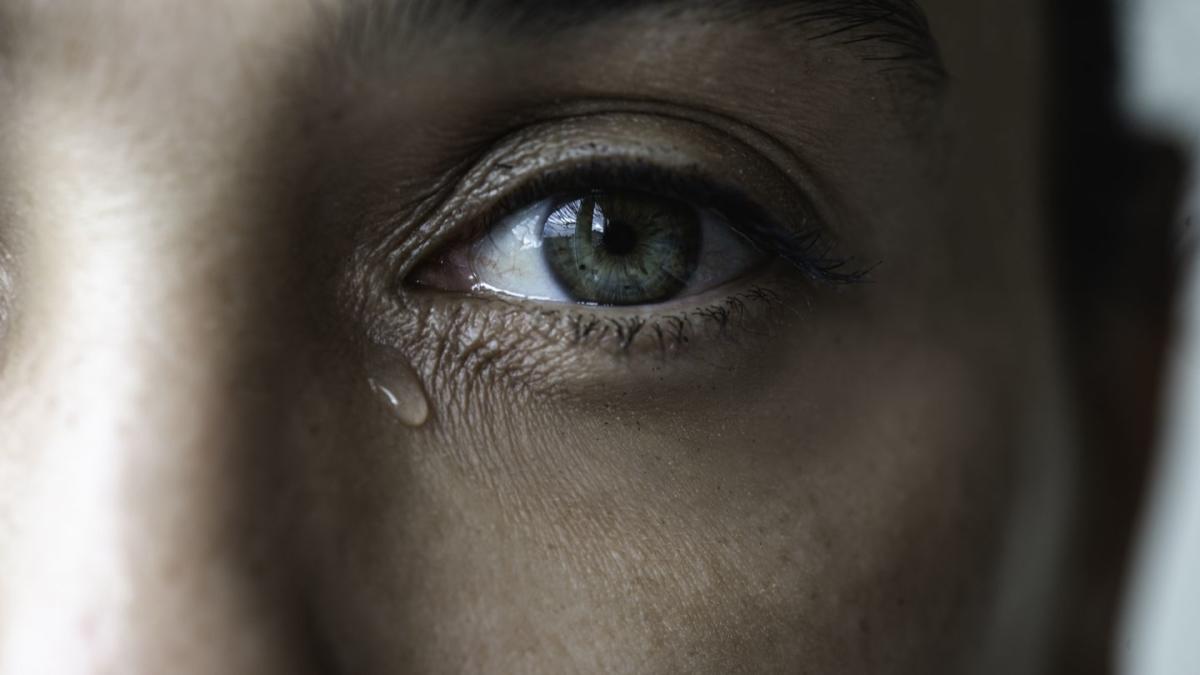
Ophthalmologists explain the science behind crying and the bodily processes involved. There are two components of crying: tears and verbal expressions of distress. Emotional tears, unique to humans, are triggered by strong emotions or intense situations. Tears are made up of salt water, mucus, and oil, and there are three types: basal tears for lubrication, reflex tears to wash away irritants, and emotional tears in response to emotional arousal. Crying can occur not only in sadness but also in happiness or relief. Excessive tears may indicate dry eye syndrome, which can be caused by hormonal changes, contact lenses, or certain medications.
Ice Spice won Best New Artist at the 2023 VMAs and broke down in tears during her acceptance speech. She thanked her supporters, manager, and fellow nominees. Ice Spice's outfit, a white lace dress, paid tribute to Madonna's 90s style. Taylor Swift also had a successful night, winning nine VMAs.