Tag

Tdp 43

All articles tagged with #tdp 43

Chronic Stress and Neuronal Aging: Risks and Strategies for Healthy Brain Aging
science7 months ago

Chronic Stress and Neuronal Aging: Risks and Strategies for Healthy Brain Aging

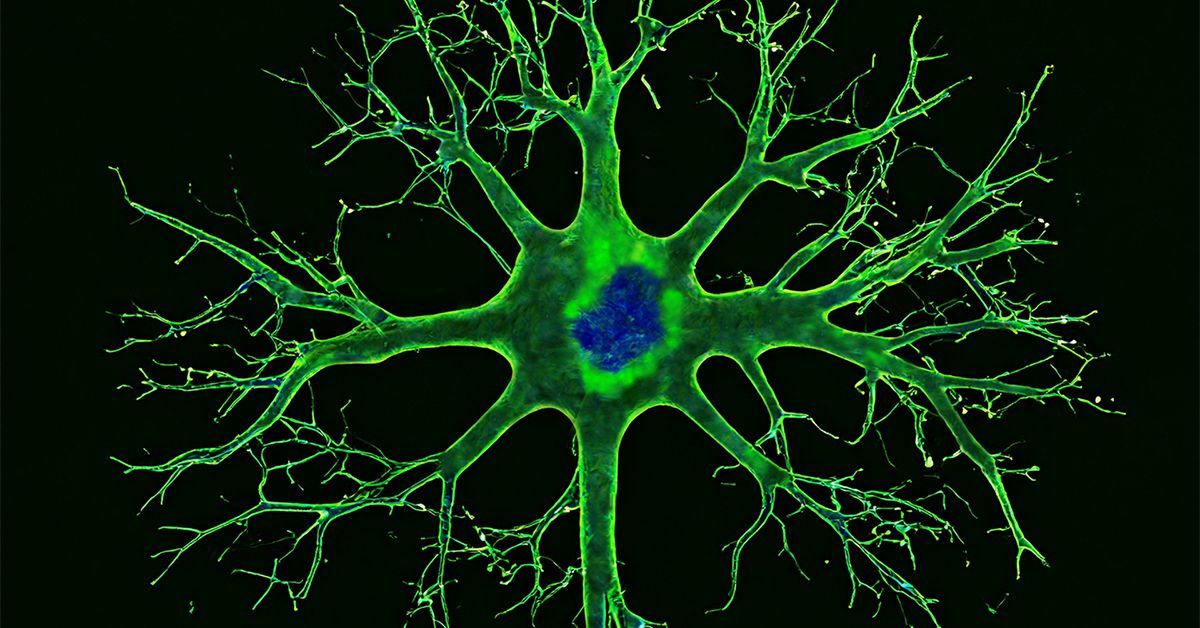
A study by UC San Diego researchers found that aging neurons exhibit molecular stress markers, such as stress granules and TDP-43 accumulation, which impair their ability to recover from stress and may contribute to neurodegenerative diseases like Alzheimer's and ALS. The research highlights potential targets for developing therapies to prevent these conditions.
"Discovery of Abnormal Proteins in Spinal Fluid Links to ALS and Frontotemporal Dementia"
health1 year ago

"Discovery of Abnormal Proteins in Spinal Fluid Links to ALS and Frontotemporal Dementia"

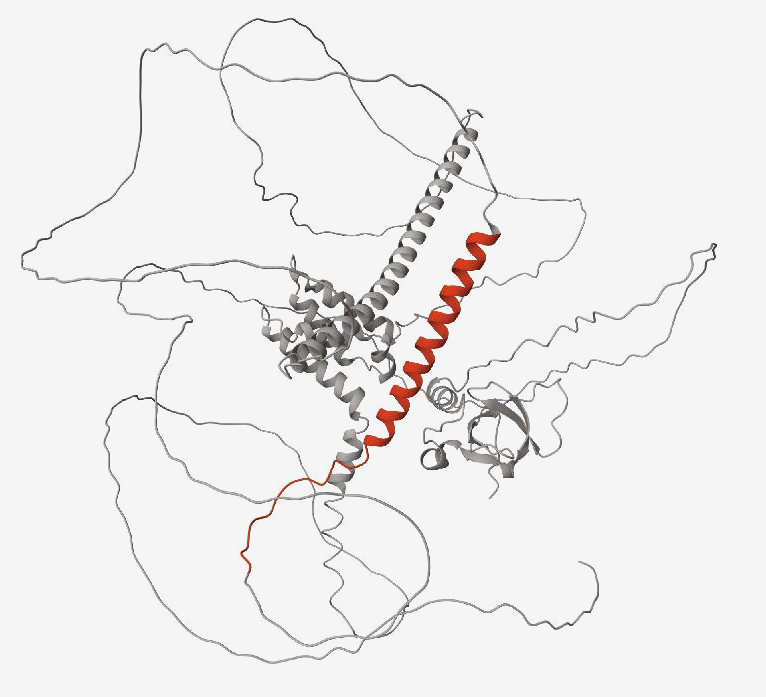
Abnormal proteins have been discovered in the spinal fluid of individuals with ALS and frontotemporal dementia, potentially serving as biomarkers for improved diagnosis and the development of new therapies. These proteins result from mis-spliced RNA sections due to dysfunctional TDP-43, a protein linked to various neurodegenerative diseases. The study's findings may lead to the early detection of diseases involving TDP-43 dysfunction and provide insights for therapeutic development, as well as potentially triggering inflammation contributing to neurodegeneration. This research was funded by the NINDS, NIA, and NIH, and its implications could advance our understanding of neurodegenerative diseases and aid in clinical trials.

Unraveling the Impact of Protein Misfolding on Neurodegeneration
neuroscience2 years ago

Unraveling the Impact of Protein Misfolding on Neurodegeneration

Protein misfolding and deposits in the brain are common factors in neurodegenerative diseases. Recent research explores the phenomenon of cross-seeding, where misfolded proteins from one disease can induce the aggregation of others. A study focused on the interaction between the prion protein and TDP-43 reveals how they collaborate to impact neurodegenerative diseases by triggering the clumping and inactivation of TDP-43. This new mechanism sheds light on how disease-associated prion proteins can affect physiological signaling pathways through cross-seeding.

Promising Results: SOL-257 Gene Therapy Benefits ALS Mouse Models
medical-research2 years ago

Promising Results: SOL-257 Gene Therapy Benefits ALS Mouse Models

SOL-257, an experimental gene therapy developed by Sola Biosciences, has shown promising results in two mouse models of amyotrophic lateral sclerosis (ALS). The therapy targets the toxic TDP-43 protein that accumulates in ALS nerve cells and significantly improved disease outcomes, including extended survival, improved muscle strength, and motor function. SOL-257 works by promoting proper folding or degradation of misfolded TDP-43 proteins. The therapy utilizes Sola's JUMP70 technology platform and a harmless adeno-associated virus to deliver the gene therapy. These preclinical findings support the potential of SOL-257 as a translational therapy for ALS patients.

New DNA Treatment Shows Promise in Delaying ALS Paralysis.
health2 years ago

New DNA Treatment Shows Promise in Delaying ALS Paralysis.

A team of scientists led by Don Cleveland at the University of California San Diego School of Medicine has developed a designer DNA drug that can restore normal levels of stathmin-2, a protein crucial to the regeneration of neurons and the maintenance of their connections to muscle fibers, which is lost in almost all persons with amyotrophic lateral sclerosis (ALS). The drug works by mimicking the function of TDP-43, a protein associated with ALS, Alzheimer's disease, and other neurodegenerative disorders. The findings lay the foundation for a clinical trial to delay paralysis in ALS by maintaining stathmin-2 protein levels in patients using the designer DNA drug.