Tag

Tasmanian Tiger

All articles tagged with #tasmanian tiger

science16 days ago

Scientists Successfully Recover Genetic Material from Extinct Species

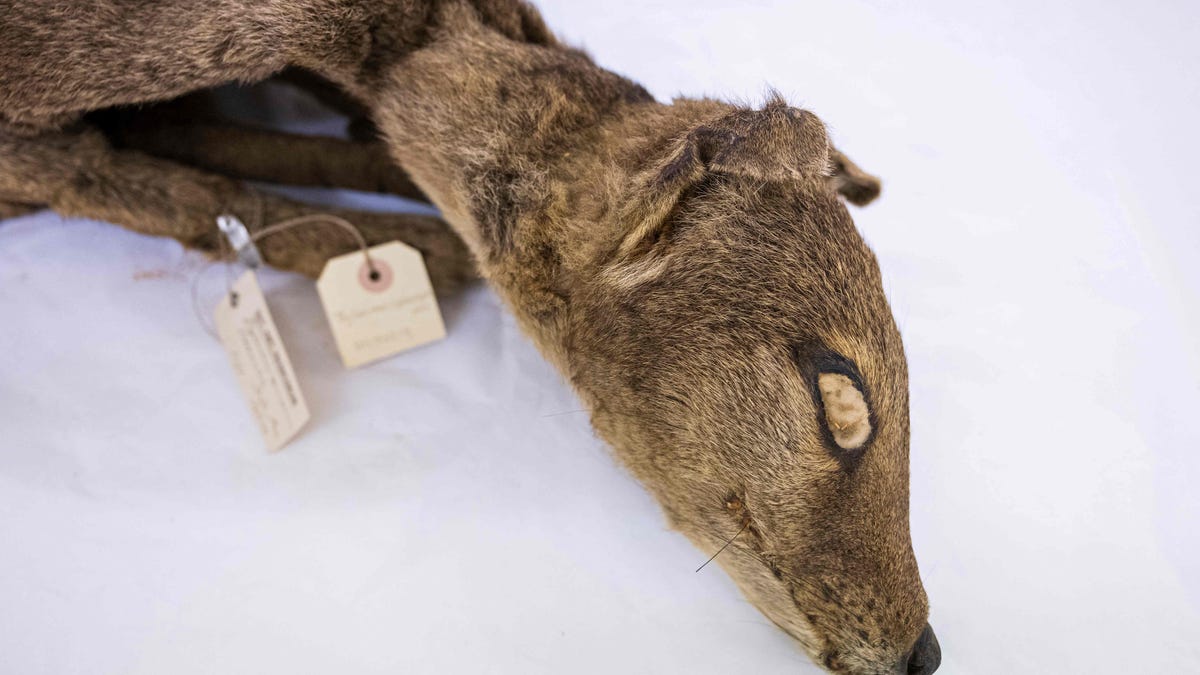
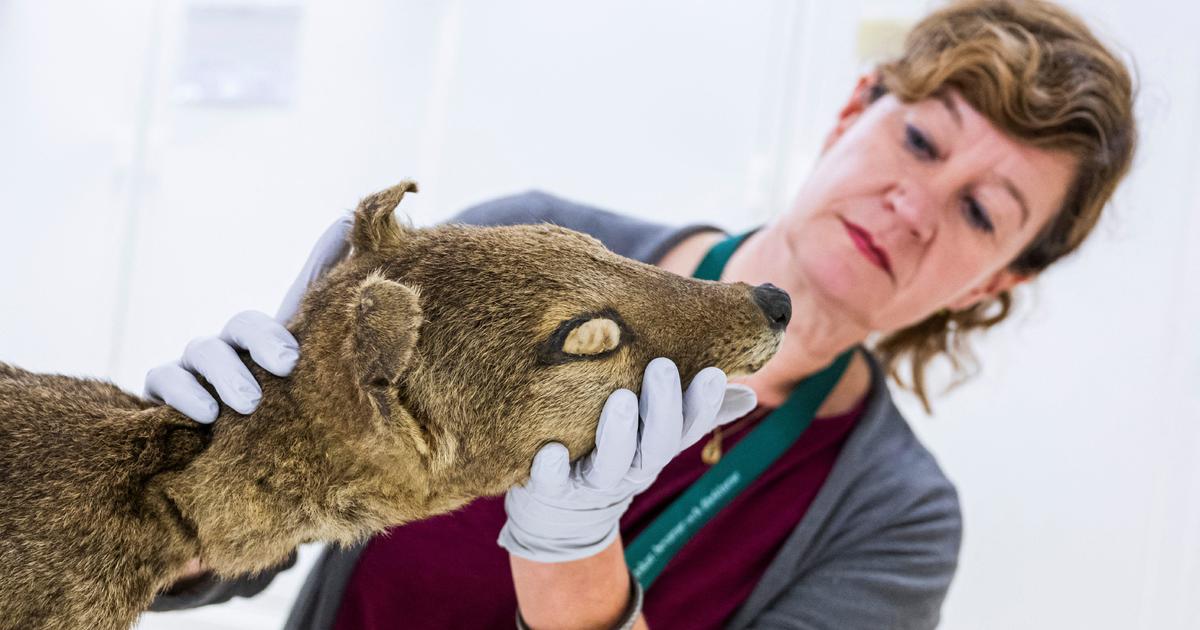
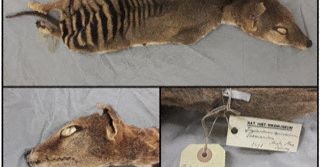
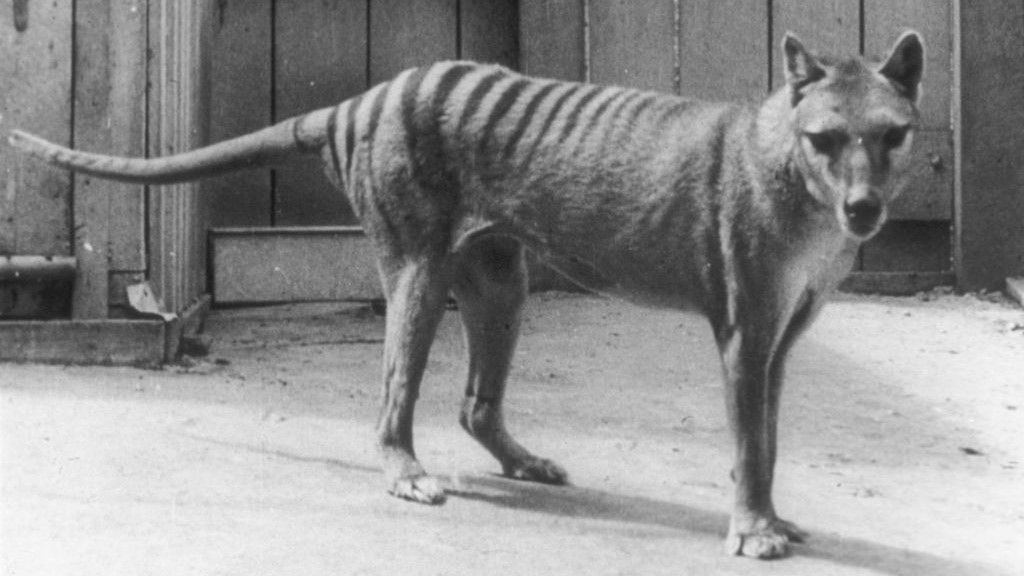
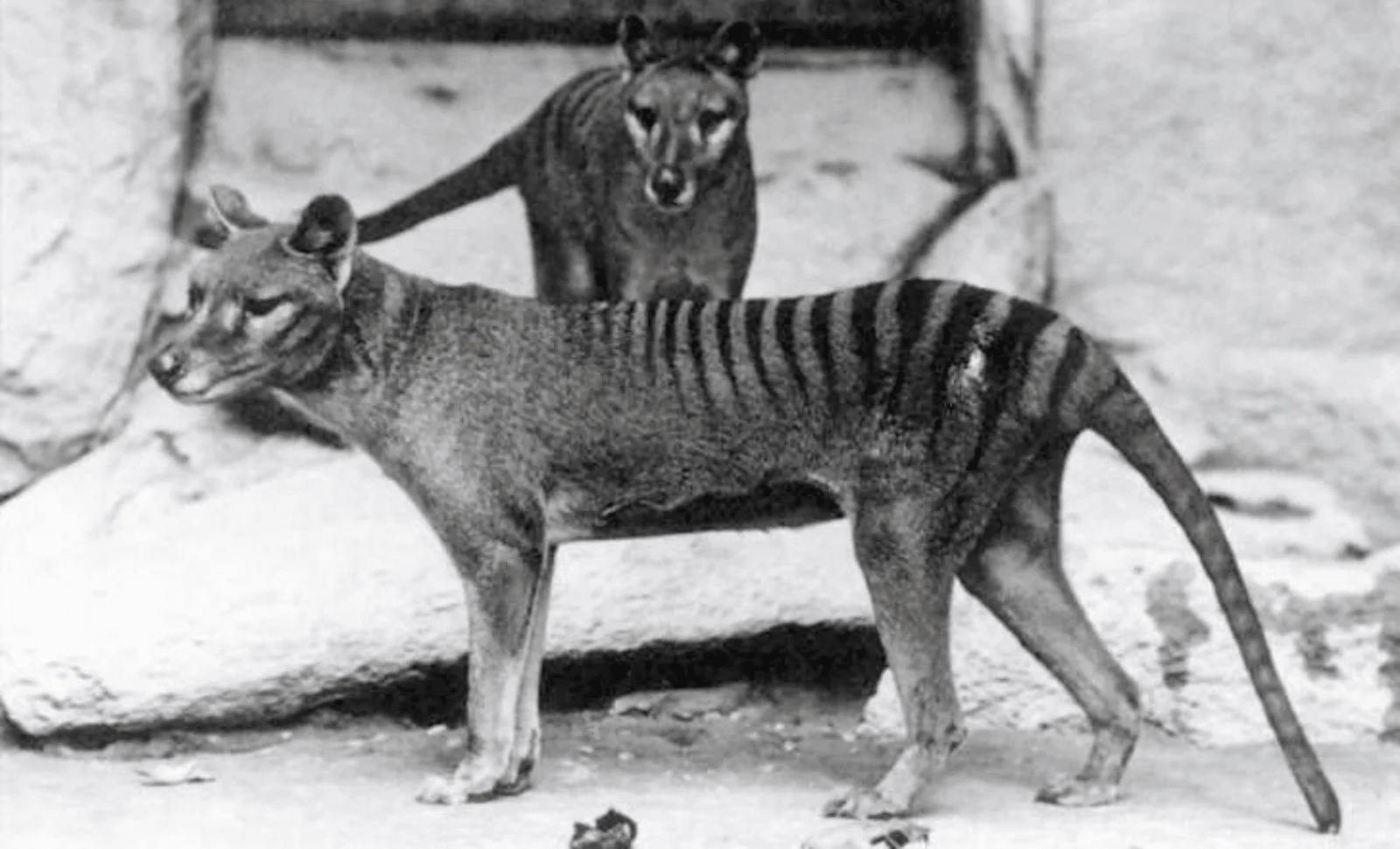
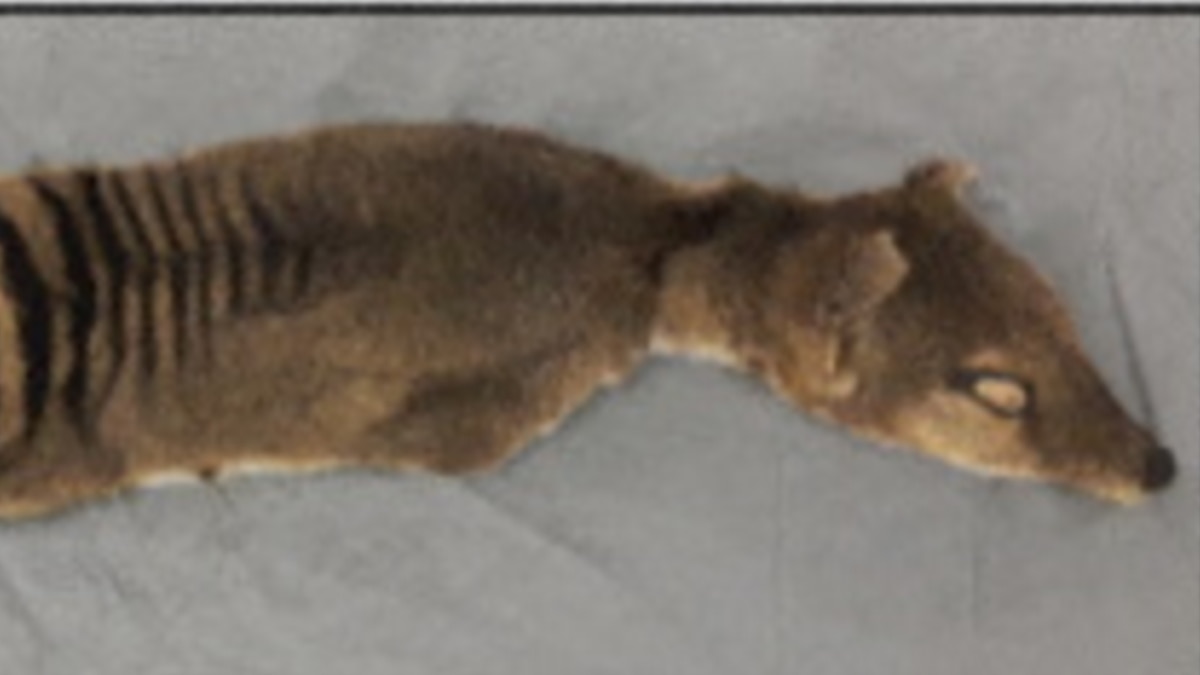
Scientists have successfully extracted and sequenced RNA from a 130-year-old preserved Tasmanian tiger, marking the first time ancient RNA has been recovered from an extinct mammal. This breakthrough provides new insights into the species' gene activity, tissue function, and potential viral interactions, opening new avenues for studying ancient biology and evolution.
science-and-technology2 years ago

"CRISPR Advances: Reviving Extinct Animals with De-Extinction Technology"

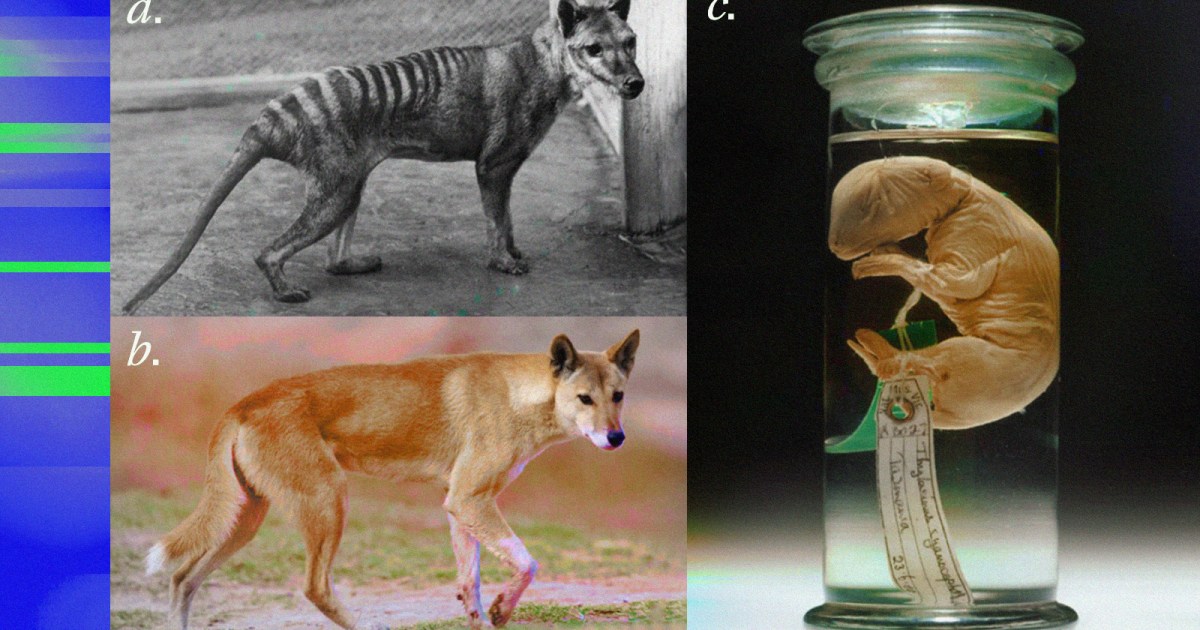
Researchers are exploring the possibility of "de-extincting" the Tasmanian tiger, also known as the thylacine, using genetic engineering and CRISPR technology. The goal is not to create an exact replica of the extinct species, but to create a proxy that can fill its ecological role in the Australian ecosystem. By sequencing the genome of the thylacine and editing the DNA of a similar living species, such as the fat-tailed dunnart, researchers hope to create a Tasmanian tiger-like cell that can be implanted into a surrogate mother. While the process is still in its early stages, the potential benefits of restoring keystone species like the thylacine to their ecosystems make the effort worthwhile.

science-and-technology2 years ago

"Scientists Extract Genetic RNA from Extinct Tasmanian Tiger, Paving the Way for Species Resurrection"

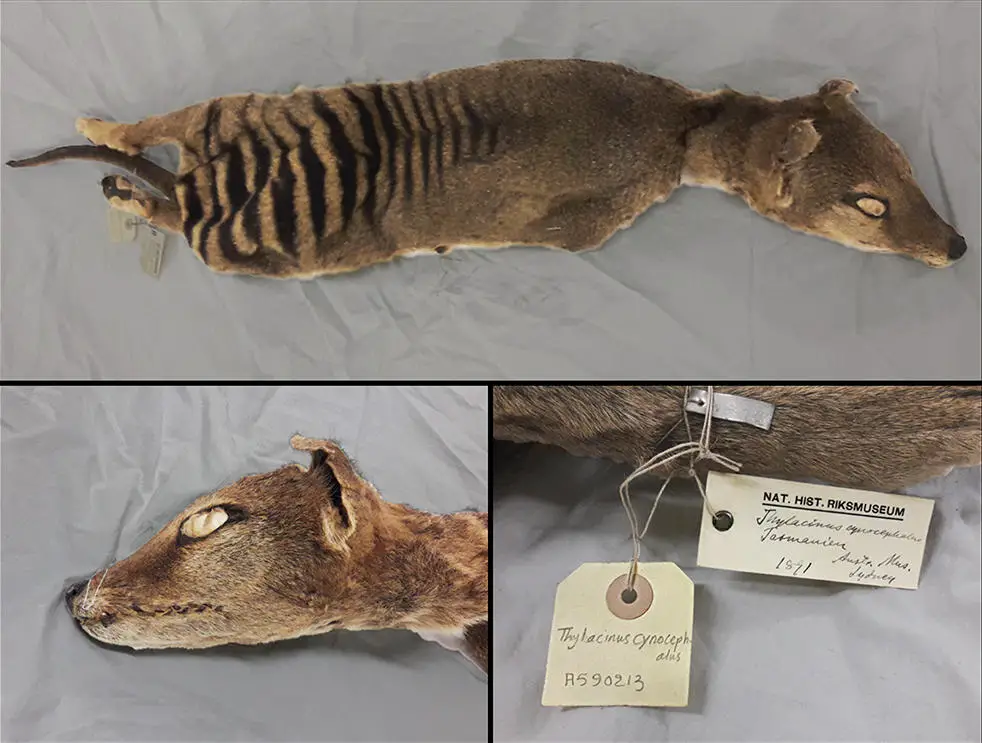
Scientists have successfully recovered genetic material, specifically ribonucleic acid (RNA), from the remains of an extinct Tasmanian tiger. This breakthrough discovery provides valuable insights into the biology and genetic activity of these creatures before their extinction. The recovered RNA came from skin and muscle samples stored since 1891 in a museum in Stockholm, Sweden. This is the first time RNA has been recovered from an extinct animal, and it could aid in understanding the gene complements and active genes of extinct species. While there are challenges in using genetic processes to recreate extinct animals, further research on the biology of these extinct animals is advocated.

science-and-technology2 years ago

"Reviving the Tasmanian Tiger: Recovered RNA offers hope for resurrection"

Scientists have made a breakthrough by isolating and decoding RNA molecules from an extinct Tasmanian tiger, raising hopes of one day resurrecting the species. The recovery and sequencing of RNA from the preserved thylacine marks the first time this has been achieved for an extinct species. This breakthrough could pave the way for reviving not only the Tasmanian tiger but also other long-lost species in the future. The study provides valuable insights into the genetic makeup and biology of the extinct animal. Other projects, such as the resurrection of the woolly mammoth and the dodo, are also underway using gene editing technology.

science-and-technology2 years ago

Scientists Successfully Extract RNA from Extinct Species, Paving the Way for Species Resurrection

Scientists have successfully isolated and sequenced century-old RNA molecules from a preserved Tasmanian tiger specimen, marking the first-ever reconstruction of skin and skeletal muscle transcriptomes from an extinct species. This breakthrough has implications for reviving extinct species and studying pandemic RNA viruses. The research provides valuable insights into the genome and transcriptome regulation of the Tasmanian tiger, aiding efforts in de-extinction. The study also highlights the potential for uncovering and sequencing RNA molecules from other extinct animals and even RNA virus genomes in museum collections.

science2 years ago

Reviving the Past: Scientists Extract RNA from Extinct Tasmanian Tiger

Scientists have successfully recovered and sequenced RNA from an extinct species, the Tasmanian tiger, for the first time. This breakthrough opens up possibilities for the resurrection of other extinct animals. The researchers were able to extract RNA molecules from a 130-year-old specimen and reconstruct skin and skeletal muscle RNA. RNA provides valuable information about gene activity and can reveal details that DNA alone cannot. The study also has implications for studying pandemic RNA viruses and understanding the nature of pandemics. The use of museum collections could further expand the recovery of RNA from various specimens.

science-and-technology2 years ago

"RNA Extraction Breakthrough: Tasmanian Tiger Becomes First Extinct Species to Yield Genetic Material"

Scientists have successfully extracted RNA from the skin and muscle of a 132-year-old Tasmanian tiger, making it the first extinct animal from which RNA has been recovered. The recovery of RNA from extinct animals like the thylacine could provide valuable insights into gene activity and the biology of extinct species. RNA sequences reveal which genes are actually active and used to make proteins inside cells. This breakthrough could aid in ongoing efforts to resurrect the thylacine and also help detect the presence of different RNA viruses through time, accelerating our understanding of viral evolution.

science-and-technology2 years ago

"Breakthrough: RNA Successfully Recovered from Extinct Tasmanian Tiger"

Scientists have successfully recovered RNA, a genetic material similar to DNA, from the desiccated skin and muscle of an extinct Tasmanian tiger specimen stored since 1891. This marks the first time that RNA has been recovered from an extinct species, opening up possibilities for studying the biology and gene complements of extinct animals. The ability to extract and analyze old RNA could also aid in understanding past pandemics and potentially contribute to efforts to recreate extinct species. The Tasmanian tiger, once an apex predator in Australia, became extinct due to human activities.

science2 years ago

Tasmanian Tiger: Alive and Roaming the Wilderness?

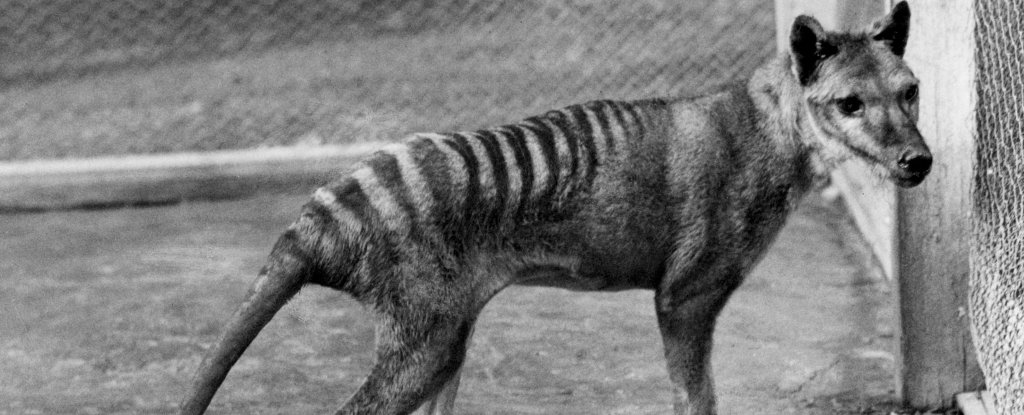
The Tasmanian tiger, also known as the thylacine, may have survived in the wild until the 1980s, with a small chance that they could still be alive today, according to a study published in the journal Science of The Total Environment. The species was driven to extinction in 1936 due to human persecution. Some experts are skeptical of the findings, but others believe that reviving the species could boost conservation efforts. De-extinction remains controversial and complex, with some arguing that it distracts from preventing newer extinctions and that a revived thylacine population could not sustain itself.