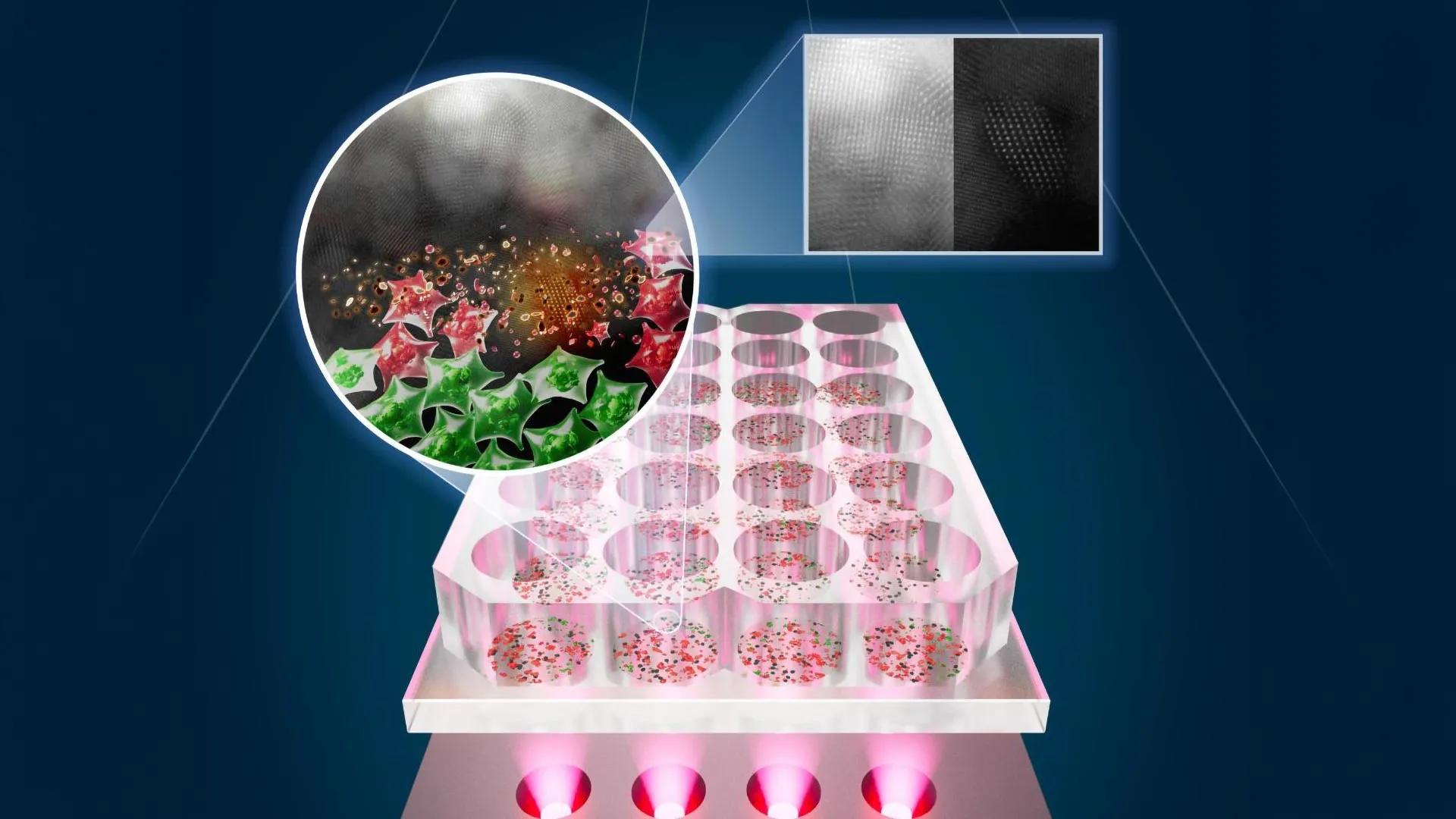
Scientists have developed a new cancer treatment using LED light and tin-based nanoflakes that effectively kills cancer cells while sparing healthy tissue, offering a safer, more affordable alternative to traditional therapies, with promising results in early studies and plans for further development.
Scientists at Stanford have developed a synthetic molecule, PIP-CpG, that targets and kills breast and pancreatic cancers in mice with as few as three doses by delivering immune-activating agents directly to tumors, transforming the tumor microenvironment and showing promising results for future human treatments.
Scientists are developing tiny micro-robots that can be inserted into the nose to directly target and clear sinus infections, potentially reducing the need for antibiotics and offering more precise treatment. These robots are guided by magnetic fields, heat up to break through pus, and destroy bacteria, with early animal trials showing promising results. The technology could be available in hospitals within 3-5 years and may be adapted for other medical applications in the future.
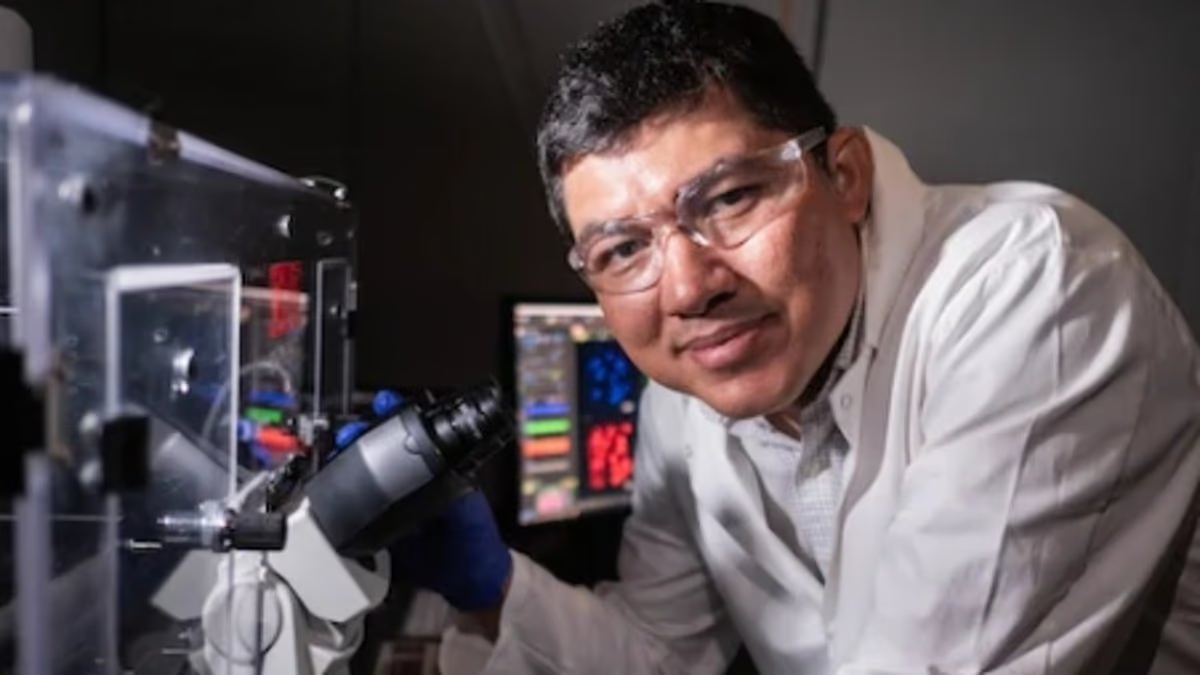
Researchers in Texas have developed a novel light-based cancer treatment using infrared light and a blue dye that acts as a molecular jackhammer, effectively destroying cancer cells in lab trials with high efficiency and minimal damage to healthy tissue, showing promise for future human applications.
Researchers have identified a potential strategy to reverse therapy resistance in prostate cancer by targeting myeloid chemotaxis. Myeloid cells play a crucial role in tumor progression and therapy resistance, and the study found that inhibiting the chemotaxis of these cells can enhance the effectiveness of existing therapies. The findings provide a promising avenue for developing targeted treatments for prostate cancer patients who have developed resistance to current therapies.
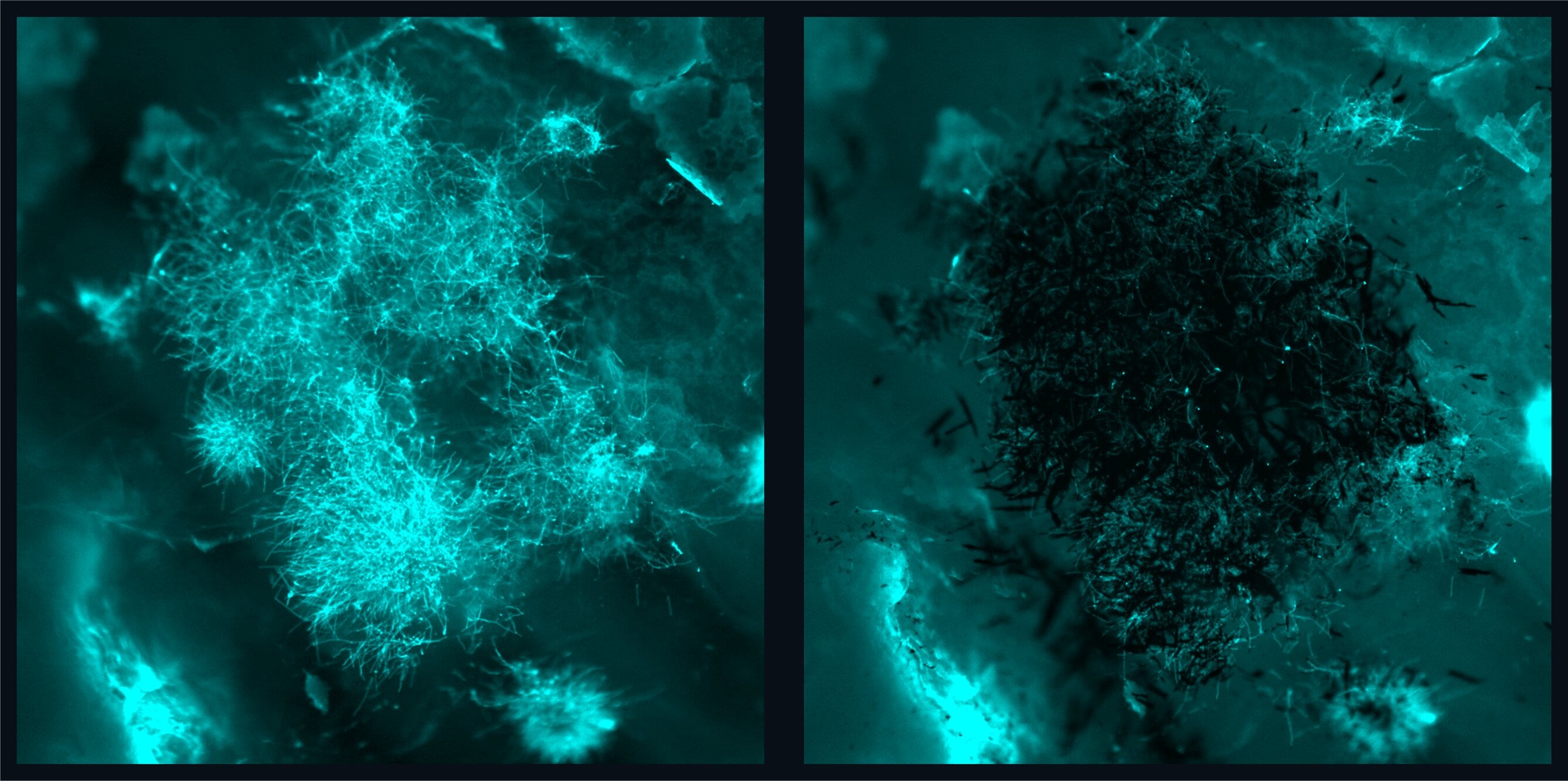
Researchers have developed a microrobotic system that can rapidly and specifically eliminate fungal pathogens using nanozyme microrobots. The system uses electromagnetic fields to control the shape and movements of these nanozyme microrobots with great precision, resulting in enhanced catalytic activity and targeted reactive oxygen species generation. The nanozyme assemblies show a strong binding affinity to fungal cells, enabling a localized accumulation of nanozymes precisely where the fungi reside and rapid eradication of fungal cells within an unprecedented 10-minute window. This approach opens up a new frontier in the fight against fungal infections and marks a pivotal point in antifungal therapy.
Researchers at Caltech have developed a smart bandage that can monitor wounds and provide targeted treatment for chronic wounds. The bandage is made from a flexible and stretchy polymer containing embedded electronics and medication. The electronics allow the sensor to monitor for molecules like uric acid or lactate and conditions like pH level or temperature in the wound that may be indicative of inflammation or bacterial infection. The bandage can transmit the gathered data wirelessly to a nearby computer, tablet, or smartphone for review by the patient or a medical professional, deliver medication directly to the wound site, or apply a low-level electrical field to stimulate tissue growth resulting in faster healing.