The article explains supraventricular tachycardia (SVT), a condition where the heart suddenly beats very fast due to electrical issues, often triggered by factors like exercise, dehydration, or caffeine. It advises stopping activity, staying calm, and performing vagal maneuvers to reset the heart rhythm, and emphasizes seeking medical attention if symptoms persist or worsen.
A normal resting heart rate for most adults is between 60 to 100 beats per minute, with athletes often having lower rates. Factors like age, stress, and physical activity influence this rate, which is a key indicator of cardiovascular health. High resting heart rates can signal health issues like tachycardia, while low rates may indicate bradycardia. Monitoring your pulse can be done easily without high-tech gadgets, and changes in resting heart rate should be discussed with a healthcare provider. Meditation and regular exercise can help maintain a healthy heart rate.
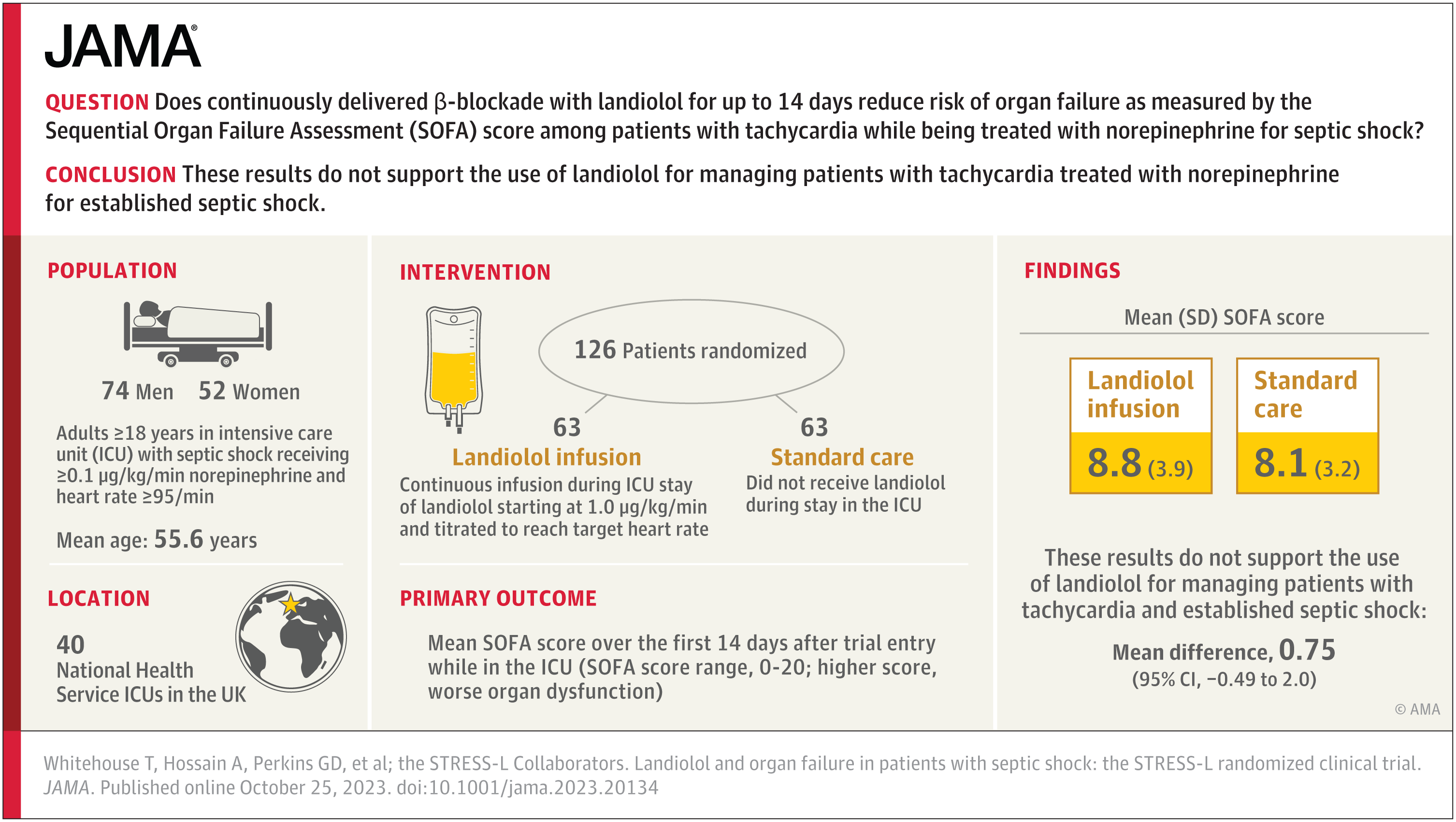
A randomized clinical trial involving 126 patients with tachycardia and established septic shock found that the administration of landiolol intravenously to reduce heart rate did not significantly decrease organ failure as measured by the Sequential Organ Failure Assessment (SOFA) score in the 14 days after randomization. The trial was terminated early due to a signal of possible harm and the results do not support the use of landiolol for managing tachycardia among patients treated with norepinephrine for established septic shock.