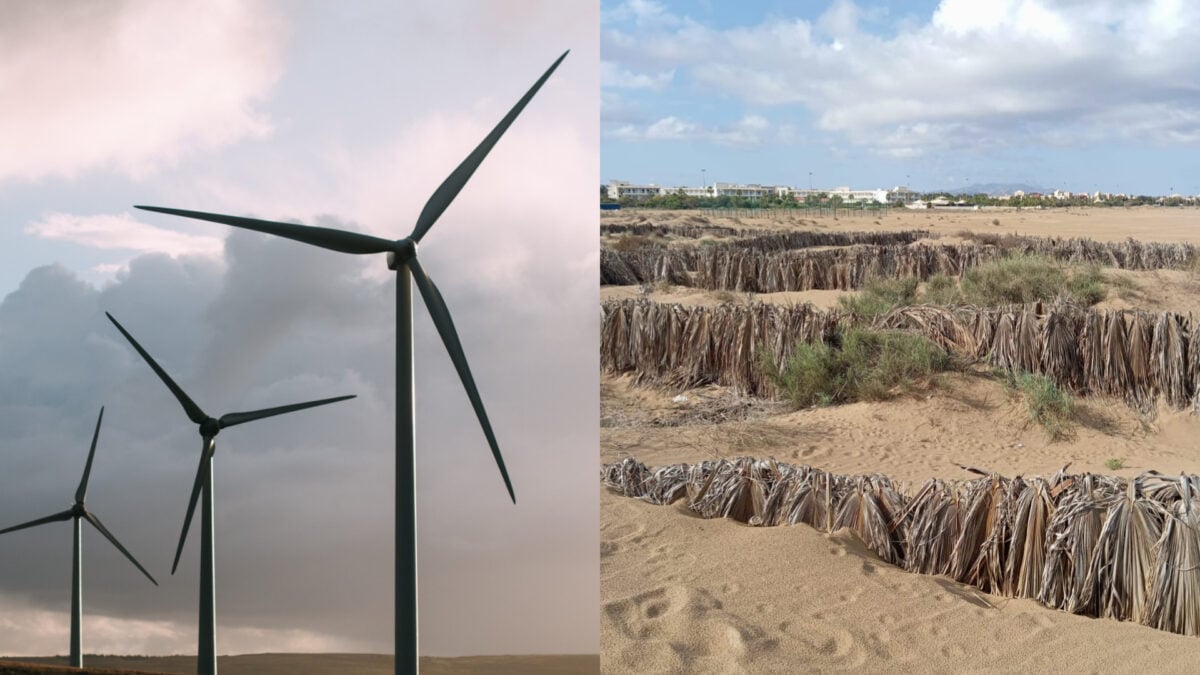
Researchers in China have developed a novel method to reuse decommissioned wind turbine blades by repurposing them into durable sand barriers, offering an eco-friendly and cost-effective solution for sand control in arid regions, while addressing the challenge of wind turbine blade disposal.

A global research team led by Texas Engineers has developed a laser-based method to break down tough plastics into valuable components, offering a sustainable approach to plastic pollution. This technique uses low-power light to decompose plastics into luminescent carbon dots, which have potential applications in various industries. The discovery, published in Nature Communications, represents a significant step towards efficient plastic recycling and advancing green chemistry. Further research is needed to optimize and scale up the process for industrial use.
Scientists at Lawrence Berkeley National Laboratory and the Joint BioEnergy Institute are collaborating with X, Alphabet's moonshot incubator, to develop a "one pot" process that breaks down mixtures of petroleum-based and bio-based plastics using naturally derived salt solutions and specialized microbes. This process eliminates the need for plastic separation in recycling facilities and produces a new type of biodegradable polymer that can be made into fresh commodity products. The approach could streamline recycling and enable bio-based manufacturing of valuable products, such as biofuels and medicines, using plastic waste as a carbon source. The scientists are working on optimizing the process for commercial scale and reducing costs and carbon footprint.
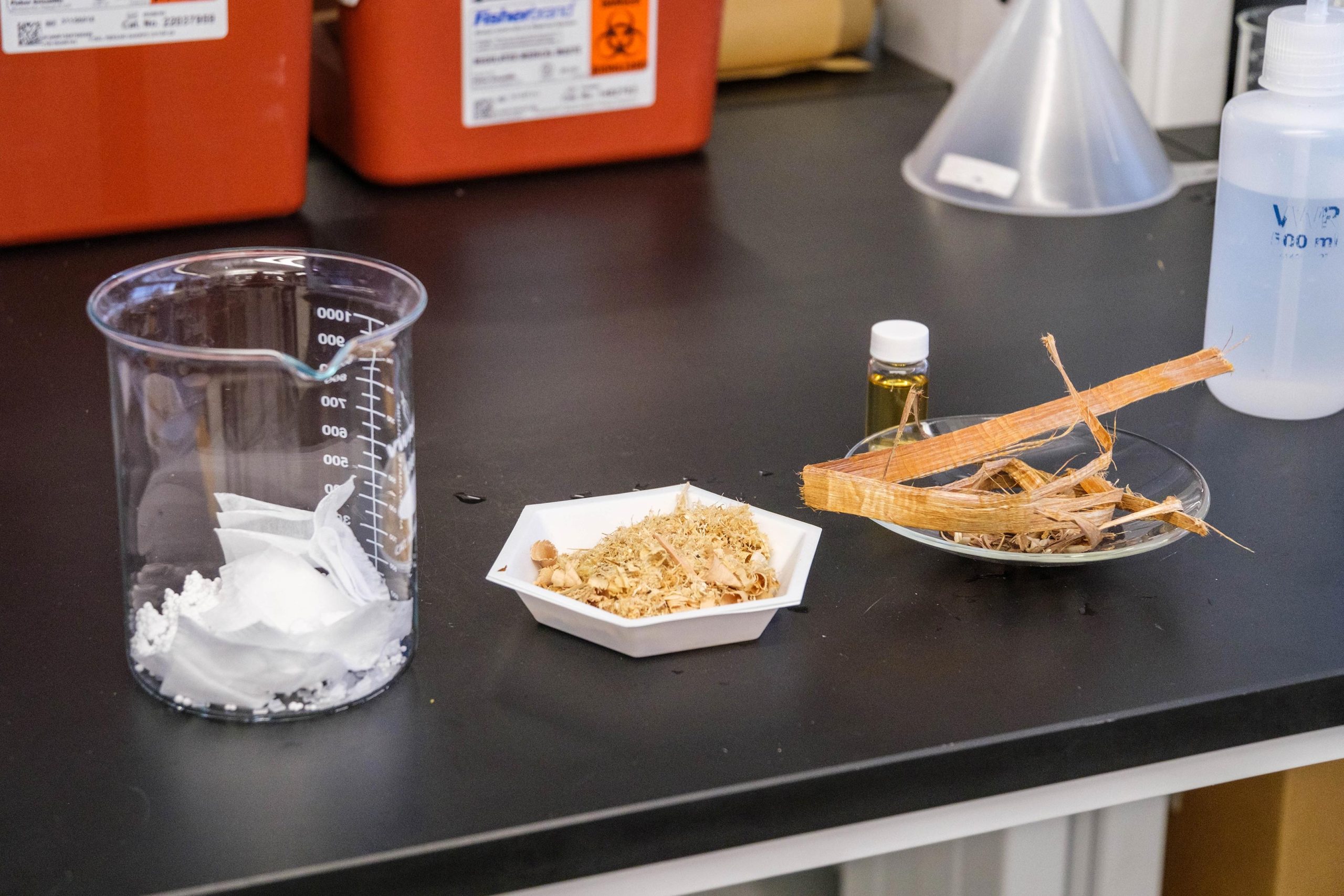
Scientists at UBC's BioProducts Institute have developed a plant-based water filter called "bioCap" that can capture nearly 99.9% of microplastic particles in water. By adding tannins, natural plant compounds, to a layer of wood dust, the filter effectively traps microplastics. The researchers believe this scalable and sustainable solution could be used in municipal treatment systems or even for home use. Microplastics pose a significant threat to aquatic ecosystems and human health, and this innovative approach offers a promising way to combat the problem.
Chris Gloninger, the chief meteorologist for CBS affiliate KCCI in Des Moines, Iowa, has resigned after receiving numerous harassing emails and a death threat over his climate coverage. Gloninger has spent nearly two decades reporting on the weather and the climate crisis, using his forecasts to show how weather is impacted by climate change. Despite leaving broadcast news, he plans to devote his full-time efforts to finding sustainable solutions and fostering positive change.
ExxonMobil has completed America's largest oil refinery expansion in over a decade, adding 250,000 barrels per day to its oil output, increasing its total processing capacity to more than 630,000 barrels daily. The $2 billion project was completed on time and on budget, earning the facility two consecutive Gold Energy Star acknowledgments from the Environmental Protection Agency. The expansion works towards ExxonMobil's mission of creating sustainable solutions that improve quality of life and meet society's evolving needs.