Retired Justice Kennedy reflects on his 43-year judicial career, the decline in civil discourse during the Trump era, and the impact of recent Supreme Court decisions, including his own opinions on same-sex marriage and abortion, highlighting the court's evolving conservative stance and personal anecdotes about colleagues like Justice Scalia.
On its tenth anniversary, gay marriage in America faces renewed challenges despite significant legal and public support, with the Supreme Court's 2015 ruling in Obergefell v Hodges establishing it as a constitutional right.
Luigi Mangione, accused of killing UnitedHealthcare CEO Brian Thompson, allegedly used a "ghost gun," a type of untraceable firearm often assembled at home using 3D-printed parts. These guns, lacking serial numbers, are becoming easier to obtain, raising concerns about their use in crimes. The Biden administration's policy to regulate ghost guns is currently being challenged in the Supreme Court. Between 2016 and 2021, over 45,000 ghost guns were recovered from crime scenes, highlighting the growing issue.
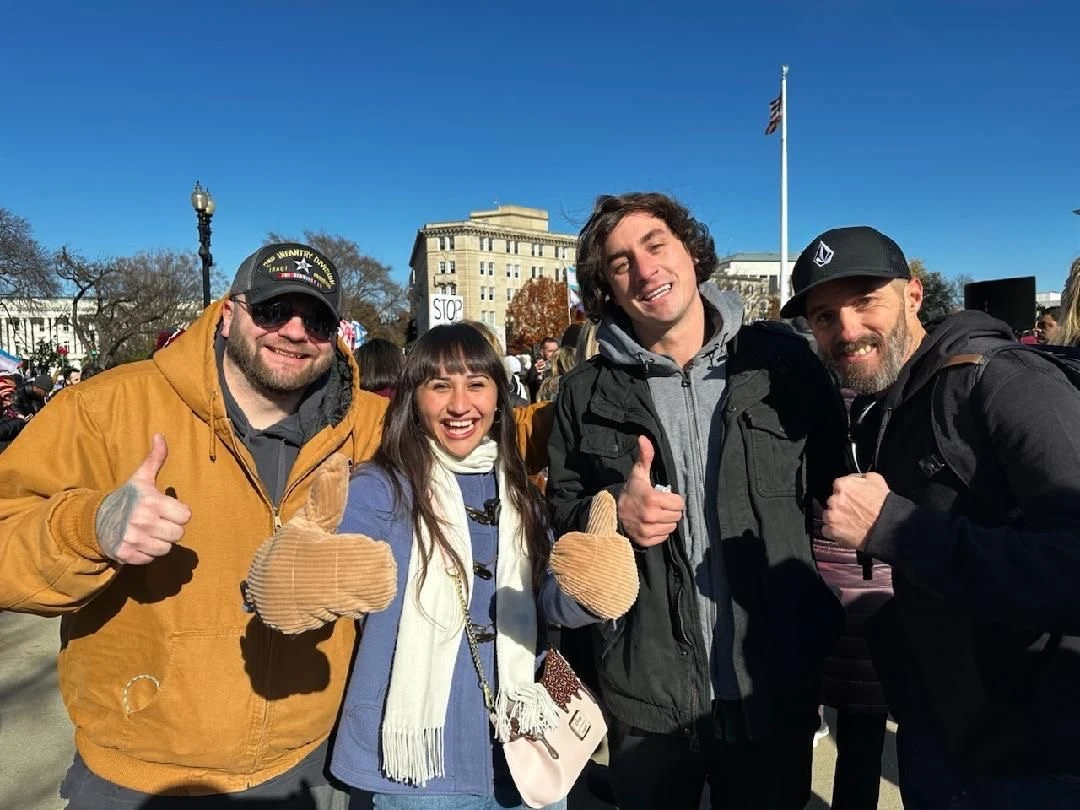
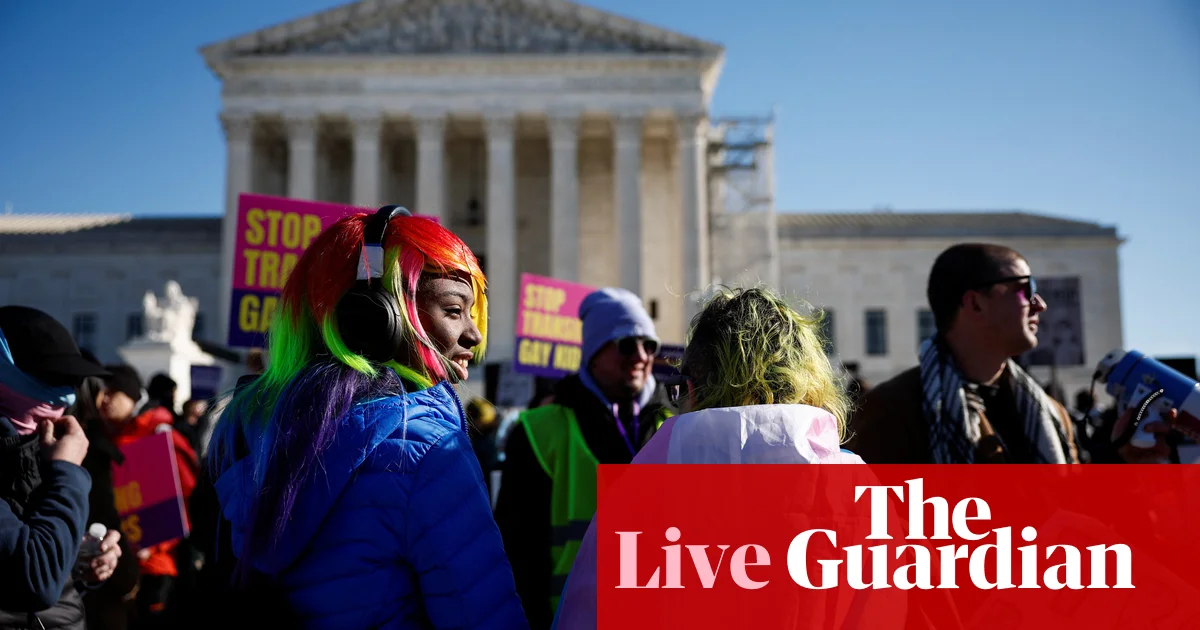
Three fathers shared their experiences of losing relationships with their children due to transgender ideology at a rally outside the U.S. Supreme Court. The rally coincided with a case challenging a Tennessee law banning transgender medical treatments for minors. Adam Vena, Ryan Clarke, and Harrison Tinsley discussed their struggles with custody and parental rights, expressing concerns over medical interventions for their children. While Tinsley regained custody, Vena and Clarke continue to fight legal battles, feeling betrayed by the system.
The U.S. Supreme Court's conservative justices have shown support for Tennessee's ban on gender-affirming care for minors during oral arguments, suggesting they may uphold the law. The case, which challenges the constitutionality of the ban, could have nationwide implications as 26 states have similar laws. The Biden administration and the ACLU argue the ban discriminates based on sex and harms transgender youth. A decision is expected in the coming months.
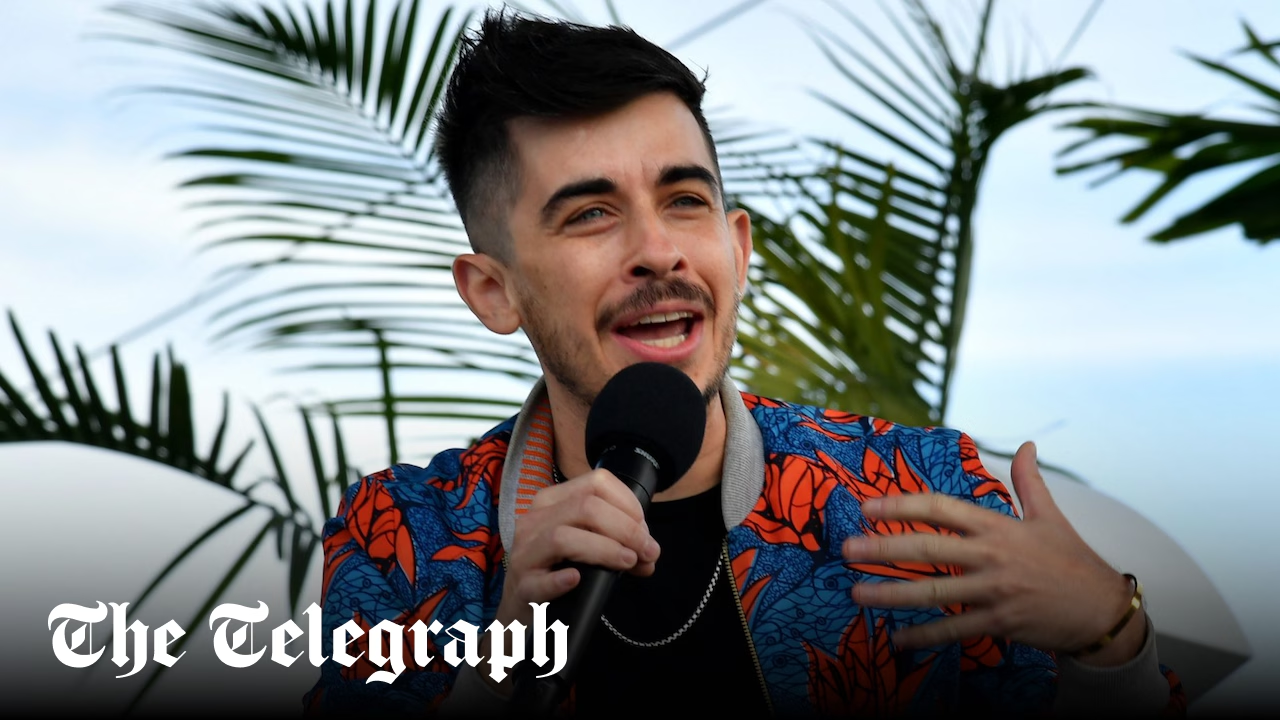
Chase Strangio, the first transgender lawyer to argue before the Supreme Court, is challenging Tennessee's ban on hormone therapy and puberty blockers for minors, arguing it violates the Constitution's Equal Protection Clause. The case, US v. Skrmetti, could significantly impact US transgender rights, with potential implications for laws on gendered bathrooms, school sports, and pronouns. The Biden administration supports the challenge, while Tennessee argues the treatments carry risks for young people. The Supreme Court's decision is expected by summer, amid heightened political debate over trans rights.
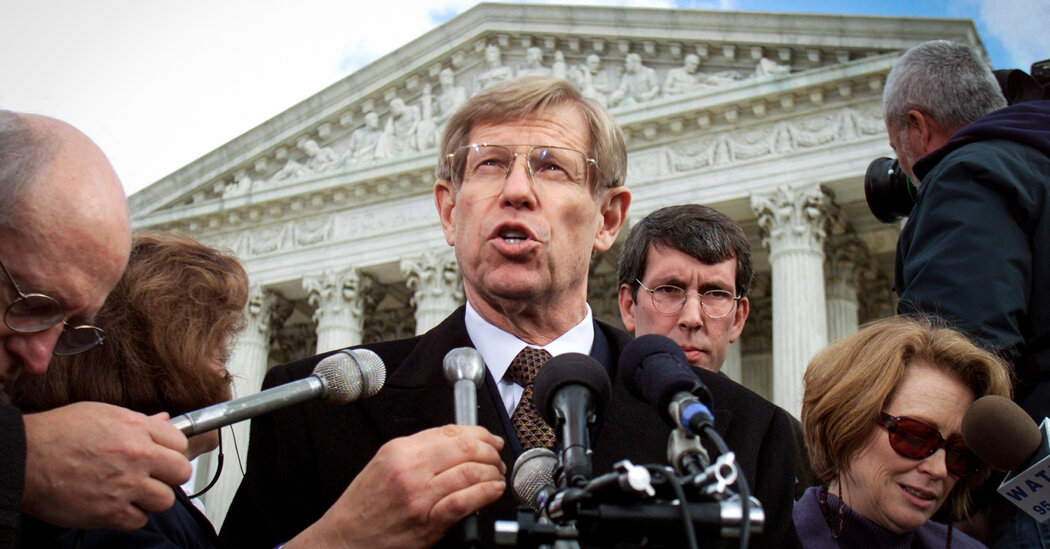
Theodore B. Olson, a prominent conservative lawyer known for his role in significant legal battles and for taking up liberal causes, has passed away at the age of 84. Olson was renowned for his work in the Supreme Court, including his involvement in the Bush v. Gore case and his advocacy for same-sex marriage rights.
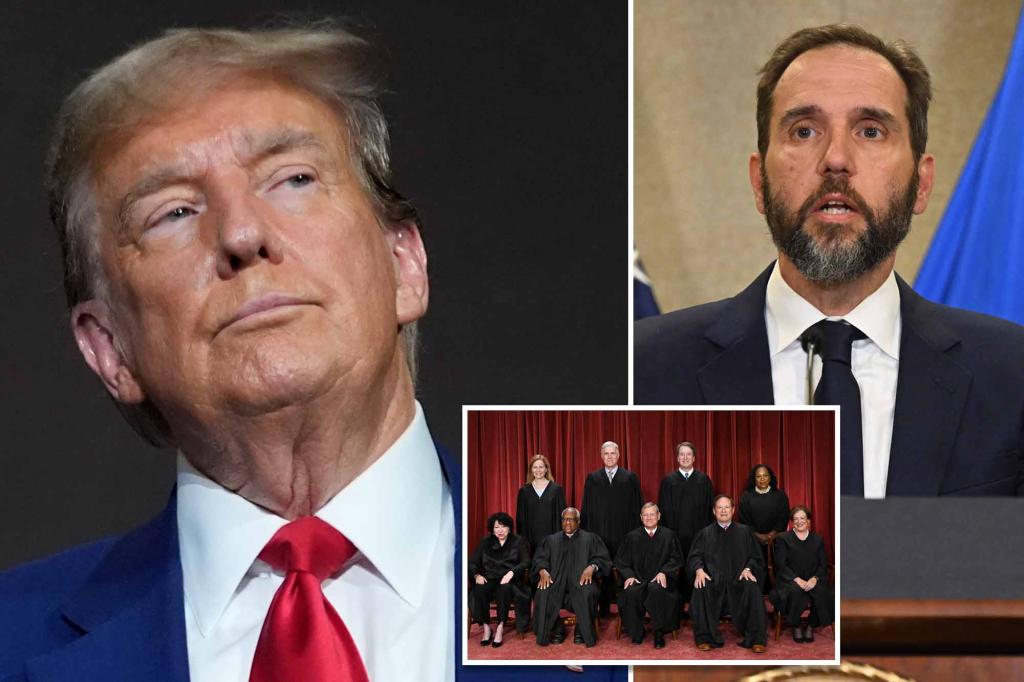
Special counsel Jack Smith urged the Supreme Court to reject former President Donald Trump’s immunity claim in the federal 2020 election interference case, arguing that it goes against the principle that no one is above the law. Smith refuted Trump’s assertion of immunity from criminal prosecution, stating that the Framers never endorsed criminal immunity for a former President. The Supreme Court will hear oral arguments in Trump’s immunity bid later this month, and if ruled in his favor, the federal charges against him could be dismissed.
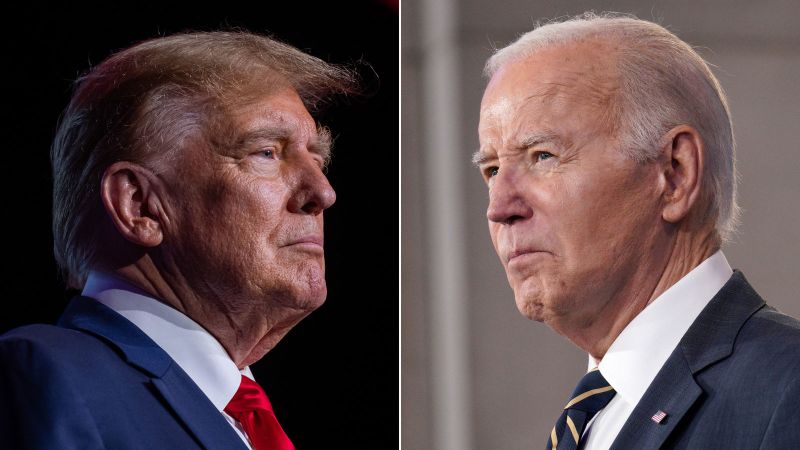
A defining week in politics will clarify the choice Americans will face in the 2024 election, with Donald Trump expected to emerge from the Super Tuesday GOP primaries and President Joe Biden facing doubts about his fitness for a second term. The Supreme Court's upcoming rulings on cases involving Trump's eligibility and presidential immunity add to the election's complexity. Biden's State of the Union address and Trump's dominance in the GOP primaries further highlight the all-but-certain rematch between the two, as polls show a race with no clear leader.
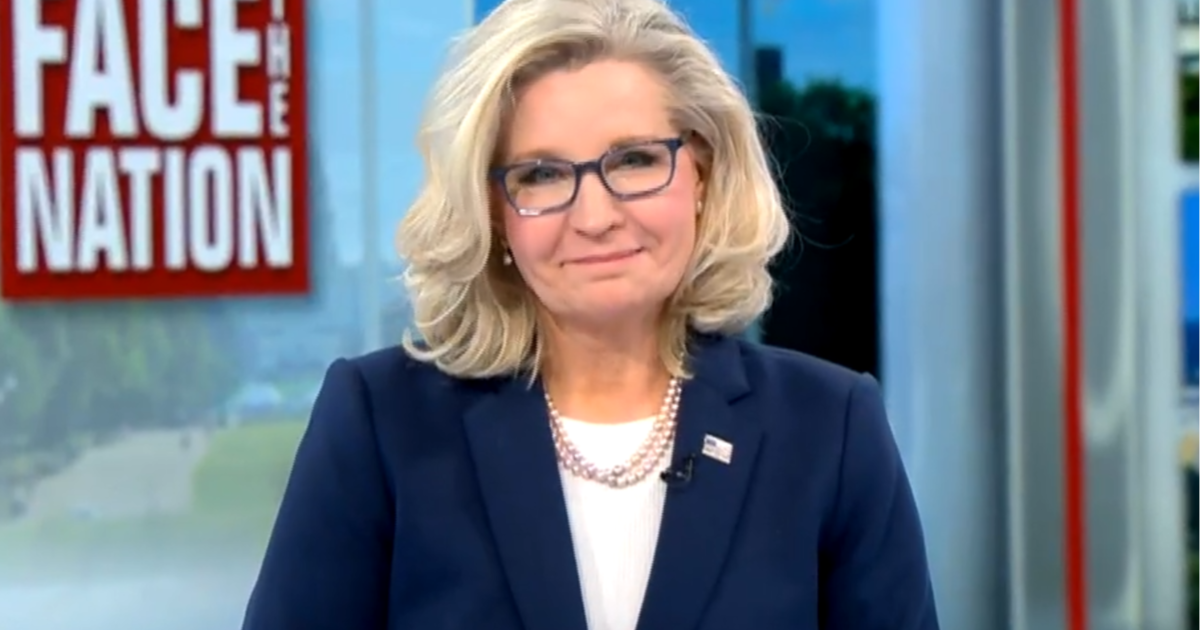
Former GOP Rep. Liz Cheney emphasized the need to be ready to defeat Donald Trump at the ballot box, regardless of the Supreme Court's pending decision on his disqualification based on the 14th Amendment's insurrection clause. The Colorado Supreme Court had ruled Trump ineligible for the state's primary ballot due to his actions during the Capitol riot, a decision Trump has appealed. Cheney also commented on another case regarding Trump's claim of presidential immunity from charges related to attempts to overturn the 2020 election, stating that she believes there is no basis for such immunity and that the evidence against Trump should be made available to voters before the elections.
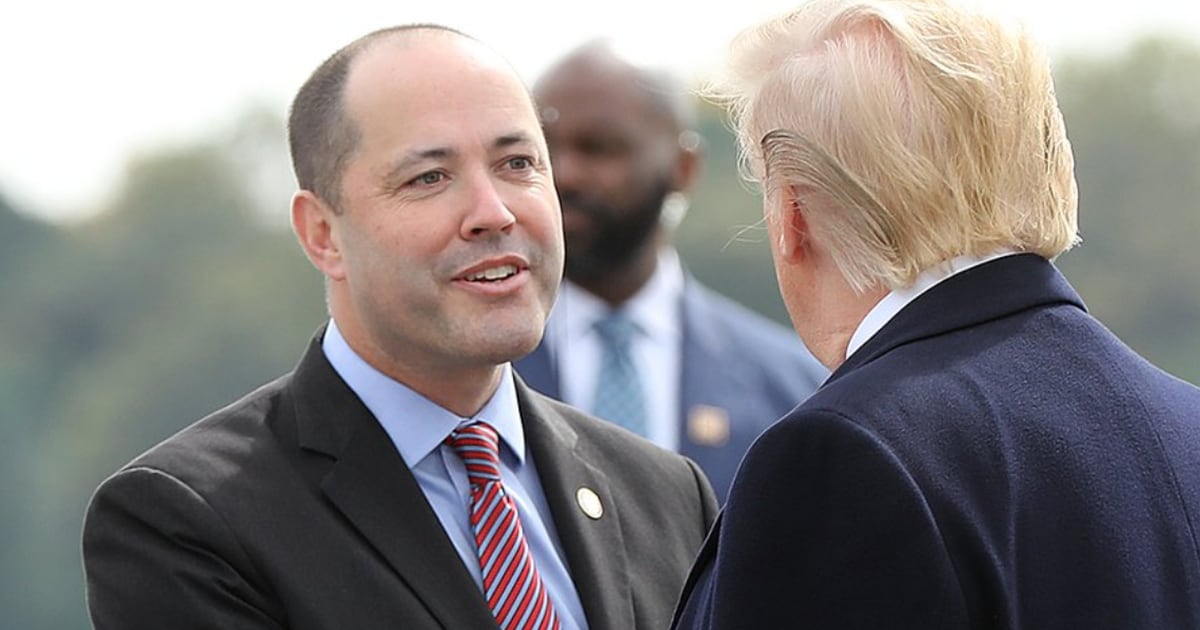
Georgia has joined a coalition of states in a legal effort to ensure former President Donald Trump remains on Colorado's 2024 presidential ballot. This move comes in response to a Colorado Supreme Court decision that barred Trump from the ballot, citing a violation of the U.S. Constitution's insurrection clause. The U.S. Supreme Court is set to hear arguments on February 8, with the outcome potentially affecting Trump's eligibility in other states as well. Georgia Attorney General Chris Carr, who has not been a staunch Trump ally, emphasized the importance of voter determination over judicial intervention in elections. The case has broader implications, as it could set a precedent for future candidate eligibility disputes.
Missouri Secretary of State Jay Ashcroft warned that if the U.S. Supreme Court allows Colorado and Maine to keep Donald Trump off their ballots due to insurrection claims, it could set a precedent for GOP states to bar Joe Biden from ballots for different reasons. Ashcroft, who is in a competitive race for the Republican nomination for governor, criticized the decisions as partisan and unconstitutional, arguing they could lead to political opponents being excluded from ballots across all elected positions. He plans to file an amicus brief to the Supreme Court, which is reviewing the Colorado court decision. Democrats have dismissed Ashcroft's statements as nonsensical and politically motivated.
The Israeli Supreme Court has overturned a key part of Prime Minister Binyamin Netanyahu's judicial reform plan and delayed a law that would protect him from mandatory recusal, marking significant legal setbacks for his government. These rulings come amidst a war with Hamas and declining popularity for Netanyahu, with polls suggesting a significant drop in seats for his party. Dr. Amir Fuchs from the Israel Democracy Institute discussed the implications of these decisions, including the potential for Netanyahu's impeachment and the consequences if he is convicted in his corruption trials.
Missouri Secretary of State Jay Ashcroft warned that if the U.S. Supreme Court allows Colorado and Maine to keep Donald Trump off their ballots due to insurrection claims, it could set a precedent for Republican states to similarly bar Joe Biden from ballots. Ashcroft, a Republican running for governor, criticized the decisions as partisan and unconstitutional, arguing they could lead to widespread political exclusion without due process. Democrats have dismissed his statements as nonsensical and politically motivated. The Supreme Court is set to review the Colorado court decision, which could have significant implications for election laws and candidate eligibility.
Florida Governor Ron DeSantis, a potential GOP presidential candidate, has suggested exploring ways to prevent President Joe Biden from appearing on the Florida ballot, citing Biden's immigration policies as causing an "invasion" of immigrants. DeSantis's comments come as the U.S. Supreme Court is set to hear a case regarding former President Donald Trump's eligibility to be on state primary ballots, following a Colorado Supreme Court ruling related to the January 6 insurrection. DeSantis opposes efforts to bar candidates from ballots but emphasizes the need to fight back with the same rules applied by Democrats.