Luigi Mangione, accused of killing UnitedHealthcare CEO Brian Thompson, allegedly used a "ghost gun," a type of untraceable firearm often assembled at home using 3D-printed parts. These guns, lacking serial numbers, are becoming easier to obtain, raising concerns about their use in crimes. The Biden administration's policy to regulate ghost guns is currently being challenged in the Supreme Court. Between 2016 and 2021, over 45,000 ghost guns were recovered from crime scenes, highlighting the growing issue.

Nike and Zellerfeld have collaborated to create a new version of the Air Max 1 sneakers using 3D printing technology. These innovative sneakers are made from breathable materials, showcasing a modern approach to footwear design.
MIT researchers, led by Luis Fernando Velásquez-García, have advanced the field of mass spectrometry by using additive manufacturing to create a miniaturized mass filter for mass spectrometers. This innovation promises to make these devices lighter, more affordable, and easier to produce, potentially transforming their use in various scientific applications.
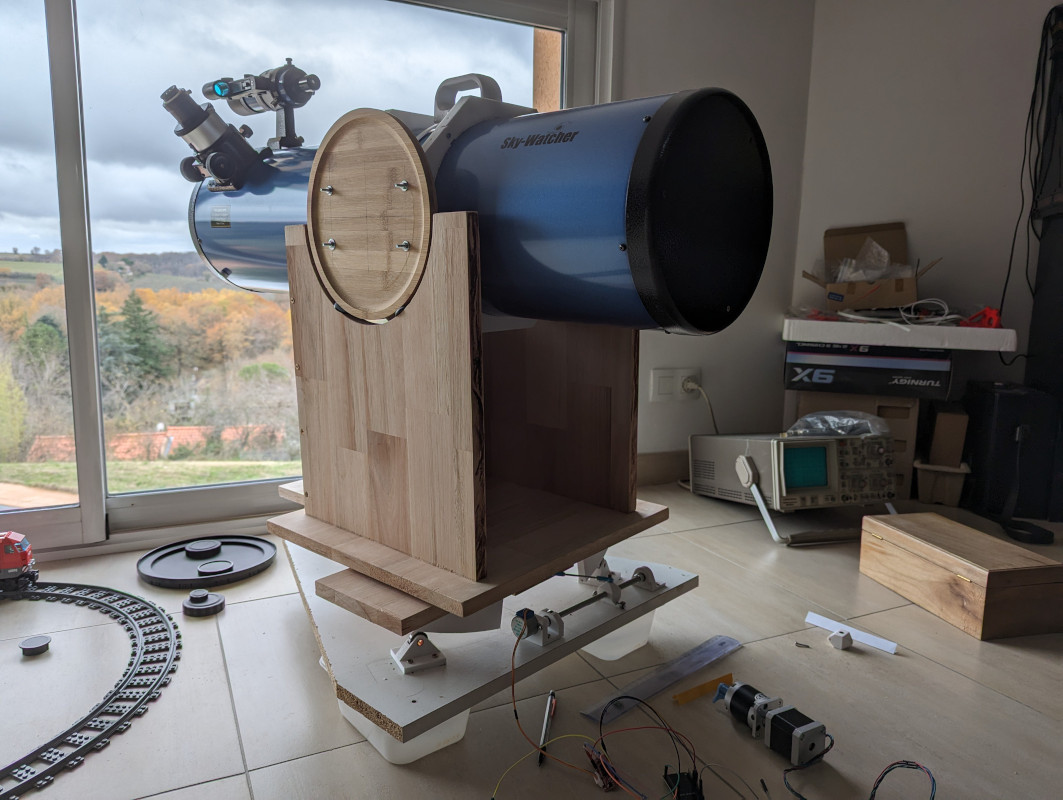
An amateur astronomer known as [aeropic] has created a 3D printed equatorial table designed to compensate for the Earth's rotation, allowing telescopes to accurately track celestial objects. This device is adjustable for latitudes between 30° and 50° and is powered by a stepper motor controlled by an ESP32 microcontroller. It's a cost-effective solution for long-exposure astrophotography and scientific observation, making it accessible for hobbyists who want to enjoy extended celestial viewing without the need for expensive mounting systems.
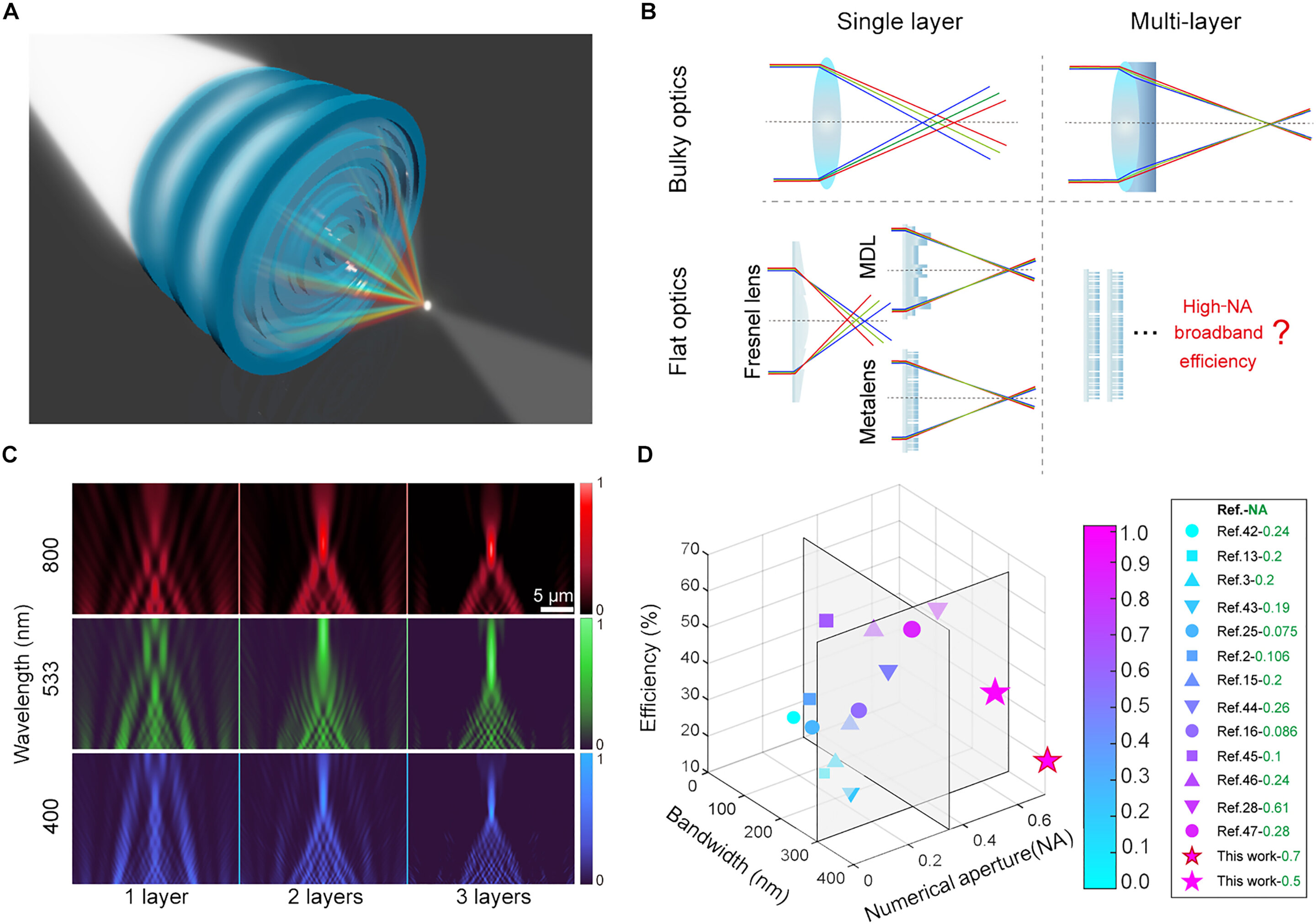
Researchers have developed a new method for creating high-numerical aperture achromatic metalenses using 3D printing technology. By employing topology optimization and full wavelength simulations, the team designed multilayer lenses that can focus light efficiently across a broad range of wavelengths, overcoming the traditional trade-off between numerical aperture and bandwidth. These lenses are polarization-insensitive and show promise for a variety of applications, including imaging systems in fields like medicine and quantum technologies. The study, published in Science Advances, demonstrates the potential of 3D-printed optics to achieve high performance in compact and multifunctional devices.