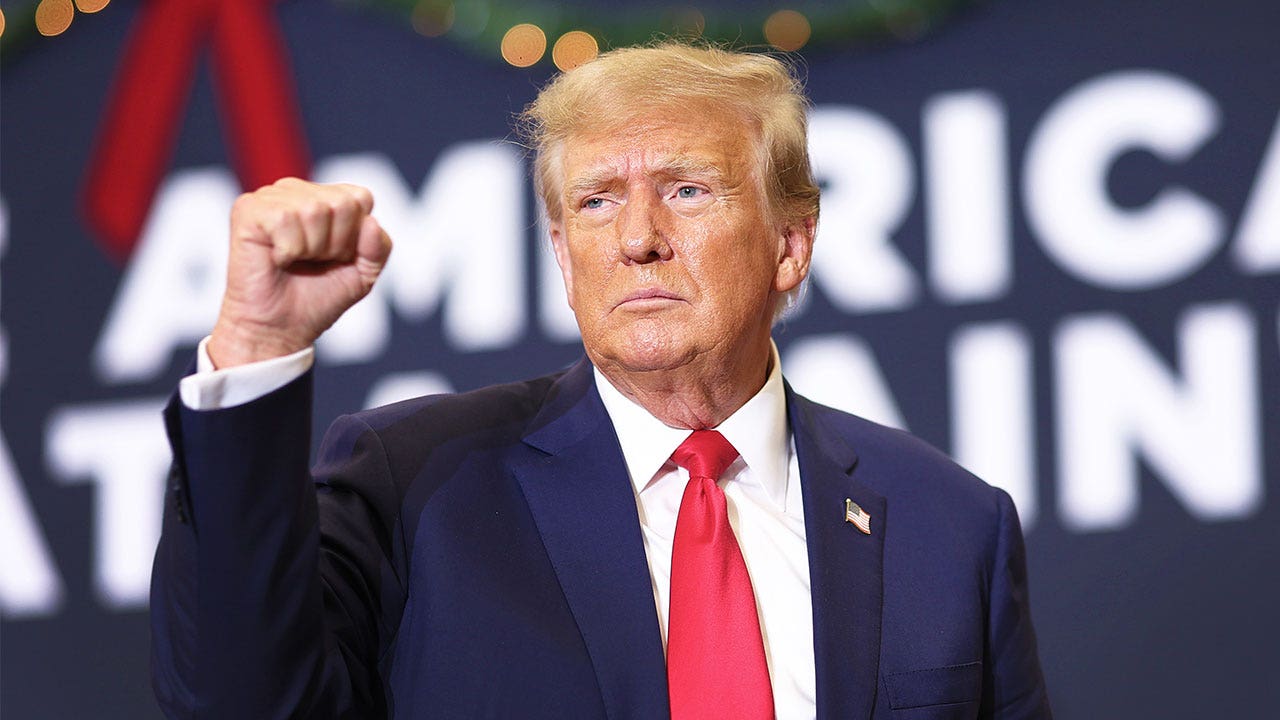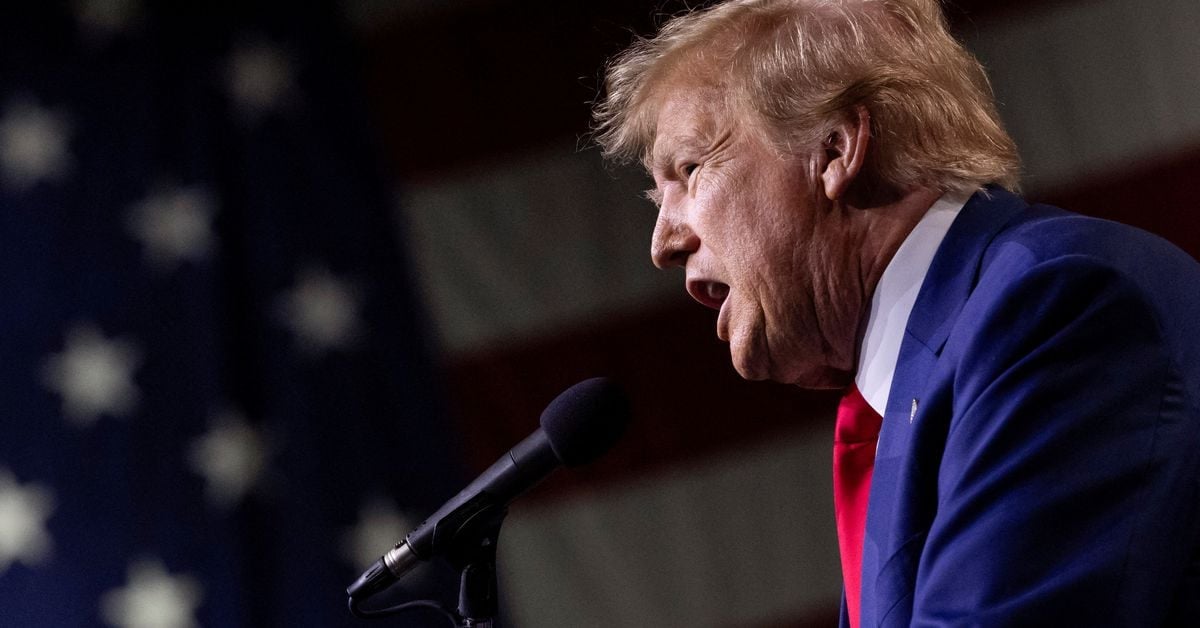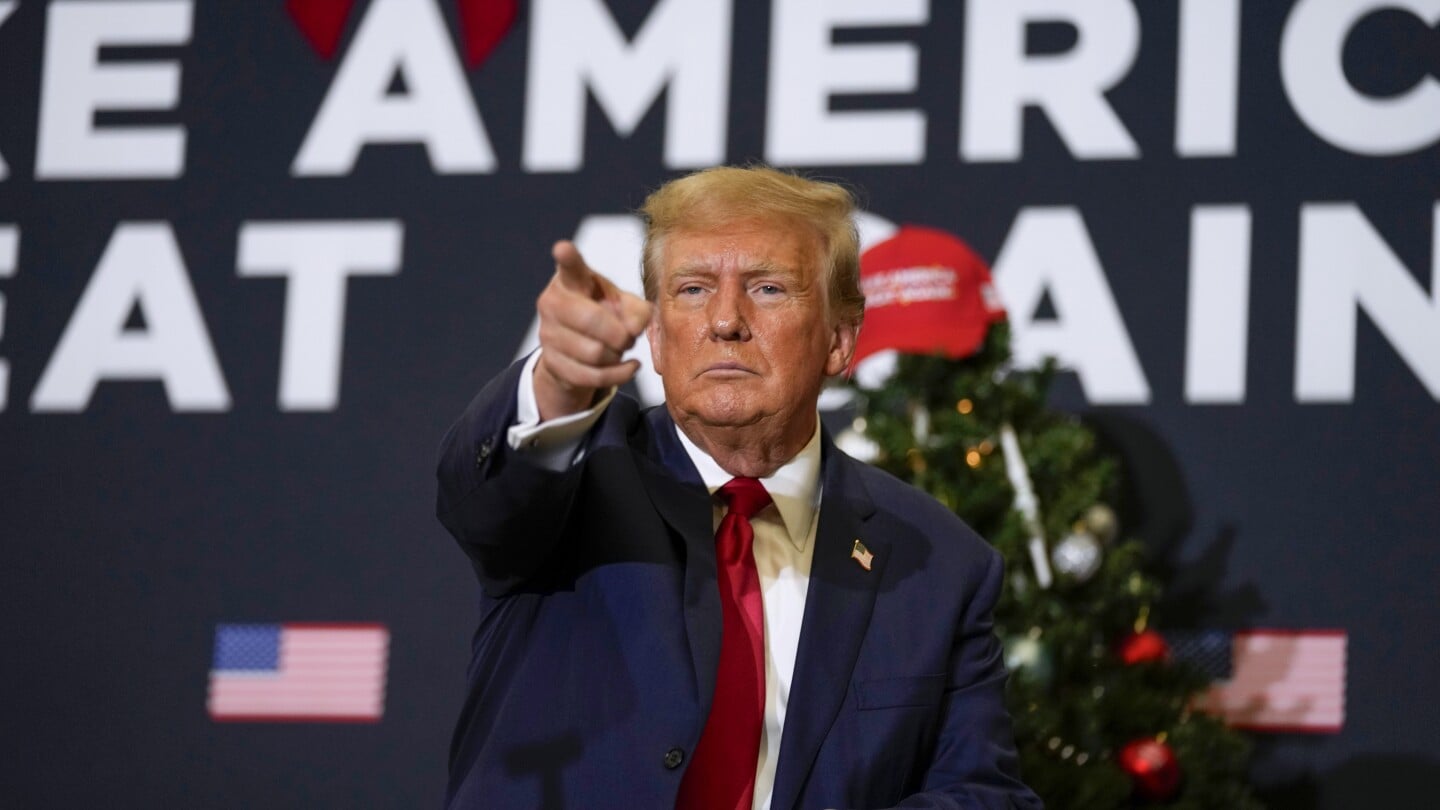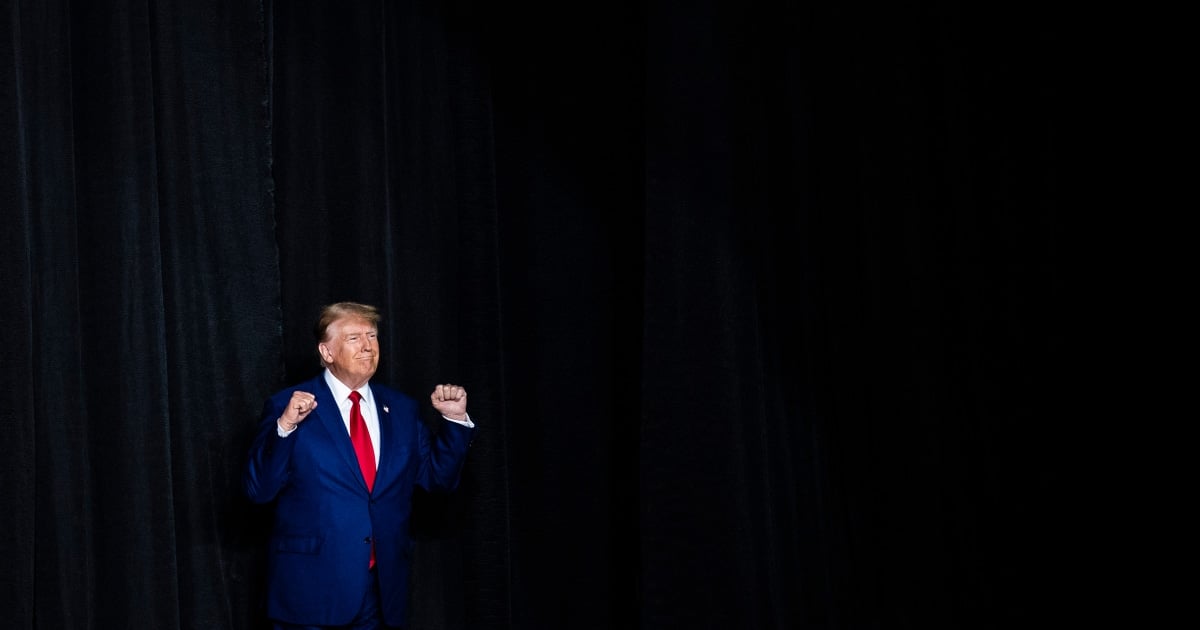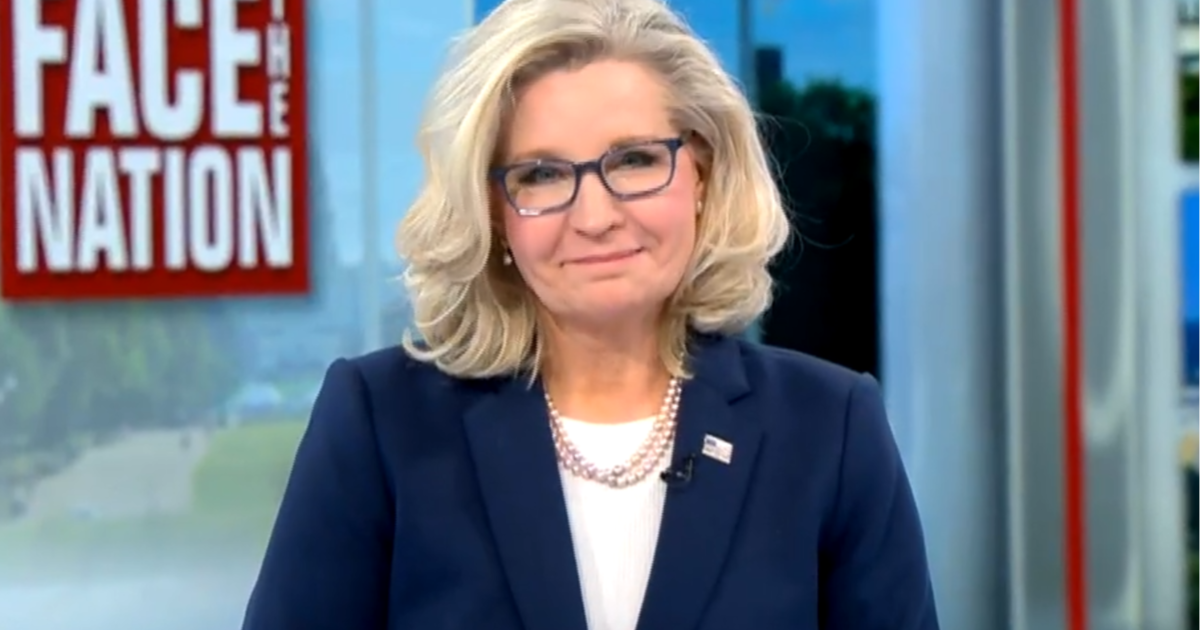
Former GOP Rep. Liz Cheney emphasized the need to be ready to defeat Donald Trump at the ballot box, regardless of the Supreme Court's pending decision on his disqualification based on the 14th Amendment's insurrection clause. The Colorado Supreme Court had ruled Trump ineligible for the state's primary ballot due to his actions during the Capitol riot, a decision Trump has appealed. Cheney also commented on another case regarding Trump's claim of presidential immunity from charges related to attempts to overturn the 2020 election, stating that she believes there is no basis for such immunity and that the evidence against Trump should be made available to voters before the elections.
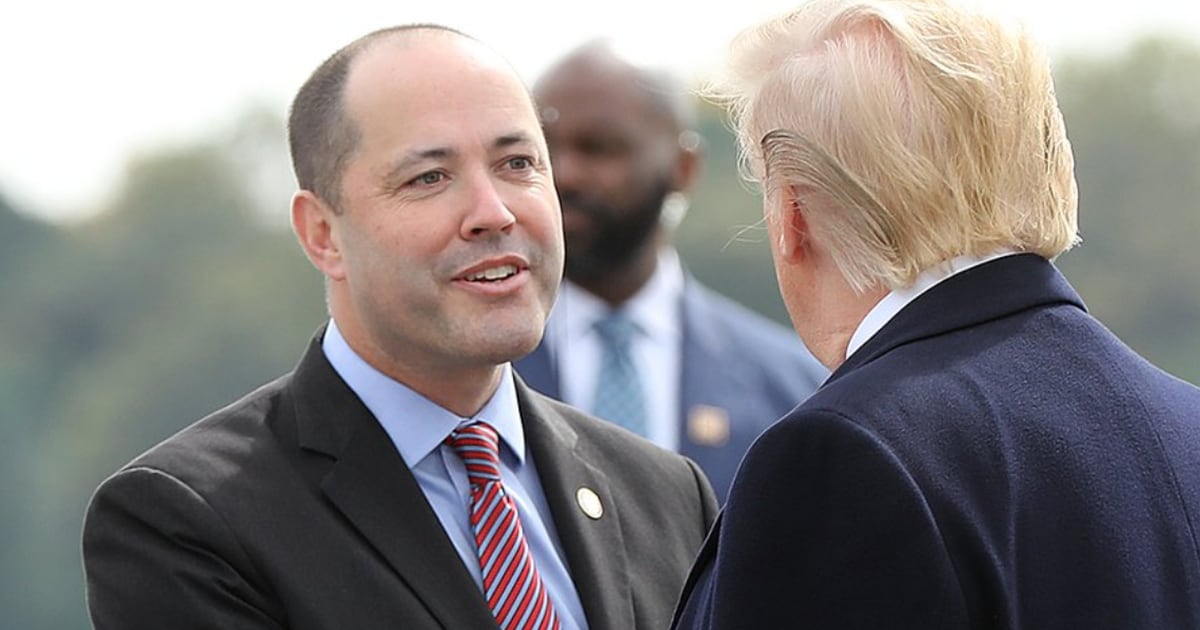
Georgia has joined a coalition of states in a legal effort to ensure former President Donald Trump remains on Colorado's 2024 presidential ballot. This move comes in response to a Colorado Supreme Court decision that barred Trump from the ballot, citing a violation of the U.S. Constitution's insurrection clause. The U.S. Supreme Court is set to hear arguments on February 8, with the outcome potentially affecting Trump's eligibility in other states as well. Georgia Attorney General Chris Carr, who has not been a staunch Trump ally, emphasized the importance of voter determination over judicial intervention in elections. The case has broader implications, as it could set a precedent for future candidate eligibility disputes.
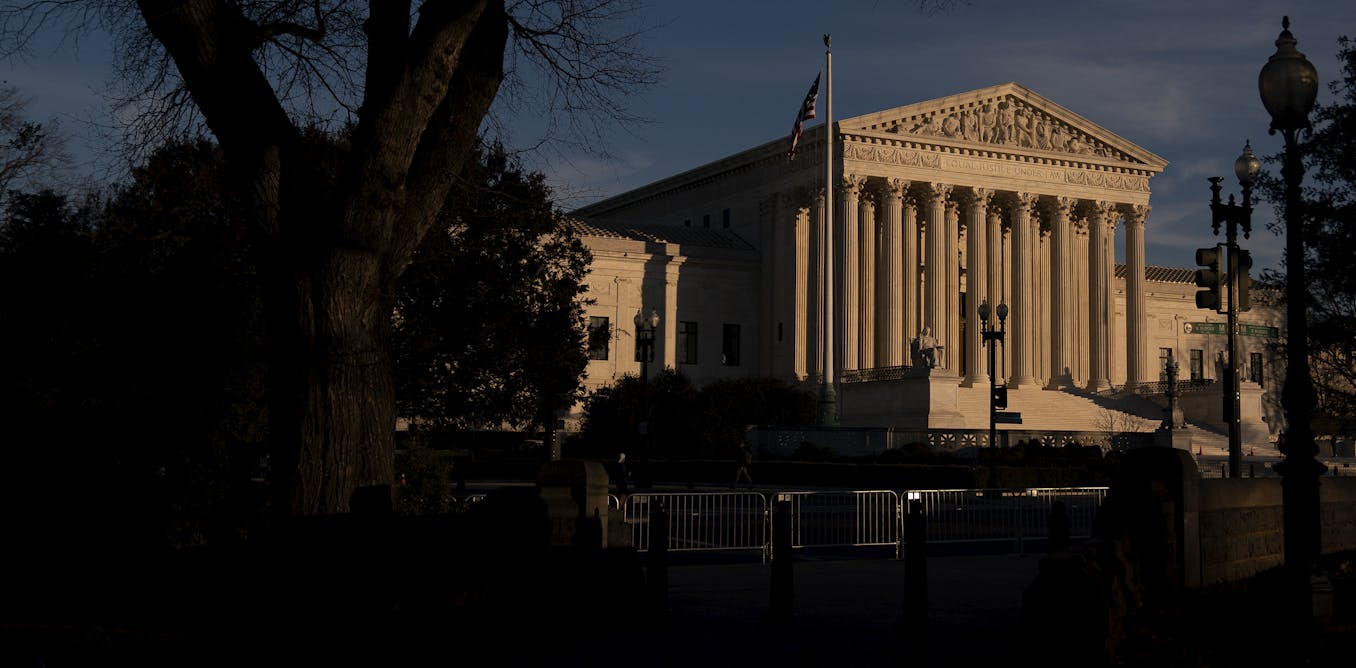
The U.S. Supreme Court is set to decide if former President Donald Trump can appear on the Colorado ballot for the 2024 presidential election after the state's highest court ruled he engaged in insurrection, barring him under the 14th Amendment. This decision could have a significant impact on Trump's candidacy and the broader democratic process, as it's the first major application of this constitutional provision since the Civil War. The outcome will influence not only Colorado but potentially other states considering similar actions, and the court aims to resolve the matter quickly to avoid prolonged uncertainty.
Missouri Secretary of State Jay Ashcroft has threatened to remove President Joe Biden from the 2024 election ballots in response to the Colorado Supreme Court's decision to bar Donald Trump from appearing on primary ballots due to the 14th Amendment, which prohibits individuals who have engaged in insurrection from holding federal office. The U.S. Supreme Court is set to hear Trump's appeal against the Colorado ruling. Ashcroft's stance is based on the premise that if Trump is disqualified, the same standard should apply to Biden, whom he accuses of allowing an "invasion" at the border. This move highlights the potential for escalating partisan responses to election-related judicial decisions.
The Illinois State Board of Elections is set to vote on whether former President Donald Trump should be removed from the GOP primary ballot after a petition claimed he engaged in insurrection, citing the 14th Amendment. The petition, signed by five Illinois voters, is part of a series of similar challenges across multiple states. The board's decision, expected on January 30, follows Trump's appeals to the Supreme Court to overturn rulings in Colorado and Maine that have already removed him from their primary ballots. The Illinois GOP opposes the move to disqualify Trump, emphasizing the right of the people to choose their candidates.
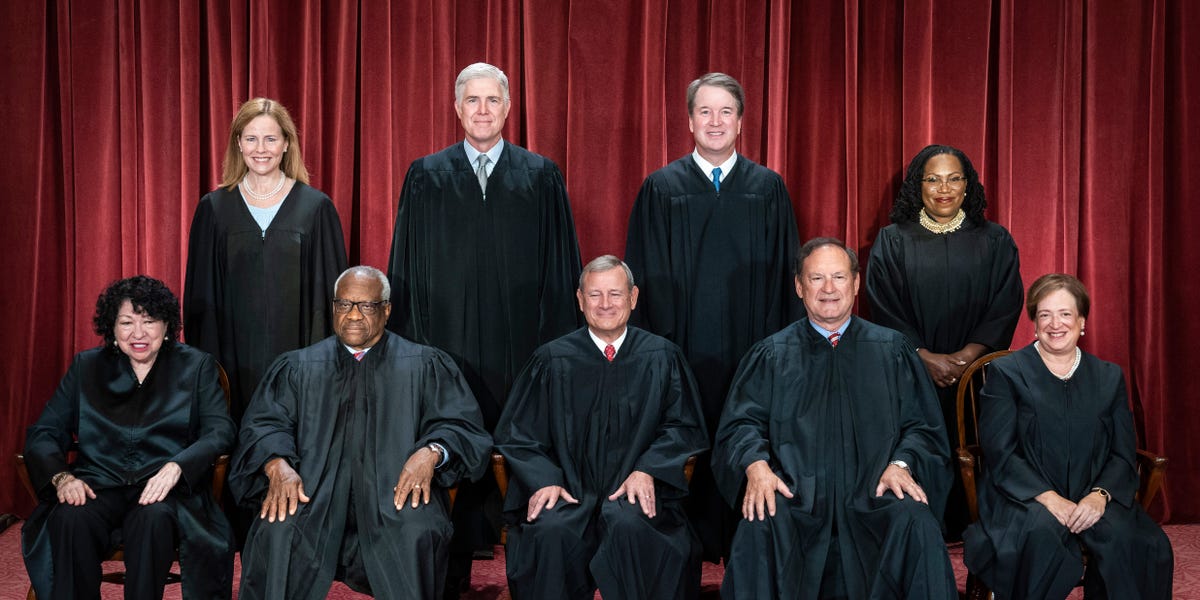
The U.S. Supreme Court has agreed to hear an appeal by former President Donald Trump after the Colorado Supreme Court disqualified him from the state's Republican primary ballot, citing the 14th Amendment's insurrection clause related to the January 6 Capitol attack. The case is set for a fast-tracked decision with oral arguments on February 8, ahead of the Colorado primary on March 5. This decision could have significant implications for Trump's potential candidacy in the 2024 presidential election and raises questions about the political neutrality of the Supreme Court, which includes three justices appointed by Trump.
The U.S. Supreme Court is set to review a decision by the Colorado Supreme Court that bans former President Donald Trump from the state's 2024 primary ballot due to allegations of insurrection. Legal experts are uncertain how the Court will rule, with arguments revolving around the interpretation of the 14th Amendment and its application to Trump's actions on January 6, 2021. The Court's decision, which is being expedited with oral arguments scheduled for February 8, could have significant implications for Trump's eligibility in the 2024 presidential election and the broader enforcement of the 14th Amendment.
The U.S. Supreme Court has agreed to decide if former President Donald Trump can be barred from the 2024 presidential ballot under the 14th Amendment's insurrection clause, following his role in the events leading to the January 6 Capitol attack. The court will expedite the process with arguments set for February 8, aiming for a decision potentially before Super Tuesday. This case marks the first time the 14th Amendment has been invoked to challenge a presidential candidate's eligibility and could have significant implications for Trump's political future and the upcoming presidential election.
The U.S. Supreme Court has agreed to review the decision of the Colorado Supreme Court, which ruled that former President Donald J. Trump is ineligible to appear on Colorado's Republican primary ballot due to his involvement in insurrection. The case hinges on the interpretation of Section 3 of the 14th Amendment, which prohibits individuals who have engaged in insurrection after taking an oath to support the Constitution from holding office. The outcome of this case could significantly impact the 2024 presidential election, with arguments set for February 8.
The U.S. Supreme Court has agreed to hear a case on whether former President Donald Trump can be barred from appearing on the Colorado Republican primary ballot due to his actions surrounding the January 6 Capitol attack. This decision, based on the 14th Amendment's insurrection clause, could have national implications for Trump's eligibility to run for federal office. The case is set for an expedited hearing on February 8, with potential consequences for both the primaries and the general election. The outcome could also influence other states' decisions and set a precedent for future candidate eligibility disputes.
The U.S. Supreme Court is set to hear arguments on whether Donald Trump should be disqualified from the Colorado primary ballot, a decision that stems from a Colorado Supreme Court ruling that Trump's actions related to the Capitol riot amounted to "insurrection." This case, which addresses the application of the 14th Amendment, has national implications as similar challenges are pending in other states. The outcome could affect the eligibility of Trump, a leading GOP contender, across the country. The urgency of the case is underscored by the upcoming primary elections and the need to print ballots.
A coalition of states, led by South Carolina Attorney General Alan Wilson, is challenging efforts by Colorado and other states to exclude former President Donald Trump from the 2024 Republican primary ballot. The multi-state petition argues that no state has the authority to prevent Trump from being on the ballot and that such actions are politically motivated rather than based on the rule of law. The controversy centers on the 14th Amendment's insurrection clause, with opponents claiming Trump's actions surrounding the January 6 Capitol riot disqualify him from holding office. The U.S. Supreme Court has been asked to review the case as the election cycle approaches.
Voters in Illinois and Massachusetts have initiated legal actions to prevent Donald Trump from running for president, arguing he is ineligible under the 14th Amendment due to his alleged involvement in insurrection. The nonprofit Free Speech for People is supporting these efforts, which are part of a broader series of challenges against Trump's eligibility in at least 16 states. Trump is contesting adverse rulings in Colorado and Maine, seeking to overturn decisions that bar him from appearing on ballots.
The Republican National Committee (RNC) and the National Republican Congressional Committee (NRCC) filed an amicus brief with the Supreme Court in support of Donald Trump's effort to remain on the 2024 ballot, challenging a Colorado Supreme Court decision that disqualified him based on his alleged involvement in the Jan. 6 insurrection. The brief argues that barring Trump from the ballot is undemocratic and could lead to "chaos" in the electoral process. The RNC and NRCC, along with the National Republican Senatorial Committee, are rallying behind Trump, framing the ballot exclusions as election interference and an attack on the electoral system. The Supreme Court is expected to address the case, with Trump remaining on ballots during the appeals process.
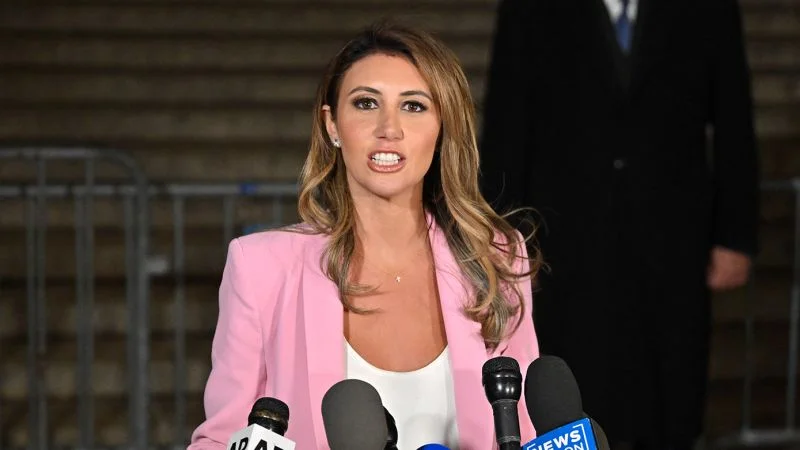
GOP strategist Scott Jennings criticized former President Donald Trump's attorney, Alina Habba, for her remark on Fox News, where she expressed confidence that the Supreme Court would side with Trump in his effort to remain on the ballot in states that removed him due to the 14th Amendment. Jennings described the comment as 'terrible,' reflecting the ongoing controversy and legal battles surrounding Trump's eligibility to run for office again.