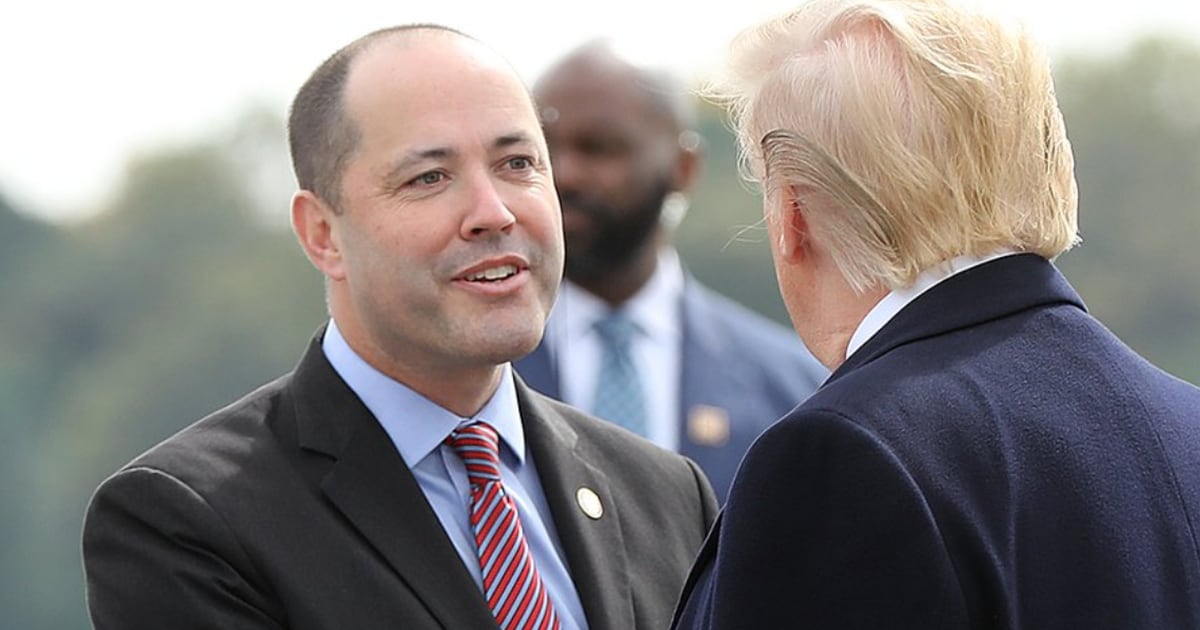
Georgia has joined a coalition of states in a legal effort to ensure former President Donald Trump remains on Colorado's 2024 presidential ballot. This move comes in response to a Colorado Supreme Court decision that barred Trump from the ballot, citing a violation of the U.S. Constitution's insurrection clause. The U.S. Supreme Court is set to hear arguments on February 8, with the outcome potentially affecting Trump's eligibility in other states as well. Georgia Attorney General Chris Carr, who has not been a staunch Trump ally, emphasized the importance of voter determination over judicial intervention in elections. The case has broader implications, as it could set a precedent for future candidate eligibility disputes.
The U.S. Supreme Court has agreed to hear a case on whether former President Donald Trump can be barred from appearing on the Colorado Republican primary ballot due to his actions surrounding the January 6 Capitol attack. This decision, based on the 14th Amendment's insurrection clause, could have national implications for Trump's eligibility to run for federal office. The case is set for an expedited hearing on February 8, with potential consequences for both the primaries and the general election. The outcome could also influence other states' decisions and set a precedent for future candidate eligibility disputes.
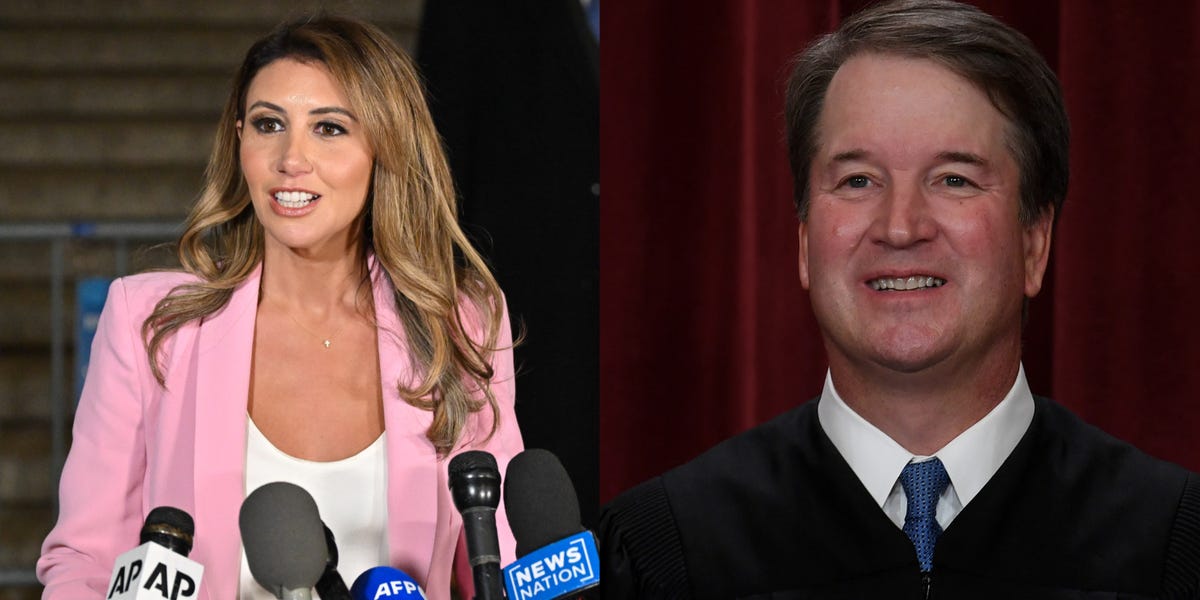
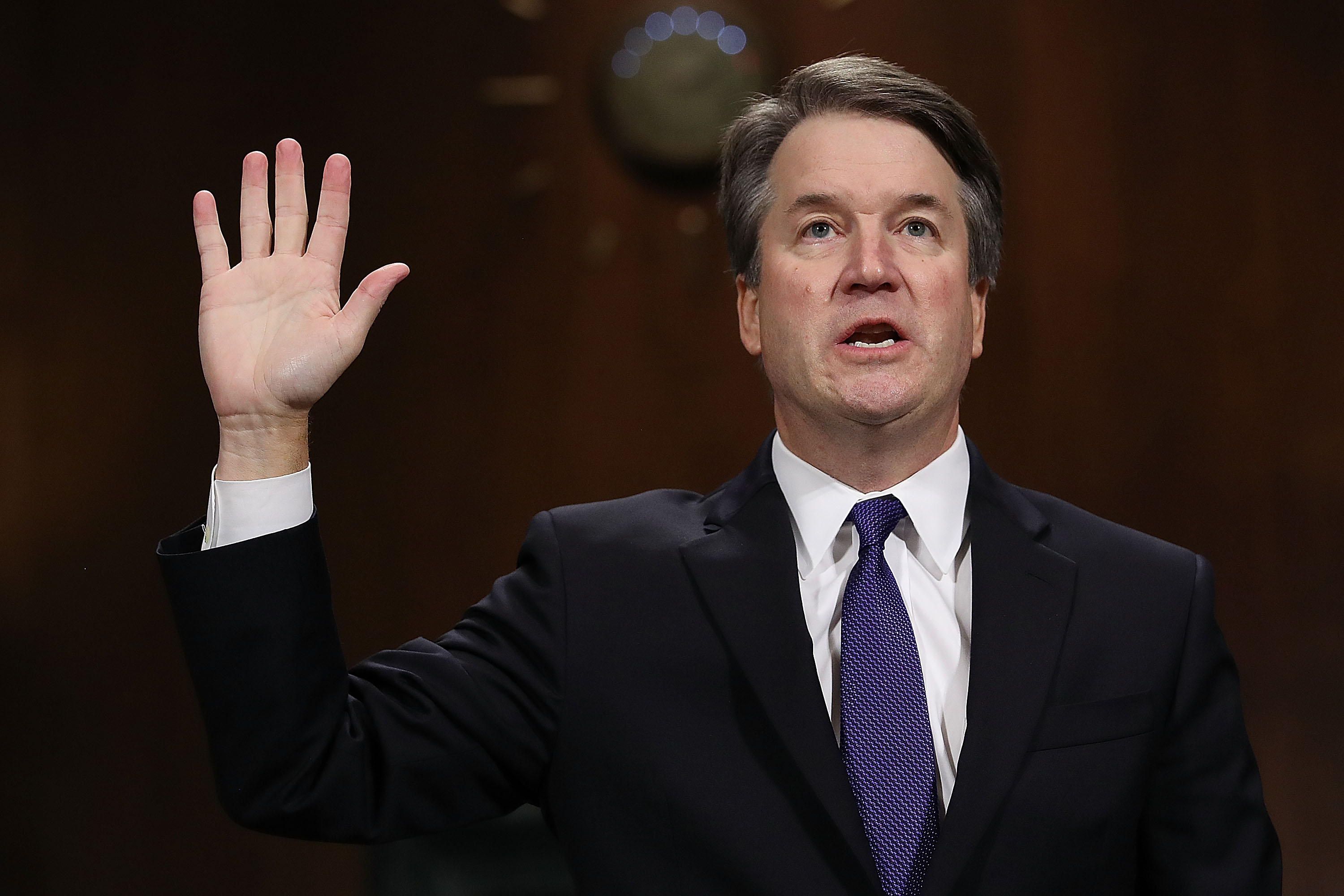
Donald Trump's attorney, Alina Habba, expressed confidence in Justice Brett Kavanaugh as the Supreme Court considers Trump's appeal against a Colorado court decision that removed him from the state's Republican primary ballot. The Colorado court ruled that Trump was disqualified from holding public office under the U.S. Constitution's insurrection clause, citing his actions around the January 6 Capitol riot. Habba believes Kavanaugh will "step up" in favor of Trump, emphasizing the justices' commitment to law and fairness rather than political bias. The case has significant implications for the 2024 election and is one of the most critical election-related cases since Bush v. Gore.
Donald Trump's lawyer, Alina Habba, has suggested that Supreme Court Justice Brett Kavanaugh will likely rule in Trump's favor regarding the Colorado Supreme Court's decision to ban him from the state's presidential ballot, citing his violation of the Constitution's insurrection clause. Habba's comments have sparked criticism for implying Kavanaugh's potential bias due to Trump's support during his confirmation, despite her assertion that the justices will act based on law and fairness. The conservative majority on the Supreme Court, including three Trump appointees, is expected to review the case.
Colorado Secretary of State Jena Griswold discussed a caveat from the Colorado Supreme Court that temporarily allows former President Donald Trump's name to be placed back on the Colorado ballot. The specific details of the caveat were not provided in the summary, but it indicates a legal or procedural condition that has affected Trump's ballot status in the state.
Donald Trump has petitioned the U.S. Supreme Court to allow his name to remain on primary ballots, challenging a Colorado Supreme Court ruling that deemed him ineligible due to alleged insurrection. The Colorado court's decision was based on a post-Civil War constitutional provision barring insurrectionists from office. Trump's legal team argues that this disenfranchises voters and that states lack the authority to enforce this provision. The Supreme Court's decision on this matter could significantly influence the 2024 presidential election and the interpretation of the 14th Amendment's insurrection clause.
Former President Donald Trump has petitioned the U.S. Supreme Court to overturn a ruling related to Colorado's ballot procedures, a move that underscores his ongoing efforts to influence election laws ahead of the 2024 presidential race. The specifics of the Colorado ballot ruling in question are not detailed in the provided text.
Former President Donald Trump has appealed to the U.S. Supreme Court to overturn a Colorado Supreme Court decision that would prevent him from appearing on the state's primary ballot, citing his role in the January 6 Capitol insurrection. This case could impact similar decisions in other states like Maine, which are also considering using the 14th Amendment to disqualify him from running for office.
Former President Donald J. Trump has petitioned the U.S. Supreme Court to allow him to remain on the primary ballot in Colorado. This follows a ruling by the Colorado Supreme Court that deemed him ineligible to hold office under the 14th Amendment due to his actions surrounding the January 6 attack on the Capitol. The case is pressing the U.S. Supreme Court for a swift decision as the primaries near, with both Trump and the Colorado Republican Party seeking a review of the state court's decision.
Former President Donald Trump has petitioned the Supreme Court to reverse a Colorado state court decision that declared him ineligible for the state primary ballot due to his alleged involvement in the January 6 Capitol attack. The Colorado Supreme Court's decision, which is on hold, interprets the 14th Amendment's insurrection clause as applicable to presidential candidates. Trump's legal team argues that only Congress has the authority to determine presidential eligibility and denies that Trump engaged in insurrection. The case presents novel legal questions and could have broader implications for Trump's eligibility in other states and for the upcoming general election. The Supreme Court, with a conservative majority including three Trump appointees, has yet to decide on its intervention in this unprecedented legal issue.
Former President Donald Trump has appealed to the U.S. Supreme Court after the Colorado Supreme Court ruled him ineligible to appear on the state's primary ballot, citing his involvement in the insurrection on January 6, 2021, under the 14th Amendment. This decision marks the first instance of Trump being barred from a ballot, with Maine following suit. Trump's team argues this is an attempt to interfere with his 2024 presidential campaign, while legal experts emphasize the need for the U.S. Supreme Court to clarify the application of the 14th Amendment in election matters. The Colorado justices have stayed their ruling pending review by the U.S. Supreme Court, which means Trump will remain on the primary ballot unless the higher court upholds the decision or refuses to hear the case.
A group of Colorado voters has requested the U.S. Supreme Court to expedite the review of their case to keep former President Donald Trump off the state's 2024 presidential primary ballot, citing a violation of the 14th Amendment's insurrectionist ban. The Colorado Supreme Court previously ruled against Trump, who is expected to challenge the decision. The voters' petition focuses on whether the president is subject to the 14th Amendment's ban and if Congressional action is necessary, while avoiding the question of First Amendment rights raised by the Colorado GOP.
Donald Trump is reportedly concerned that the Supreme Court may uphold decisions by Colorado and Maine to disqualify him from the 2024 Republican primary ballot, citing the 14th Amendment's insurrection clause. Trump's advisors are preparing legal challenges, while former GOP presidential candidate Chris Christie has criticized the decisions, suggesting they could make Trump a "martyr." Trump's camp has issued a statement condemning the actions as an "attempted theft of an election" and an infringement on voters' rights.