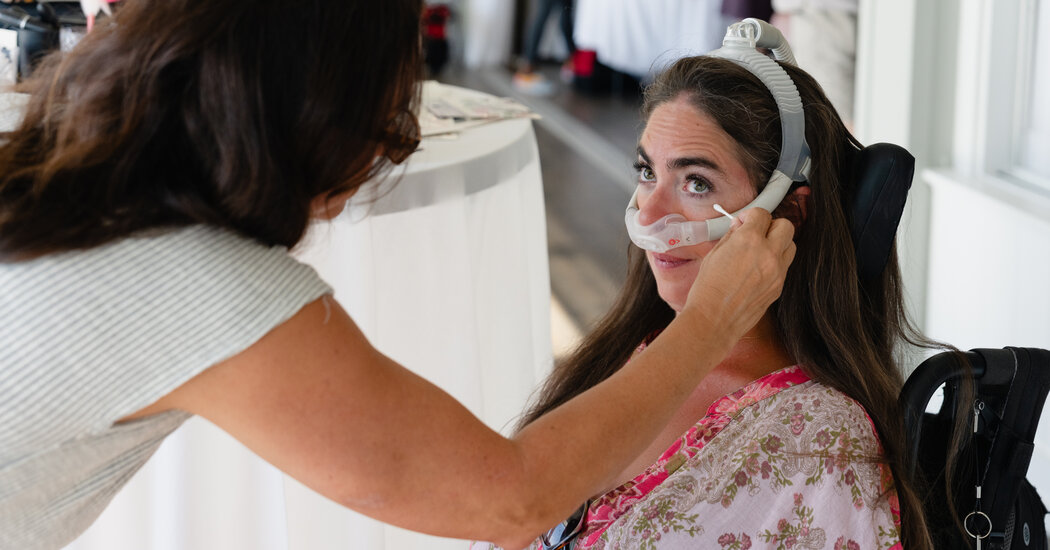
A group of young women diagnosed with A.L.S. gather annually on Cape Cod to share stories, support each other, and find moments of joy despite their challenging condition, highlighting their resilience and the unique community they have built.
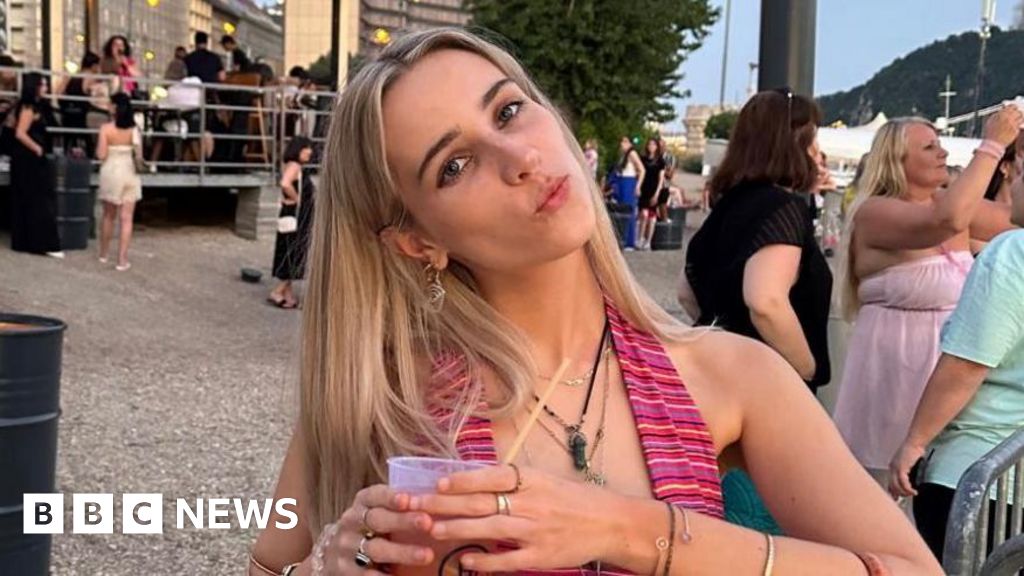
A 21-year-old woman from Bristol with stage three endometriosis shares how a support group has helped her cope with the severe, life-impacting pain and the challenges of diagnosis, highlighting the need for increased awareness and understanding of the condition.
A woman advises her husband, who is experiencing ED and has joined an online support group promoting unproven solutions, to seek medical guidance and reconsider their approach to intimacy, emphasizing the importance of professional help and open communication. The article discusses the challenges of aging, the influence of online communities, and the need for honest dialogue and medical intervention for sexual health issues.
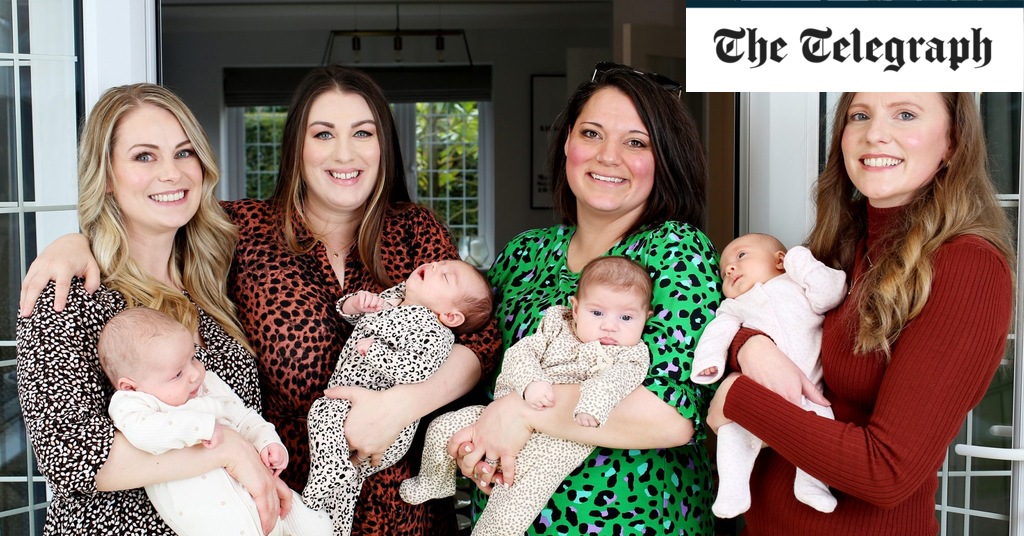
Four women who had experienced a total of 14 miscarriages formed a strong bond through a support group after struggling with the pain of baby loss. They found solace in each other's company and shared their "ugly" feelings of resentment, envy, and anger. In a surprising turn of events, all four women became pregnant around the same time and went on to have healthy babies within days of each other. They are now looking forward to celebrating Mother's Day with their longed-for babies and are grateful for the support they received from each other. The article also includes a list of things not to say to someone after baby loss, as provided by The Worst Girl Gang Ever.
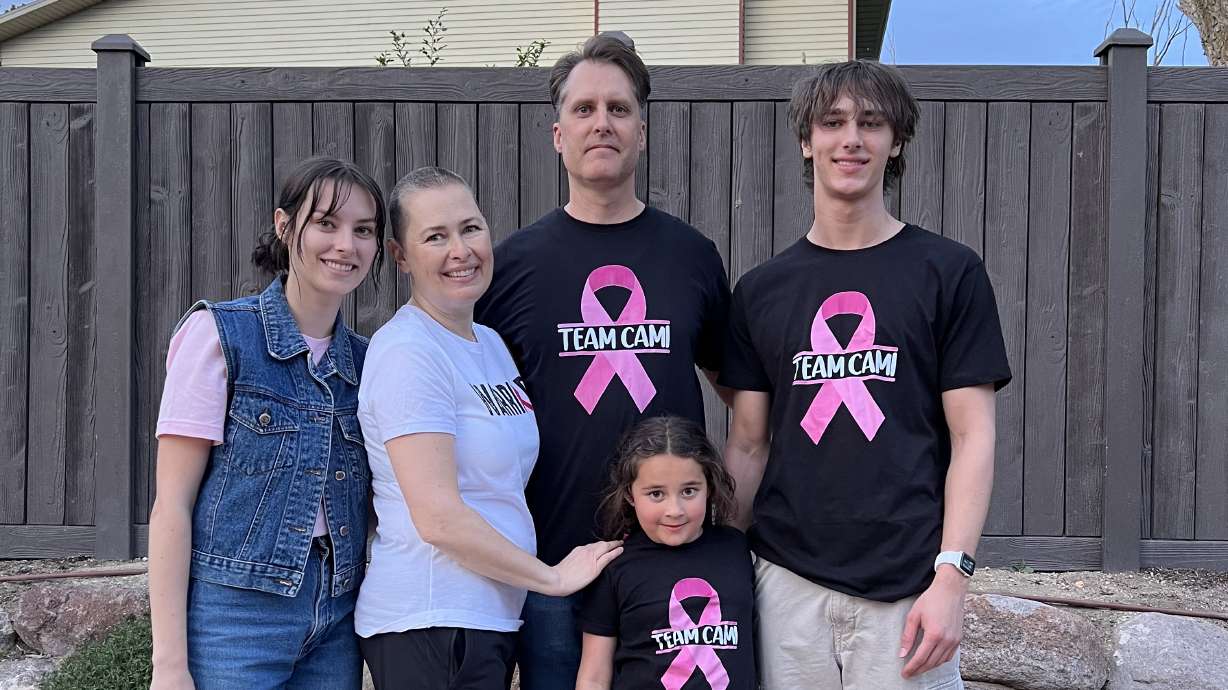
Cami Kapp, a breast cancer survivor from Lehi, Utah, has organized a Pink Sync event to provide a community and mental health resources for breast cancer patients. After feeling lonely during her own treatment, Kapp reached out to other patients and was inspired by their strength and positivity. Unable to find a support group dedicated solely to breast cancer survivors, Kapp decided to create an event where women could gather for support, learn from experts, and connect with resources. The conference will feature presentations from oncologists, mental health experts, and other specialists, as well as vendors offering specialized products and services. Kapp hopes to make Pink Sync an annual event and expand it to include other activities for survivors and their families.
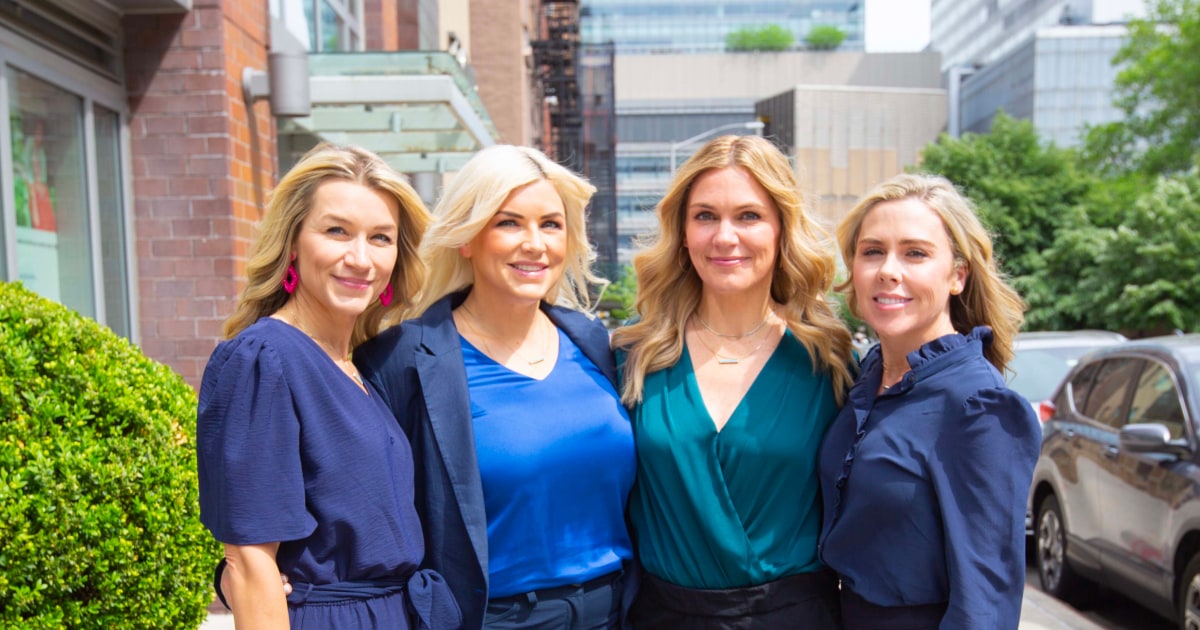
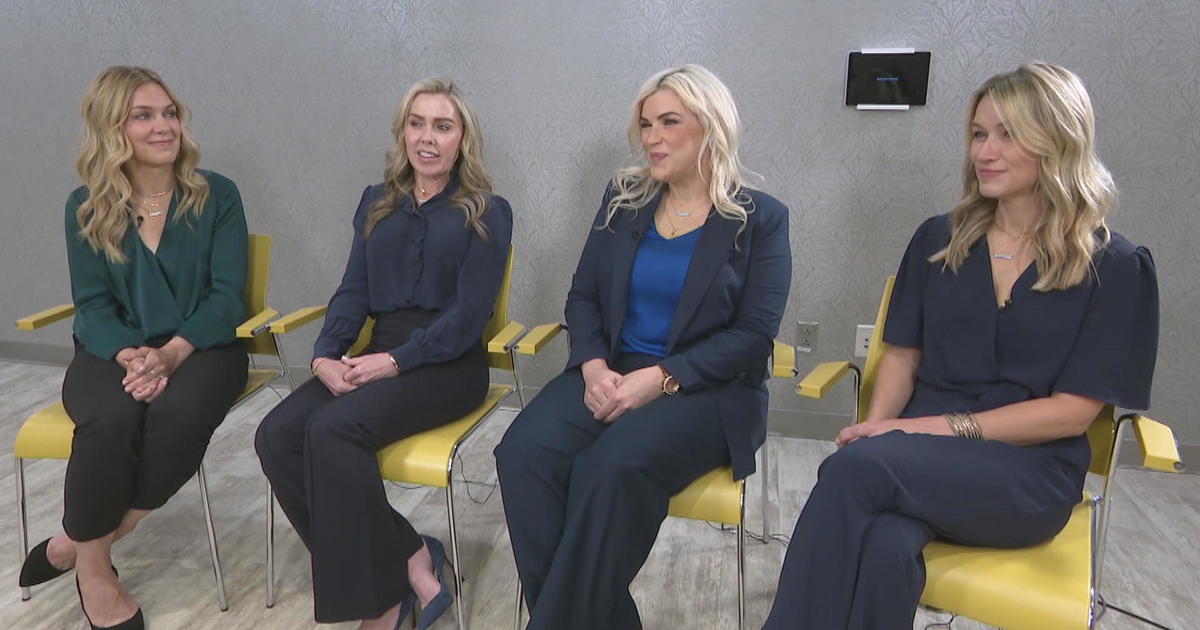
Four previously unknown half-sisters bonded over their shared debilitating disease, inflammatory bowel disease (IBD), after a DNA test revealed their connection. Katie Sackett, Nichole Bambanian, Kristin Geffen, and Anna Nevares all found each other through DNA testing and discovered they all have IBD. They have since become a support group, providing encouragement and sharing treatment options. The sisters have undergone j-pouch surgery, a procedure to treat ulcerative colitis, and have found solace in their shared experiences. They hope to raise awareness about IBD and provide support to others with the condition.
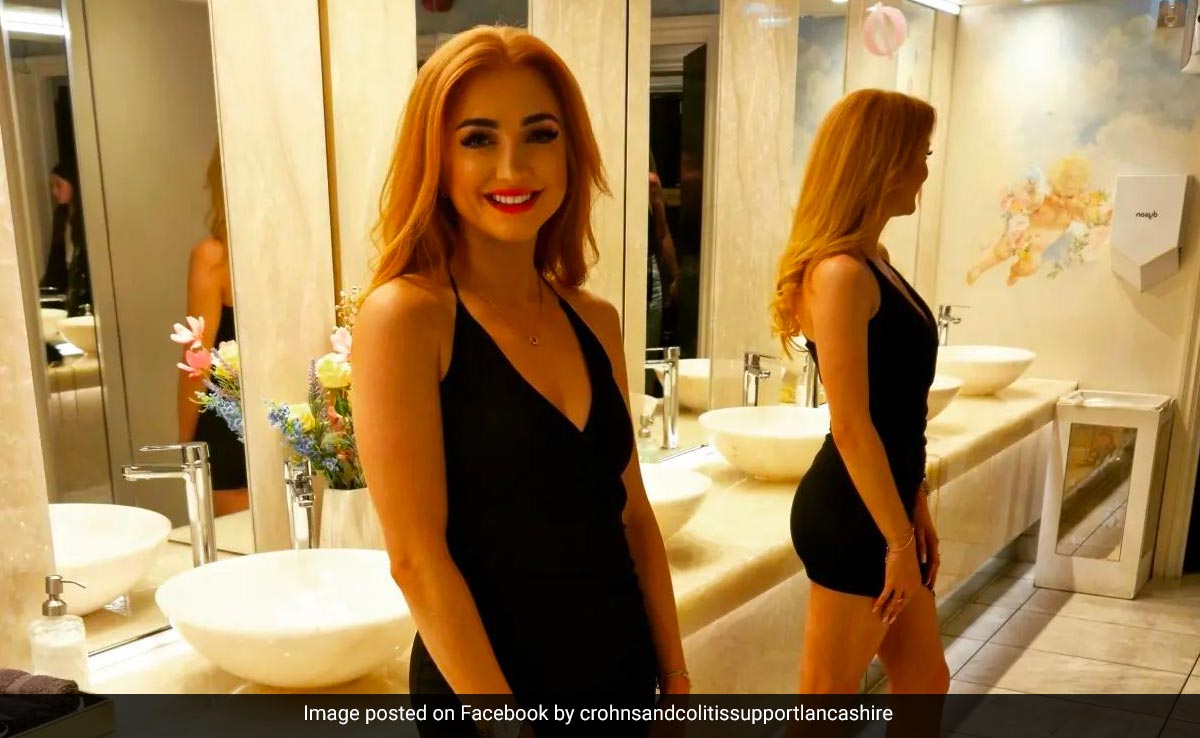
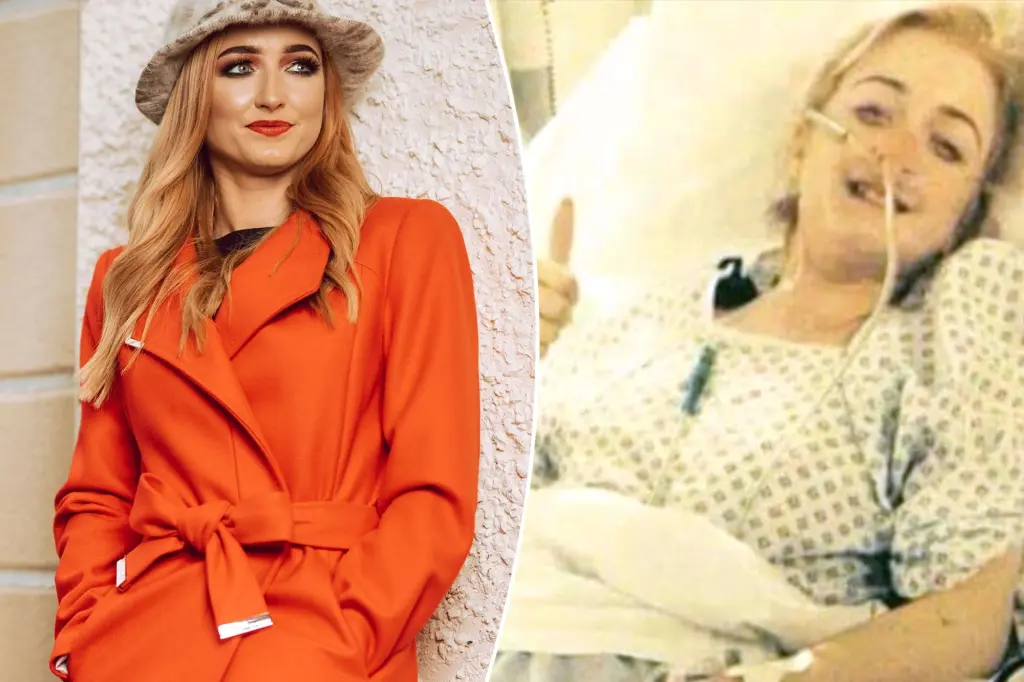
A UK woman, Victoria Danson, ignored her stomach pain until doctors gave her 24 hours to live due to an abscess in her abdomen caused by Crohn's disease. After undergoing surgery and receiving an ileostomy bag, she now educates others about her "invisible illness" and runs a support group for people with Crohn's and colitis.
Victoria Danson, a 33-year-old UK mother, initially dismissed her fatigue and abdominal pain as stress until she was diagnosed with irritable bowel disease and later Crohn's disease. She developed a life-threatening abscess in her abdomen, leading to sepsis and being given 24 hours to live. After surgery to remove the abscess and 18 inches of her bowel, she received an ileostomy bag. Despite the challenges, Danson has adapted her lifestyle, changed her diet, and founded a support group for others with Crohn's and colitis. She uses her experience to educate others about her "invisible illness" and promote body confidence.
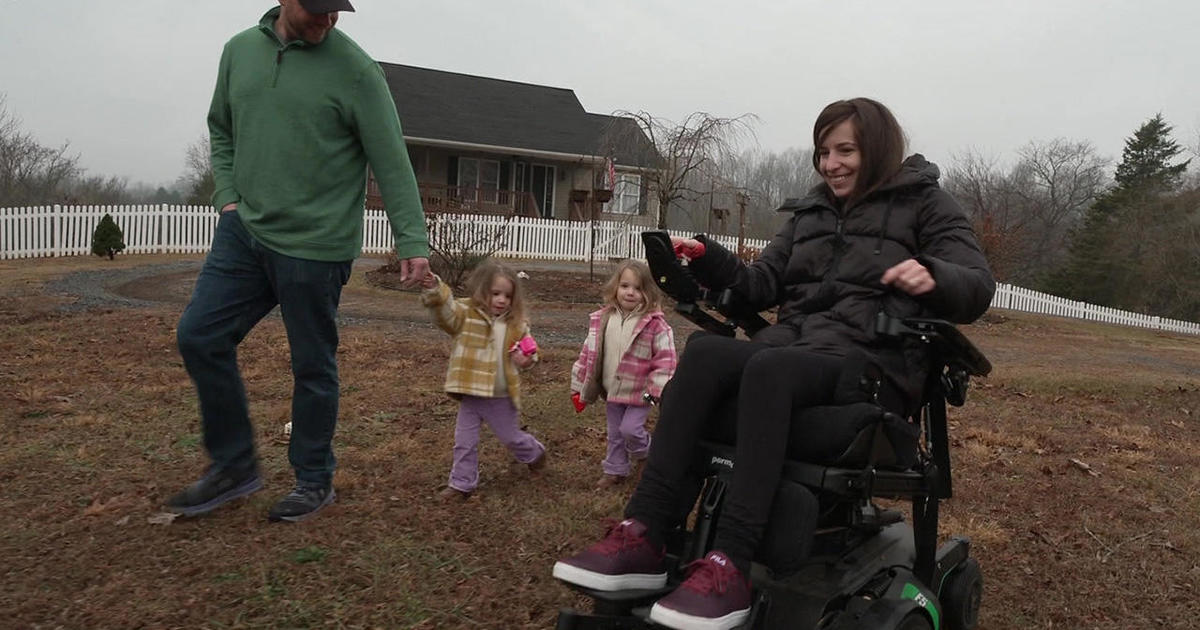
Dani Izzie, a quadriplegic mother, and her husband Rudy are raising their twin girls in rural Virginia. Dani's paralysis doesn't preclude her ability to be a great mom, and she's even started a digital marketing firm that connects businesses with the disability community. Her journey was documented in the fan-favorite documentary "Dani's Twins," which sheds light on the prejudice faced by moms with paralysis. Dani also started a private Facebook support group called Quad Squad, where she shares experiences with other quadriplegic moms.
Gill Guy-Edwards, a 58-year-old mother from Hightown, was diagnosed with incurable ovarian cancer after experiencing symptoms such as abdominal pain, bloating, and changes in bowel movements. She is now sharing her journey to raise awareness of the importance of early detection and seeking medical attention for persistent symptoms. Gill and her family participated in a fundraising event called "Pants to Ovarian Cancer" and praised the support group, Sunflowers in Aigburth, which offers activities and therapies for people with cancer. Common symptoms of ovarian cancer include bloating, abdominal pain, and changes in bowel movements.
Four strangers who took at-home DNA tests found out they were half-sisters from the same sperm donor and all suffer from ulcerative colitis, a chronic inflammation of the gastrointestinal tract. They became friends and shared medical advice and support. Doctors say there is a genetic connection with IBD, but studies show close to 80% of patients don't have a close relative with the disease.