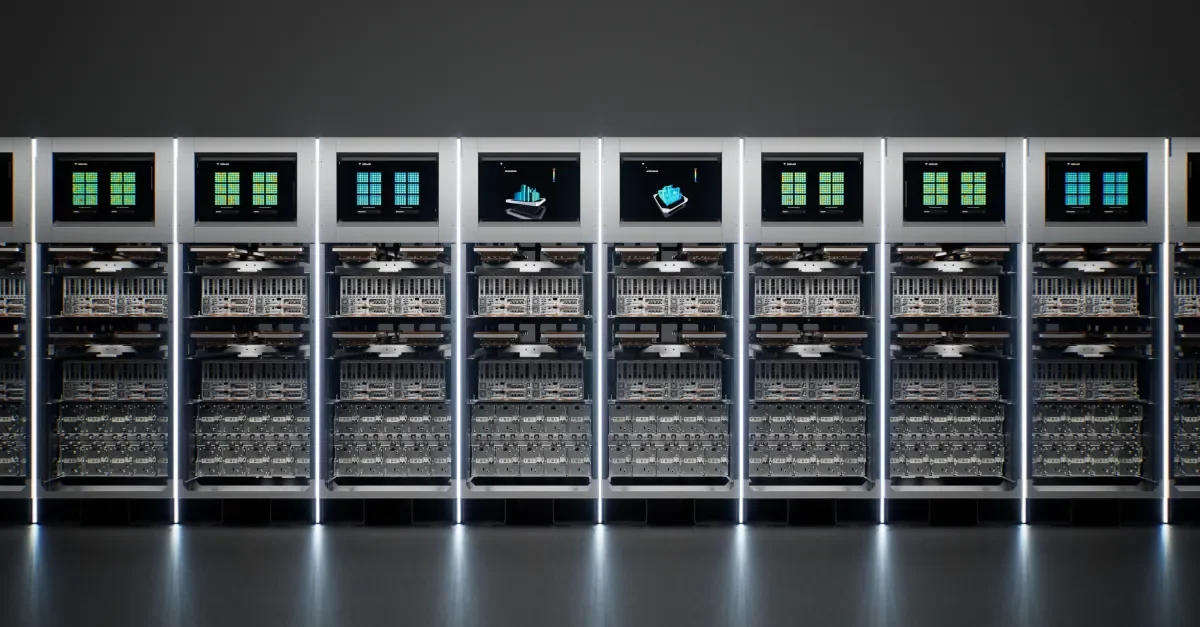
Elon Musk's AI startup xAI has purchased a third building near Memphis to expand its AI training capacity, aiming to boost its supercomputer Colossus to nearly 2 gigawatts of compute power, in a move to compete with industry leaders like OpenAI and Anthropic.
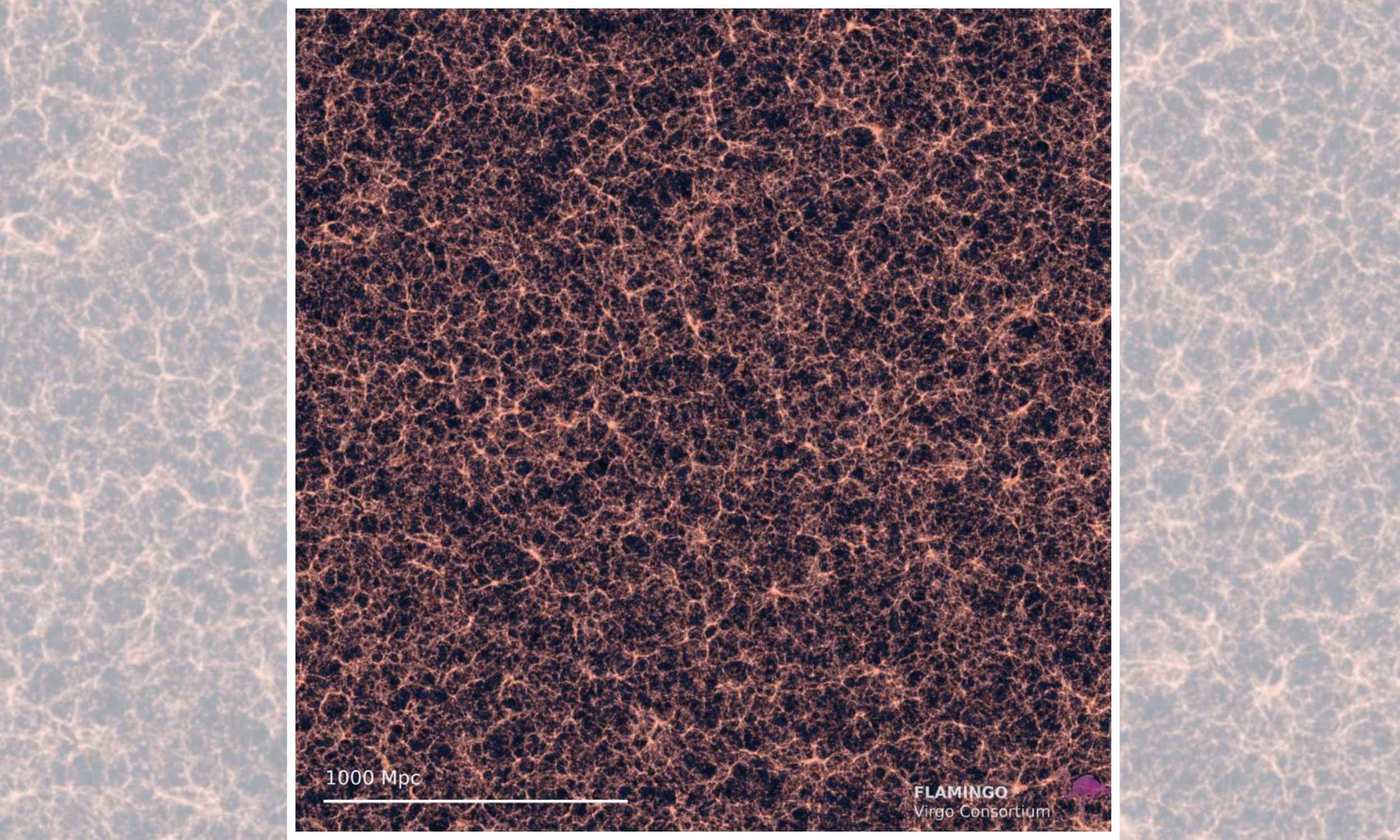
A new super simulation called FLAMINGO reveals that the universe's observed galaxy clustering is smoother than predicted by standard models, intensifying the ongoing S8 tension in cosmology, which questions whether current theories or measurements need revision.
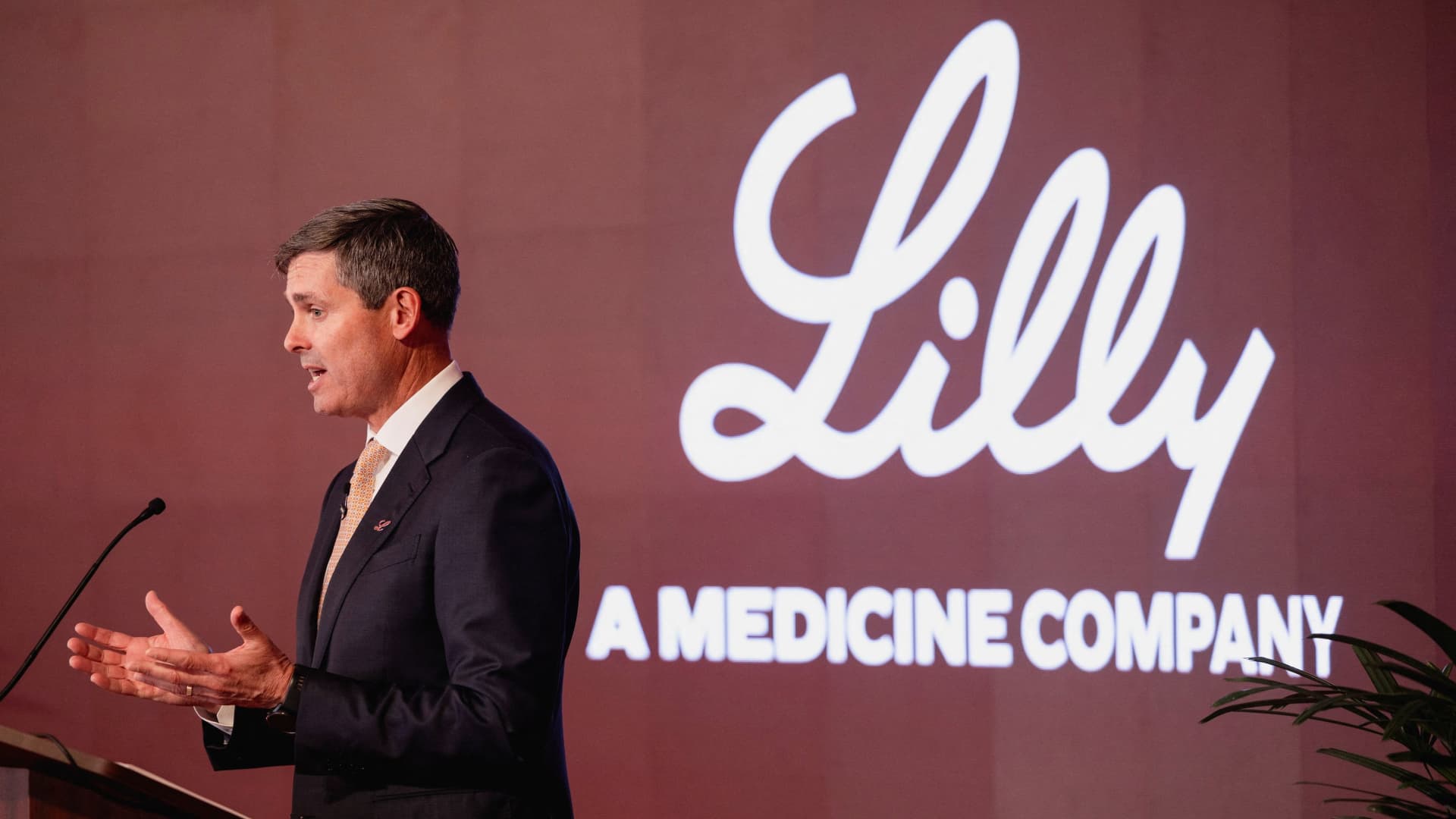
Eli Lilly is collaborating with Nvidia to build an AI-powered supercomputer aimed at accelerating drug discovery and development, enabling faster testing of potential medicines and expanding research capabilities through proprietary AI models accessible via Lilly's federated platform, Lilly TuneLab.
Eli Lilly and Nvidia are collaborating to build the pharmaceutical industry's most powerful supercomputer and AI factory to accelerate drug discovery and development, aiming to significantly reduce the time and costs associated with bringing new medicines to market, with full deployment expected by January 2026.
Microsoft's $30bn investment in the UK's AI sector aims to significantly boost the economy within five years, with plans for data centres and a supercomputer, as part of a broader US-UK tech partnership to foster innovation, jobs, and infrastructure development, despite concerns over energy consumption and reliance on foreign tech.
Microsoft announced a £22 billion ($30 billion) investment in the UK from 2025 to 2028 to develop AI infrastructure, including building a large supercomputer, surpassing Google's recent £5 billion investment, and supporting ongoing operations and partnerships in the UK, signaling a strong commitment to AI and technology growth in the region.
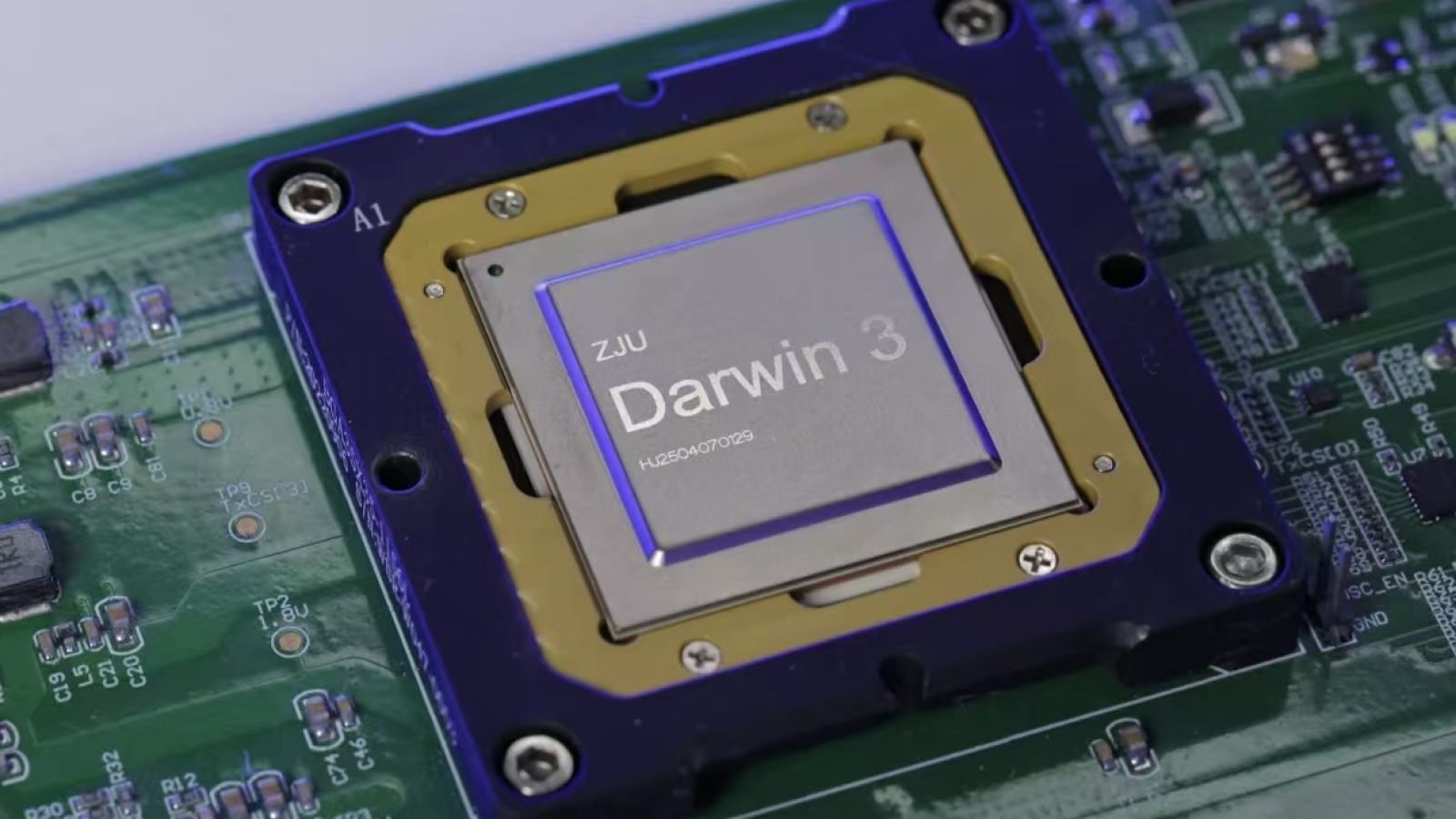
Chinese researchers have developed Darwin Monkey, a brain-inspired supercomputer with over 2 billion artificial neurons, mimicking mammalian neural structures to advance AI and neuroscience research, while consuming only 2,000 watts of power.
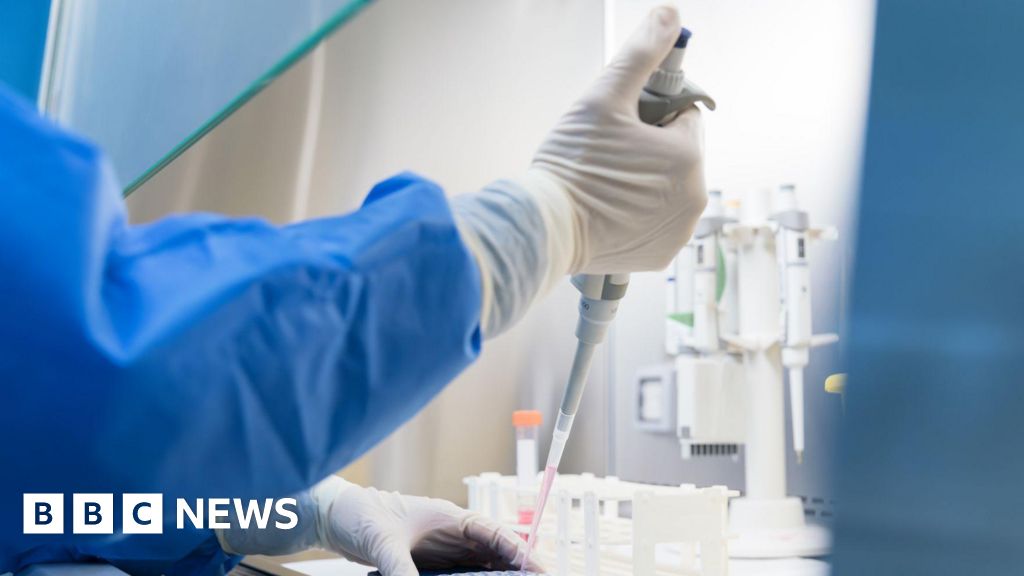
Researchers at the University of Oxford are using a powerful AI supercomputer to analyze large datasets from cancer patients, aiming to accelerate the development of new cancer vaccines and contribute to the Oxford Neoantigen Atlas, potentially enabling vaccine designs that were previously impossible.
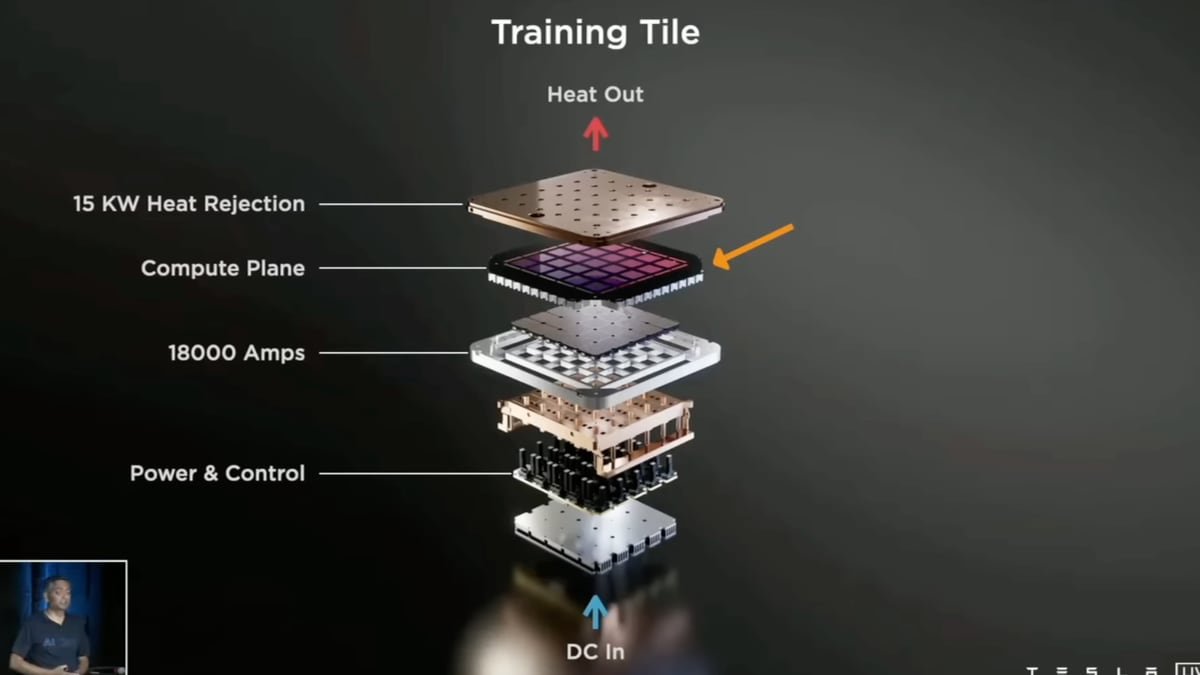
Tesla is disbanding its Dojo supercomputer team and shifting focus towards a unified AI architecture with the upcoming AI6 chip, integrating training and inference capabilities, rather than abandoning its AI training efforts. This strategic pivot aims to streamline development and enhance Tesla’s AI hardware for autonomous driving and other applications.
Tesla's Dojo supercomputer project has been disbanded following the departure of its leadership and key employees, marking a setback in Tesla's efforts to develop in-house AI training hardware. The company is shifting focus to rely more on external chip suppliers like Nvidia and Samsung, which may help conserve resources amid industry challenges. The move signals a significant pivot from Tesla's previous strategy of vertical integration for AI development, raising questions about the company's future AI ambitions and talent retention. Despite the setback, Tesla's stock has risen slightly, but ongoing talent loss and internal challenges pose risks to its long-term AI and autonomous vehicle goals.
Germany's JUPITER supercomputer has become the world's fourth fastest, featuring advanced NVIDIA hardware and demonstrating significant energy efficiency. It facilitates groundbreaking research in fluid dynamics and simulations that benefit aerospace, medicine, and engineering, setting new standards for sustainable high-performance computing.
A supercomputer predicts PSG as the favorite to win the FIFA Club World Cup final against Chelsea, with a 64.42% chance of victory, based on their strong tournament performance, while Chelsea, under Enzo Maresca, faces a tough challenge to secure their first major trophy.
Intel's stock experienced a significant decline of over 7% amid mixed news; while it secured a major contract for a new supercomputer at Imperial College London, it also faced setbacks in performance benchmarks against Nvidia, leading to a cautious 'Hold' rating from analysts with limited upside potential.
The U.S. Energy Department is developing a new supercomputer named Doudna at Lawrence Berkeley National Laboratory, set to arrive in 2026, which will integrate commercial AI technologies, notably Nvidia chips, to significantly boost computational speed and versatility for scientific research and AI model training.
The US Department of Energy's upcoming supercomputer 'Doudna', scheduled for 2026 and named after scientist Jennifer Doudna, will utilize Nvidia's Vera Rubin chips and Dell's liquid-cooled servers, serving 11,000 researchers at Lawrence Berkeley National Laboratory.