Tesla is disbanding its Dojo supercomputer team and shifting focus towards a unified AI architecture with the upcoming AI6 chip, integrating training and inference capabilities, rather than abandoning its AI training efforts. This strategic pivot aims to streamline development and enhance Tesla’s AI hardware for autonomous driving and other applications.
Tesla has terminated its Dojo supercomputer project due to delays and departures, shifting focus to AI5 and AI6 chips developed in collaboration with Samsung, aiming to enhance autonomous driving and robotics technologies.
Tesla's Dojo supercomputer project has been disbanded following the departure of its leadership and key employees, marking a setback in Tesla's efforts to develop in-house AI training hardware. The company is shifting focus to rely more on external chip suppliers like Nvidia and Samsung, which may help conserve resources amid industry challenges. The move signals a significant pivot from Tesla's previous strategy of vertical integration for AI development, raising questions about the company's future AI ambitions and talent retention. Despite the setback, Tesla's stock has risen slightly, but ongoing talent loss and internal challenges pose risks to its long-term AI and autonomous vehicle goals.
Tesla's Dojo supercomputer project, which is crucial for the development of its self-driving technology, has suffered a setback as its lead, Ganesh Venkataramanan, has left the company. Peter Bannon, a former Apple executive, is now leading the project. The Dojo system is designed to train machine learning models for Tesla's self-driving systems and has been estimated to potentially add $500 billion to Tesla's market value. The departure of Venkataramanan and another member of the team poses a blow to the expensive and technologically advanced project. Tesla previously relied on supercomputers from Nvidia, but Dojo aims to compete with offerings from Hewlett Packard Enterprise and IBM.
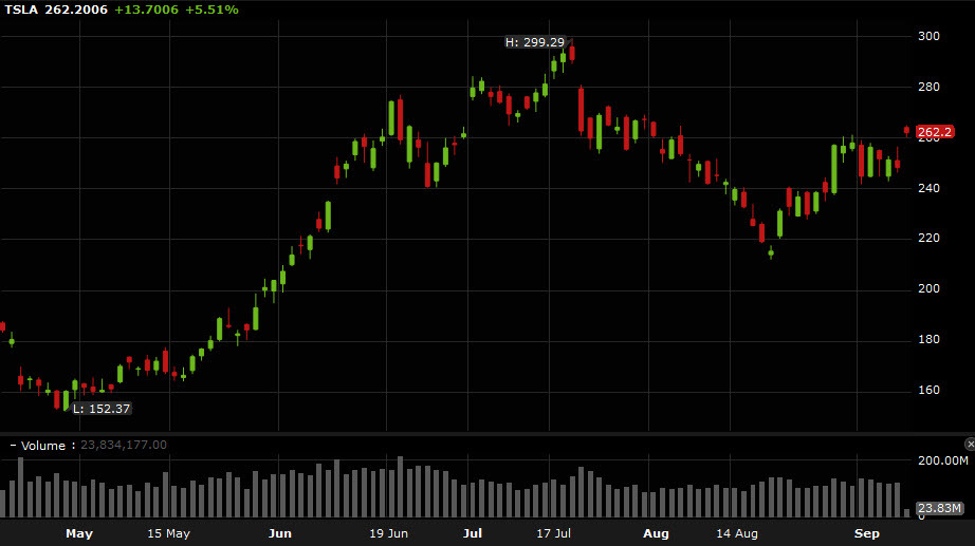
US equities open higher, with the S&P 500 up 0.5% and the Nasdaq up 0.6%. Tesla leads the gains, surging 5.5% after Morgan Stanley raised its price target and recommended an "overweight" holding. The upgrade was driven by Tesla's development of a supercomputer called DoJo, which will accelerate the adoption of self-driving technology and potentially add $500 billion to Tesla's enterprise value. Meanwhile, NVDA shares are down 1.9%.
Morgan Stanley predicts that Tesla's supercomputer, Dojo, could increase the automaker's enterprise value to $500 billion. The investment bank upgraded Tesla's rating to Overweight and raised its price target to $400 per share. Morgan Stanley believes that Tesla's progress with Dojo positions it as both an auto and tech company, with software and services potentially becoming its main source of revenue. Dojo's impact on industries such as autonomous robotaxis and Tesla Network Services could significantly contribute to Tesla's value. Elon Musk has hinted that Dojo could have applications beyond Tesla's Full Self-Driving system.
Tesla has activated its new training cluster, powered by 10,000 H100 NVIDIA GPUs, to advance its Full Self-Driving (FSD) technology. The high demand for the advanced chip has led Tesla to invest over $1 billion in developing its own supercomputer, Dojo, with a custom-designed chip. Tesla plans to invest over $2 billion in 2023 and 2024 to enhance its computational capabilities for FSD technology. Additionally, Tesla now allows owners to view release notes for pending software updates in their vehicles, aligning with the functionality already available in the Tesla app.
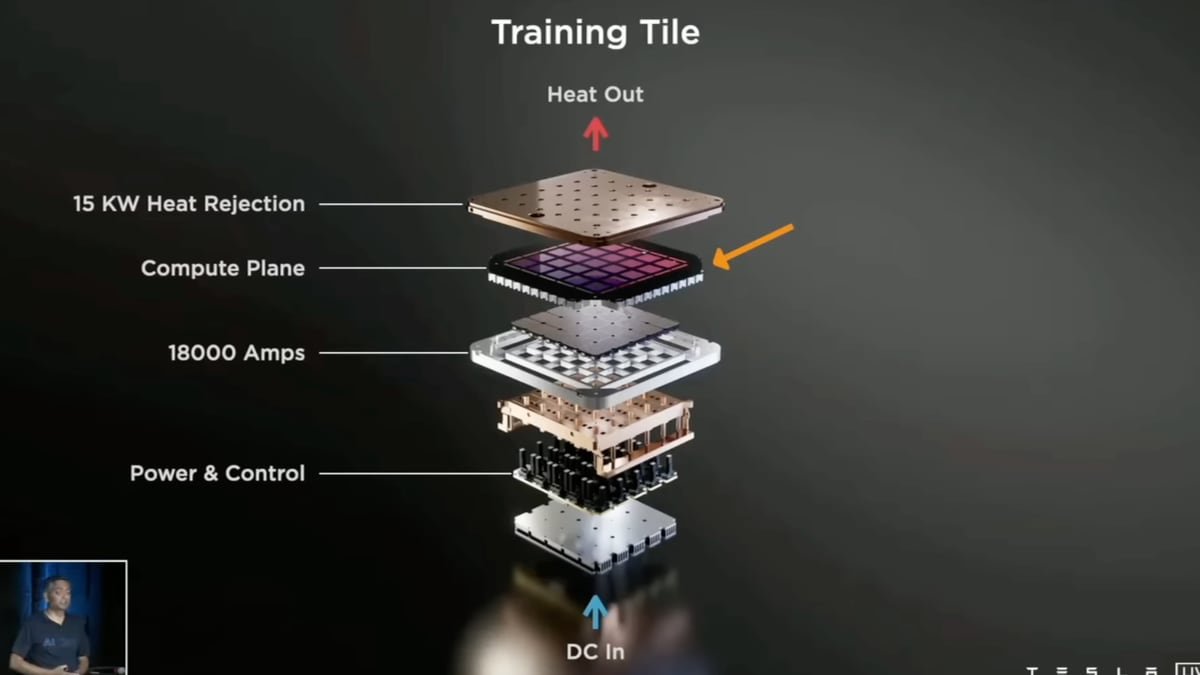
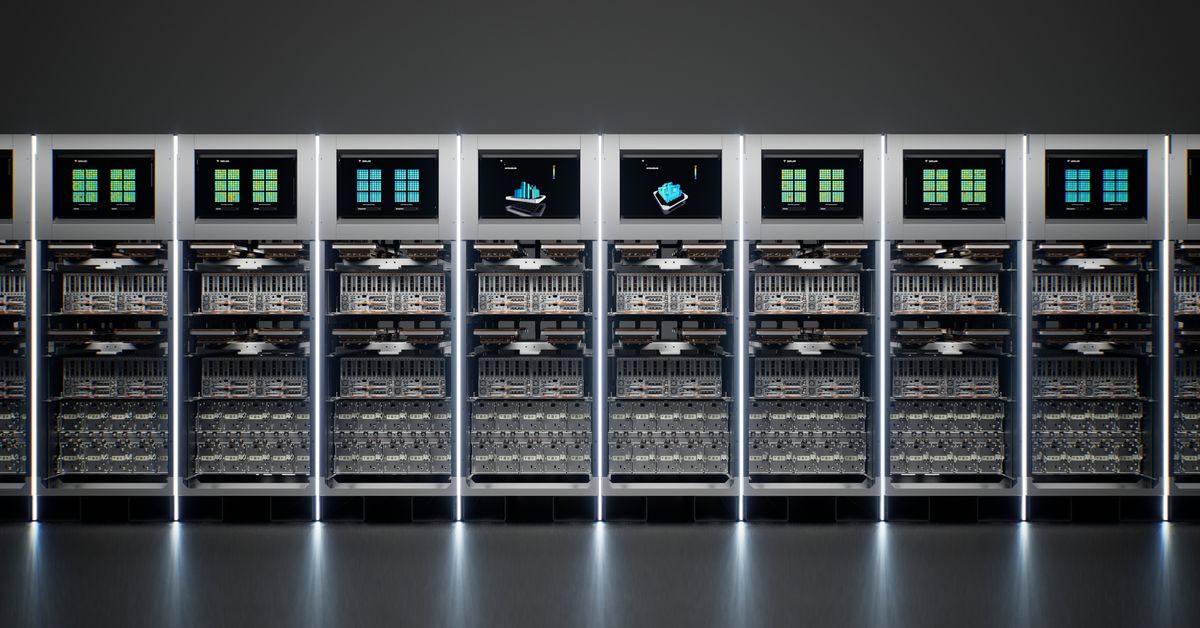
Tesla has announced the start of production for its Dojo supercomputer, designed to train its fleet of autonomous vehicles. The custom-built computer, using chips developed by Tesla, aims to provide faster and cheaper neural net training. With an exaflop capability, Dojo is expected to break the barrier of the exaflop of compute, significantly enhancing Tesla's autonomous driving capabilities. The full Dojo cluster is anticipated to be completed by early 2024.