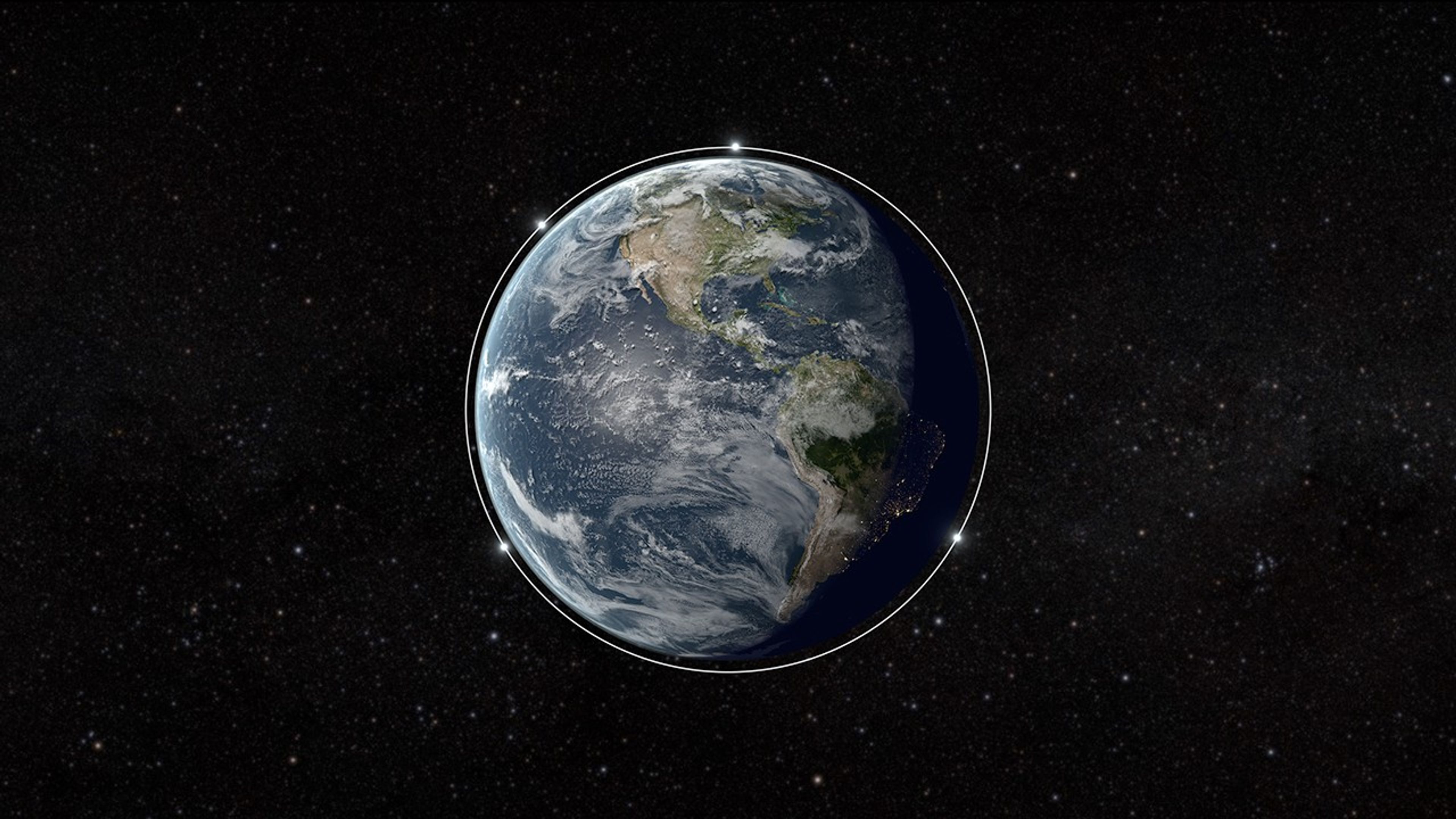
NASA's four PUNCH spacecraft have successfully reached their designated orbits around Earth, positioned along the day-night line to provide continuous, comprehensive data on the solar wind and its origins, aiming to better understand the sun's corona and the heliosphere.
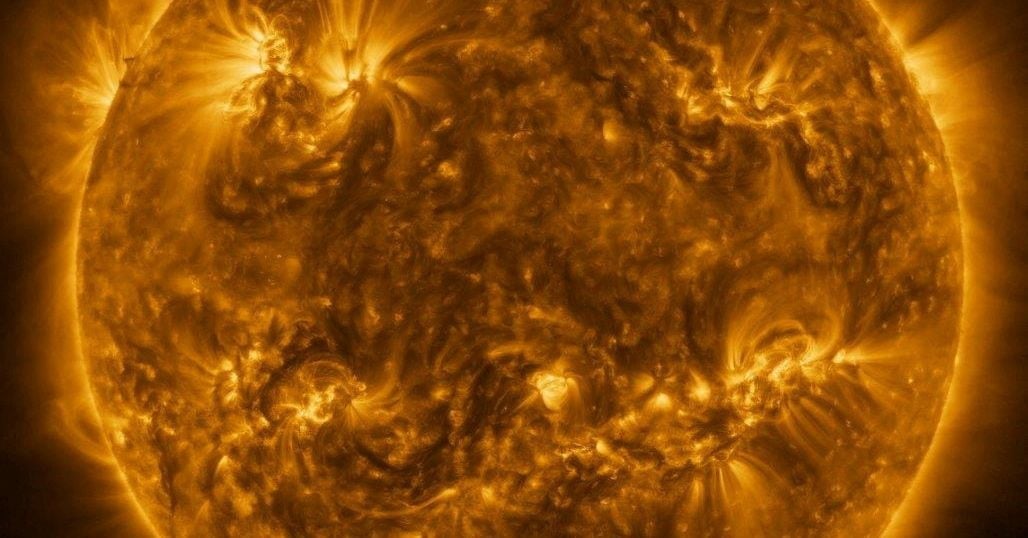
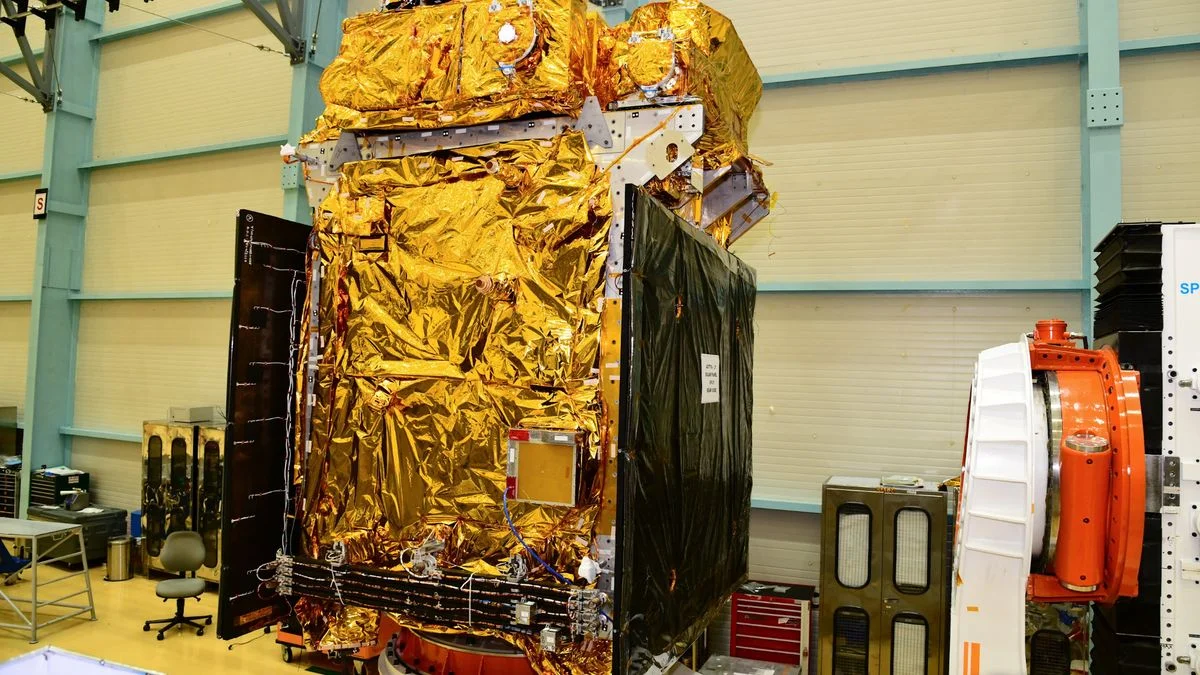
India's space agency, ISRO, has launched the Aditya-L1 spacecraft on its first solar mission to study the sun. The spacecraft aims to study solar winds and their impact on Earth, including disturbances such as auroras. Named after the Hindi word for the sun, the Aditya-L1 will travel 1.5 million km over four months and stop at a Lagrange Point in space to reduce fuel consumption. The mission also aims to understand the sun's impact on Earth's climate patterns and the origins of solar wind. India's Prime Minister Narendra Modi is pushing for the country's space missions to play a larger role on the global stage.
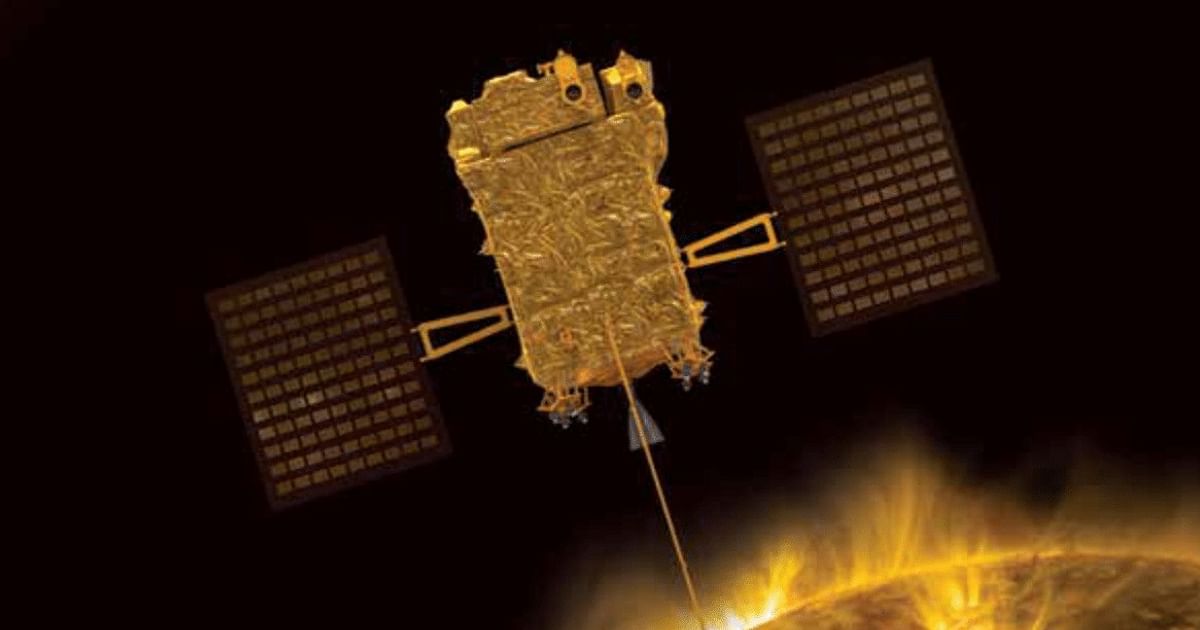
India is set to launch the Aditya-L1 spacecraft on September 2 to study the sun and its impact on space weather. The spacecraft will be placed in a halo orbit around Lagrangian point 1, allowing for continuous observation of the sun without any obstructions. The mission aims to study solar wind and its potential disruptions on Earth's communication and navigation systems. This will be India's first space-based observatory for studying the sun, following its recent successful moon landing.
India is set to launch its first sun-studying spacecraft, Aditya-L1, on September 2, 2023. The spacecraft will study the sun from Earth-sun Lagrange Point 1, providing continuous observations of solar activities and their effects on space weather. Aditya-L1 will investigate solar flares, coronal mass ejections, and the mystery of the sun's hot outer atmosphere. The mission follows India's recent success with the Chandrayaan-3 lunar mission.
The Indian Space Research Organisation (ISRO) has announced that the Aditya-L1 mission, India's first solar mission to study the Sun, will be launched on September 2. The spacecraft will provide remote observations of the solar corona and in-situ observations of the solar wind at the Sun-Earth Lagrange point (L1). The mission aims to understand the temperature of the corona, observe solar activities, study particle dynamics, and investigate the physics of the solar corona and its heating mechanism. The Aditya-L1 mission is a fully indigenous effort with the participation of national institutions.
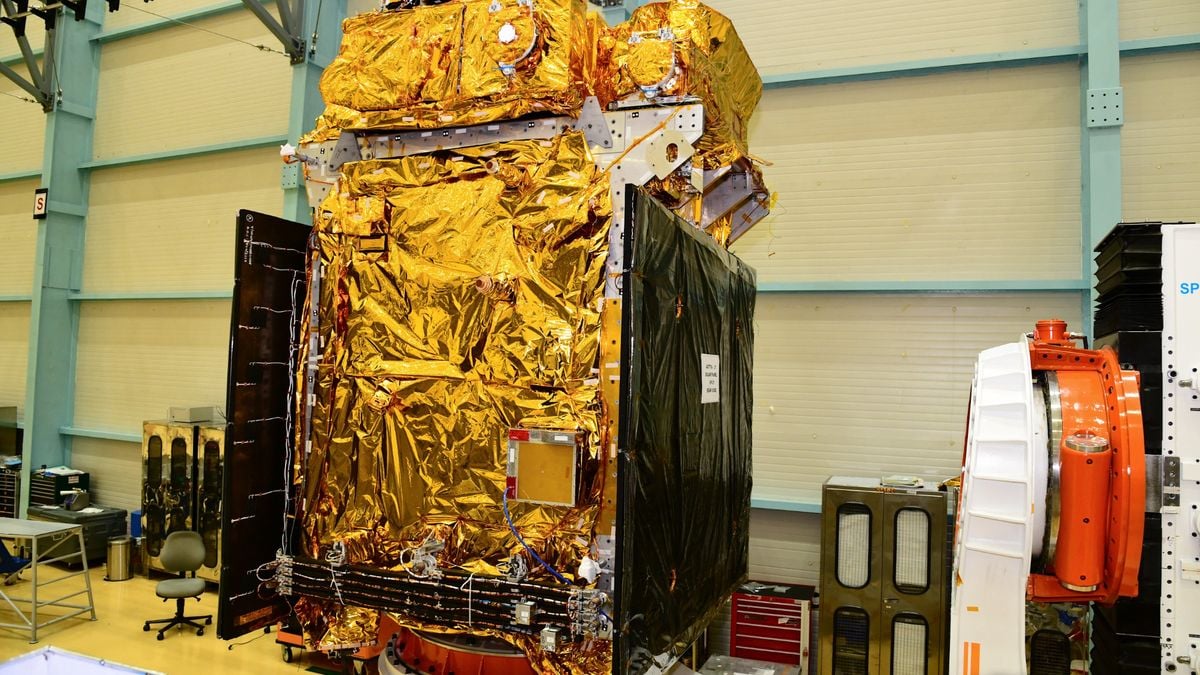
India is preparing to launch its first-ever mission to study the sun with the Aditya-L1 spacecraft, expected to lift off in early September. The observatory will study the sun's corona and aim to unravel the mysteries behind solar flares and coronal mass ejections. The spacecraft will be placed in a circular orbit around Earth before embarking on a four-month journey to its final destination, the Earth-sun Lagrange Point 1. The Aditya-L1 observatory carries seven payloads, including instruments to directly view the sun, study solar wind, and measure magnetic fields. The mission, costing $45 million, follows India's recent launch of the Chandrayaan-3 spacecraft to the moon.