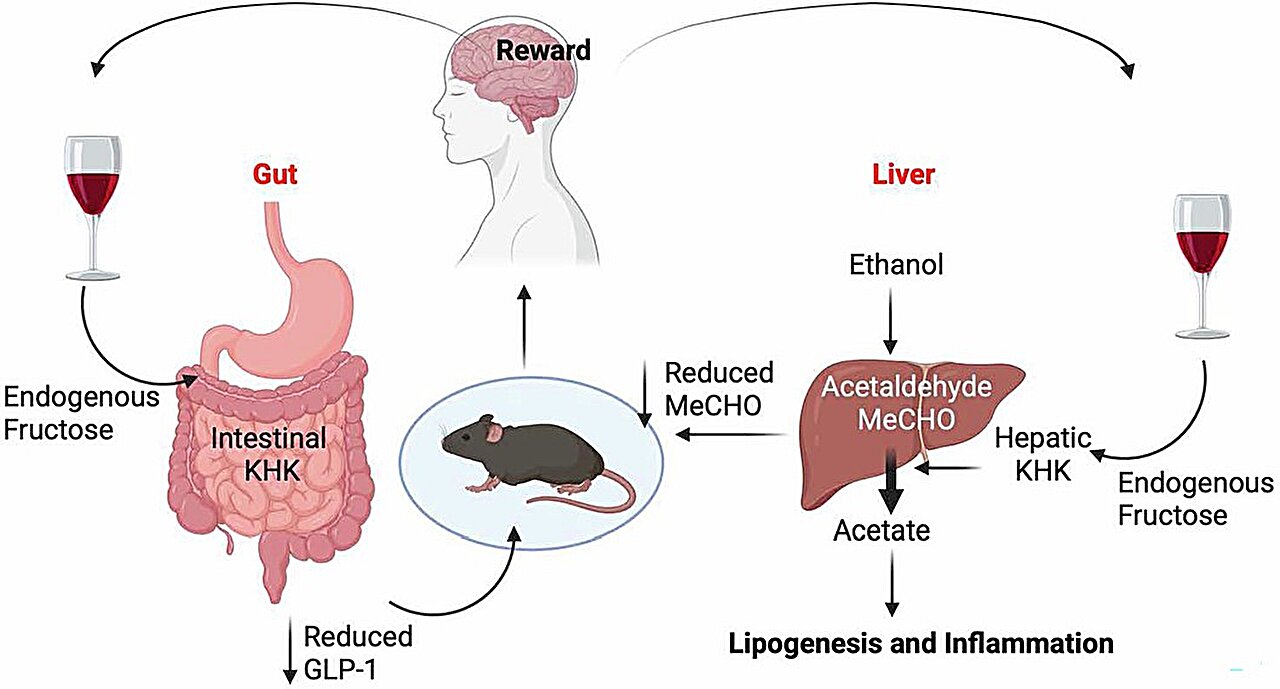
Scientists have discovered that the enzyme ketohexokinase (KHK) plays a key role in alcohol addiction and liver damage by promoting fructose production during alcohol metabolism, and blocking this enzyme could lead to new treatments for these conditions.
Researchers have discovered that a rare childhood cancer, MPNST, relies heavily on sugar metabolism via the pentose phosphate pathway, and inhibiting this pathway could lead to new targeted therapies. However, experts caution against drastic sugar restrictions in children's diets, emphasizing the importance of consulting healthcare professionals for personalized treatment and nutrition plans.
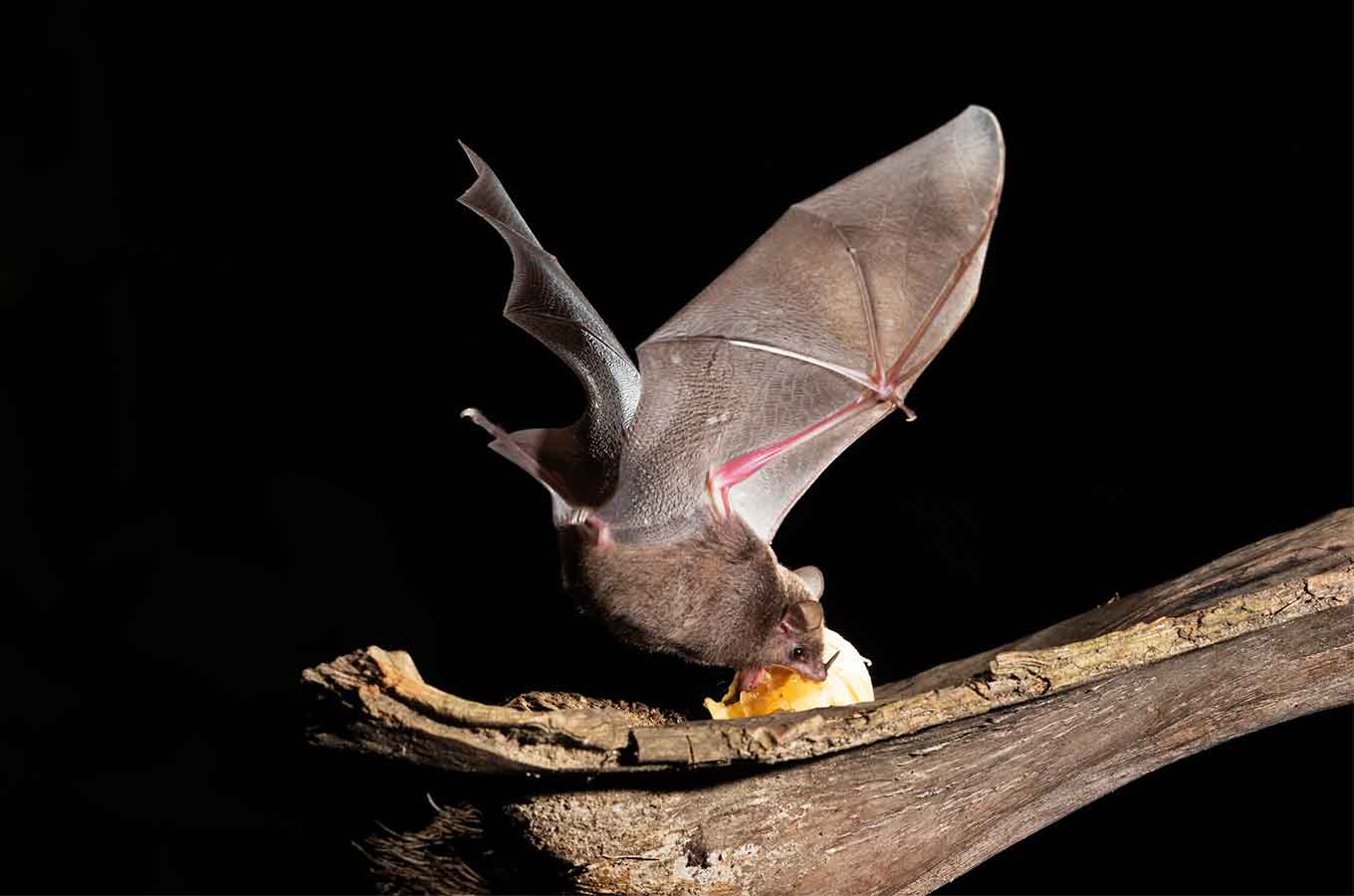
Researchers at UC San Francisco have discovered how fruit bats have evolved to consume large amounts of sugar without suffering from health consequences, potentially offering insights into combating diabetes in humans. The study, published in Nature Communications, revealed genetic adaptations in fruit bats' pancreas and kidneys that enable them to process high levels of sugar without harm. The findings could lead to the development of improved therapies for diabetes and insulin resistance in humans, with implications for the 37 million Americans affected by the condition.