Tag

Sucralose

All articles tagged with #sucralose

health5 months ago

Artificial Sweetener Sucralose May Reduce Cancer Treatment Effectiveness

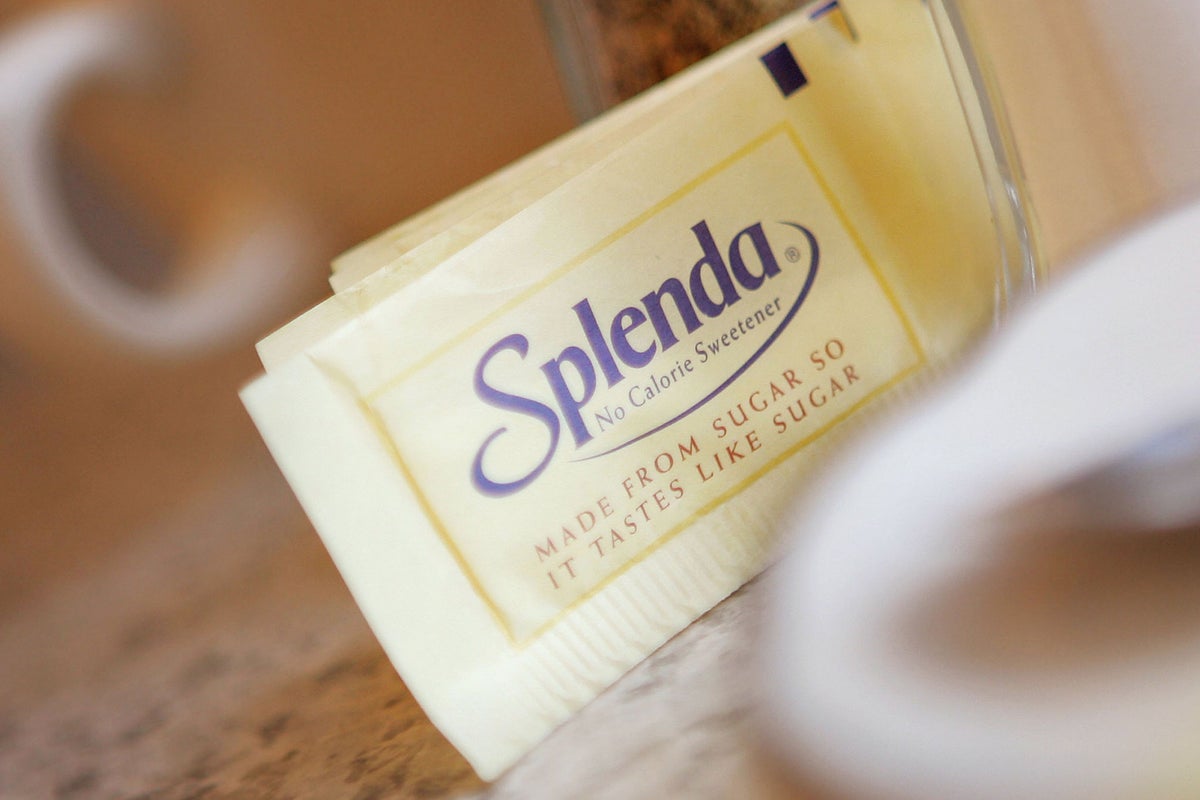
New research indicates that sucralose, a common artificial sweetener found in products like Splenda, may impair the effectiveness of cancer immunotherapy by disrupting gut bacteria and reducing arginine levels, but supplementation with arginine could potentially counteract these effects. The study emphasizes the importance of considering dietary factors in cancer treatment outcomes.

health2 years ago

The Gut Health Battle: Sucralose vs. Sugar

A study conducted by researchers from the University of Vienna found that consuming the artificial sweetener sucralose did not cause an increase in bacterial endotoxin levels in the body, compared to consuming sugar. Previous research has shown that some artificial sweeteners can potentially cause health issues such as increased risk for cardiovascular disease, modifications to the gut microbiome, and depression. While more research is needed, this study suggests that sucralose may be a safer alternative to consuming sugar. However, experts emphasize the importance of considering individual factors and making informed decisions when choosing sugar substitutes.

health2 years ago

The Complex Relationship Between Artificial Sweeteners and DNA Damage.

A recent study published in the Journal of Toxicology and Environmental Health, Part B, found that sucralose-6-acetate, a form of the artificial sweetener sucralose, can damage DNA and cause intestinal cells to activate genes linked with inflammation and cancer. While some studies have linked artificial sweeteners to health issues such as weight gain, cancer, and disrupted gut microbiome, experts say the data is mixed and that artificial sweeteners can be used in moderation. However, some caution that people should limit their consumption of artificial sweeteners and sugar substitutes or avoid them entirely due to concerns about gut health.

health2 years ago

Artificial Sweetener Linked to DNA Damage and Cancer Risk

A new study suggests that sucralose, a common artificial sweetener sold under the brand name Splenda, may increase the risk of cancer by damaging DNA. The study also found that sucralose may lead to a leaky gut lining and increase the activity of genes related to inflammation and cancer. Sucralose is used in thousands of products, including baked goods, beverages, chewing gum, gelatins, and frozen dairy desserts. The authors of the study called for a new regulatory review of the health effects of sucralose in food products. Experts recommend using artificial sweeteners in moderation, if at all, and suggest using stevia or monk fruit sweeteners as an alternative.

health2 years ago

Artificial Sweetener Linked to Cancer and DNA Damage.

A new study found that a chemical, sucralose-6-acetate, found in Splenda causes DNA damage and is harmful to gut health, leading to oxidative stress, inflammation, and even cancer. The results support the growing evidence of the harmful effects of artificial sweeteners, such as an increased risk of heart disease and cancer. While further research is still needed, experts recommend avoiding added sugars as much as possible and opting for natural sugar substitutes like stevia or monk fruit.

health2 years ago

Artificial Sweetener Sucralose Linked to Cancer Risk and DNA Damage

Sucralose, a chemical found in the popular artificial sweetener Splenda, may cause DNA damage and cancer, according to a new in vitro study. The study found that sucralose-6-acetate, a structurally similar molecule that forms when sucralose is broken down in the gut by gut bacteria, caused genotoxicity and damage to the gut lining. Sucralose has been approved by the FDA as a general-purpose sweetener for food, but experts suggest using natural liquid sweeteners like date syrup, coconut nectar, maple syrup, or honey as alternatives. While more studies within the human body are needed, the new research should give pause to those who plan to keep using sucralose.

health2 years ago

Artificial Sweeteners: A DNA Damage Risk?

A recent study by researchers at North Carolina State University has raised concerns about the safety of sucralose, the leading sugar substitute marketed under the brand name Splenda. The study found that the chemicals present in sucralose can break down human DNA, potentially posing risks to human health. The study also revealed that sucralose-6-acetate, an impurity and structural analog found in commercially available sucralose samples, is genotoxic, causing DNA strand breaks classified as clastogenic. Sucralose-6-acetate also significantly increased the expression of genes associated with inflammation, oxidative stress, and cancer, and impaired intestinal barrier integrity. These findings have raised significant concerns about the safety and regulatory status of sucralose itself.

health2 years ago

Artificial sweeteners linked to DNA damage and health risks in new study.

A new study by North Carolina State University has found that artificial sweeteners, specifically sucralose, may damage DNA. While the study was conducted on rats, nutritionists suggest that it is worth considering the impact of artificial sweeteners on humans. Seattle Public Schools and the Everett School District do not use artificial sweeteners when cooking from scratch, but standards do not extend to food and drinks provided at after-school functions. Nutritionists advise parents to read labels and ask schools about the food they serve to reduce sweetened products.

health2 years ago

The Debate Over Artificial Sweeteners: Are They Safe or Not?

A recent study found that sucralose, an artificial sweetener found in Splenda and Diet Coke with Splenda, can break down DNA, but epidemiologist Gideon Meyerowitz-Katz notes that the study took place in petri dishes and it would take chugging 50,000 cans of Diet Rite Cola over two hours to reach the specific sucralose concentration levels where DNA damage was found to occur. Similarly, a study last February linked erythritol, another popular artificial sweetener, to cardiovascular events, but experts have expressed skepticism about the study's methodology and fearmongering in its coverage. While sugar is linked to various health issues, the effects of artificial sweeteners are still being studied.

health2 years ago

Artificial sweetener sucralose linked to DNA damage and health risks

In vitro studies have shown that the artificial sweetener sucralose, sold under the brand name Splenda, can be metabolised in the gut to form a compound that damages DNA. The harmful chemical sucralose-6-acetate was found to be formed during digestion and can even be found in trace amounts in sucralose itself. The researchers concluded that the trace amounts of sucralose-6-acetate in a single, daily sucralose-sweetened drink exceeded the safe threshold set by the European Food Safety Authority. Sucralose has been linked to various health conditions, including leukaemia, diabetes and obesity.

health2 years ago

New study links Splenda's sucralose to DNA damage and health risks.

A new study from North Carolina State University found that sucralose, a chemical found in the popular zero-calorie sweetener Splenda, can cause damage to DNA, raise the risk of cancer, and cause leaks in the gut lining. The study found that a metabolite of sucralose, called sucralose-6-acetate, is "genotoxic," meaning it breaks down the genetic material that makes up DNA. Both sucralose and sucralose-6-acetate were shown to cause damage to the "tight junctions" that hold together the intestinal barrier, leading to a "leaky gut." The sweetener industry maintains the safety of sucralose, but the study's author and a dietitian recommend avoiding sugar substitutes as much as possible.

health2 years ago

Sucralose in Splenda linked to DNA damage and cancer risk

A new study has found that sucralose, a common zero-calorie sweetener, may damage DNA, increase the activity of genes related to inflammation and cancer, and lead to a leaky gut lining. Sucralose is used in thousands of products, including baked goods, beverages, chewing gum, gelatins, and frozen dairy desserts. The study suggests that a chemical formed from sucralose might also damage DNA. The authors of the paper called for a new regulatory review of the health effects of sucralose in food products. Experts recommend using artificial sweeteners in moderation, if at all, and suggest using stevia or monk fruit sweeteners as an alternative.

health2 years ago

Artificial sweetener linked to DNA damage and health risks.

A new study has found that a chemical, sucralose-6-acetate, found in Splenda causes DNA damage and is harmful to gut health, leading to oxidative stress, inflammation, and even cancer. The study supports the growing evidence of the harmful effects of artificial sweeteners, such as an increased risk of heart disease and cancer. While the results are cause for concern, further research on the effects of sucrose-6-acetate is still needed, particularly in human trials. Experts recommend avoiding added sugars as much as possible, which may include natural sugars such as honey or agave. When choosing sugar substitutes, stevia or monk fruit may be considered healthier options.