Streaming services like Netflix, Amazon Prime Video, Disney+, and HBO Max, which initially attracted customers with ad-free experiences, are increasingly incorporating advertisements. This shift includes offering lower subscription prices in exchange for ads and integrating commercials into live sports broadcasts. The importance of advertising was highlighted by recent presentations from Netflix and Amazon at the upfronts event, aimed at attracting advertisers.
The article discusses the overwhelming amount of digital content available and the need for a solution to combat information overload. It also highlights various subscription models offered by the Financial Times to access quality journalism and expert analysis, emphasizing the importance of curated content in the digital age.
Dating apps like Tinder and Bumble, which once enjoyed immense popularity and investor favor, are now struggling to meet revenue expectations, with both companies losing over $40 billion in market value since 2021. The main challenge lies in convincing young users to pay for subscriptions, as platforms like Snapchat and TikTok increasingly compete for their attention. Despite generating billions in revenue from subscriptions, the companies are facing stagnant growth and are under pressure to innovate and attract more paying users to satisfy investor demands.
Washington Post CEO Will Lewis acknowledges the challenges facing the news industry, emphasizing the need for new models to attract younger readers. He suggests embracing daily or weekly passes and donation-based models, as well as integrating AI more effectively. Despite recent layoffs and voluntary buyouts at the Post, Lewis is optimistic about growing the business with additional financial support from owner Jeff Bezos.
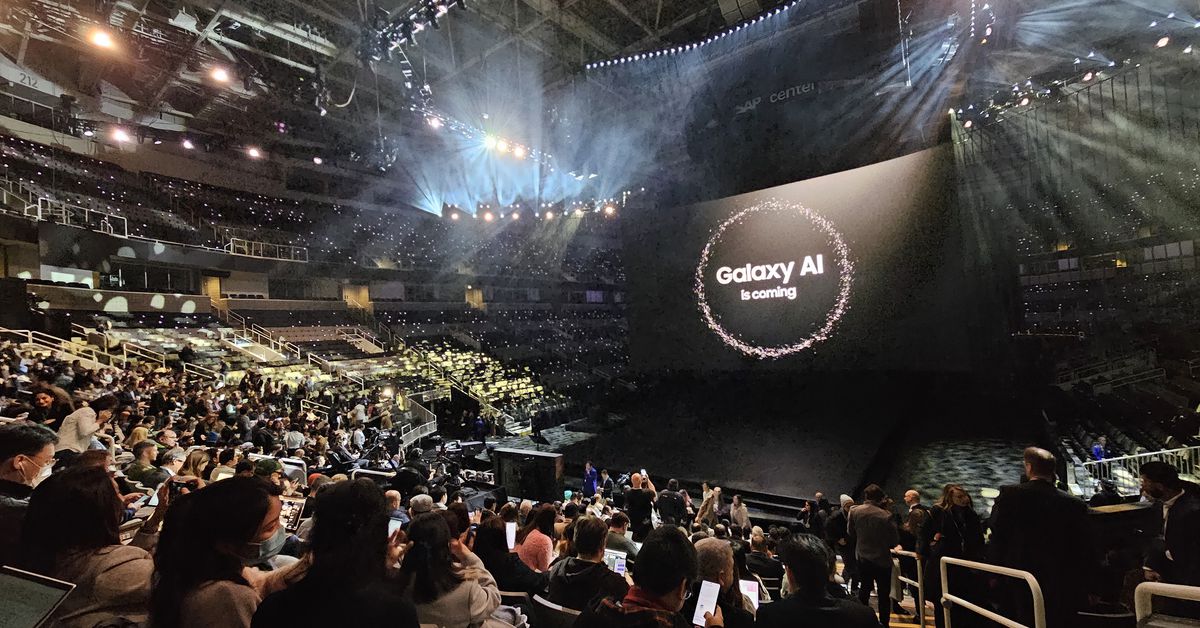
Samsung's new Galaxy S24 series comes with a range of AI features, but the fine print suggests that these features might not be free forever, potentially leading to future charges for users. The company has committed to providing these features for free until the end of 2025, but the possibility of subscription models or additional fees for advanced AI services looms. The use of Google Cloud to power these features also raises the potential for future costs. Samsung's head of mobile has hinted that charging for AI services could become an option as they become more advanced and costly to run, but the company will need to demonstrate the value of these features to justify any potential charges.
Adobe is facing regulatory scrutiny from the Federal Trade Commission (FTC) over its subscription models, which could result in significant monetary costs or penalties. The company is currently in discussions with the FTC regarding a potential settlement. Additionally, Adobe's $20 billion acquisition of Figma is being investigated by Britain's competition regulator. The European Commission has issued a preliminary statement of objections, and the Competition and Markets Authority has expressed provisional findings of competition concerns. Adobe disagrees with these findings and is responding to the respective regulators. The company's revenue forecast for the current quarter and fiscal 2024 fell below analysts' estimates, partly due to price hikes and reduced demand. Despite reporting a fourth-quarter adjusted profit slightly above estimates, Adobe's shares dropped over 5% in after-hours trading.
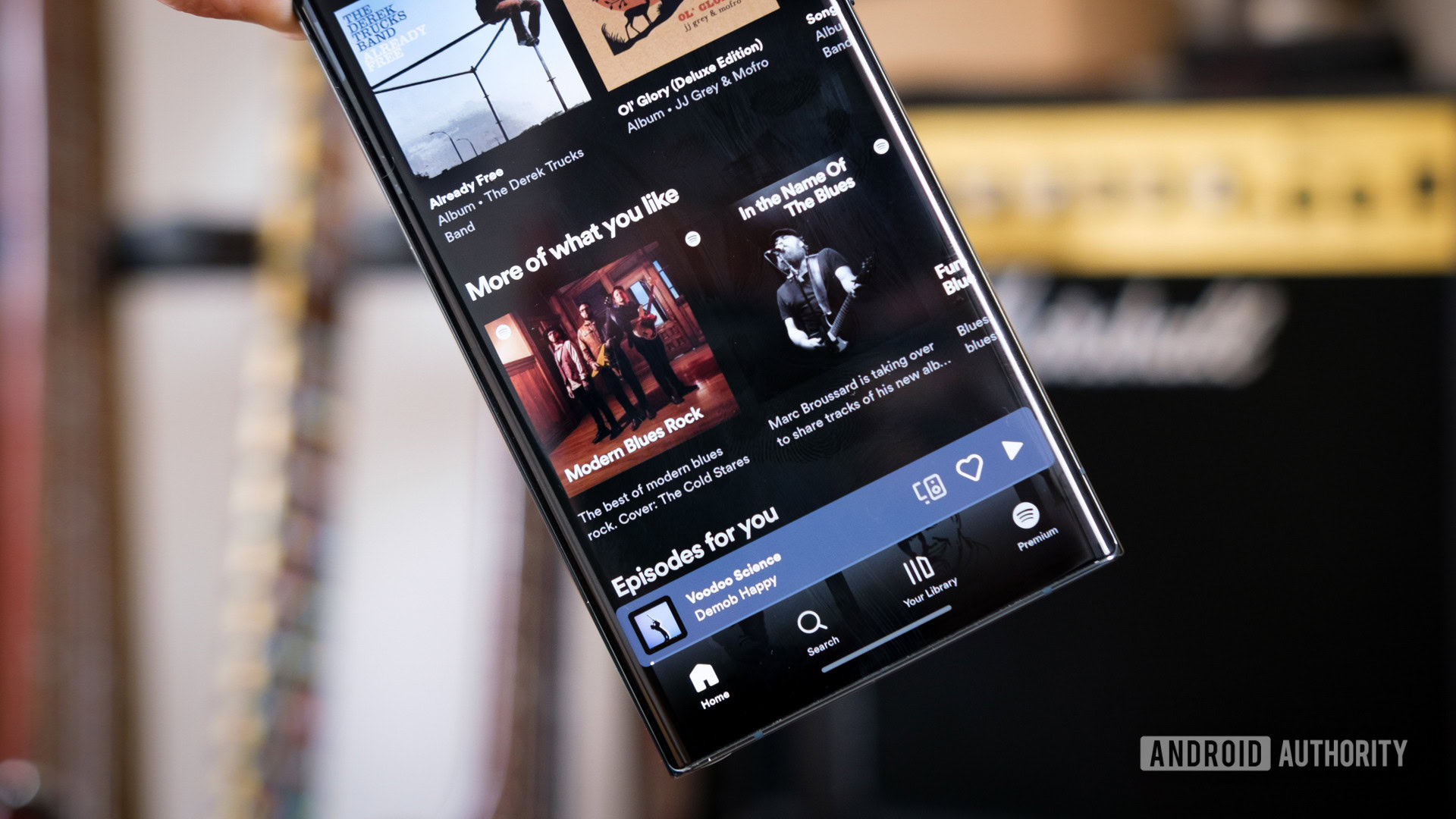
The author reflects on their decision to ditch music streaming services and return to a physical music collection. While price is a factor, the main motivation for the change is evolving listening habits and a decreased need for music discovery. The allure of owning and having complete control over their collection, including artwork and file quality, is also a driving factor. However, there are drawbacks to ditching streaming, such as the difficulty in finding affordable FLAC music and the loss of auto-curated mixes and recommendations. Despite the challenges, the author finds joy in actively searching for new artists and exploring back catalogs, making music discovery feel like a hobby again.
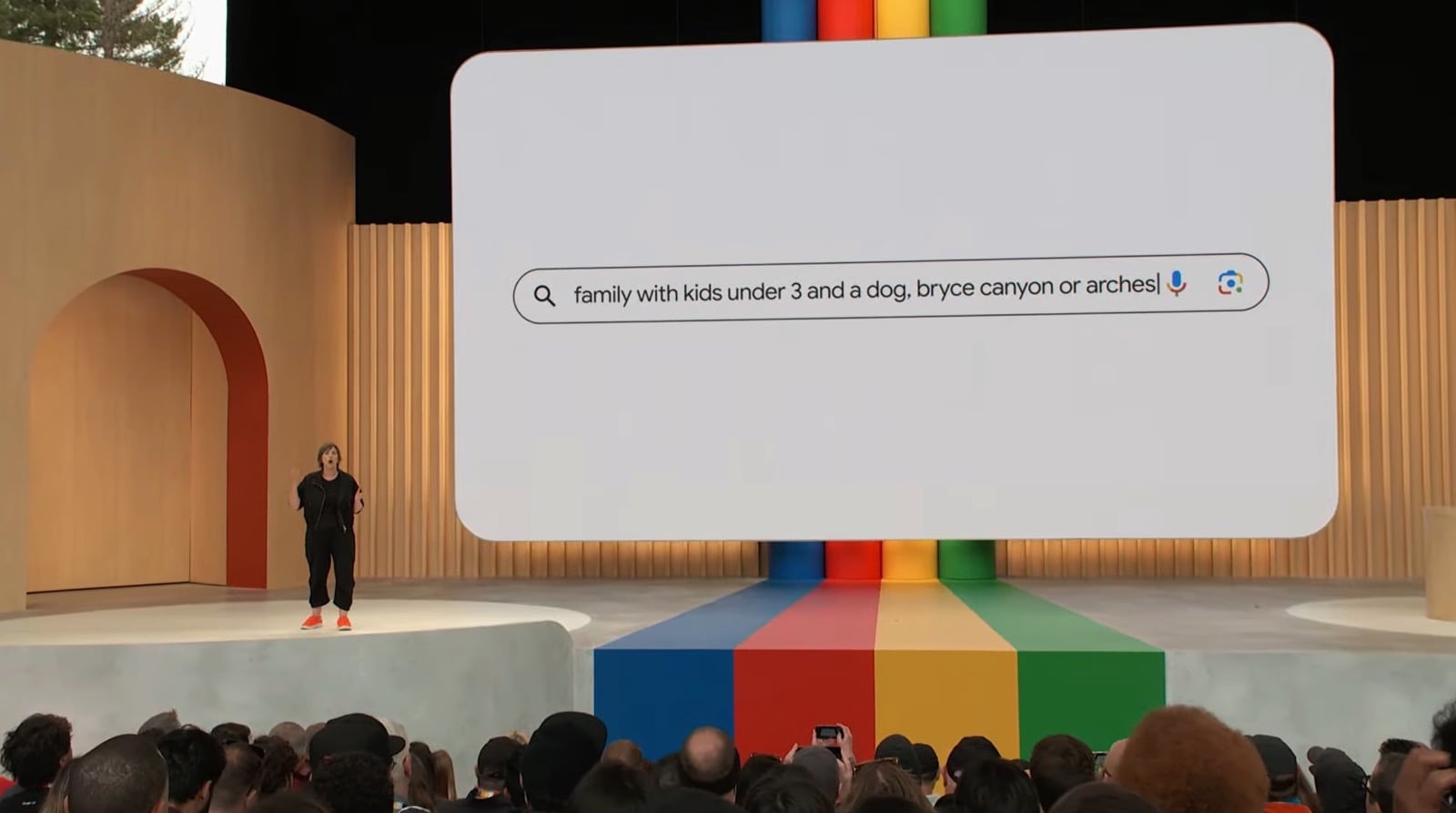
The internet has never been truly free, and it likely never will be. While some websites may offer free access, users pay for it with their personal information or through various fees such as subscriptions, product sales, or targeted ads. Recent events, such as Google restricting video access for users with ad blockers and Reddit charging third parties for access, highlight the fact that internet businesses need to generate revenue to cover their expenses. Services like Netflix, Twitter, and Facebook also require payment in the form of subscriptions, ads, or data tracking. The rise of generative AI services like ChatGPT raises concerns about privacy and copyright infringement. Ultimately, users must recognize that they are paying for their internet use in one way or another.