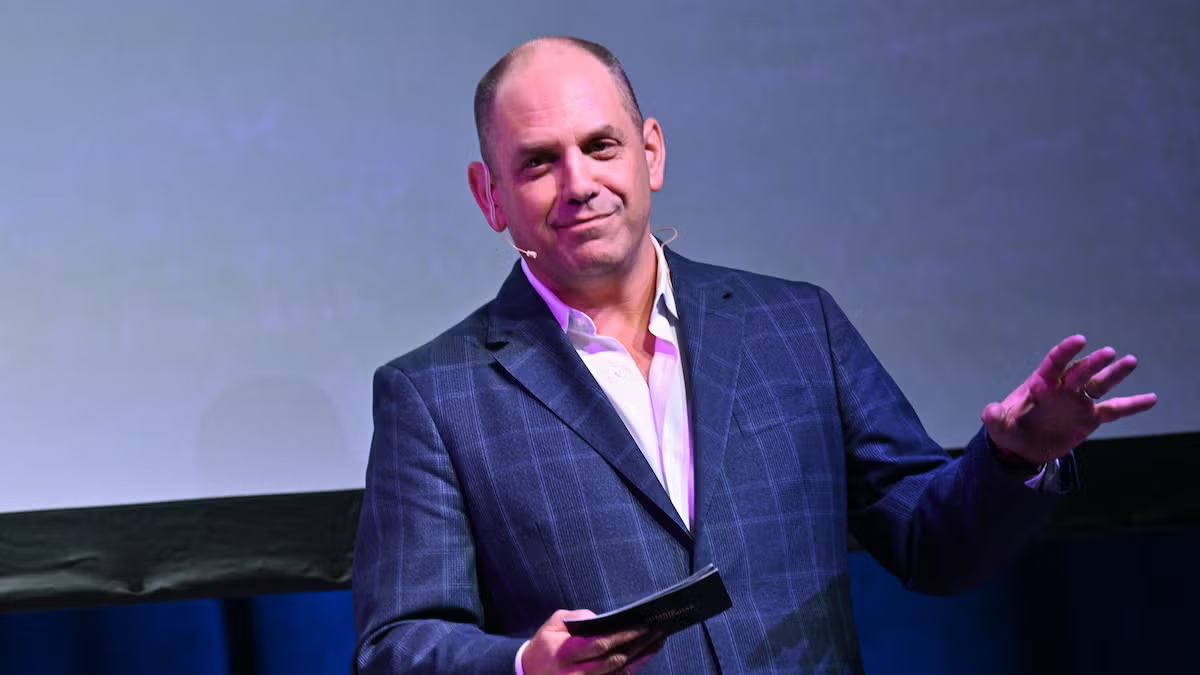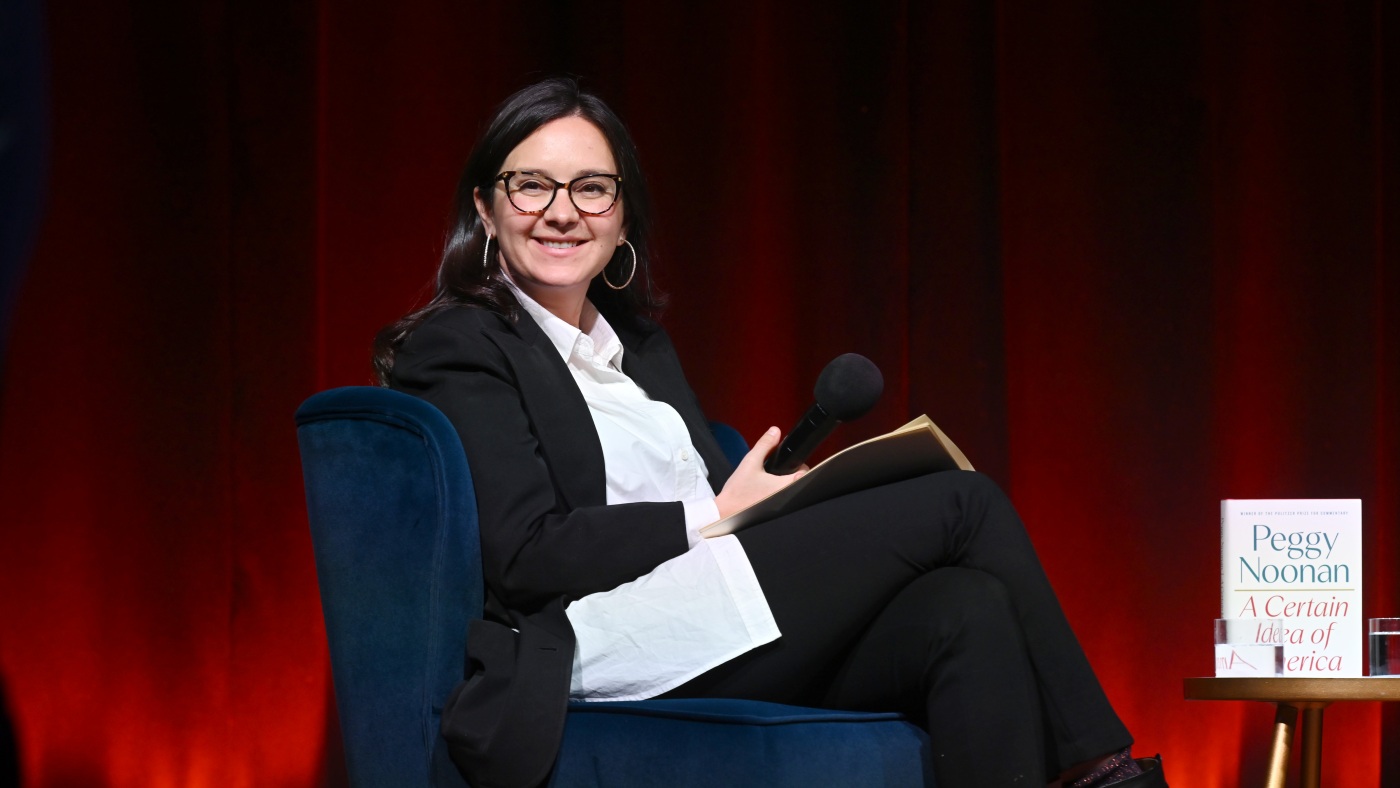
Bari Weiss has joined CBS News as editor in chief, with a mandate to promote balanced and fact-based reporting, while her news site The Free Press becomes part of Skydance Media, reflecting a shift towards more diverse political viewpoints in the network's coverage.
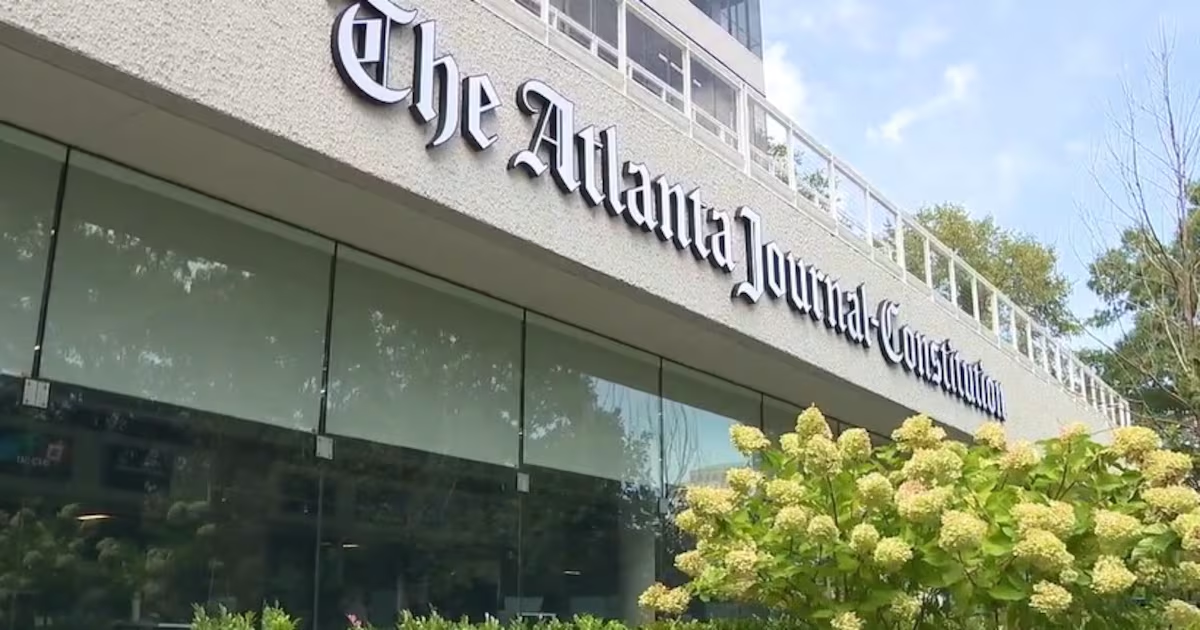
The Atlanta Journal-Constitution announced it will cease its print edition by the end of the year, transitioning to a fully digital format to focus on digital journalism, citing audience preferences and the evolving media landscape.
The Atlanta Journal-Constitution will cease its print edition by December 31, 2025, transitioning to a fully digital news operation to adapt to changing media consumption habits.
The Los Angeles Times will become a publicly traded company, announced by owner Patrick Soon-Shiong, aiming to democratize ownership and rebuild trust in media, with the transition expected over the next year.
The Associated Press (AP) is set to reduce its workforce by 8% through buyouts and layoffs as it transitions to a digital-first organization, following the end of a busy presidential election cycle. This move reflects broader challenges in the news industry, with AP focusing on visual journalism and digital content. The AP has faced financial pressures, including the loss of major clients like Gannett and McClatchy, and is diversifying its revenue streams. The News Media Guild reported that 121 members would be offered buyouts, with fewer job cuts expected among union members.
The Associated Press plans to reduce its workforce by 8% through buyouts and layoffs as part of a shift towards a digital-first strategy. This move comes amid ongoing financial challenges in the news industry and follows the end of a busy election cycle. The AP aims to focus more on visual journalism and digital content, although it remains a key player in election coverage. The organization has faced revenue challenges, including the loss of major clients like Gannett and McClatchy.
The New York Times has surpassed 11 million subscribers, marking a significant milestone in its digital growth and reflecting broader trends in the media industry's shift towards subscription-based models.
Google has begun removing California news websites from some users' search results as a test in response to a bill that would require tech giants to pay media companies for linking to their content. The bill aims to address the decline of journalism jobs and support local news organizations, but opponents, including Google, argue that it would primarily benefit out-of-state newspaper chains and hedge funds. This move by Google is part of a larger battle over legislation that could impact the company's internet empire, as it faces antitrust trials and legal challenges.
Google has temporarily blocked links from local news outlets in California from appearing in search results in response to a bill that would require tech companies to pay publications for links. The California Journalism Preservation Act (CJPA) would mandate large online platforms to pay a “journalism usage fee” for linking to news sites in the state. Google's move is an experiment in preparation for the bill potentially passing, and the company is also suspending further investments in the California news ecosystem. Meta, Facebook’s parent company, has also expressed opposition to similar legislation in Canada and Australia.
Google has begun removing California news websites from some users' search results as a test in response to a bill that would require tech giants to pay media companies for linking to their content. The bill aims to address the decline of journalism jobs and has faced opposition from big tech companies. Google's decision to temporarily remove links to news websites is seen as a tactic to push back on unwanted legislation, similar to actions taken in Canada and Australia. The political wrangling over Google's dominant search engine comes amid legal trouble, including antitrust trials and allegations of abusing its power.
Google has begun removing California news websites from some users' search results as a test in response to a bill that could require tech giants to pay media companies for linking to their content. The bill aims to address the decline of journalism jobs and has faced opposition from big tech companies. Google's decision to temporarily remove links to news websites is a tactic used to push back on unwanted legislation, similar to actions taken in Canada and Australia. The political wrangling over Google's dominant search engine comes amid legal trouble, including antitrust trials and allegations of abusing power to stifle competition.
Gannett and McClatchy, two major American newspaper chains, are scaling back their relationships with The Associated Press, with Gannett planning to stop using A.P. articles, photos, and videos in its publications and McClatchy also reducing its use of A.P. services. Gannett cited its own journalistic output and signed an agreement with Reuters for global news, while McClatchy, which was bought out of bankruptcy by Chatham Asset Management, will cease some A.P. services next month.
Gannett, the largest newspaper chain in the U.S., announced it will stop using content from The Associated Press (AP) after a century-long partnership, citing a desire to invest further in its newsrooms. The decision, effective March 25, will impact over 200 Gannett outlets. Gannett has signed an agreement with Reuters to provide global news in various formats. AP, which has diversified its services, expressed disappointment and hopes Gannett will continue to support them beyond 2024. Gannett will continue paying for AP's election-related polling and the AP Stylebook, but the reason for the abrupt termination of the partnership remains unclear.
Gannett, publisher of USA Today and numerous local newspapers, will cease using Associated Press content starting next week, citing the creation of more in-house journalism and the opportunity to allocate funds towards their teams. This decision marks the end of a long-standing relationship between the two entities, prompting disappointment from the AP. Gannett's move aligns with its recent cost-cutting efforts, including substantial layoffs, and aims to further invest in its newsrooms and leverage its USA TODAY Network.
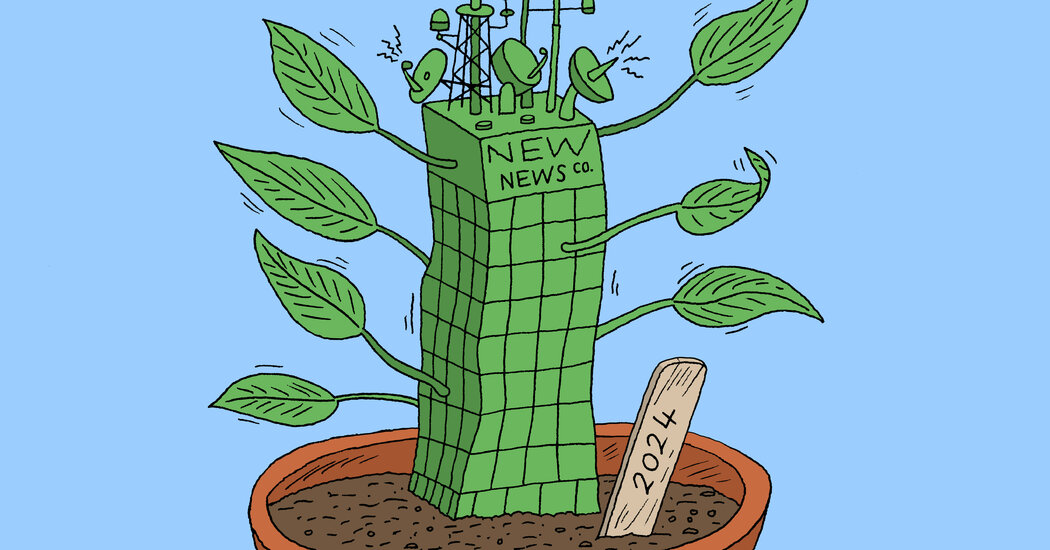
Despite a gloomy outlook for the news business, a small group of for-profit digital media start-ups, including Puck, Punchbowl News, The Ankler, and Semafor, have found success by prioritizing careful spending, hiring top journalists, and focusing on niche newsletters with broad appeal. These companies have learned from the failures of their predecessors, which relied heavily on investor money and chasing large audiences. The shift in conventional wisdom about making money in digital publishing reflects the challenges of relying on social media traffic and digital ad economics, as seen in the recent closure of The Messenger.