
Oil Markets Brace for Hormuz Shock as Iran-US Tensions Escalate
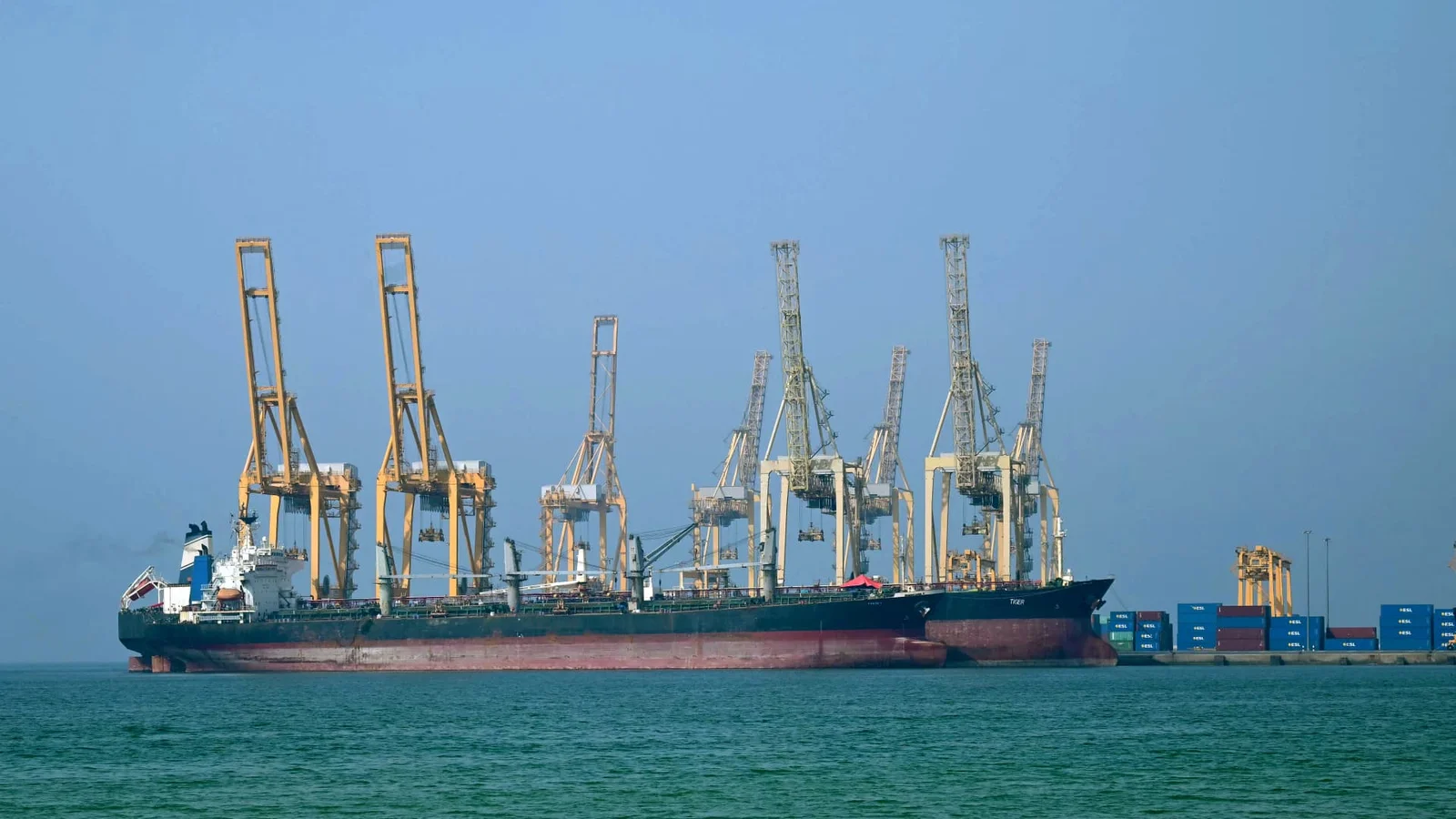
Oil markets are bracing for a potential supply shock after U.S. strikes on Iran raised the risk that flows through the Strait of Hormuz—through which about 13 million barrels per day (roughly 31% of seaborne oil) moved in 2025—could be disrupted. Analysts expect an initial knee-jerk price reaction when trading resumes, but the bigger question is whether tensions could trigger a sustained interruption of Gulf exports. Scenarios range from limited Iranian exports being halted to a full blockage of Hormuz; a closure could push oil into triple digits and LNG prices to record highs, depending on duration. Some experts warn the disruption could be three times the severity of the 1970s shocks, while the U.S. and allies would likely deploy escorts to protect shipping lanes. Lipow estimates a roughly 33% probability for a closure-like scenario, and Kavonic warns a full Hormuz disruption could be catastrophic for markets. Current price context cited: Brent around $72.5 and WTI around $62.0.}
- $100 oil? Prolonged Hormuz closure could spark a 1970s-style energy shock CNBC
- Oil jumps 10% on Iran conflict and could spike to $100 a barrel, analysts say Reuters
- Insurers to cancel policies and raise prices for ships in Gulf and Strait of Hormuz Financial Times
- Shipping Traffic Through Strait of Hormuz Plummets After Attacks on Iran The New York Times
- War in Iran could cause the biggest oil shock in years The Economist
Reading Insights
1
6
3 min
vs 5 min read
81%
837 → 158 words
Want the full story? Read the original article
Read on CNBC