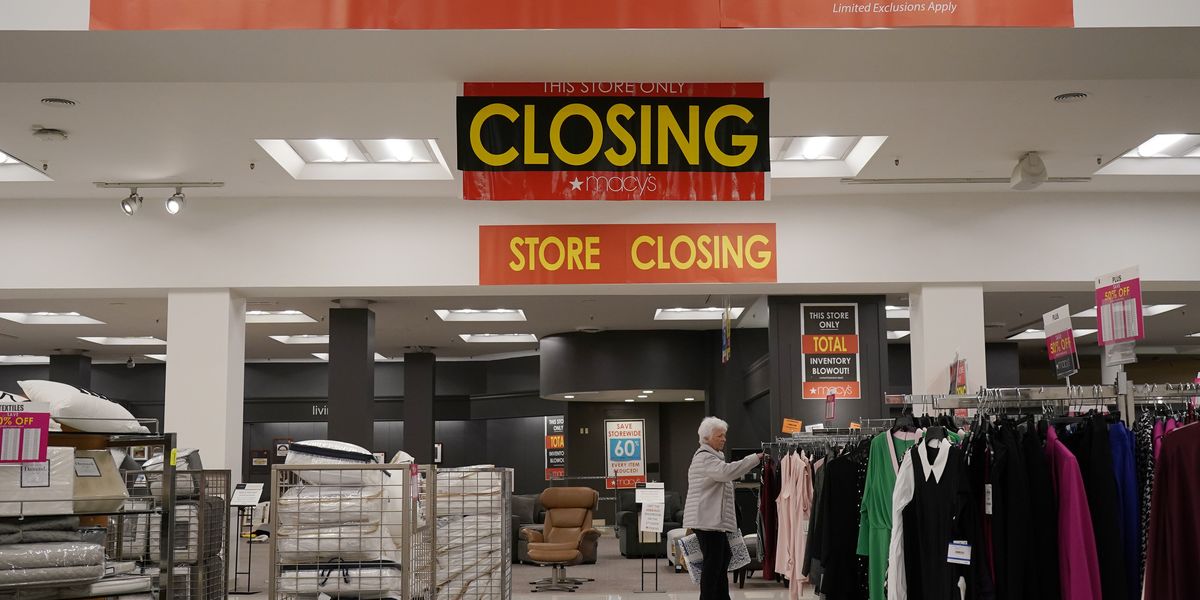
Macy's announced the closure of 150 stores and the layoff of over 2,300 workers, blaming economic pressures from online competition and discount stores. Labor expert Les Leopold criticized the company's prioritization of stock buybacks over investing in its workforce, arguing that this decision led to the layoffs. He called for action to address the issue of mass layoffs and job loss, noting the silence of both political parties on the matter.
Thousands of Uber, Lyft, and DoorDash drivers are planning to walk off the job on Valentine's Day to protest lower pay and unsafe working conditions. The drivers, represented by the Justice For App Workers coalition, are demanding better pay and improved safety measures. The strike will involve turning off apps and holding rallies at airports in 10 cities. While Uber downplayed the potential impact, Lyft recently promised its drivers at least 70% of the money their clients pay, aiming to address long-running criticisms about driver compensation.
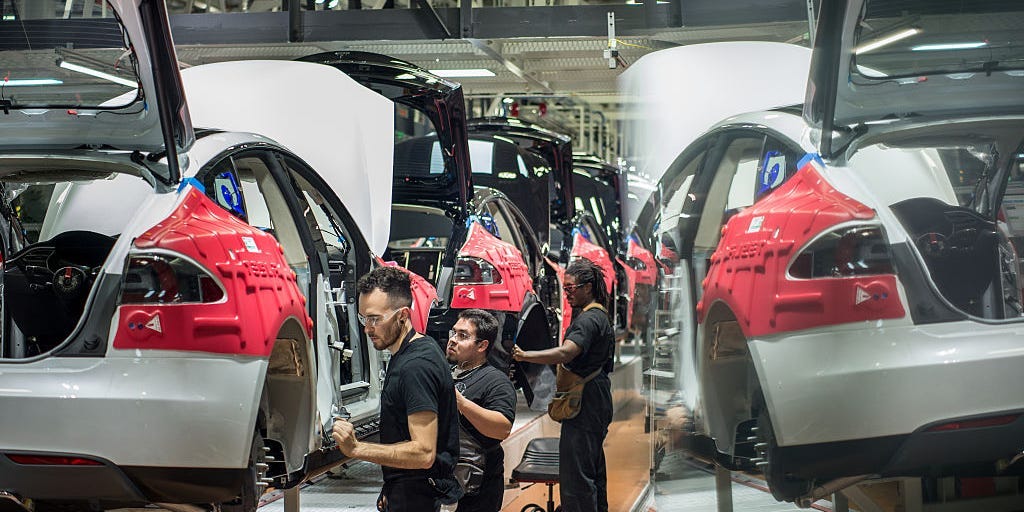
Tesla increased pay for its factory workers across the US, with hourly wages now ranging from $22 to $39 based on location and job level. The company's new pay guidelines, implemented in January, also include a biannual bonus system called Cyber Wallet. Tesla's move follows similar wage hikes by other automakers and comes amid union pressure, with UAW eyeing Tesla's Fremont Factory for organizing efforts. CEO Elon Musk has expressed confidence that a union isn't necessary, while some workers have reservations about joining a union.
The Biden administration has issued a new rule that will require some workers to be treated as employees rather than independent contractors, a move that is expected to increase labor costs for industries relying on contract labor and freelancers. The rule, set to take effect on March 11, aims to crack down on industries where worker misclassification is common, but has drawn criticism from business groups for potentially depriving workers of flexibility and opportunity. Companies like Uber and Lyft have expressed concerns about the rule's impact on their gig labor models, while the U.S. Chamber of Commerce is considering challenging the rule in court.