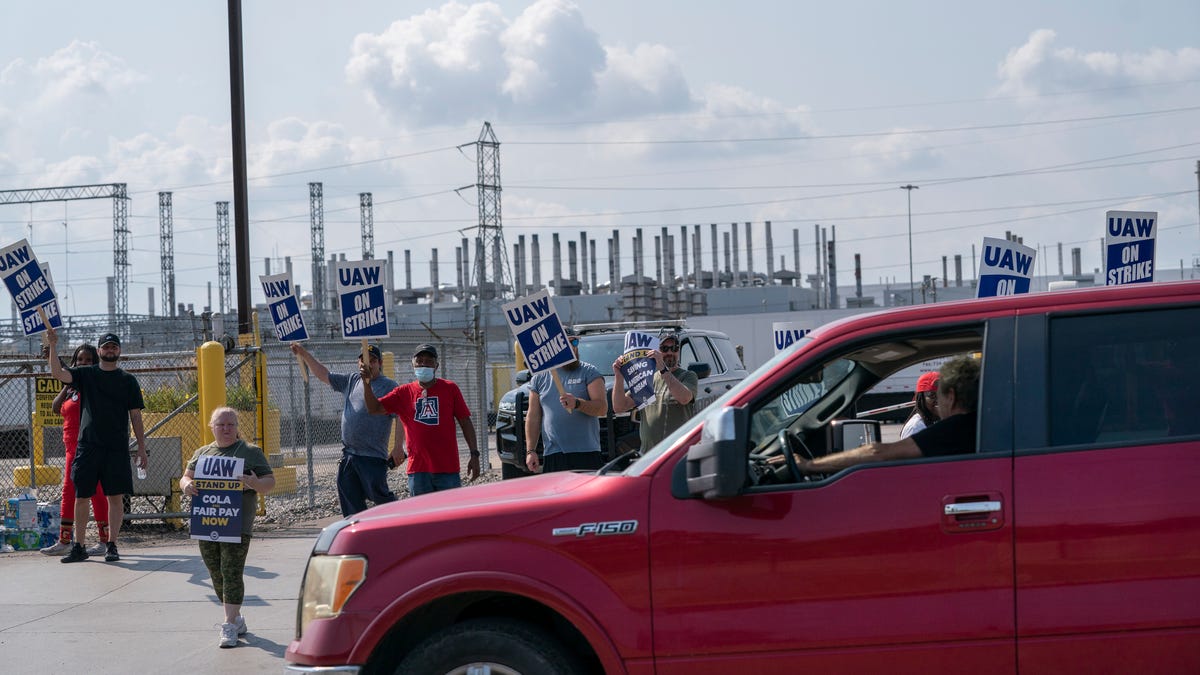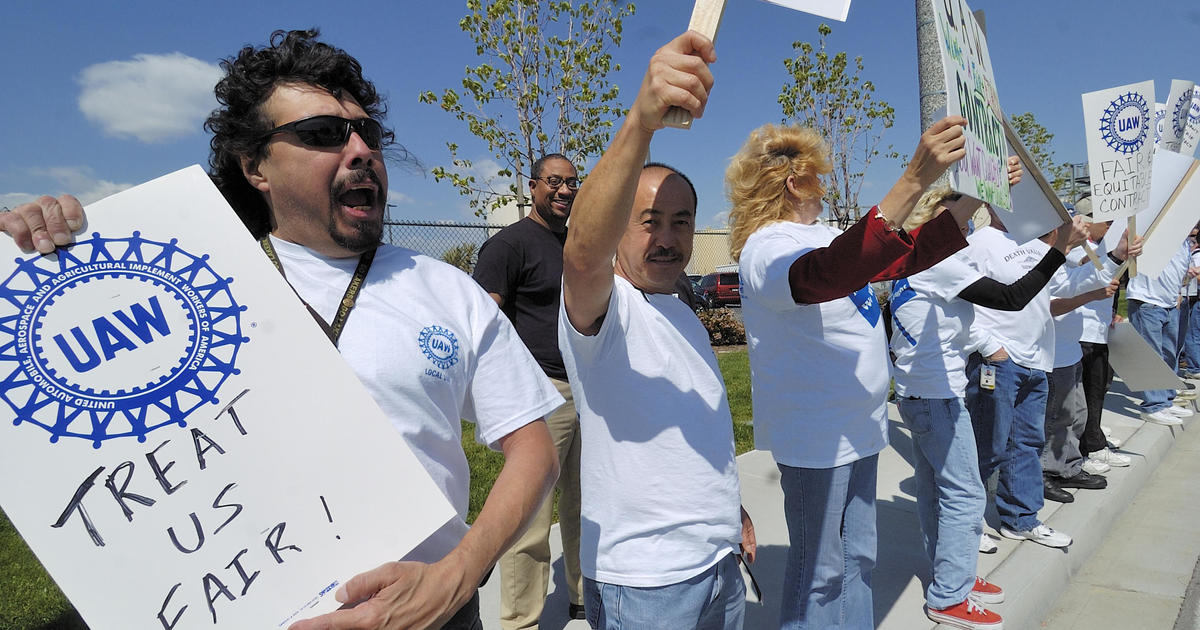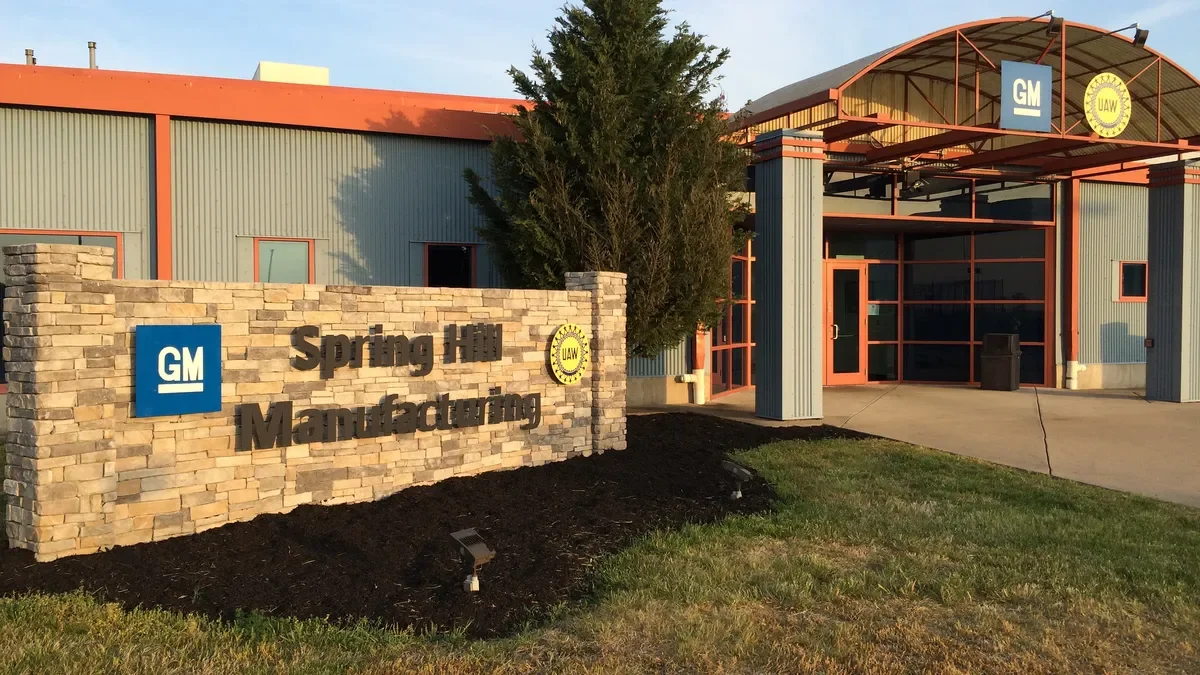
Workers at multiple General Motors plants, including those in Spring Hill, Tennessee, and Lansing/Delta Township, have rejected a tentative contract between the United Auto Workers (UAW) and the automaker. The proposed deal offers wage increases, cost-of-living adjustments, increased retirement contributions, and a pathway to full-time employment for temporary workers. However, some workers feel that the contract does not adequately address their concerns about fair wages and the effects of inflation. The UAW has reached agreements with GM, Ford, and Stellantis after targeted plant strikes, but the ratification results have not been commented on by GM or the UAW.
The United Auto Workers (UAW) has reached tentative agreements with the Big Three automakers, marking a significant shift in labor bargaining. The agreements include substantial wage increases, the elimination of wage tiers, the right to strike over plant closures, and the inclusion of electric vehicle workers in the union's contracts. While not all demands were met, the UAW's contract campaign and the Stand-Up Strike have inspired worker militancy and a renewed focus on class struggle. The agreements also signal a potential shift in the union's role in shaping the economy, with the reopening of a closed auto plant and the expiration of contracts on May 1st, symbolizing the international workers' holiday.
Mortgage rates have dropped significantly after a disappointing jobs report, with only 150,000 jobs created last month, pushing the average 30-year fixed mortgage rate below 7.4%. This relief for the housing market is due to investors anticipating interest rate cuts from the Federal Reserve. However, the low job creation numbers may be partially attributed to the high number of strikes by auto workers, which artificially lowered employment figures. Despite this, experts still see signs of a cooling labor market. The drop in mortgage rates brings hope for prospective homebuyers seeking relief from an unaffordable housing market, but the sustainability of this slowdown remains uncertain.
As the United Auto Workers (UAW) strike against Detroit's automakers enters its fifth week, some analysts and striking workers are questioning whether UAW President Shawn Fain has a clear plan to end the strikes. Fain has made audacious demands for better pay, benefits, and an expansion of the UAW to non-union rivals. While the strikes have resulted in some successes, such as higher pay offers and restored benefits, Fain's high expectations risk disappointing union members if a deal falls short. The companies remain uncertain about Fain's endgame and worry that his demands could jeopardize their ability to invest in the future.
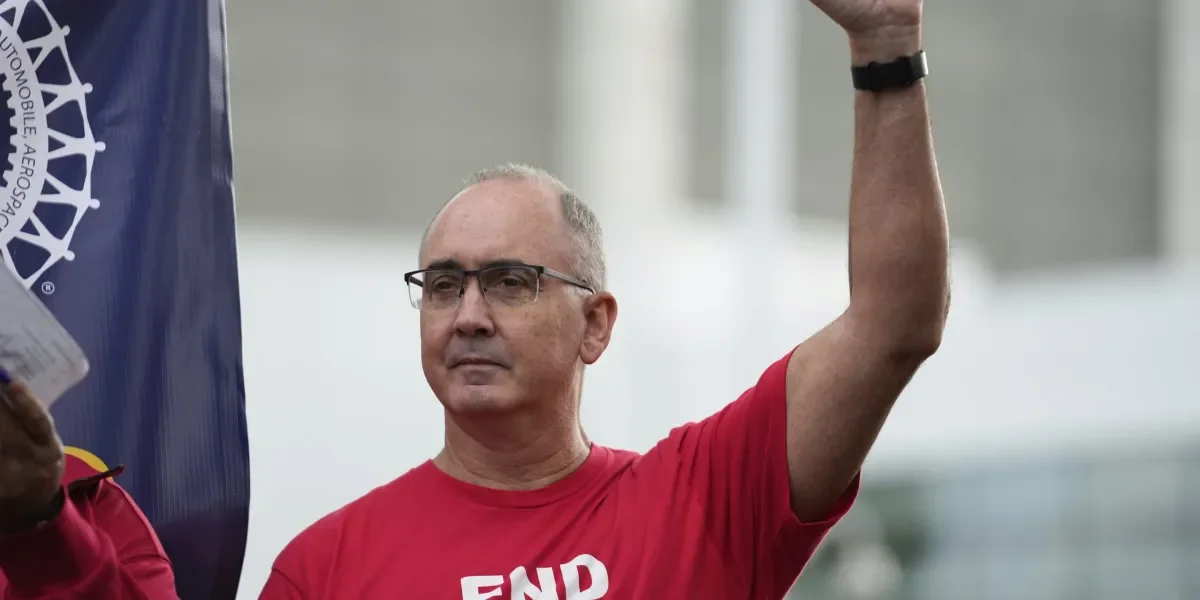
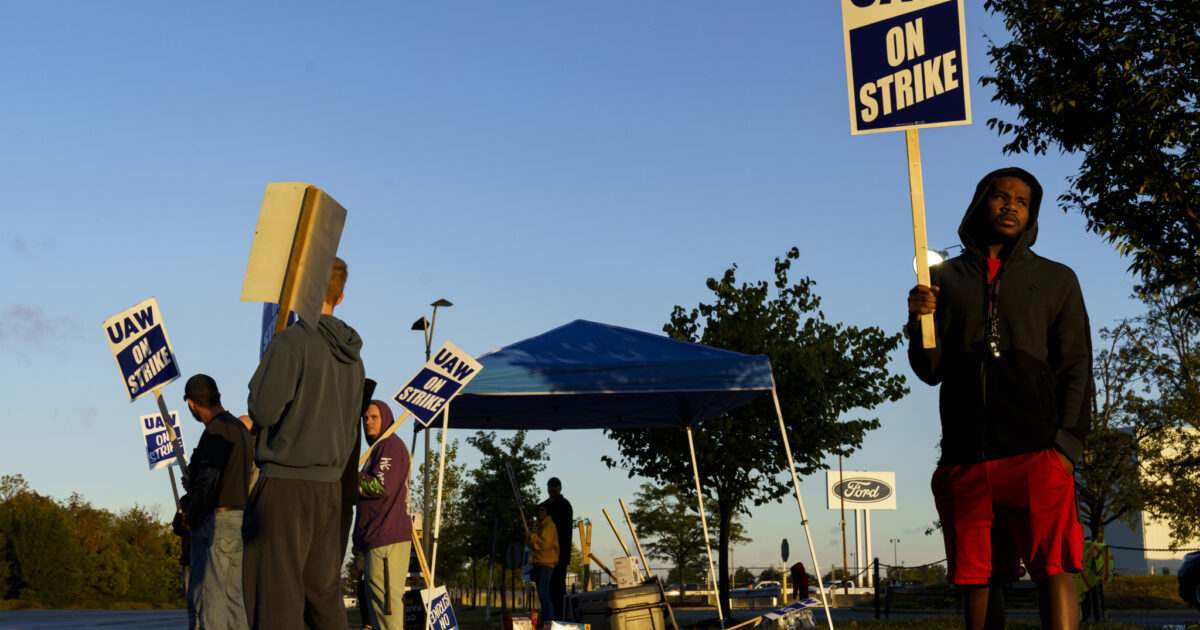
The president of the United Auto Workers, Shawn Fain, urged union members to continue their strike against Detroit automakers, emphasizing the importance of the labor movement in the face of corporate greed. While negotiations continue, no new details were provided. The strike, which began on September 15, has expanded to include additional plants and parts centers. The UAW is seeking pay raises of 36% over four years, while Ford, GM, and Stellantis have offered lower wage hikes. Fain was joined by other labor leaders at a rally in Chicago, including the mayor and representatives from various unions.
President Joe Biden's visit to striking auto workers in Michigan, where he sided with the workers against their corporate bosses, reflects the importance of blue-collar workers and swing states like Michigan and Wisconsin in the 2024 general election. Biden's break with establishment norms and support for the striking workers is aimed at maintaining his support among union voters, who played a crucial role in his 2020 win. However, there are risks involved, as the outcome of the strike could either bolster Biden's image or make him appear insincere. With the 2024 election approaching, Biden's support for the workers could have implications for his reelection campaign.
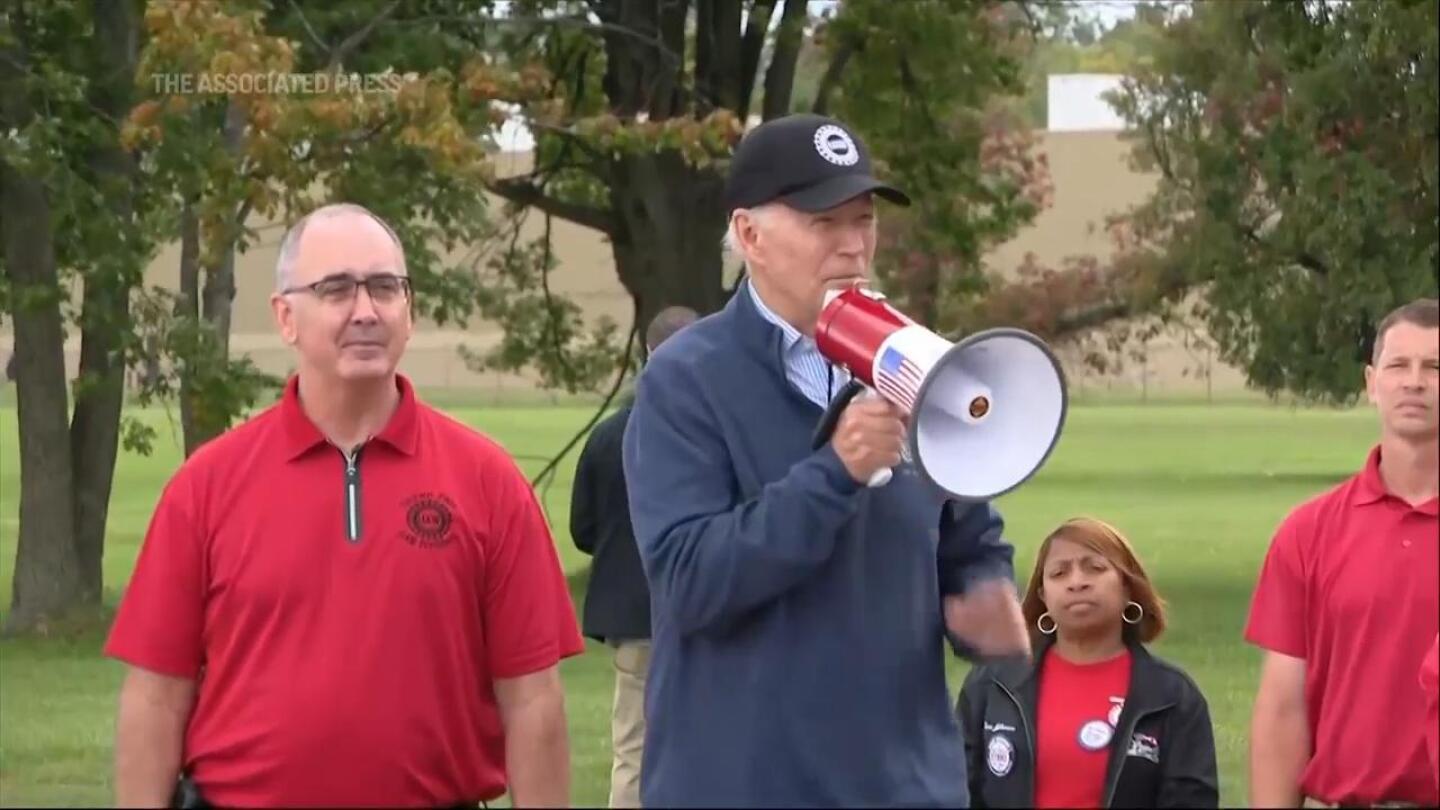
President Joe Biden visited a picket line in Michigan to show support for striking auto workers, becoming the first modern president to do so. Biden encouraged the workers to continue fighting for better wages, expressing his belief that they deserve a significant raise. Former President Donald Trump criticized Biden's visit as a PR stunt. Biden's visit highlights his pro-union stance and support for worker organizing efforts. The UAW strike, now in its 12th day, remains a challenge for the Biden administration as it addresses concerns about the transition to electric vehicles.
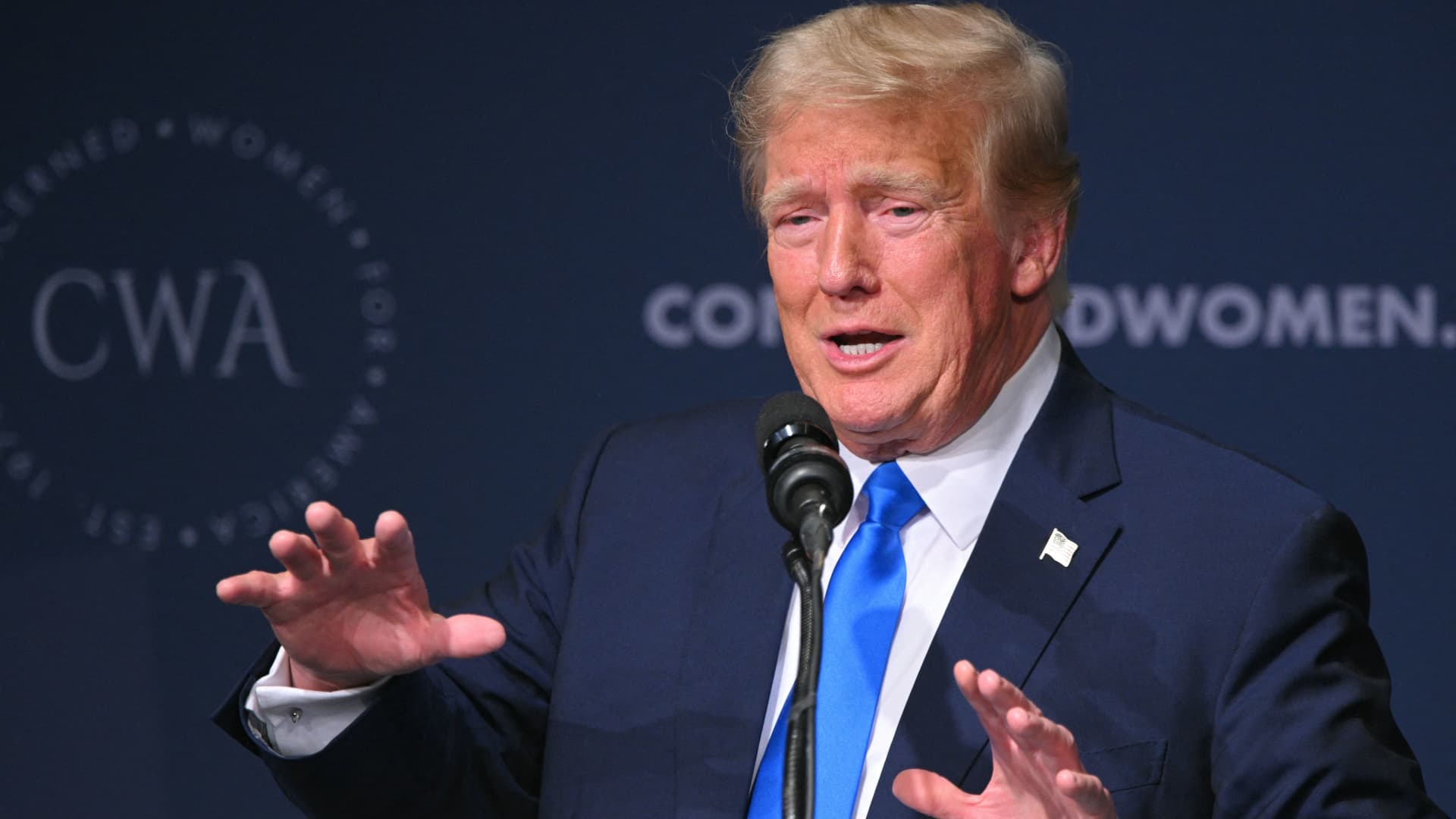
Former President Donald Trump is targeting electric vehicles (EVs) as his latest villain, claiming that they threaten blue-collar livelihoods and are part of a "ridiculous all-electric car hoax" pushed by President Biden. Trump's attack on EVs is a tactic to conflate a real issue, such as auto workers' quest for better pay and job security, with a phony one. While EVs have become increasingly affordable and environmentally friendly, Trump's propaganda aims to politicize them and undermine Biden's push for cleaner transportation.
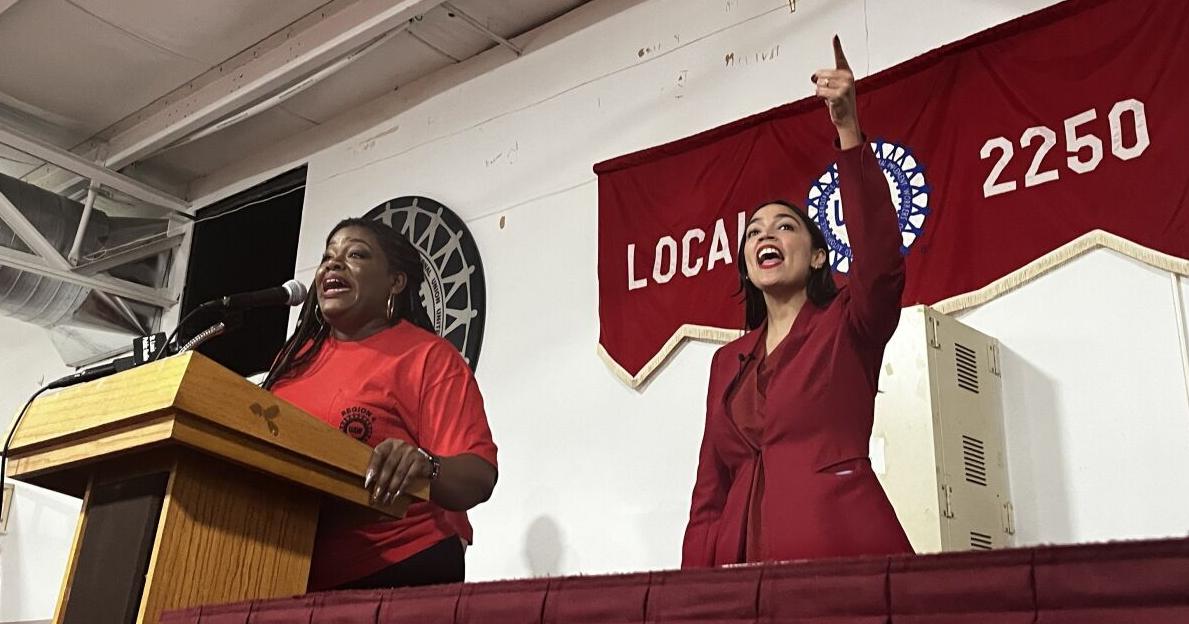
Democratic congresswomen Cori Bush and Alexandria Ocasio-Cortez showed their support for United Auto Workers (UAW) at a rally in Wentzville, Missouri. The UAW strike, which began on September 15, aims to pressure GM, Ford, and Stellantis to improve pay and benefits. Bush and Ocasio-Cortez addressed around 400 UAW members and supporters, emphasizing the need for fair wages and criticizing the wealth disparity between executives and workers. The UAW has expanded its strikes against GM and Stellantis, while negotiations with the Big Three automakers continue. Other political leaders, including President Joe Biden and former President Donald Trump, are expected to meet with workers in Michigan this week.
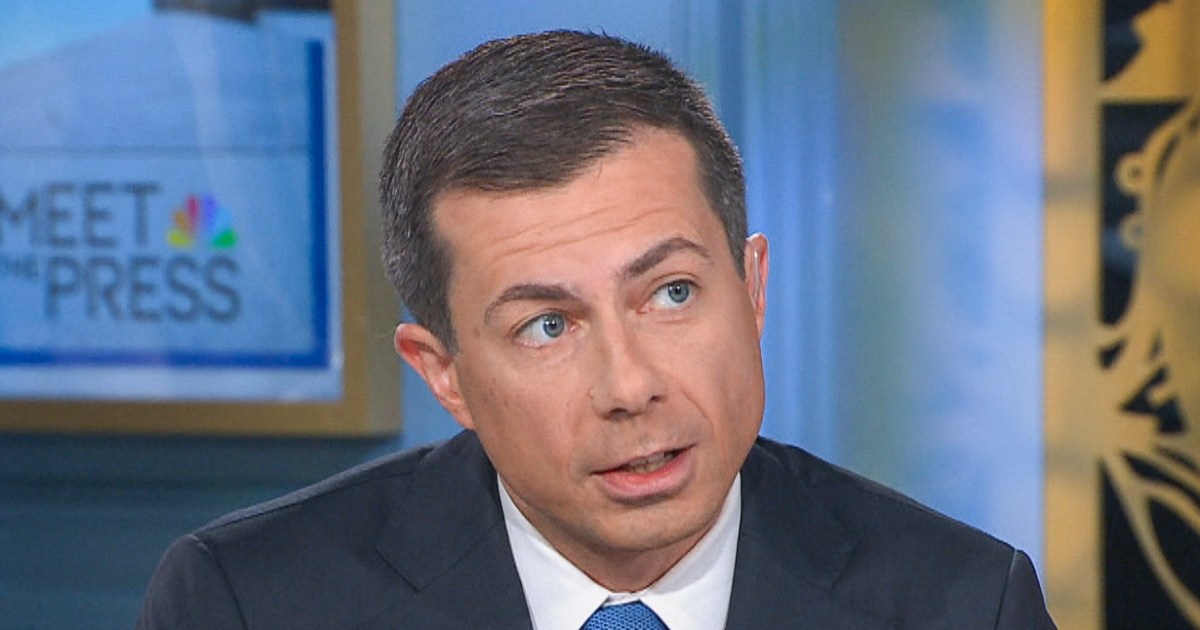
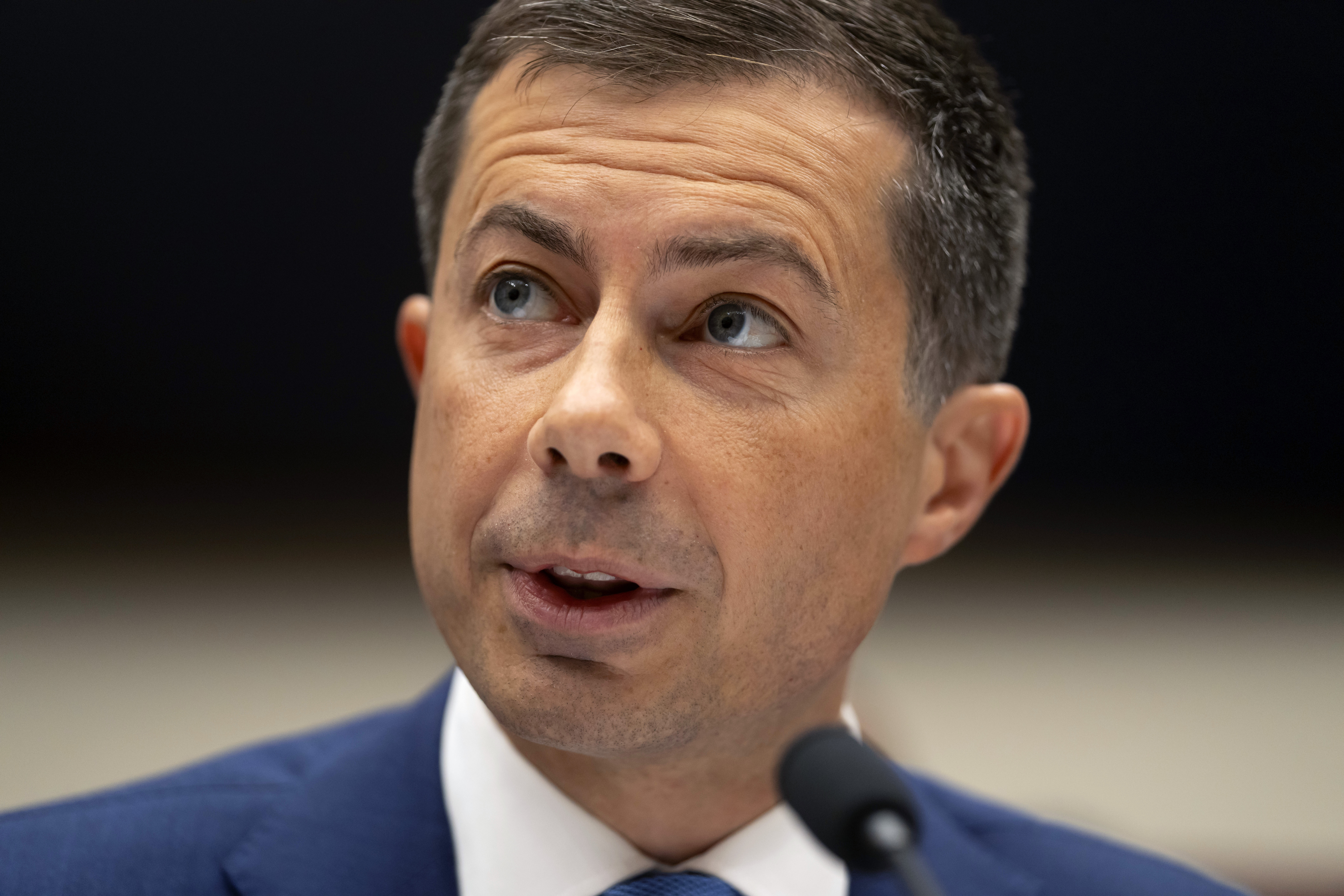
Transportation Secretary Pete Buttigieg stated that President Joe Biden's decision to join the picket line with auto union workers is because he is "deeply pro-worker" and not an attempt to outshine former President Donald Trump. Buttigieg described Biden as the most pro-worker, pro-union president in history. The White House announced that Biden would meet with striking United Auto Workers union members in Michigan on Tuesday to show solidarity. Buttigieg emphasized that the administration wants a win-win deal that benefits workers and supports the success of the auto sector. Rep. Alexandria Ocasio-Cortez praised Biden's decision as a historic event.
Transportation Secretary Pete Buttigieg defended President Joe Biden's decision to join the picket line of auto workers in Michigan, stating that Biden has always stood with American workers and is the most pro-union president compared to any modern president. Buttigieg's comments came in response to claims that Biden's visit was only prompted by former President Donald Trump's planned visit to the state. Rep. Alexandria Ocasio-Cortez also praised Biden's visit, calling it a historic event and stating that he needs to earn the endorsement of the UAW.
United Auto Workers (UAW) members expanded their strike against the Detroit Three automakers, with workers walking out of 38 GM and Stellantis distribution facilities across the US. The strike now includes an additional 5,625 workers across 20 states, adding to the nearly 13,000 already on strike. The distribution centers, which supply parts for repairs, have been described as "underrepresented" and "left behind" by UAW President Shawn Fain. Striking workers are demanding economic justice, fair wages, and job security, highlighting the disparity between their wages and the high salaries of company executives.
Democrats close to the White House are concerned that former President Donald Trump is outmaneuvering President Joe Biden on the auto workers' strike, as Trump plans to visit Detroit next week. Some Democrats worry that Trump's visit is a sign of a more sophisticated campaign strategy and that Biden's team needs to step up their game. Biden's team has considered sending a top lieutenant to the picket line to stand alongside the UAW workers, but there is still internal debate on how to handle the strike. The White House has been trying to avoid a prolonged strike while expressing support for the workers' demands, but there is growing dissatisfaction among Democrats and union officials over their approach. Trump's visit has caught Democrats off guard, and they fear it may overshadow their own response to the strike.
The United Auto Workers (UAW) is on strike against Ford, General Motors, and Stellantis, demanding a 36% pay increase over a four-year contract, the reinstatement of cost of living adjustments, an end to wage tiers, defined benefit pension plans for all workers, a four-day workweek, the right to strike over plant closings, and limitations on the use of temporary workers. The UAW also wants to represent workers at electric vehicle battery factories and secure retiree healthcare for all members. The automakers have made offers, but the sides remain far apart on several key issues.
Former President Donald Trump plans to visit Detroit next week to give a speech to current and former union members, including auto workers, plumbers, pipe-fitters, and electricians, instead of attending the second Republican primary debate. Trump's decision comes as thousands of United Auto Workers members recently went on strike at three major plants after failed negotiations with Detroit carmakers.