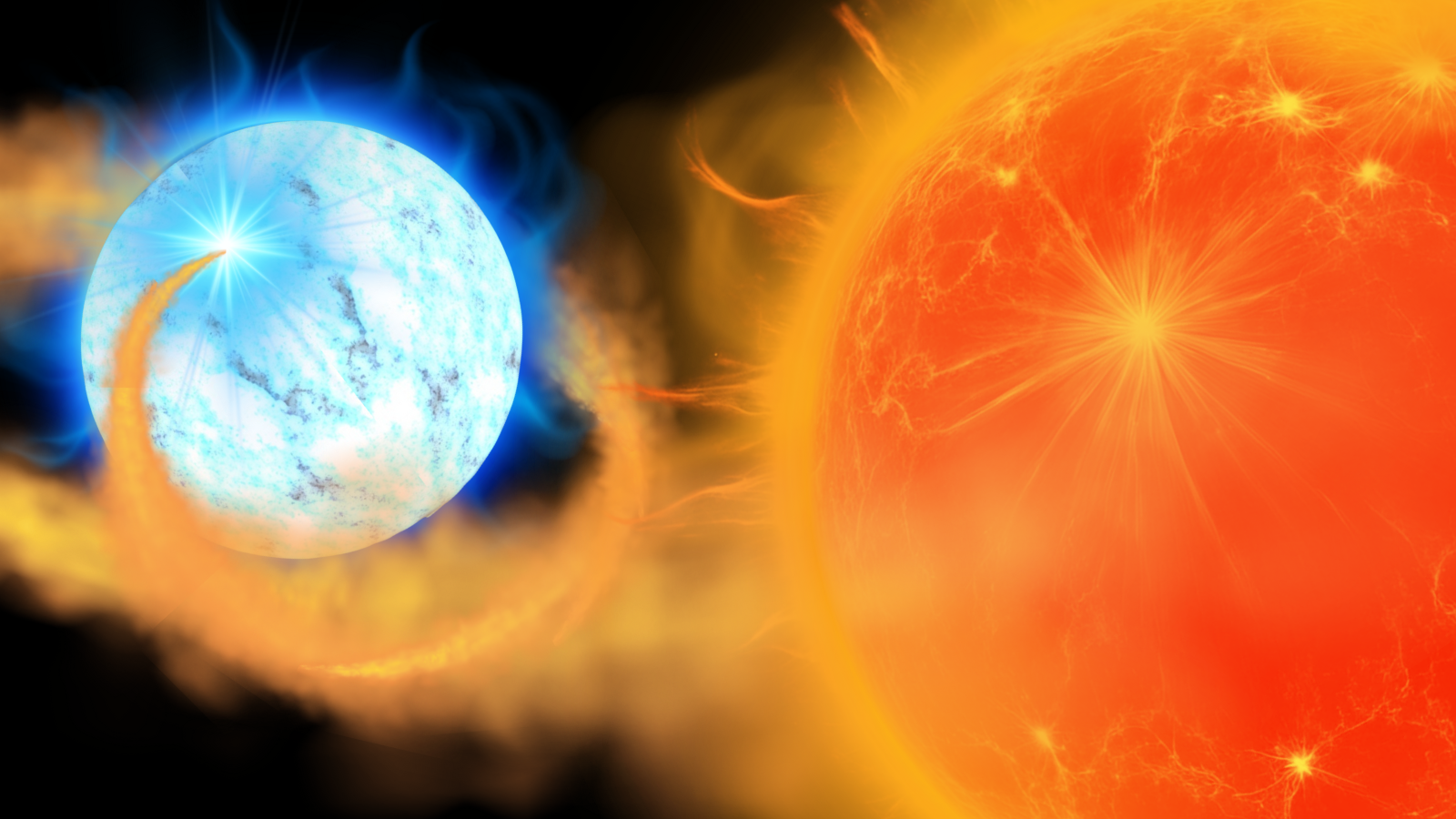
Astronomers have discovered that the star system V Sagittae contains a white dwarf star that is overfeeding on its companion, leading to an imminent supernova explosion that could be so bright it would be visible during the day from Earth.
Astronomers using the Hubble Space Telescope observed interstellar object 3I/ATLAS, revealing its comet-like activity and estimating its size and mass loss rate, providing valuable insights into objects from outside our Solar System as it approaches the Sun.
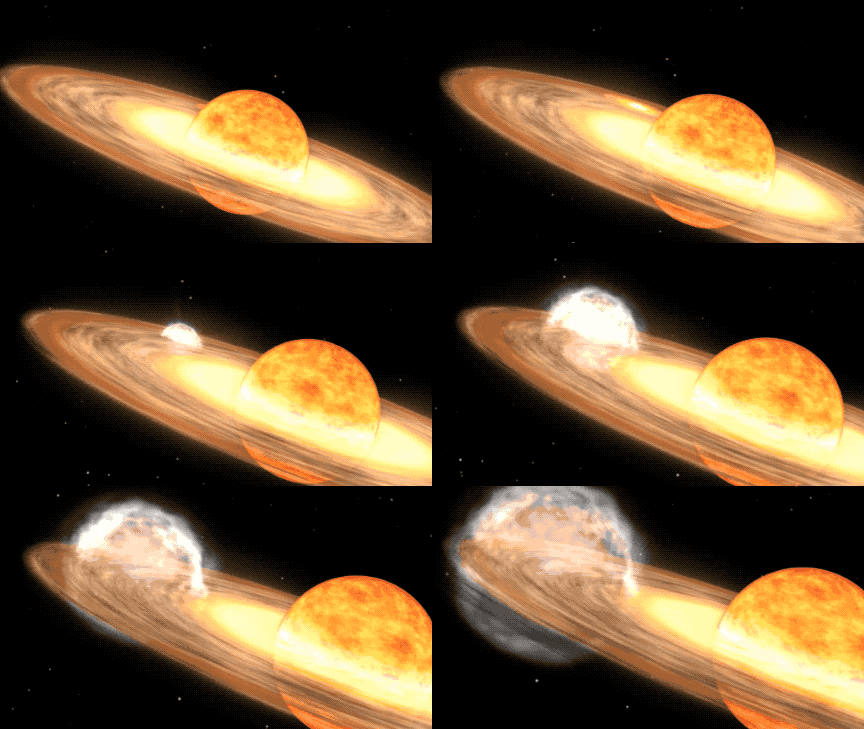
A rare nova outburst from the T Coronae Borealis star system, expected to occur between February and September 2024, will offer a once-in-a-lifetime skywatching opportunity as it becomes visible in the constellation Corona Borealis. This event, occurring approximately every 80 years, will appear as a bright "new" star in the night sky, reaching a magnitude comparable to the North Star. The outburst is triggered by a white dwarf siphoning material from its red giant companion, leading to a brief flash of nuclear fusion. This binary star system, located 3,000 light-years away, is one of only five recurrent novae observed within the Milky Way galaxy.

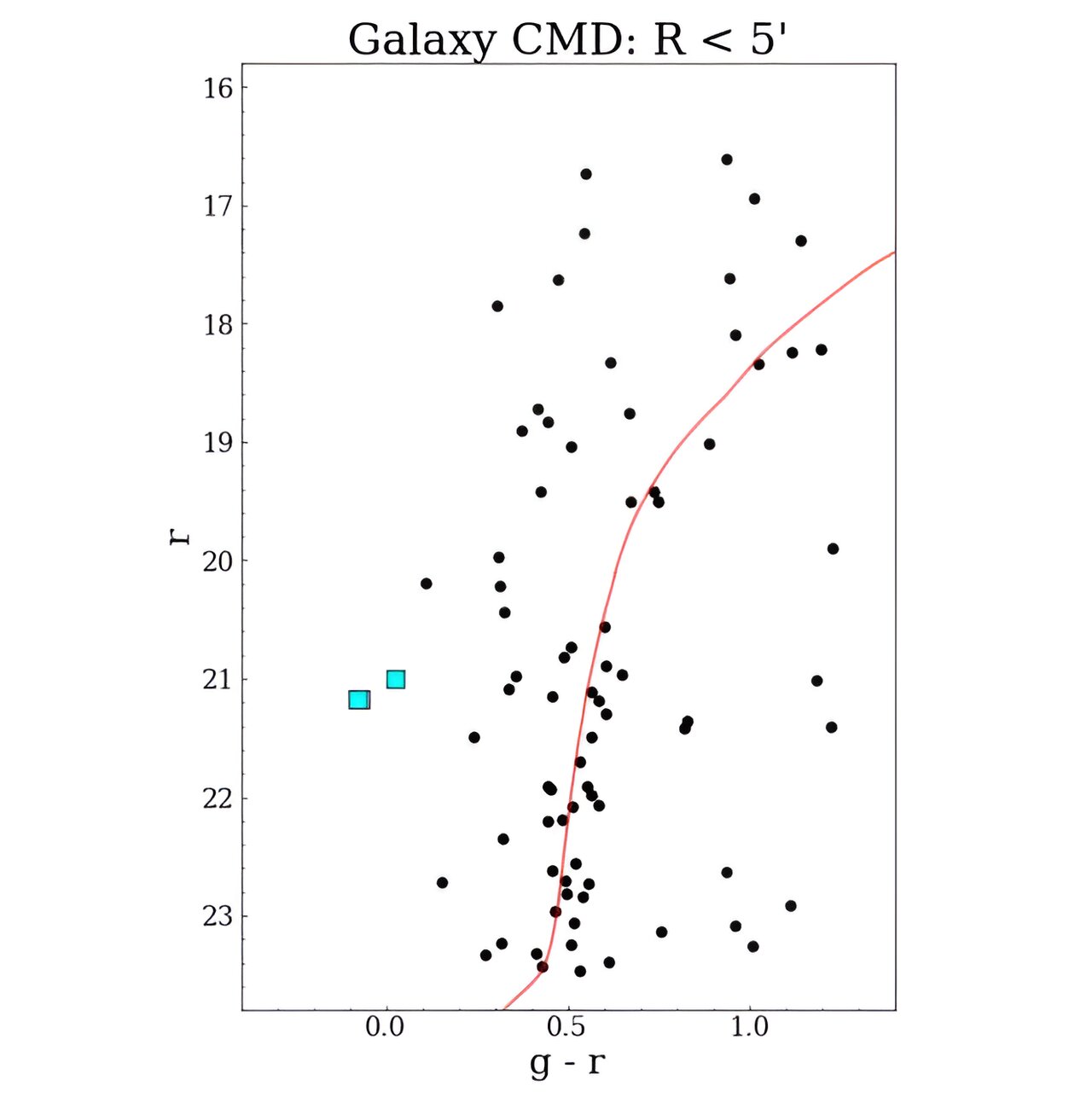
Astronomers using the Kilo-Degree Survey (KiDS) have discovered a new stellar system called Sextans II, located in the outskirts of the Milky Way. This system is most likely an ultra-faint dwarf galaxy and was identified through the detection of low-luminosity stellar overdensities. Follow-up observations confirmed its nature, revealing a small system with old and metal-poor stars. Further investigation is needed to determine if Sextans II is a faint spheroidal satellite of the Milky Way or a disrupting globular cluster.