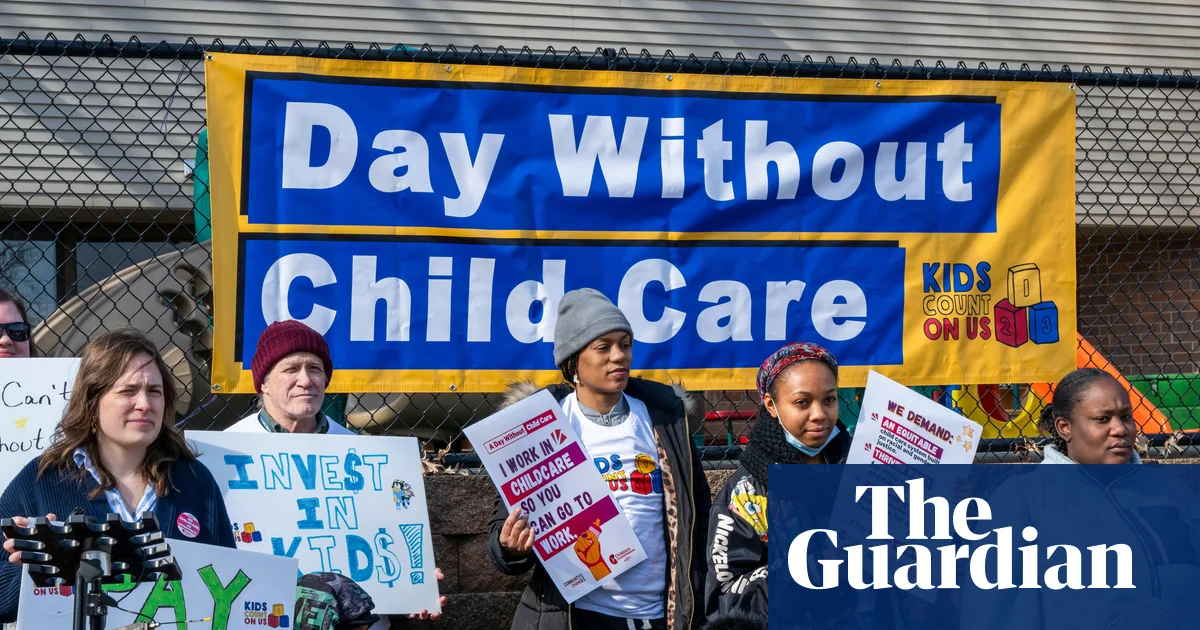
The Department of Health and Human Services has frozen all childcare payments to U.S. states, requiring detailed documentation to ensure funds are used legitimately, amid claims of fraud linked to daycare centers operated by Somali Americans, which has been criticized as part of broader xenophobic attacks by the Trump administration.
A contentious dispute over the Venice Dell affordable housing project in Los Angeles involves city officials, developers, and state authorities, with the state threatening to cut funding and strip zoning powers if the city continues to block the project, which has faced nearly a decade of opposition and legal battles.
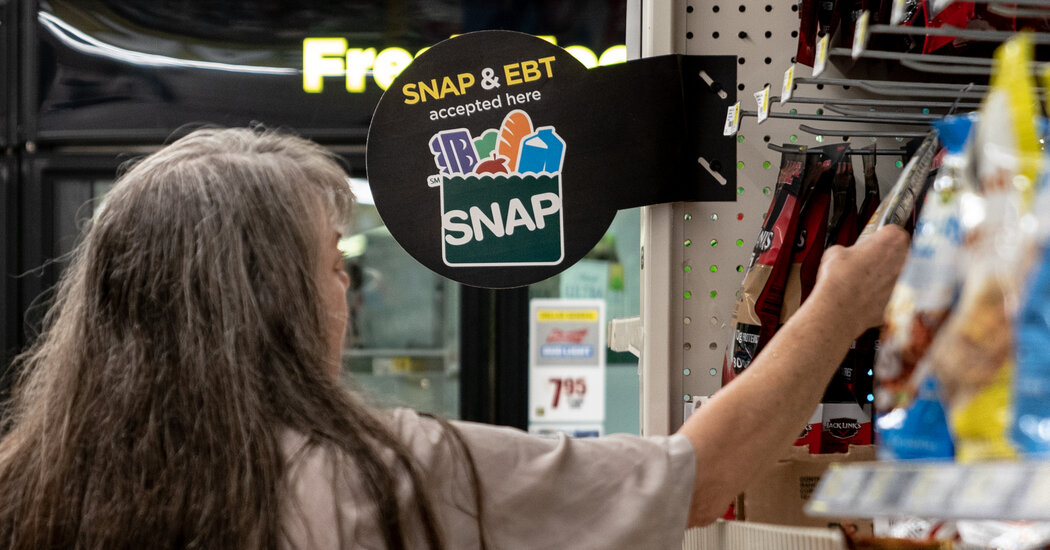
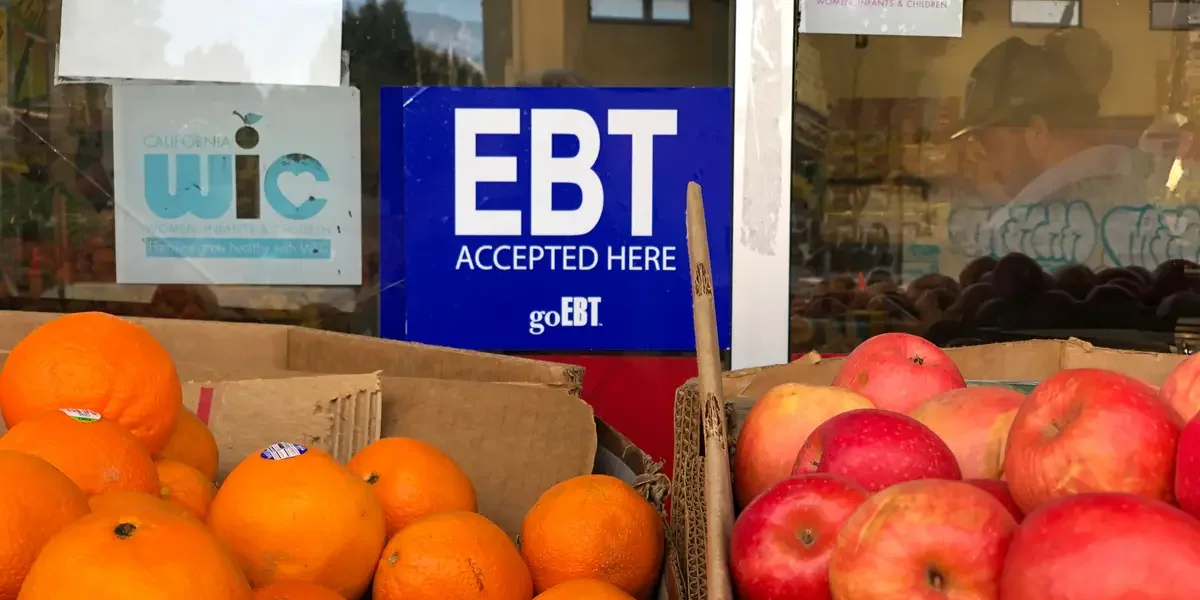
At least 25 states plan to cut off SNAP food aid benefits in November due to the ongoing government shutdown, which has halted federal funding and created a crisis for low-income families just before the holiday season, with states scrambling to cover costs and delays expected even if the government reopens soon.
Several states may be unable to distribute November SNAP benefits due to the ongoing government shutdown, potentially leading to smaller or delayed food assistance for 42 million Americans relying on the program, with some states warning benefits won't be paid if the shutdown continues.
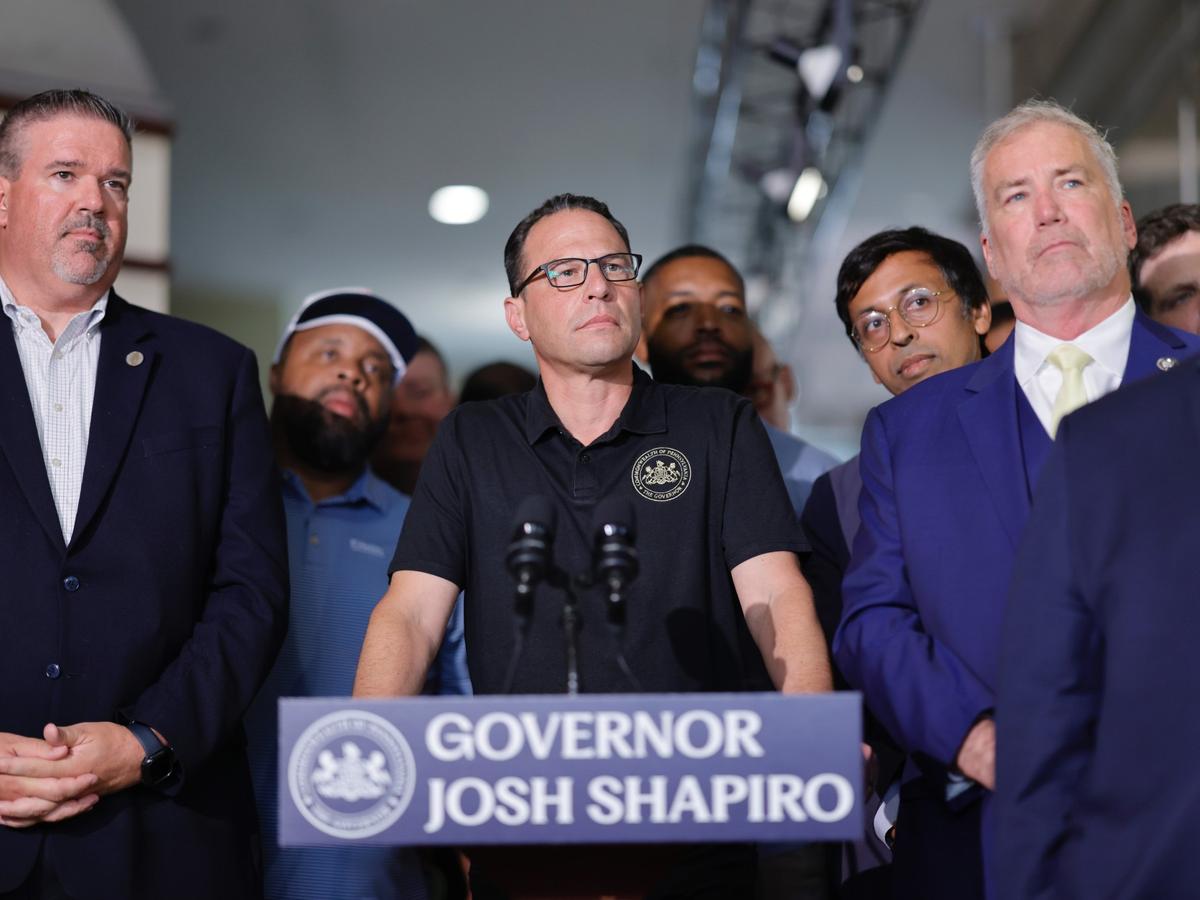
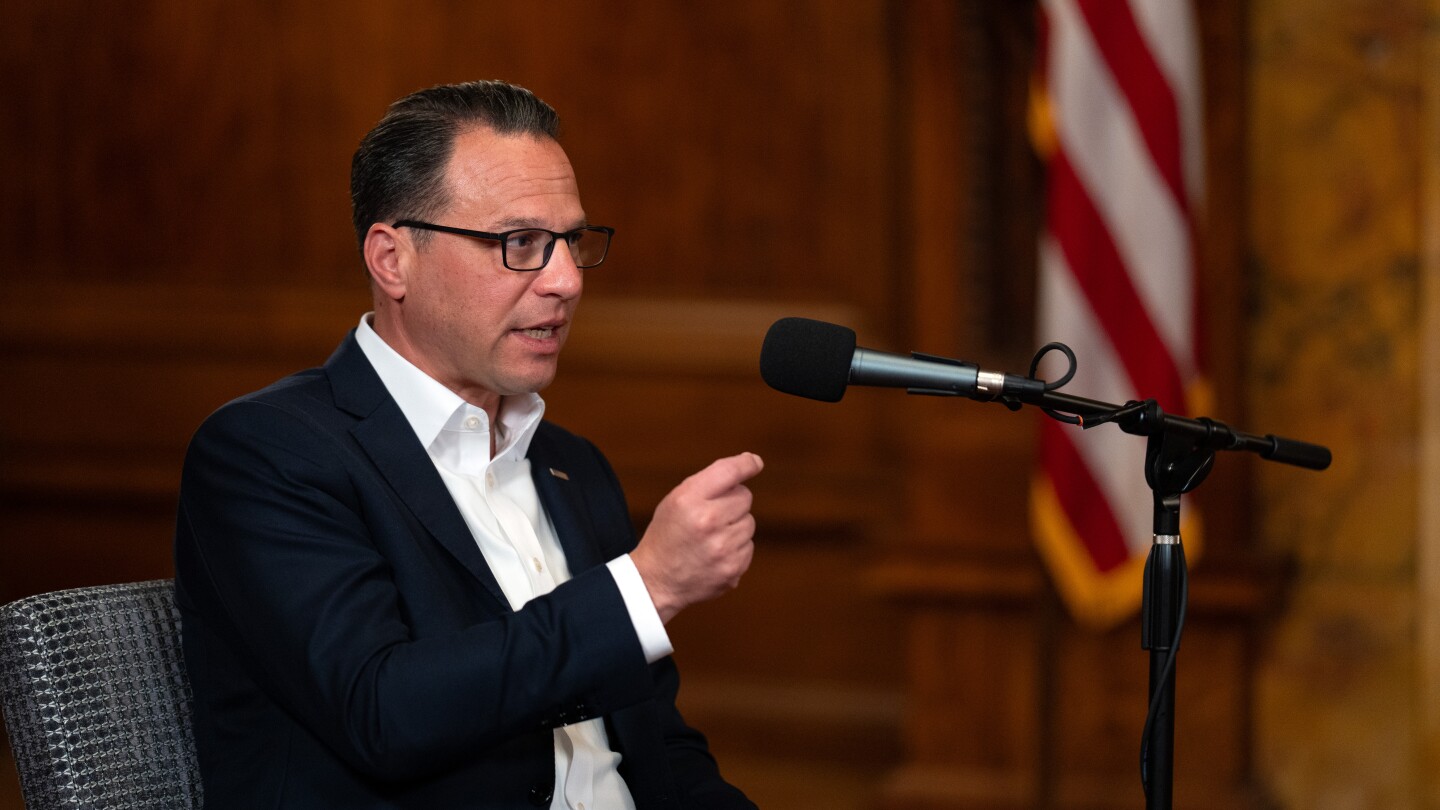
Pennsylvania's Governor Josh Shapiro has proposed a $49.9 billion budget to break a two-month deadlock with state lawmakers, focusing on increased spending and new revenue sources like sin taxes, amid ongoing disagreements over spending priorities, transit funding, and revenue strategies, with negotiations continuing to seek a comprehensive agreement.
Colorado is the first blue state to address a significant budget shortfall through a combination of tax increases, selling tax credits, reallocating funds, and proposing mid-year budget cuts, with political debates over fiscal management and the impact of federal funding.
The U.S. Education Department is releasing over $5 billion in previously frozen federal education grants to states, including $2.2 billion for teacher professional development, after delays caused by the Trump administration. The funds, which support various programs like migrant education and English language services, are being released following bipartisan pressure and legal actions, with the goal of alleviating financial strain on school districts.
New York State and NYC face significant financial challenges due to the Republican tax and spending bill signed by Trump, which reduces federal aid for Medicaid and food assistance, potentially leading to budget shortfalls and increased pressure on local and state governments to manage social programs and funding. While some officials consider managing existing resources, others call for tax increases to offset the losses, amid concerns about the impact on vulnerable populations and city services.
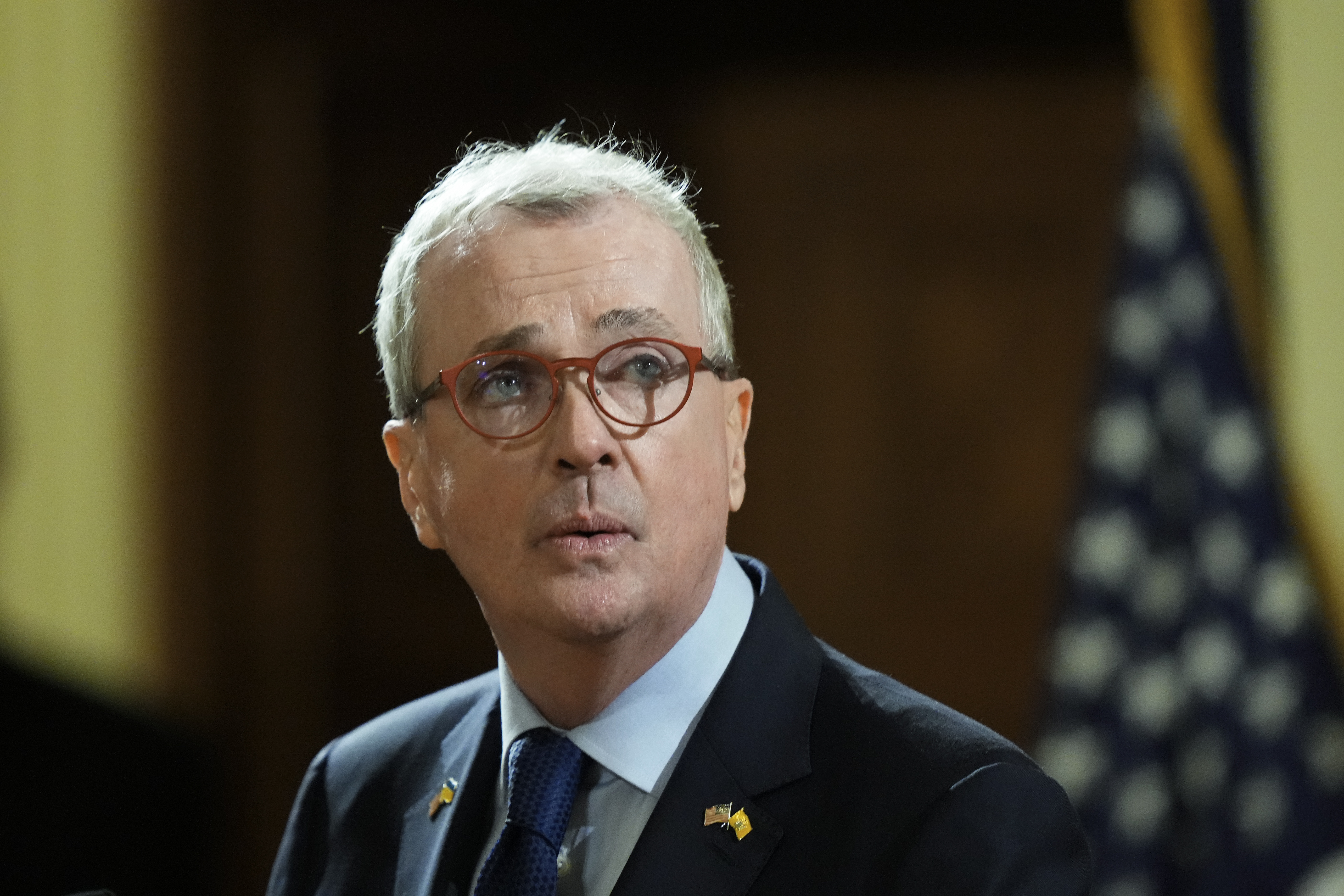
Governor Phil Murphy signed a $58.8 billion budget for New Jersey, facing internal criticism from his own administration and allies over spending priorities, including healthcare, nursing homes, and opioid settlement funds. Despite praise for funding public services and pension contributions, Murphy's final budget also introduces political risks with last-minute additions and internal disagreements, highlighting the challenges of governance in a politically divided environment.
Senate Republicans are advancing a plan to cut food assistance for the poor by shifting costs to states, as part of a broader tax cut package, despite concerns about its impact on low-income Americans and procedural hurdles.
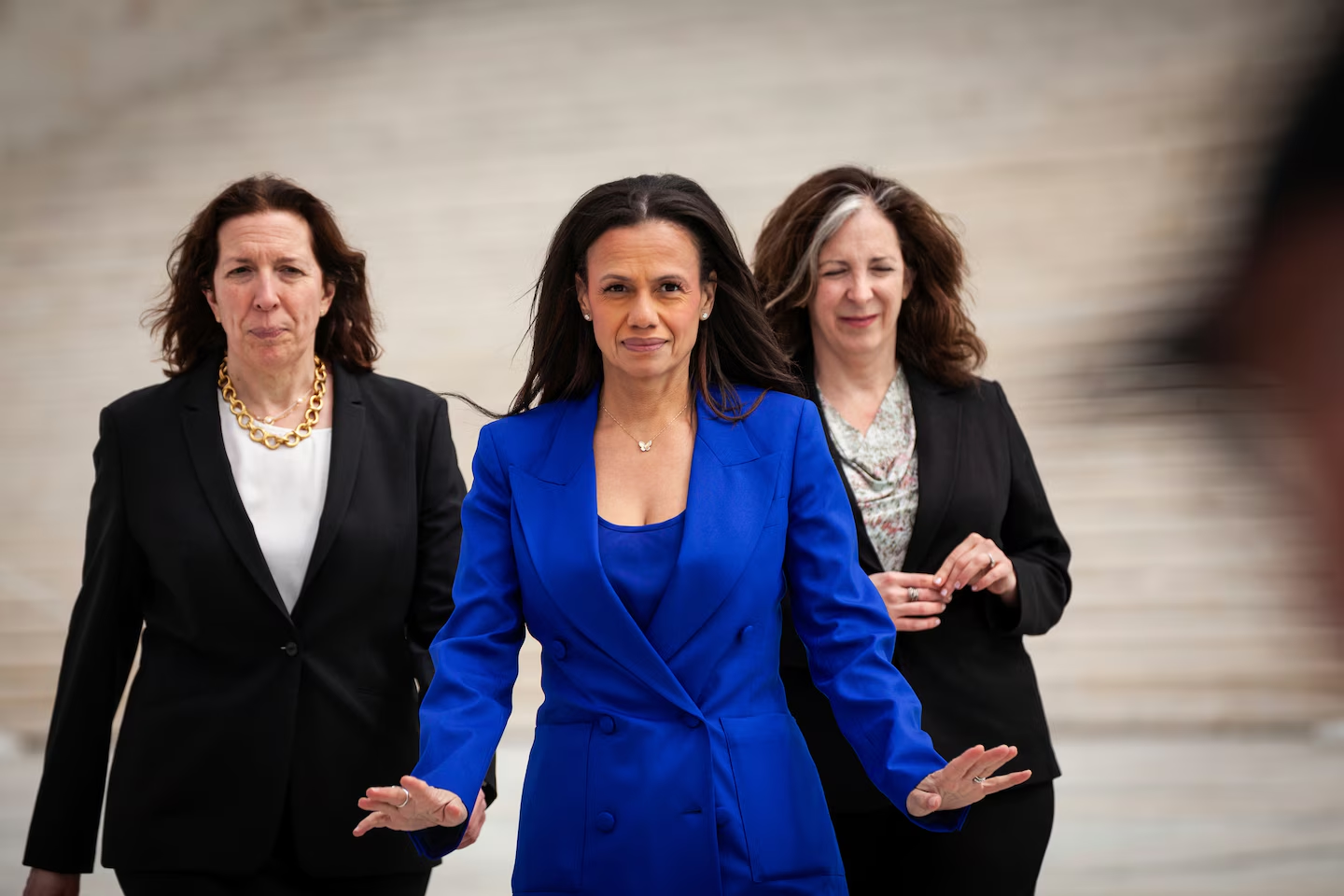
The Supreme Court ruled 6-3 against Planned Parenthood, allowing South Carolina to cut Medicaid funding due to its abortion services, which impacts patients' ability to access non-abortion healthcare through Medicaid in the state, raising questions about patients' rights to choose providers under federal law.
The Supreme Court ruled 6-3 that states can cut Medicaid funding to Planned Parenthood, a decision that could impact access to healthcare services for many Medicaid patients, especially in states with restrictive abortion laws. The case originated from South Carolina's efforts to block funding, citing ideological reasons, and raises concerns about patients' rights to choose their healthcare providers.
The article clarifies that Pennsylvania Governor Josh Shapiro did not explicitly say that state money for stadium projects is unavailable, contrary to initial reports. A misinterpretation of his comments led to erroneous headlines, but the full transcript shows he emphasized caution with state funds amid federal budget concerns, without ruling out the possibility of state support for stadiums.
Texas has increased its film incentive program to $150 million annually, aiming to attract more film and TV productions to compete with states like New Mexico and Georgia, and to promote local stories and industry growth.
Pennsylvania Governor Josh Shapiro announced that the state will not provide funding for sports stadiums or renovations, citing budget concerns and prioritizing investments in areas that directly benefit residents, while still supporting the teams' needs for quality venues that generate revenue.