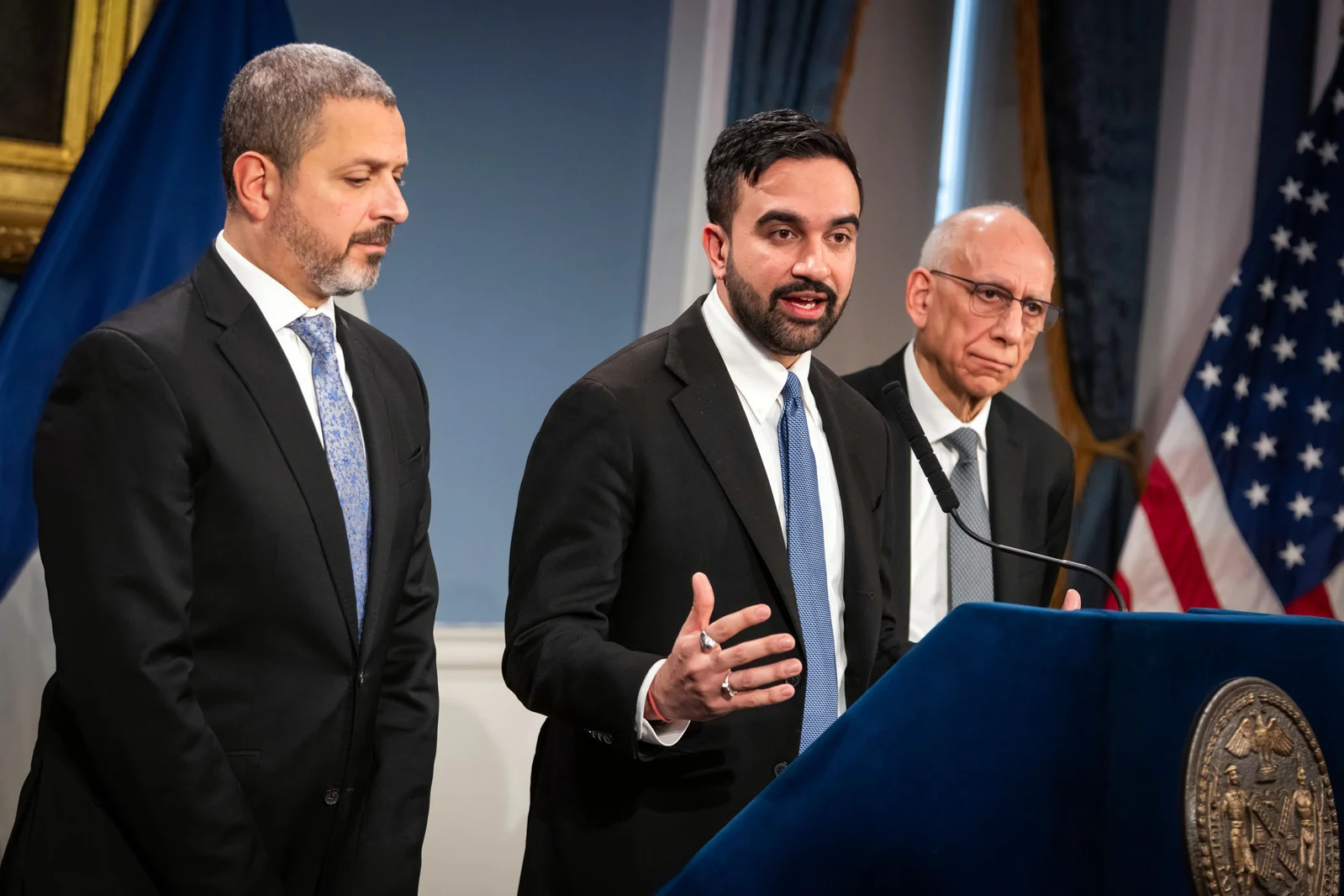
The article criticizes Mayor-elect Mamdani's socialist rhetoric and highlights New York City's strict financial laws, like the 1975 Financial Emergency Act, which prevent the city from implementing radical socialist policies. It emphasizes the city's existing fiscal challenges, high taxes, and legal safeguards that limit Mamdani's ability to drastically alter the city's financial landscape, warning of potential budget crises and economic consequences.
New York State and NYC face significant financial challenges due to the Republican tax and spending bill signed by Trump, which reduces federal aid for Medicaid and food assistance, potentially leading to budget shortfalls and increased pressure on local and state governments to manage social programs and funding. While some officials consider managing existing resources, others call for tax increases to offset the losses, amid concerns about the impact on vulnerable populations and city services.
The New York City Council is set to finalize a $107 billion budget deal that restores high-profile cuts, adds new initiatives, and is slightly bigger than last year's budget. Fiscal watchdogs express concern about overcommitment and suggest saving the extra funds in the Rainy Day Fund. The budget includes funding for one year for many new programs. The deal does not include $17 million for supportive services in city jails. The city faces challenges ahead, including renegotiating contracts with organized labor and addressing the $4.3 billion cost of the migrant crisis.
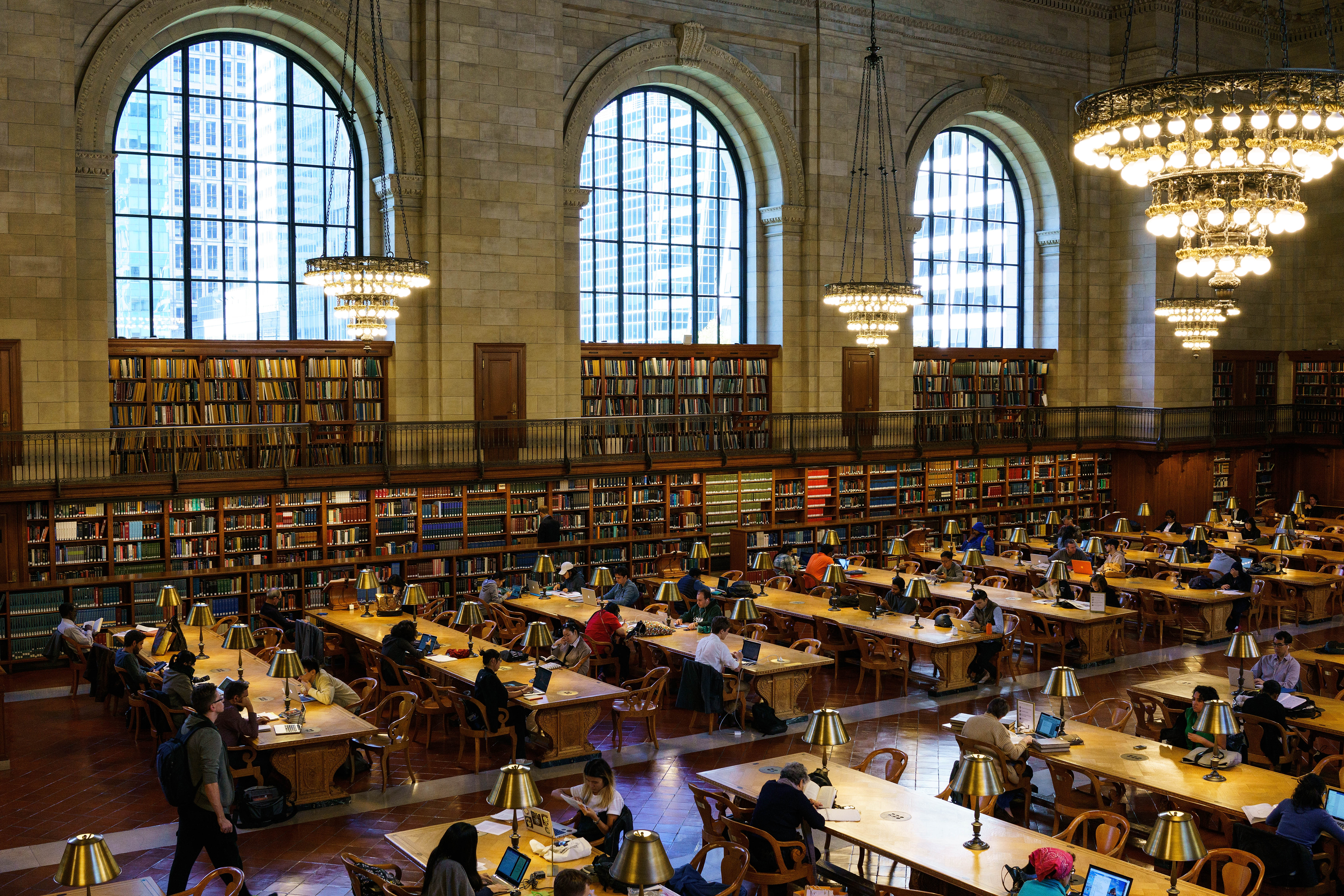
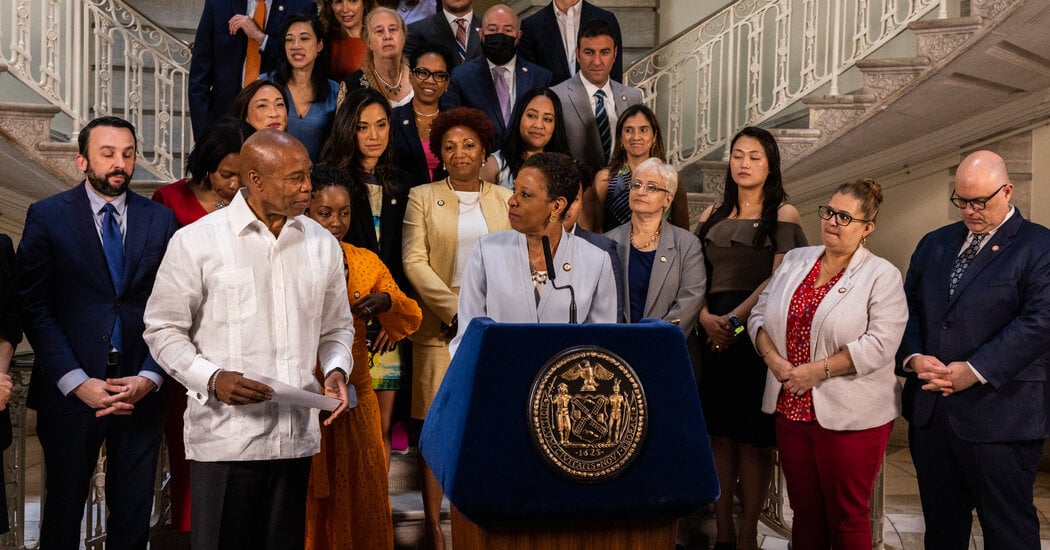
New York City Mayor Eric Adams and the City Council have reached a $107 billion budget deal that restores funding for key services while making cuts in other areas. Libraries, which were initially facing cuts, have been spared, but programs at Rikers Island, the city's main jail, have suffered. The budget negotiations were challenging, with City Council members pushing for reversals of cuts to libraries, schools, and education services at Rikers Island. While some Council priorities were restored, budget watchdogs warn that the city still faces significant financial challenges in the coming years.
New York City Mayor Eric Adams and City Council Speaker Adrienne Adams announced a $107 billion operating budget for fiscal year 2024, reaching a deal just before the July 1 deadline. The budget includes cuts to city agencies, but funding was restored for meal programs serving seniors and some City University of New York programs. The budget also includes new funding for legal service providers and renews funding for PromiseNYC, a child care subsidy program for undocumented families. The capital budget includes $4 billion for housing, but it won't be recurring. The negotiations were challenging, and some cuts remained in the final budget deal. The Department of Homeless Services and the Department of Correction are among the agencies facing reductions. The budget exceeds last year's adopted budget by $6 billion, making it the largest in city history.
New York City's new $107 billion budget deal includes $4 billion in funding for affordable housing in the next fiscal year, fulfilling a promise made by Mayor Eric Adams two years ago. The budget agreement, announced by Mayor Adams and Council Speaker Adrienne Adams, aims to address the affordable housing crisis and the influx of migrants in the city. Of the $4 billion, $2.5 billion will go to the Department of Housing Preservation and Development, and $1.5 billion will go to the New York City Housing Authority. The budget also restores $32.9 million in funding for NYCHA and reverses proposed cuts to libraries and cultural institutions. However, concerns remain about the city's long-term fiscal health and the impact of the migrant crisis on future deficits.