The article discusses the lack of research on how SSRIs, commonly prescribed antidepressants, affect the sexual development of teenagers, highlighting concerns about potential long-term sexual side effects in young people.
A comprehensive study analyzing over 150 clinical trials found that newer antidepressants like SSRIs generally have fewer physical side effects compared to older medications, providing valuable data to help personalize treatment choices, though individual responses may vary.
A doctor shares his personal experience and discusses the complexities of stopping antidepressants, particularly SSRIs, highlighting the need for personalized tapering methods and better understanding of withdrawal symptoms to improve mental health treatment.
Many people find stopping SSRIs difficult, experiencing prolonged and severe withdrawal symptoms, but researchers are still unsure why due to a lack of comprehensive studies and clear definitions, prompting calls for more research into the long-term effects of discontinuing antidepressants.
The article criticizes an FDA panel for exaggerating the risks of antidepressant use during pregnancy, highlighting the importance of maternal mental health and the author's personal experience of safely continuing medication during pregnancy, arguing that such misinformation could hinder women’s access to necessary treatment.
Robert F. Kennedy Jr. and Vice President JD Vance have promoted unfounded theories linking SSRIs and psychiatric medications to violence and school shootings, despite scientific evidence disproving such connections, amid ongoing mass shootings in the U.S.
An FDA advisory panel has recommended warning labels for antidepressants during pregnancy due to potential risks like autism, miscarriage, and birth defects, though the medical consensus generally considers these medications safe and emphasizes the dangers of untreated depression. Experts highlight that most SSRIs are safe for pregnant women, with some risks like neonatal adaptation syndrome, and warn against unnecessary discontinuation of medication, which could harm both mother and child. Critics argue the panel's warnings may cause undue fear and discourage necessary treatment.
The author shares their personal journey of tapering off SSRIs after nearly a decade, reflecting on the emotional and physical challenges faced, the societal debates surrounding antidepressant use, and the importance of nuanced understanding and professional guidance in mental health treatment.
An FDA panel discussion on antidepressant use during pregnancy highlighted skepticism about the safety of SSRIs, despite evidence suggesting that untreated mental health issues pose significant risks to pregnant individuals. Critics argue the panel's focus was biased, emphasizing risks over benefits, which may influence pregnant people's treatment decisions and overlook the importance of managing mental health during pregnancy.
An FDA panel's discussion on antidepressants during pregnancy was criticized by psychiatrists for spreading misinformation and lacking balance, with some panelists emphasizing unproven risks and questioning drug efficacy, despite medical consensus supporting the safety and importance of SSRIs for pregnant women with depression.
Bella Mackie shares her personal experience with long-term use of antidepressants, the challenges of tapering off SSRIs, and the lack of adequate information and support from healthcare providers about withdrawal symptoms, highlighting the need for better guidance and awareness.
A study suggests that SSRIs may reduce Alzheimer's disease markers and restore brain activity in specific regions, though their impact on cognition remains mixed, highlighting potential for further research into their therapeutic role.
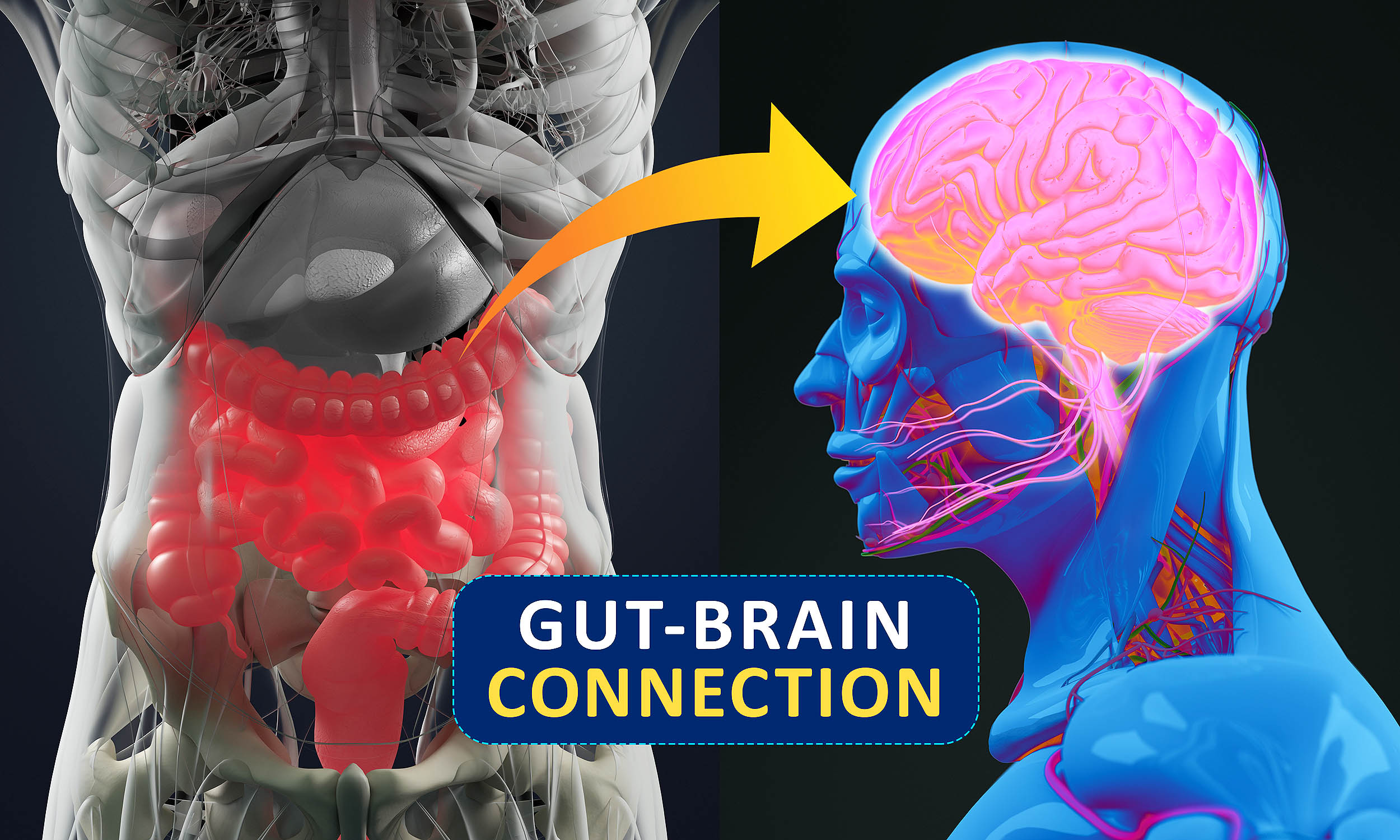
Recent research suggests that targeting gut cells rather than brain cells with SSRIs could effectively treat depression and anxiety while minimizing side effects. The study, led by researchers from Columbia University and NYU, found that increasing serotonin signaling in the gut of mice improved mood without the usual side effects of systemic SSRIs. This approach could be particularly beneficial for pregnant individuals, as it avoids risks associated with traditional antidepressants. The findings highlight the significant role of the gut-brain connection in mood regulation.
As 2024 concludes, researchers have identified several promising treatments for long COVID, a condition affecting 17 million Americans. Low-dose naltrexone, SSRIs, modafinil, metformin, and antihistamines have shown potential in alleviating symptoms like brain fog, fatigue, and pain. However, the effectiveness of these treatments varies among patients, and large-scale clinical trials are still needed to determine their efficacy and safety. Physicians caution against indiscriminate use due to potential risks and interactions.
Researchers from the University of Colorado have developed a new framework suggesting that antidepressants treat major depressive disorder (MDD) by restoring brain connectivity and promoting neuroplasticity, rather than correcting a serotonin imbalance. This new understanding aims to improve patient-clinician conversations and reframe public perception of antidepressant efficacy.